Table of Contents
Pionus parrots are a captivating and charming breed that has gained popularity among bird enthusiasts and pet owners alike. Known for their gentle demeanor and striking appearance, these birds are often considered an excellent choice for those looking to welcome a feathered friend into their home. With their origins rooted in Central and South America, Pionus parrots have a rich history that adds to their allure.
They are not just beautiful creatures; they also possess unique personalities that can bring joy and companionship to their owners. The Pionus parrot is a medium-sized bird, typically measuring between 9 to 12 inches in length. They are characterized by their robust bodies, short tails, and distinctive coloration.
While they may not be as flamboyant as some other parrot species, their subtle beauty and charming quirks make them a favorite among avian lovers. In this article, we will explore the various aspects of Pionus parrots, including their physical characteristics, natural behavior, dietary needs, training requirements, and more, to help you understand why they might be the perfect pet for you.
Key Takeaways
- Pionus parrots are medium-sized parrots known for their gentle and quiet nature, making them great pets for families and individuals.
- Pionus parrots have a stocky build, short square tails, and a distinctive feather pattern around their necks, with colors ranging from blues and greens to purples and reds.
- In the wild, Pionus parrots are found in Central and South America, where they inhabit forests and woodlands, often forming large flocks and foraging for fruits, seeds, and nuts.
- A balanced diet for Pionus parrots includes a variety of fruits, vegetables, seeds, and pellets, along with access to clean water and occasional treats.
- Pionus parrots are intelligent and can be trained to perform tricks and behaviors, but they also require socialization and mental stimulation to thrive as pets.
Physical Characteristics of Pionus Parrots
Pionus parrots are known for their unique and attractive physical traits. Their plumage varies among the different species within the Pionus genus, but they generally exhibit a combination of vibrant colors and subtle hues. The most common species, the Blue-Headed Pionus, showcases a stunning blue head with a green body and a distinctive red under the tail feathers.
Other species, such as the Maximilian’s Pionus and the Dusky Pionus, display variations of green, blue, and maroon that make them equally appealing. In addition to their colorful feathers, Pionus parrots have a robust build with a strong beak that is well-suited for cracking seeds and nuts. Their eyes are typically dark and expressive, reflecting their curious nature.
One of the most notable features of Pionus parrots is their relatively short tail compared to other parrot species, which gives them a unique silhouette. This combination of physical traits not only makes them visually striking but also contributes to their overall charm as companion birds.
Habitat and Natural Behavior
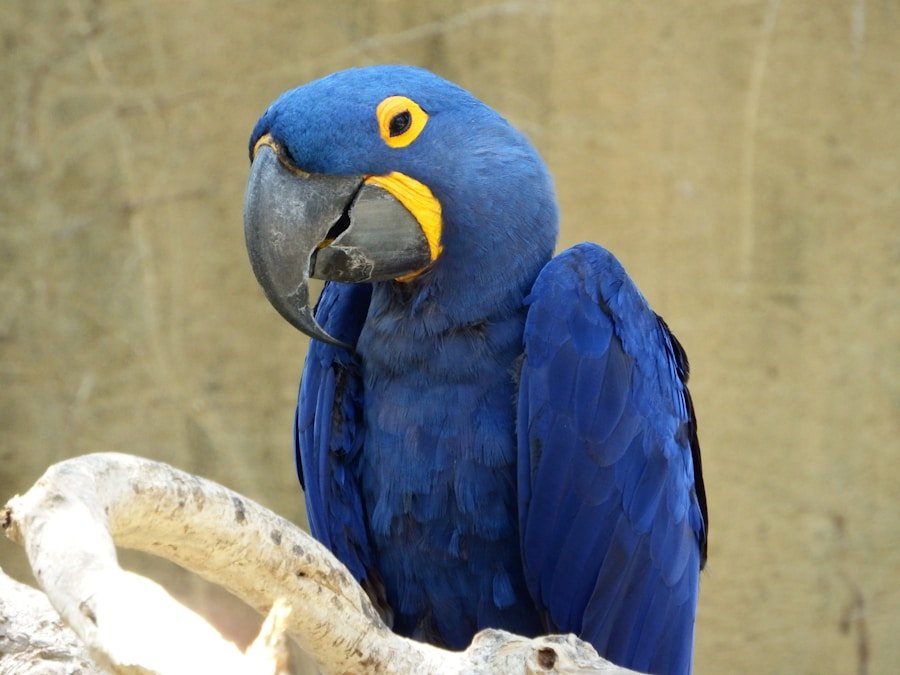
In the wild, Pionus parrots inhabit tropical and subtropical forests, often found in the canopies where they can forage for food. They are social birds that thrive in flocks, which provides them with safety in numbers and opportunities for social interaction. Their natural behavior includes climbing, flying short distances, and engaging in playful activities with their flock mates.
This social structure is essential for their well-being, as it allows them to develop strong bonds and communicate effectively. Pionus parrots are known for their relatively calm demeanor compared to other parrot species. They are less prone to loud vocalizations and can be quite content with quiet playtime or gentle interaction with their human companions.
In their natural habitat, they primarily feed on fruits, seeds, nuts, and flowers, showcasing their adaptability in finding food sources. Understanding their natural behavior is crucial for providing an enriching environment when they are kept as pets.
Diet and Nutrition for Pionus Parrots
| Food | Quantity | Frequency |
|---|---|---|
| Fresh fruits | 1/4 cup | Every day |
| Fresh vegetables | 1/4 cup | Every day |
| Pellets | 1/4 cup | Every day |
| Seeds and nuts | 1-2 tablespoons | 3 times a week |
| Water | Ad libitum | Every day |
A balanced diet is essential for the health and well-being of Pionus parrots. In captivity, their diet should consist of high-quality pellets specifically formulated for parrots, supplemented with fresh fruits and vegetables. Foods such as apples, carrots, leafy greens, and berries can provide essential vitamins and minerals that contribute to their overall health.
It is important to avoid feeding them avocado, chocolate, or caffeine, as these can be toxic to birds. In addition to pellets and fresh produce, offering occasional treats like nuts or seeds can be beneficial for training purposes or as rewards during socialization. However, moderation is key; too many fatty treats can lead to obesity and other health issues.
Providing fresh water daily is also crucial to keep your Pionus hydrated and healthy. By ensuring a varied and nutritious diet, you can help your feathered friend thrive in your care.
Training and Socialization
Training and socialization are vital components of raising a happy and well-adjusted Pionus parrot. These birds are intelligent and can learn various commands and tricks with patience and consistency. Starting training at a young age can help establish a strong bond between you and your bird while also promoting good behavior.
Positive reinforcement techniques, such as offering treats or praise when your parrot successfully follows a command, can be highly effective. Socialization is equally important for Pionus parrots. Regular interaction with family members or other pets can help them develop confidence and reduce any potential behavioral issues stemming from fear or anxiety.
Allowing your bird to explore different environments within your home while ensuring safety can also contribute to their social development. Engaging in playtime activities or providing toys that stimulate their curiosity will keep them mentally active and happy.
Common Health Issues and Care
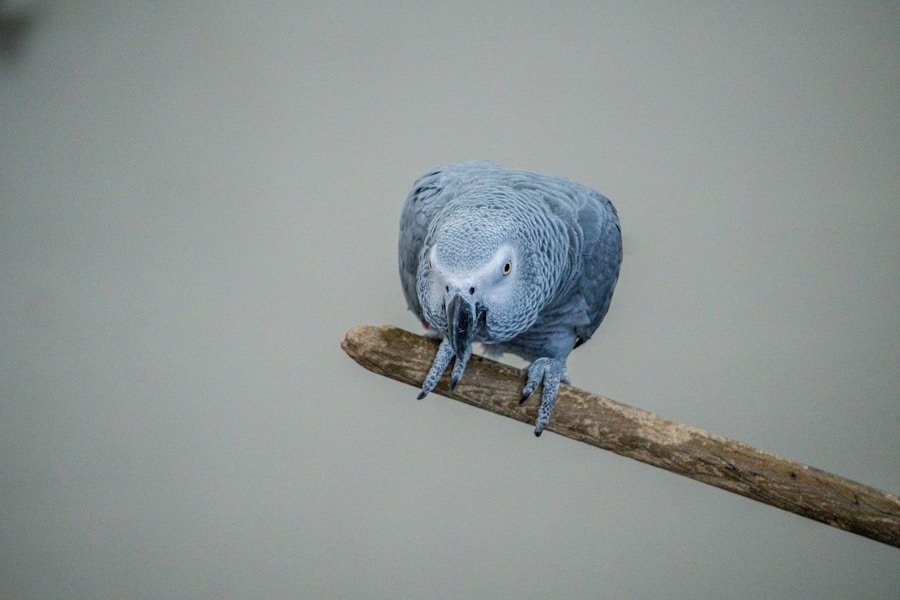
Like all pets, Pionus parrots can be susceptible to certain health issues that owners should be aware of. Some common concerns include obesity due to an improper diet or lack of exercise, feather plucking caused by stress or boredom, and respiratory issues from exposure to smoke or poor air quality. Regular veterinary check-ups are essential for monitoring your bird’s health and catching any potential problems early on.
Maintaining a clean living environment is crucial for preventing health issues in Pionus parrots. Regularly cleaning their cage, providing fresh food and water daily, and ensuring proper ventilation will contribute to their overall well-being. Additionally, providing opportunities for exercise outside of the cage—such as supervised flight time or play sessions—can help keep your bird physically fit and mentally stimulated.
Choosing a Pionus Parrot as a Pet
When considering adding a Pionus parrot to your family, it’s essential to evaluate whether this breed aligns with your lifestyle and living situation. Pionus parrots are generally well-suited for families due to their gentle nature; however, they also thrive in quieter environments where they can receive ample attention from their owners. If you have young children or other pets, it’s important to supervise interactions to ensure everyone’s safety.
Potential owners should also consider the long-term commitment involved in caring for a parrot. Pionus parrots can live for 25 years or more with proper care, so it’s crucial to be prepared for the responsibilities that come with pet ownership. Researching reputable breeders or adoption centers is essential to ensure you find a healthy bird that has been well-socialized from an early age.
Conclusion and Final Considerations
In conclusion, Pionus parrots are delightful companions that offer both beauty and personality to those who choose to welcome them into their homes.
With proper care—including a balanced diet, regular socialization, and attention to health needs—these birds can thrive in captivity.
As you consider adding a Pionus parrot to your life, remember that they require commitment and dedication just like any other pet. By understanding their needs and providing an enriching environment, you can enjoy many years of companionship with these charming birds. Whether you are captivated by their striking appearance or drawn in by their sweet nature, a Pionus parrot may just be the perfect addition to your family!
If you are interested in learning more about different types of parrots, you may want to check out this article exploring the fascinating world of Amazon parrots. Just like Pionus parrots, Amazon parrots are known for their vibrant colors and playful personalities. Reading about these beautiful birds can provide valuable insights into the care and behavior of parrots in general.
FAQs
What is a Pionus Parrot?
A Pionus Parrot is a medium-sized parrot species native to Central and South America. They are known for their gentle and quiet nature, making them popular pets among bird enthusiasts.
What do Pionus Parrots eat?
In the wild, Pionus Parrots primarily feed on fruits, seeds, nuts, and vegetation. In captivity, they should be provided with a balanced diet of high-quality pellets, fresh fruits, and vegetables.
What is the average lifespan of a Pionus Parrot?
Pionus Parrots have an average lifespan of 25 to 40 years in captivity when provided with proper care, diet, and environment.
Are Pionus Parrots good pets?
Pionus Parrots are known for their gentle and quiet nature, making them good pets for bird enthusiasts. They are intelligent, social, and can form strong bonds with their human caregivers.
Do Pionus Parrots require special care?
Pionus Parrots require a spacious cage, regular social interaction, mental stimulation, and a balanced diet to thrive in captivity. They also need regular veterinary check-ups to ensure their health and well-being.
Are Pionus Parrots endangered?
Some species of Pionus Parrots, such as the White-capped Pionus, are listed as near-threatened due to habitat loss and illegal trapping for the pet trade. Conservation efforts are in place to protect their natural habitats and populations.