Table of Contents
The Netherlands is a country rich in history, culture, and charm, with its cities offering a unique blend of old-world charm and modern vibrancy. Amsterdam, the capital city, is perhaps the most famous of them all, known for its picturesque canals, historic architecture, and vibrant nightlife. The city is a tapestry of narrow houses with gabled facades, each telling a story of its own.
As you stroll through the cobblestone streets, you’ll encounter the iconic canals that have earned Amsterdam the nickname “Venice of the North.” The Anne Frank House, the Rijksmuseum, and the vibrant Jordaan district are just a few highlights that showcase the city’s rich cultural heritage. Utrecht, often overshadowed by Amsterdam, is a hidden gem that boasts a unique charm of its own. With its medieval old town and stunning Dom Tower, Utrecht offers a more laid-back atmosphere while still being vibrant and lively.
The city is known for its wharfs along the canals, where you can find cafes and shops nestled right by the water. This creates a cozy ambiance that invites visitors to relax and soak in the local culture. The annual Utrecht Early Music Festival draws music lovers from around the world, showcasing the city’s commitment to preserving and celebrating its artistic heritage.
Rotterdam, on the other hand, presents a stark contrast to its more traditional counterparts. Known for its modern architecture and innovative urban design, Rotterdam was largely rebuilt after World War II, resulting in a cityscape filled with striking skyscrapers and contemporary structures. The iconic Cube Houses and the Erasmus Bridge are just a couple of examples of the city’s architectural prowess.
Rotterdam is also a hub for art and culture, with numerous galleries and museums that reflect its dynamic spirit. The city’s vibrant food scene, particularly at the Markthal, offers a delightful culinary experience that showcases both local and international flavors.
Key Takeaways
- Dutch cities like Amsterdam, Utrecht, and Rotterdam offer a unique charm with their picturesque canals and historic architecture.
- Sampling Dutch cuisine is a must, from the sweet stroopwafels to the savory herring and world-renowned Dutch cheese.
- Immerse yourself in Dutch art and culture by visiting the Rijksmuseum and Van Gogh Museum for a glimpse into the country’s rich artistic heritage.
- Embrace the beauty of Dutch nature by cycling through vibrant tulip fields and exploring the stunning Keukenhof Gardens.
- Uncover the rich history of the Netherlands by visiting historic windmills and experiencing the art of Delft Blue pottery.
A Taste of Dutch Cuisine: Sampling Stroopwafels, Herring, and Dutch Cheese
Dutch cuisine may not be as widely recognized as some other European culinary traditions, but it has its own unique flavors and specialties that are worth exploring. One of the most beloved treats in the Netherlands is the stroopwafel. This delicious snack consists of two thin waffles filled with a sweet syrup made from caramel.
Originating from the city of Gouda in the 18th century, stroopwafels are best enjoyed warm, allowing the syrup to melt slightly between the waffles. You can find them at markets or cafes throughout the country, often served with a hot cup of coffee or tea. Another quintessential Dutch dish is herring, which is typically served raw and is often enjoyed as a street food delicacy.
The fish is usually served with onions and pickles, and it’s common to eat it by holding it by the tail and taking a bite. This traditional snack has been a staple in Dutch culture for centuries and is especially popular during the herring season in late spring. For those who prefer something more substantial, Dutch cheese is a must-try.
The Netherlands is famous for its cheese production, with varieties like Gouda and Edam being particularly well-known. Visiting a local cheese shop or market allows you to sample different types and learn about their unique characteristics. Dutch cuisine also embraces hearty dishes such as stamppot, which consists of mashed potatoes mixed with various vegetables like kale or sauerkraut.
This comforting dish is often served with smoked sausage and is perfect for warming up during the colder months.
Exploring Dutch Art and Culture: Visiting the Rijksmuseum and Van Gogh Museum
The Netherlands has long been celebrated for its contributions to art and culture, with some of the world’s most renowned artists hailing from this small country. A visit to the Rijksmuseum in Amsterdam is an absolute must for art enthusiasts. This grand museum houses an extensive collection of Dutch masterpieces from the Golden Age, including works by Rembrandt, Vermeer, and Hals.
The museum’s centerpiece is Rembrandt’s “The Night Watch,” an iconic painting that draws visitors from around the globe. As you wander through the museum’s halls, you’ll be captivated by the intricate details and historical significance of each piece. Just a short distance away lies the Van Gogh Museum, dedicated to one of the most influential figures in Western art history.
The museum boasts the largest collection of Vincent van Gogh’s works, including his famous self-portraits and vibrant landscapes. Visitors can trace Van Gogh’s artistic journey through his letters and sketches, gaining insight into his creative process and personal struggles. The museum’s immersive exhibitions provide a deeper understanding of Van Gogh’s impact on modern art.
Beyond these two iconic institutions, Dutch art extends to contemporary galleries and street art that reflect the country’s evolving cultural landscape. Cities like Rotterdam are home to innovative art spaces that showcase emerging artists and experimental works. Engaging with Dutch art allows visitors to appreciate not only the historical significance but also the ongoing dialogue between tradition and modernity.
Embracing Dutch Nature: Cycling through Tulip Fields and Visiting the Keukenhof Gardens
| Metrics | Details |
|---|---|
| Number of Tulip Fields | More than 2,000 fields |
| Keukenhof Gardens Size | 32 hectares |
| Cycling Routes | Several cycling routes through tulip fields |
| Keukenhof Gardens Visitors | Approximately 1.5 million visitors annually |
| Tulip Varieties | More than 800 varieties |
The natural beauty of the Netherlands is perhaps best exemplified by its stunning tulip fields that bloom each spring. Cycling through these vibrant landscapes is an experience like no other. The countryside transforms into a colorful patchwork of tulips in every hue imaginable, creating a breathtaking sight that attracts visitors from around the world.
Renting a bike allows you to explore at your own pace while taking in the fresh air and picturesque scenery. One of the most famous places to witness this floral spectacle is Keukenhof Gardens, located near Lisse. Spanning over 79 acres, Keukenhof is one of the largest flower gardens in the world and features millions of blooming tulips each year.
The gardens are meticulously designed with themed displays that change annually, showcasing not only tulips but also daffodils, hyacinths, and other spring flowers. A visit to Keukenhof is not just about admiring flowers; it’s an opportunity to immerse yourself in Dutch horticultural artistry. In addition to tulip fields and gardens, the Netherlands offers numerous national parks and nature reserves where visitors can experience diverse ecosystems.
From coastal dunes to lush forests, these natural areas provide ample opportunities for hiking, birdwatching, and enjoying outdoor activities. Embracing Dutch nature allows you to connect with the land while appreciating its beauty.
Uncovering Dutch History: Exploring Historic Windmills and Delft Blue Pottery
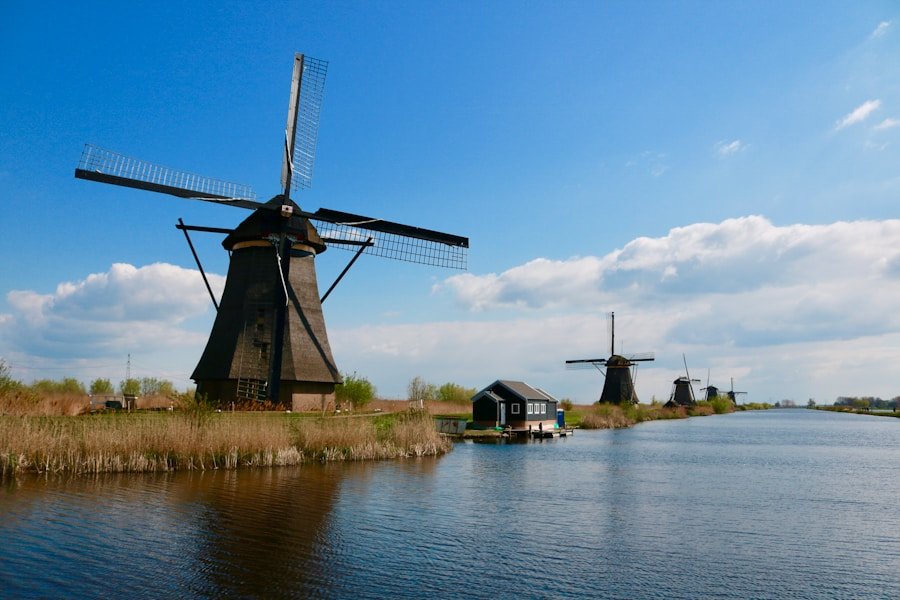
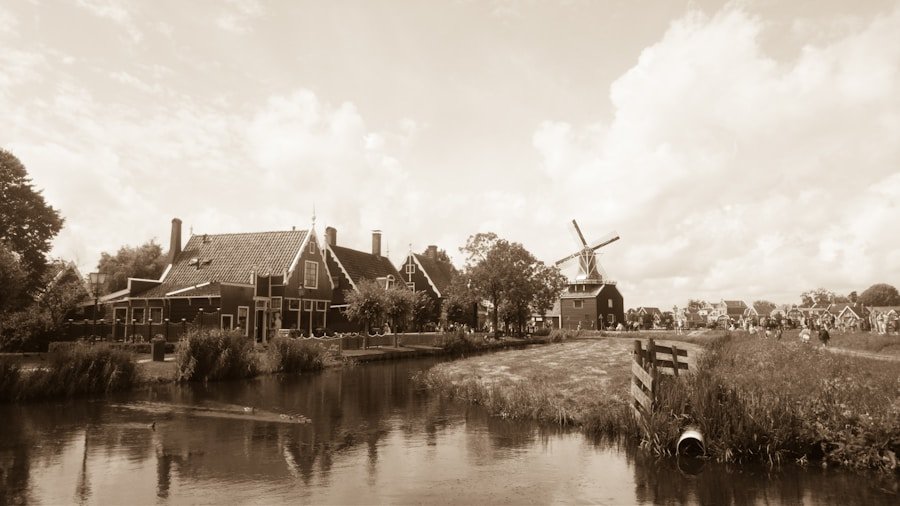
The Netherlands has a rich history that is intricately tied to its landscape, particularly through its iconic windmills. These structures were once essential for draining water from low-lying areas and grinding grain. Today, they stand as symbols of Dutch ingenuity and resilience against water management challenges.
Visiting historic windmill sites such as Kinderdijk or Zaanse Schans offers a glimpse into this fascinating aspect of Dutch history. You can tour these windmills to learn about their operation while enjoying picturesque views of the surrounding countryside. Another significant aspect of Dutch heritage is Delft Blue pottery, known for its distinctive blue-and-white designs inspired by Chinese porcelain.
This traditional craft dates back to the 16th century when Dutch potters began producing their own versions of imported ceramics. A visit to Delft allows you to explore workshops where artisans create these beautiful pieces by hand. You can even try your hand at painting your own Delft Blue tile as part of an interactive experience.
Exploring these historical elements provides insight into how the Dutch have adapted to their environment over centuries while preserving their cultural identity. Each windmill and piece of pottery tells a story that reflects both innovation and tradition.
Experiencing Dutch Festivals: Celebrating King’s Day and Sinterklaas
King’s Day: A Celebration of National Pride
One of the most anticipated events on the Dutch calendar is King’s Day (Koningsdag), celebrated on April 27th in honor of King Willem-Alexander’s birthday. On this day, cities across the country come alive with vibrant orange decorations as people don their best orange attire to show their national pride. Flea markets pop up everywhere as locals sell their second-hand goods, creating a festive atmosphere filled with music, food stalls, and street performances.
Sinterklaas: A Magical Time of Year
Sinterklaas is another beloved celebration that takes place in early December. This festive event marks the arrival of Saint Nicholas from Spain on his steamboat accompanied by his helpers known as Zwarte Piet (Black Pete). Children eagerly await Sinterklaas’ arrival as he brings gifts and sweets for them to enjoy during this magical time of year. Parades featuring colorful floats and performances fill towns with joy as families come together to celebrate traditions passed down through generations.
Experiencing Dutch Culture and Traditions
Participating in these festivals allows visitors to experience Dutch culture firsthand while engaging with locals who are eager to share their customs and traditions. Whether it’s dancing in the streets during King’s Day or enjoying festive treats during Sinterklaas celebrations, these events create lasting memories.
Navigating Dutch Waterways: Exploring the Canals of Amsterdam and Taking a Boat Tour in Giethoorn
The Netherlands’ intricate network of waterways plays an essential role in its identity as a nation shaped by water. Amsterdam’s canals are perhaps the most famous example of this relationship between land and water. A boat tour through these historic canals offers a unique perspective on the city’s architecture while providing insight into its maritime history.
Giethoorn, often referred to as “the Venice of the North,” takes this connection to water even further with its picturesque village built entirely on canals instead of roads. Here, residents navigate their homes using small boats called “punters.” A boat tour through Giethoorn allows you to explore this enchanting village at a leisurely pace while soaking in its serene beauty surrounded by lush greenery.
Navigating these waterways not only highlights the Netherlands’ unique geography but also offers opportunities for relaxation and exploration away from bustling city life.
Embracing Dutch Hospitality: Staying in a Traditional Dutch Houseboat and Visiting a Dutch Brewery
To truly immerse yourself in Dutch culture during your visit, consider staying in a traditional houseboat along one of Amsterdam’s canals. These floating homes offer a unique lodging experience that combines comfort with stunning views right outside your window. Many houseboats have been converted into cozy accommodations while retaining their original charm—complete with wooden beams and nautical decor—allowing guests to experience life on the water firsthand.
In addition to unique accommodations, visiting a local brewery provides insight into another aspect of Dutch hospitality: beer culture! The Netherlands has a rich brewing tradition dating back centuries; many breweries offer tours where visitors can learn about brewing techniques while sampling various beers crafted on-site. From traditional lagers to innovative craft brews infused with local ingredients—there’s something for every palate!
Embracing these experiences allows travelers not only to enjoy comfortable lodging but also connect with locals who are passionate about sharing their culture through food and drink. In conclusion, exploring the charm of Dutch cities like Amsterdam, Utrecht, and Rotterdam reveals a tapestry woven from history, art, nature, cuisine—and so much more! Each aspect contributes uniquely to understanding what makes this small yet vibrant country so special—inviting visitors from around the world to discover its treasures firsthand!
If you are interested in learning more about different dog breeds, you may want to check out this article on the French Bulldog. Just like the Dutch breed, French Bulldogs are known for their charming and loyal nature. It’s always fascinating to explore the unique characteristics and traits of various dog breeds.
FAQs
What is Dutch?
Dutch refers to the people, language, and culture of the Netherlands. It is also used to describe anything related to the Netherlands.
What language do the Dutch speak?
The official language of the Netherlands is Dutch. It is also spoken in Belgium and Suriname, and is one of the official languages of the Caribbean countries of Aruba, Curaçao, and Sint Maarten.
What are some famous Dutch landmarks?
Some famous Dutch landmarks include the windmills at Kinderdijk, the canals of Amsterdam, the Rijksmuseum, Keukenhof Gardens, and the Anne Frank House.
What are some traditional Dutch foods?
Traditional Dutch foods include stroopwafels (syrup waffles), bitterballen (deep-fried meatballs), poffertjes (mini pancakes), haring (herring), and erwtensoep (split pea soup).
What are some famous Dutch artists?
Famous Dutch artists include Rembrandt van Rijn, Vincent van Gogh, Johannes Vermeer, and Piet Mondrian.
What is the Dutch economy known for?
The Dutch economy is known for its strong agricultural sector, innovative technology industry, and global trade. The Netherlands is also a major hub for international finance and has a well-developed transportation infrastructure.