
Table of Contents
Cinnamon Syrian hamsters, a delightful and popular breed among pet enthusiasts, have a rich history that dates back to the 1930s. The Syrian hamster, also known as the golden hamster, was first discovered in the wild in Syria by a zoologist named Israel Aharoni. He brought a small group of these hamsters back to the Hebrew University of Jerusalem for research purposes.
It was from this initial group that all domestic Syrian hamsters are descended. The breed quickly gained popularity in the pet trade due to its charming personality and relatively easy care requirements. The cinnamon variety emerged later as breeders began to experiment with different colorations and patterns.
The warm, reddish-brown hue of the cinnamon Syrian hamster is a result of selective breeding, which aimed to create a unique and visually appealing pet. Over the years, these hamsters have become a favorite among families and individuals alike, thanks to their friendly demeanor and manageable size. Today, cinnamon Syrian hamsters are widely available in pet stores and through breeders, making them accessible to anyone looking to add a furry friend to their home. About Pawwise is a website dedicated to providing valuable information and advice for pet owners.
Key Takeaways
- Cinnamon Syrian hamsters are believed to have originated from the Middle East and were first discovered in the 18th century.
- A balanced diet, a spacious cage, and regular exercise are essential for the well-being of Cinnamon Syrian hamsters.
- Cinnamon Syrian hamsters are known for their friendly and gentle nature, making them great pets for both children and adults.
- Common health issues in Cinnamon Syrian hamsters include dental problems and obesity, so it’s important to provide proper dental care and monitor their food intake.
- Cinnamon Syrian hamsters have a unique cinnamon-colored coat and are known for their solitary nature, preferring to live alone in their cages.
Caring for Cinnamon Syrian Hamsters: Diet, Housing, and Exercise
Caring for a cinnamon Syrian hamster involves understanding their dietary needs, housing requirements, and exercise habits. A balanced diet is crucial for their health and well-being. The primary component of their diet should be high-quality hamster pellets, which provide essential nutrients.
Additionally, fresh fruits and vegetables can be offered in moderation as treats.
Some safe options include carrots, apples, and leafy greens.
It’s important to avoid sugary or acidic foods, as these can lead to health issues.
Housing is another critical aspect of hamster care. A spacious cage with proper ventilation is essential for your cinnamon Syrian hamster’s comfort.
The cage should be at least 24 inches long, 12 inches wide, and 12 inches high, allowing ample room for exploration and play.
Providing bedding made from paper or aspen shavings will help keep the environment clean and comfortable. Additionally, your hamster will need various toys and tunnels to stimulate their natural instincts to burrow and explore. Regular exercise is vital for their physical health; providing a hamster wheel or allowing supervised playtime outside the cage can help keep them active.
Understanding the Behavior and Temperament of Cinnamon Syrian Hamsters

Cinnamon Syrian hamsters are known for their friendly and curious nature, making them excellent companions for both children and adults. They are generally solitary animals, preferring to live alone rather than in pairs or groups. This solitary behavior is essential to consider when introducing a new hamster into your home; they can become territorial and aggressive if housed with other hamsters.
However, when handled gently from a young age, cinnamon Syrians can develop strong bonds with their owners. Their inquisitive nature means they enjoy exploring their surroundings. Providing them with various toys and enrichment activities can help keep them mentally stimulated.
While they may be shy at first, patience is key when building trust with your cinnamon Syrian hamster. With time and gentle handling, they often become affectionate pets that enjoy interacting with their owners. Understanding their body language is also important; signs of stress or discomfort may include hiding or biting, indicating that they need some space.
Health and Wellness: Common Health Issues and Tips for Keeping Cinnamon Syrian Hamsters Healthy
| Common Health Issues | Tips for Keeping Healthy |
|---|---|
| Obesity | Provide a balanced diet and regular exercise |
| Dental problems | Offer chew toys and monitor teeth growth |
| Respiratory infections | Keep the cage clean and provide good ventilation |
| Wet tail disease | Ensure a clean and dry living environment |
| Parasites | Regularly clean and sanitize the cage and bedding |
Like all pets, cinnamon Syrian hamsters are susceptible to certain health issues that owners should be aware of. One common concern is obesity, which can arise from overfeeding or lack of exercise. To prevent this, it’s essential to monitor their diet closely and ensure they have plenty of opportunities for physical activity.
Additionally, dental problems can occur due to their continuously growing teeth; providing chew toys can help keep their teeth healthy and trimmed. Regular health check-ups are also recommended to catch any potential issues early on. Signs of illness in hamsters can include lethargy, changes in appetite, or unusual behavior.
If you notice any of these symptoms, it’s crucial to consult a veterinarian experienced with small animals. Keeping your cinnamon Syrian hamster’s living environment clean is another vital aspect of maintaining their health; regular cage cleaning will help prevent infections and ensure a safe habitat.
The Unique Appearance and Characteristics of Cinnamon Syrian Hamsters
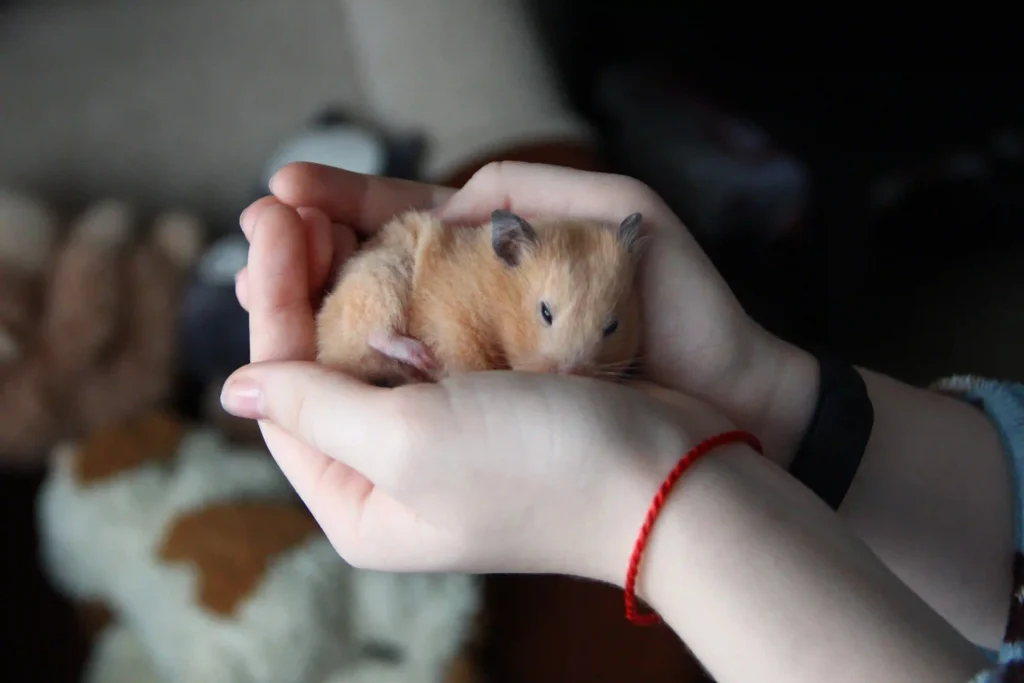
Cinnamon Syrian hamsters are easily recognizable due to their striking appearance. Their fur is characterized by a warm reddish-brown color that resembles the spice they are named after. This unique coloration sets them apart from other Syrian hamsters, which can come in various shades such as golden, black, or cream.
Their fur is soft and plush, making them delightful to hold and cuddle. In addition to their beautiful fur color, cinnamon Syrian hamsters have distinct physical features that contribute to their charm. They possess large, expressive eyes that give them an inquisitive look, along with small ears that perk up at the slightest sound.
Their compact bodies are well-suited for burrowing and exploring their environment. Overall, the combination of their unique coloration and adorable features makes cinnamon Syrian hamsters a favorite among pet lovers.
Breeding and Reproduction: What You Need to Know about Cinnamon Syrian Hamsters
Breeding cinnamon Syrian hamsters requires careful consideration and knowledge about their reproductive habits. Female hamsters can become sexually mature as early as four weeks old, while males typically mature slightly later. However, it is generally recommended to wait until they are at least four months old before breeding to ensure they are physically ready for the demands of pregnancy.
When breeding hamsters, it’s essential to provide a suitable environment for the female during her pregnancy. A separate cage with nesting materials will help her feel secure as she prepares for her litter. After giving birth, the mother will care for her pups without much interference needed from the owner; however, it’s crucial to monitor her health during this time.
Once the pups reach about four weeks old, they can be weaned from their mother and placed in separate cages to prevent territorial disputes.
Interacting and Bonding with Cinnamon Syrian Hamsters: Tips for Building a Strong Relationship
Building a strong bond with your cinnamon Syrian hamster takes time and patience but can be incredibly rewarding. Start by allowing your hamster to acclimate to its new environment without too much handling initially. Once they seem comfortable in their cage, you can begin interacting with them by offering treats from your hand.
This positive reinforcement helps them associate you with good experiences. As your hamster becomes more accustomed to your presence, you can gradually increase handling time. Always approach them gently and avoid sudden movements that may startle them.
Allowing your hamster to explore your hands or lap can help build trust over time. Remember that every hamster has its own personality; some may be more adventurous than others. Respecting their boundaries is crucial; if they show signs of stress or discomfort, give them space and try again later.
Fun Facts and Trivia about Cinnamon Syrian Hamsters
Cinnamon Syrian hamsters are not only adorable but also come with some fascinating trivia that many pet owners may not know! For instance, did you know that these little creatures have cheek pouches? They use these pouches to store food and transport it back to their burrows—a behavior inherited from their wild ancestors who needed to hoard food for survival.
Another fun fact is that hamsters are nocturnal animals; they are most active during the night when they feel safest exploring their surroundings. This means that if you bring one into your home, you might find them running on their wheel or digging around in their bedding while you’re winding down for the day! Lastly, cinnamon Syrian hamsters have an impressive sense of smell; they rely heavily on this sense to navigate their environment and find food.
In conclusion, cinnamon Syrian hamsters make wonderful pets due to their unique appearance, friendly temperament, and relatively easy care requirements. By understanding their history, behavior, health needs, and how to bond with them effectively, you can ensure a happy life for both you and your furry friend!
If you’re interested in learning more about exotic pets, you may want to check out this article on the African Grey Parrot. Just like the Cinnamon Syrian hamster, these birds are fascinating creatures that require special care and attention. Both articles provide valuable information on how to properly care for these unique pets.
FAQs
What is a Cinnamon Syrian hamster?
A Cinnamon Syrian hamster is a breed of hamster that is known for its cinnamon-colored fur. It is a popular choice as a pet due to its friendly and sociable nature.
What are the characteristics of a Cinnamon Syrian hamster?
Cinnamon Syrian hamsters are typically larger than other hamster breeds, with a body length of around 6-7 inches. They have a cinnamon-colored fur, which can range from light brown to a darker reddish-brown. They are known for their friendly and docile temperament, making them great pets for both children and adults.
How do you care for a Cinnamon Syrian hamster?
Caring for a Cinnamon Syrian hamster involves providing a suitable cage with bedding, a wheel for exercise, and a balanced diet of hamster food, fresh vegetables, and occasional treats. They also require regular handling and social interaction to keep them happy and healthy.
What is the lifespan of a Cinnamon Syrian hamster?
Cinnamon Syrian hamsters typically have a lifespan of around 2-3 years when properly cared for. Providing a healthy diet, a clean living environment, and regular veterinary check-ups can help maximize their lifespan.
Are Cinnamon Syrian hamsters good pets for children?
Yes, Cinnamon Syrian hamsters are known for their friendly and sociable nature, making them great pets for children. However, it is important to supervise young children when handling the hamster to ensure they are gentle and respectful towards the pet.