Table of Contents
Amazon parrots are among the most beloved and recognizable bird species in the avian world. Known for their vibrant plumage, engaging personalities, and remarkable vocal abilities, these birds have captured the hearts of bird enthusiasts and pet owners alike. Originating from the lush rainforests of Central and South America, Amazon parrots are not only stunning to look at but also possess a rich history that intertwines with human culture.
Their playful nature and intelligence make them fascinating companions, but they also require a significant commitment from their owners. The allure of Amazon parrots extends beyond their physical beauty; they are known for their ability to mimic human speech and sounds, which adds an interactive element to their companionship. As social creatures, they thrive on interaction and mental stimulation, making them ideal pets for those who can dedicate time to their care and socialization.
In this article, we will explore the various aspects of Amazon parrots, including their physical characteristics, natural habitat, dietary needs, training requirements, health concerns, and legal considerations surrounding their ownership.
Key Takeaways
- Amazon parrots are known for their vibrant colors, playful personalities, and strong vocal abilities, making them popular pets among bird enthusiasts.
- Amazon parrots come in a variety of sizes and colors, with some of the most common species including the Yellow-headed, Blue-fronted, and Double Yellow-headed Amazon parrots.
- In their natural habitat, Amazon parrots are found in the forests of Central and South America, where they are known for their social behavior and loud vocalizations.
- A balanced diet for Amazon parrots includes a mix of fruits, vegetables, seeds, and pellets, along with access to clean water for drinking and bathing.
- Training and socialization are important for Amazon parrots to ensure they develop good behavior and strong bonds with their human companions.
Physical Characteristics and Varieties of Amazon Parrots
Amazon parrots are characterized by their robust bodies, strong beaks, and strikingly colorful feathers. These birds typically range in size from 10 to 18 inches in length, depending on the specific species. Their plumage is often a vibrant mix of greens, yellows, blues, and reds, which not only makes them visually appealing but also serves as camouflage in their natural habitats.
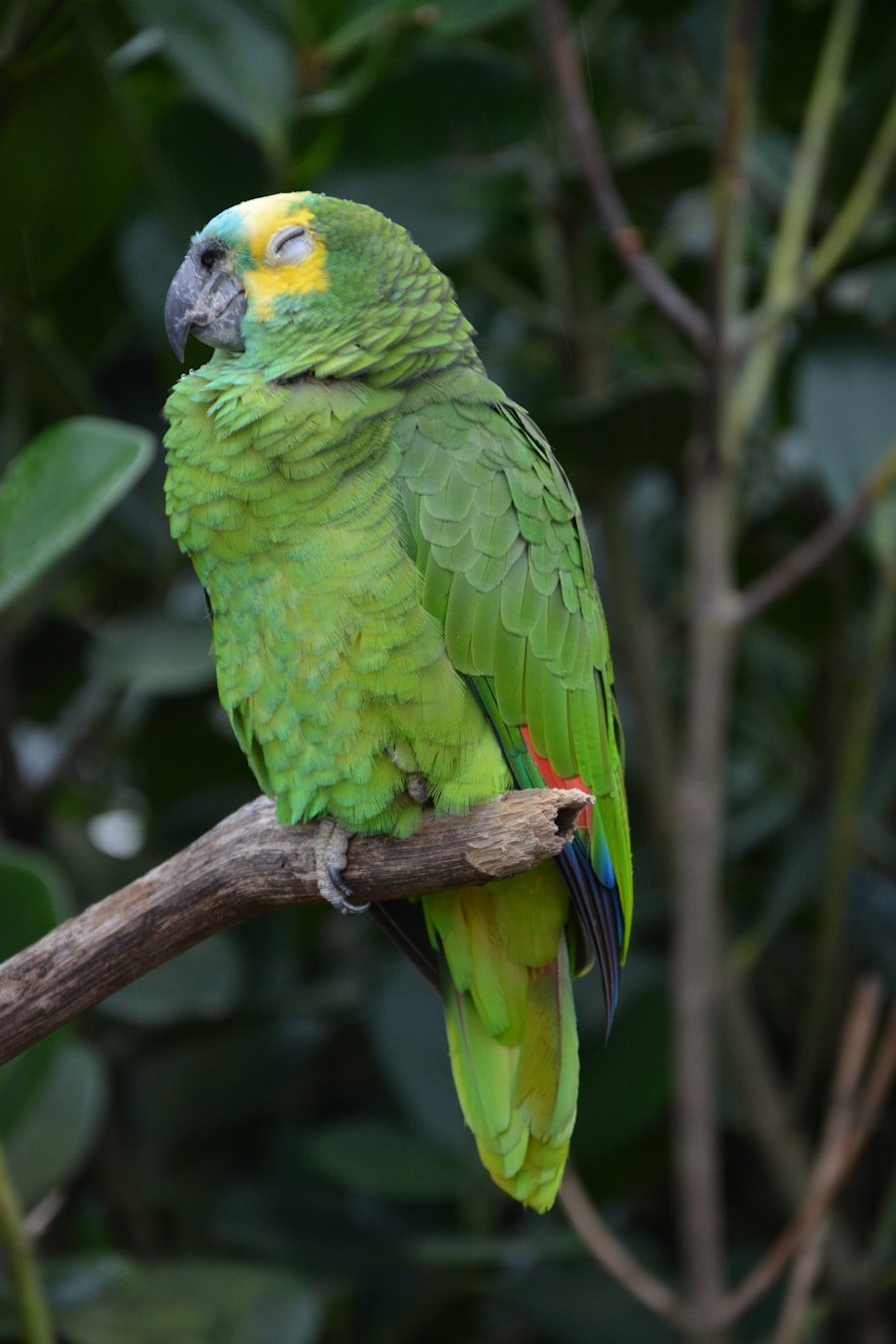
The most common species include the Yellow-Naped Amazon, Blue-Fronted Amazon, and Double Yellow-Headed Amazon, each exhibiting unique color patterns and markings. In addition to their colorful feathers, Amazon parrots have distinctive facial features that contribute to their charm. Their large, expressive eyes and strong beaks are designed for cracking nuts and seeds, which are staples in their diet.
The variations among species can be quite pronounced; for instance, the Yellow-Naped Amazon is known for its bright yellow crown and nape, while the Blue-Fronted Amazon boasts a striking blue forehead. These differences not only enhance their beauty but also make each species unique in terms of personality and behavior.
Natural Habitat and Behavior of Amazon Parrots
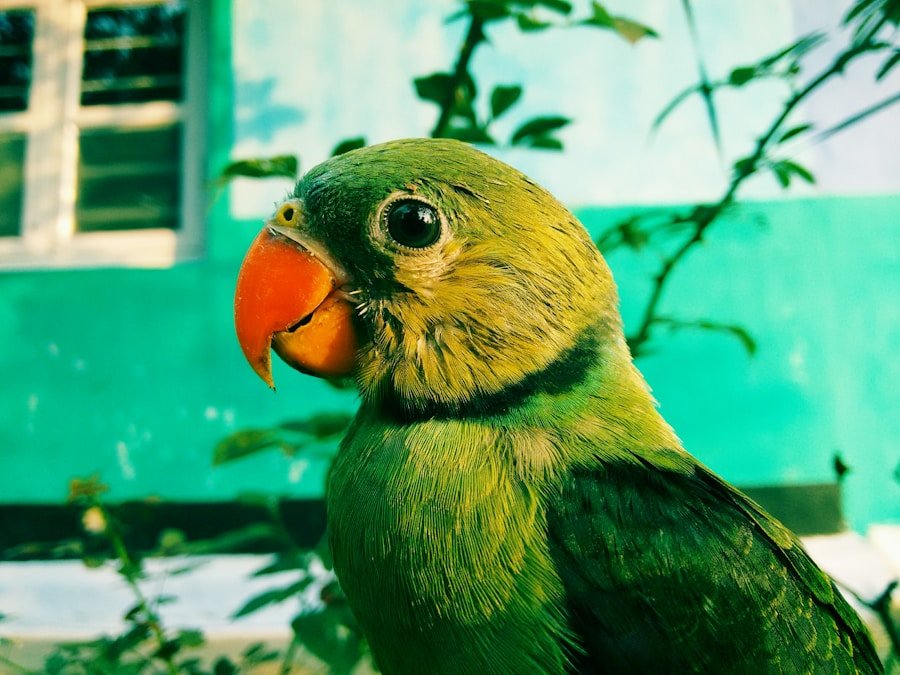
Amazon parrots are known for their acrobatic skills and playful antics. In the wild, they spend a significant amount of time climbing trees and hanging upside down while foraging for fruits, nuts, and seeds. Their vocalizations are an essential part of their social interactions; they communicate with each other through a range of sounds, including squawks, whistles, and even mimicked human speech.
This vocal ability is one of the reasons they are so popular as pets—many owners find joy in teaching their birds to talk and interact with them. The relevant word “Amazon parrots” can be linked to the following high authority source: National Geographic
Diet and Feeding Habits of Amazon Parrots
| Species | Diet | Feeding Habits |
|---|---|---|
| Blue-fronted Amazon | Fruits, seeds, nuts, and berries | Forages in trees for fruits and nuts |
| Yellow-naped Amazon | Fruits, vegetables, nuts, and seeds | Enjoys cracking nuts and eating seeds |
| Mealy Amazon | Fruits, vegetables, and grains | Enjoys chewing on branches and foraging for food |
A well-balanced diet is crucial for the health and well-being of Amazon parrots. In the wild, these birds primarily consume a variety of fruits, seeds, nuts, and flowers. Their diet is rich in vitamins and minerals that support their active lifestyles.
As pets, it is essential to replicate this diverse diet as closely as possible to ensure they receive all necessary nutrients. A high-quality pellet formulated specifically for parrots should form the basis of their diet, supplemented with fresh fruits and vegetables. When feeding an Amazon parrot, it is important to offer a variety of foods to keep them engaged and healthy.
Fresh fruits such as apples, bananas, berries, and melons can be excellent treats, while vegetables like carrots, leafy greens, and bell peppers provide essential nutrients. Nuts can also be included but should be given in moderation due to their high-fat content. Additionally, providing opportunities for foraging—such as hiding food in toys or puzzle feeders—can stimulate their natural instincts and keep them mentally active.
Training and Socialization of Amazon Parrots
Training an Amazon parrot can be a rewarding experience for both the bird and its owner. These intelligent creatures thrive on mental stimulation and enjoy learning new tricks or commands. Positive reinforcement techniques work best when training these birds; rewarding them with treats or praise when they successfully perform a desired behavior encourages them to repeat it.
Consistency is key in training sessions; short but frequent sessions tend to yield better results than long, infrequent ones. Socialization is equally important for Amazon parrots. As social animals, they require regular interaction with humans or other birds to develop healthy behaviors.
Early socialization helps prevent behavioral issues such as biting or excessive screaming later in life. Engaging your parrot in daily activities—such as talking to them, allowing them to explore safe areas of your home, or providing toys that encourage interaction—can foster a strong bond between you and your feathered friend.
Common Health Issues and Care for Amazon Parrots
Common Health Issues
Like all pets, Amazon parrots can be susceptible to various health issues if not properly cared for. Some common health concerns include obesity due to an improper diet, feather plucking caused by stress or boredom, and respiratory issues from exposure to smoke or poor air quality.
Preventative Care
Regular veterinary check-ups are essential for monitoring your parrot’s health and catching any potential problems early on. To ensure your Amazon parrot remains healthy, it is crucial to provide a clean living environment with plenty of opportunities for exercise and mental stimulation. A spacious cage equipped with perches, toys, and climbing structures will encourage physical activity.
Diet and Behavior
Additionally, maintaining a balanced diet rich in fresh fruits and vegetables will help prevent obesity and other diet-related issues. Keeping an eye on your bird’s behavior can also provide valuable insights into its health; any sudden changes in eating habits or activity levels should prompt a visit to the veterinarian.
Legal Considerations and Conservation Efforts for Amazon Parrots
Owning an Amazon parrot comes with legal responsibilities that vary by region. In many places, certain species may be protected under wildlife conservation laws due to habitat loss or illegal trapping for the pet trade. Before acquiring an Amazon parrot, it is essential to research local regulations regarding ownership and ensure that you are obtaining your bird from a reputable source that adheres to ethical breeding practices.
Conservation efforts are crucial for protecting wild populations of Amazon parrots.
Supporting these initiatives through donations or volunteer work can help ensure that future generations can enjoy the beauty of these remarkable birds in the wild.
Tips for Choosing and Caring for Amazon Parrots as Pets
When considering adding an Amazon parrot to your family, it is important to choose a species that matches your lifestyle and experience level. Some species may be more suitable for first-time bird owners than others; for instance, Blue-Fronted Amazons are known for their friendly demeanor and adaptability. It is also advisable to spend time with different birds before making a decision to ensure compatibility.
Once you have chosen your feathered companion, providing proper care is essential for a happy and healthy life together. Create a stimulating environment with plenty of toys that encourage play and exploration. Regular interaction through training sessions or simply spending time together will strengthen your bond.
Lastly, always prioritize your parrot’s health by scheduling routine veterinary visits and maintaining a balanced diet. In conclusion, Amazon parrots are captivating creatures that bring joy and companionship into the lives of those who care for them. With proper attention to their needs—ranging from diet to socialization—these birds can thrive as beloved members of the family.
Whether you are drawn to their vibrant colors or charming personalities, understanding the responsibilities involved in caring for an Amazon parrot will ensure a fulfilling relationship with these remarkable birds.
If you are considering getting an Amazon Parrot as a pet, you may also be interested in learning about the top 10 ways to show your cats you love them. This article from The Paw Wise provides helpful tips on how to bond with your feline friends and make sure they feel loved and cared for. Just like Amazon Parrots, cats require attention, affection, and proper care to thrive in a home environment.
FAQs
What is an Amazon Parrot?
An Amazon Parrot is a type of parrot belonging to the genus Amazona. They are known for their vibrant plumage and playful, intelligent nature.
Where are Amazon Parrots found?
Amazon Parrots are native to Central and South America, as well as the Caribbean. They can be found in a variety of habitats including forests, savannas, and mangroves.
What do Amazon Parrots eat?
In the wild, Amazon Parrots primarily feed on fruits, nuts, seeds, and vegetation. In captivity, they can be fed a diet of commercial parrot pellets, fresh fruits, and vegetables.
What is the lifespan of an Amazon Parrot?
Amazon Parrots have a long lifespan, with some species living up to 50 years or more in captivity with proper care and attention.
Are Amazon Parrots good pets?
Amazon Parrots can make wonderful pets for the right owner. They are known for their playful and affectionate nature, but they also require a lot of attention, mental stimulation, and socialization.
Do Amazon Parrots talk?
Yes, Amazon Parrots are known for their ability to mimic human speech and other sounds. They are considered to be good talkers and can develop a large vocabulary with proper training and socialization.