Table of Contents
The Norwegian Forest Cat, often affectionately referred to as the “Wegie,” boasts a rich history that intertwines with the folklore and culture of Norway. This breed is believed to have descended from domestic cats brought to Scandinavia by the Vikings around 1000 AD. These early cats were likely bred with local wildcats, resulting in a robust and resilient feline that could withstand the harsh Nordic climate.
The Norwegian Forest Cat was not just a companion; it played a crucial role in controlling rodent populations on farms and ships, making it an invaluable asset to early Norse communities. In addition to its practical origins, the Norwegian Forest Cat is steeped in mythology. Norse legends often depict these cats as mystical creatures, associated with the goddess Freyja, who was said to ride a chariot pulled by large cats.
This connection to mythology has contributed to the breed’s enduring popularity in Norway and beyond. The breed was officially recognized in the 1970s, and since then, it has gained a loyal following worldwide, celebrated for its striking appearance and gentle demeanor.
Key Takeaways
- Norwegian Forest Cats originated in Norway and have a long history dating back to the Vikings.
- They are a large, muscular breed with a thick double coat, tufted ears, and a bushy tail.
- Norwegian Forest Cats are known for their friendly and gentle nature, making them great companions for families and other pets.
- Regular grooming is essential for Norwegian Forest Cats to prevent matting and tangles in their long, dense fur.
- This breed is generally healthy, but they may be prone to certain genetic health issues such as hip dysplasia and heart disease.
Physical Characteristics and Appearance
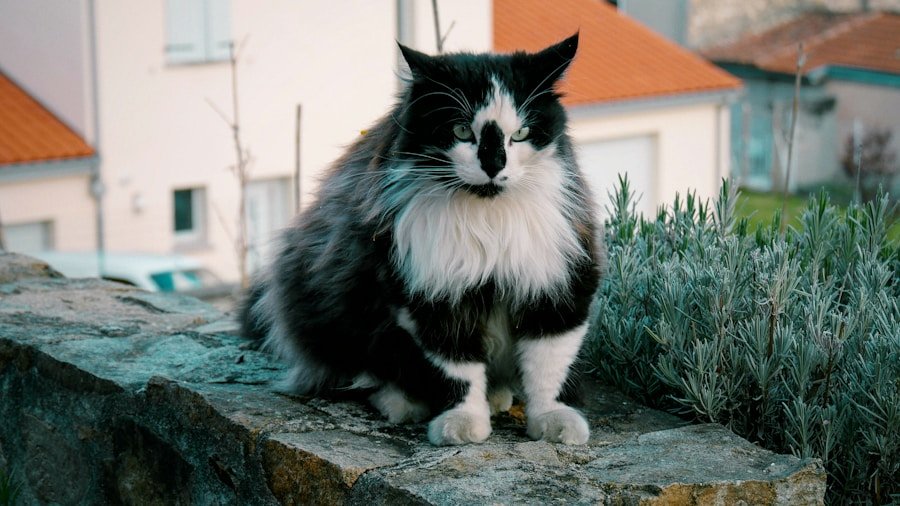
The Norwegian Forest Cat is a large and sturdy breed, characterized by its impressive size and muscular build. Males typically weigh between 12 to 16 pounds, while females are slightly smaller, ranging from 8 to 12 pounds. One of the most distinctive features of this breed is its long, bushy tail, which serves as a warm wrap during cold weather.
Their thick, double-layered coat is designed to protect them from harsh climates, featuring a water-repellent outer layer and a soft undercoat that provides insulation. In terms of appearance, the Norwegian Forest Cat has a triangular-shaped head with prominent cheekbones and a straight profile. Their large, almond-shaped eyes can come in various colors, including green, gold, or copper, adding to their expressive faces.
The breed’s tufted ears are another hallmark feature, often adorned with tufts of fur that enhance their wild appearance. Overall, the Norwegian Forest Cat exudes an aura of elegance and strength, making it a striking addition to any home.
Personality and Temperament
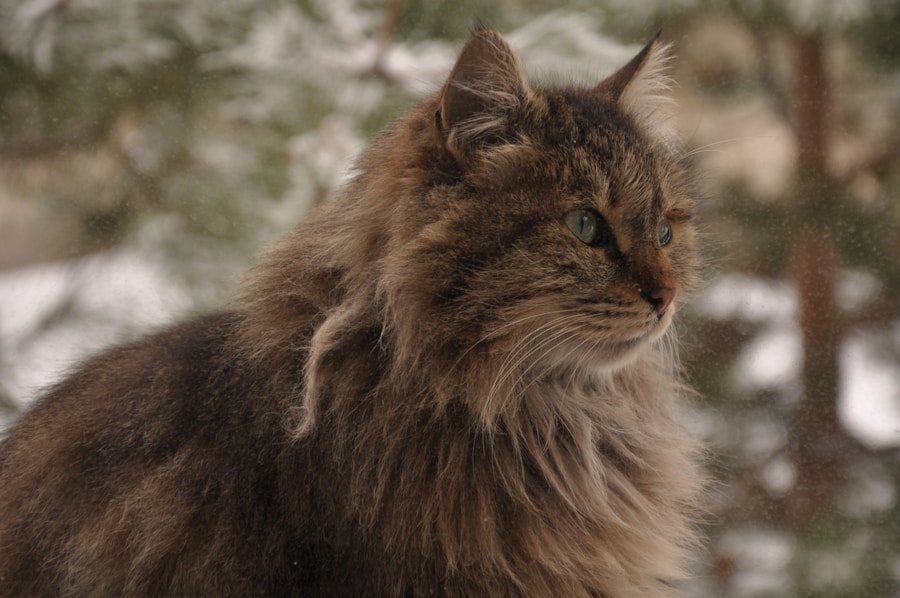
Norwegian Forest Cats are known for their friendly and sociable nature. They are often described as gentle giants, possessing a calm demeanor that makes them excellent companions for families and individuals alike. These cats are typically affectionate but not overly demanding of attention; they enjoy being near their humans without being clingy.
Their playful spirit remains intact well into adulthood, making them engaging pets that love interactive playtime. Despite their friendly disposition, Norwegian Forest Cats are also independent thinkers. They possess a curious nature and enjoy exploring their surroundings.
This breed is known for its intelligence, which can sometimes lead to mischievous behavior if they become bored. Providing mental stimulation through toys and interactive games is essential to keep them happy and engaged. Overall, their balanced temperament makes them adaptable to various living situations, whether in a bustling family home or a quieter single-person household.
For more information on Norwegian Forest Cats, you can visit the Cat Fanciers’ Association website.
Grooming and Care Needs
| Grooming and Care Needs | Frequency |
|---|---|
| Bathing | Once a month |
| Brushing | 2-3 times a week |
| Nail trimming | Every 4-6 weeks |
| Ear cleaning | Once a week |
| Teeth brushing | Every day |
Caring for a Norwegian Forest Cat involves regular grooming due to their thick fur coat. While they are relatively low-shedding compared to other long-haired breeds, their double coat requires consistent brushing to prevent matting and tangles. A good grooming routine should include brushing at least once a week, with more frequent sessions during shedding seasons in spring and fall.
This not only keeps their coat healthy but also provides an opportunity for bonding between cat and owner. In terms of diet, Norwegian Forest Cats thrive on high-quality cat food that meets their nutritional needs. A balanced diet rich in protein is essential for maintaining their muscular build and overall health.
It’s advisable to consult with a veterinarian to determine the best feeding schedule and portion sizes based on the cat’s age, weight, and activity level. Additionally, providing fresh water at all times is crucial for their hydration.
Health and Common Health Issues
Like all breeds, Norwegian Forest Cats can be prone to certain health issues. One of the most common concerns is hypertrophic cardiomyopathy (HCM), a genetic condition that affects the heart muscle and can lead to serious complications if left untreated. Regular veterinary check-ups are essential for early detection of any potential health issues.
Responsible breeders often screen for HCM in their breeding cats to minimize the risk of passing this condition on to their kittens. Another health concern specific to this breed is hip dysplasia, which can lead to arthritis and mobility issues as they age. Maintaining a healthy weight through proper diet and exercise can help mitigate this risk.
Additionally, dental health is important; regular dental check-ups and at-home dental care can prevent periodontal disease, which is common in many cat breeds. Overall, being proactive about health care can help ensure that your Norwegian Forest Cat lives a long and healthy life.
Exercise and Playtime Requirements
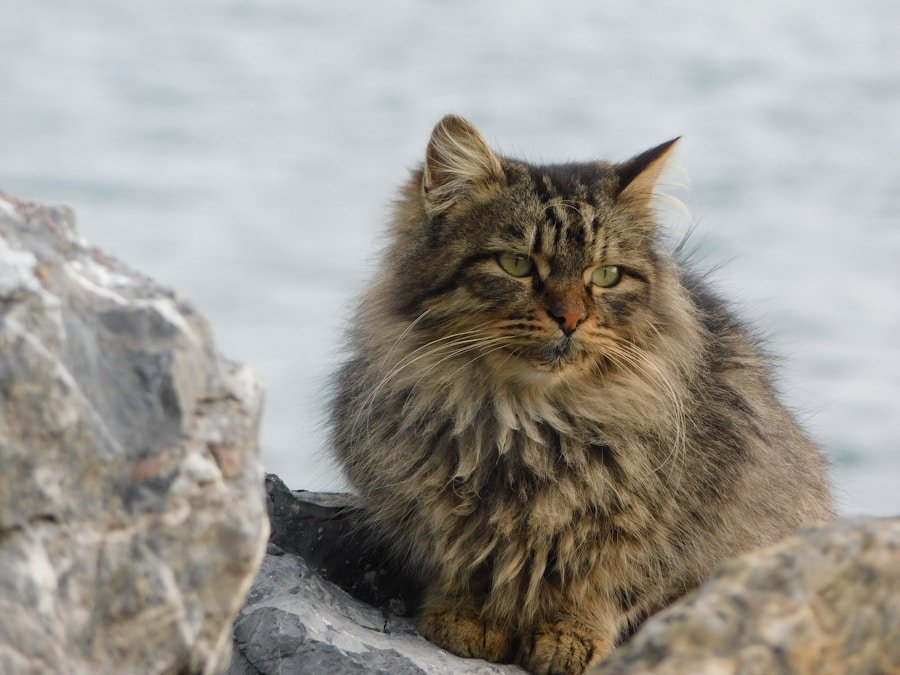
Norwegian Forest Cats are active and playful creatures that require regular exercise to stay healthy and happy. They enjoy climbing, jumping, and exploring their environment, so providing vertical spaces like cat trees or shelves can help satisfy their natural instincts. Interactive toys that encourage hunting behaviors—such as feather wands or laser pointers—are excellent for keeping them engaged both mentally and physically.
In addition to structured playtime with their owners, these cats benefit from having access to safe outdoor spaces where they can explore nature. However, it’s essential to supervise outdoor time or provide a secure enclosure to protect them from potential dangers such as traffic or predators. Regular exercise not only helps maintain their physical health but also contributes to their mental well-being by preventing boredom-related behaviors.
Training and Socialization Tips
Training a Norwegian Forest Cat can be an enjoyable experience due to their intelligence and willingness to learn. Early socialization is crucial; exposing them to various people, pets, and environments during kittenhood helps them develop into well-adjusted adults. Positive reinforcement techniques—such as treats or praise—are effective methods for encouraging desired behaviors.
Basic commands like “sit” or “come” can be taught using clicker training or simple verbal cues paired with rewards. It’s important to keep training sessions short and fun to maintain their interest. Additionally, providing mental stimulation through puzzle toys or interactive feeders can help channel their intelligence in productive ways.
Remember that patience is key; every cat learns at its own pace.
When considering adding a Norwegian Forest Cat to your family, you have two primary options: purchasing from a reputable breeder or adopting from a shelter or rescue organization.
A responsible breeder will provide health clearances for common genetic issues and allow you to meet the kitten’s parents.
On the other hand, adopting from a shelter can be a rewarding experience that gives a cat in need a second chance at life. Many shelters have mixed-breed cats that may exhibit characteristics similar to the Norwegian Forest Cat or even purebred cats looking for loving homes. Regardless of your choice, be sure to consider your lifestyle and ability to meet the needs of this unique breed before making a commitment.
In conclusion, the Norwegian Forest Cat is an enchanting breed with a rich history and captivating personality traits that make it an ideal companion for many households.
Whether you choose to adopt or purchase from a breeder, welcoming a Norwegian Forest Cat into your home is sure to enrich your life in countless ways.
If you’re interested in creating a fun and engaging environment for your Norwegian Forest cat, you may want to check out this article on 8 Free DIY Cat Tree Plans Made for You. Building a cat tree can provide your feline friend with a place to climb, scratch, and play, all while adding a unique touch to your home decor. It’s a great way to keep your cat entertained and happy!
FAQs
What is a Norwegian Forest cat?
Norwegian Forest cats are a breed of domestic cat that originated in Norway. They are known for their large size, thick double-layered coat, tufted ears, and bushy tail.
What is the history of the Norwegian Forest cat?
The Norwegian Forest cat is an ancient breed that has been around for centuries in Norway. They were originally used as mousers on Norwegian farms and were also believed to have been companions to the Vikings.
What is the temperament of a Norwegian Forest cat?
Norwegian Forest cats are known for being friendly, intelligent, and independent. They are also good hunters and climbers, and are generally good with children and other pets.
How do you care for a Norwegian Forest cat?
Caring for a Norwegian Forest cat involves regular grooming to maintain their thick coat, as well as providing them with plenty of space to climb and explore. They also require regular exercise and mental stimulation.
Are Norwegian Forest cats hypoallergenic?
No, Norwegian Forest cats are not considered hypoallergenic. They do shed and produce dander like other cats, so they may not be suitable for individuals with allergies to cats.