
Table of Contents
The Himalayan region, often referred to as the “Roof of the World,” is a majestic expanse that stretches across five countries: India, Nepal, Bhutan, China, and Pakistan. This awe-inspiring mountain range is home to some of the highest peaks on Earth, including Mount Everest, which stands at an astonishing 8,848 meters (29,029 feet) above sea level. The Himalayas are not just a geographical marvel; they are a cultural and ecological treasure trove that has fascinated explorers, scientists, and spiritual seekers for centuries.
The region’s breathtaking landscapes, diverse ecosystems, and rich cultural heritage make it a unique area of study and exploration. The Himalayas have long been a source of inspiration and reverence for many. They are often depicted in ancient texts and folklore as sacred mountains inhabited by gods and spirits.
The region’s significance extends beyond its physical beauty; it plays a crucial role in the lives of millions of people who depend on its resources for their livelihoods. From the snow-capped peaks to the lush valleys, the Himalayas offer a glimpse into the intricate relationship between nature and humanity.
Key Takeaways
- The Himalayan region is home to some of the world’s highest peaks and is a region of great natural beauty and cultural diversity.
- The geographical features of the Himalayas include towering mountains, deep valleys, and a complex river system that supports a unique ecosystem.
- The Himalayan region is home to a diverse range of flora and fauna, including rare and endangered species such as the snow leopard and the Himalayan blue poppy.
- The people of the Himalayan region are incredibly diverse, with a rich tapestry of languages, traditions, and customs that have been shaped by the region’s unique geography and history.
- The Himalayan region holds great spiritual significance for many people, with numerous sacred sites and pilgrimage routes that draw visitors from around the world.
The Geographical Features of the Himalayas
Span and Variations
The range stretches approximately 2,400 kilometers (1,500 miles) and varies in width from 200 to 400 kilometers (125 to 250 miles). It is characterized by towering peaks, deep valleys, and an array of glacial formations.
Divisions and Topography
The region is divided into three main sections: the Greater Himalayas, the Lesser Himalayas, and the Outer Himalayas.
The Greater Himalayas are home to some of the highest peaks in the world, including K2 and Kangchenjunga. These towering giants are often shrouded in snow and ice, creating a stunning contrast with the lush green valleys below. The Lesser Himalayas, on the other hand, feature rolling hills and lower elevations that are rich in biodiversity. The Outer Himalayas consist of foothills and lower ranges that gradually transition into the plains of northern India.
Ecosystems and Landscapes
This varied topography not only creates breathtaking vistas but also supports a wide range of ecosystems that thrive in different climatic conditions.
The Unique Flora and Fauna of the Himalayan Region
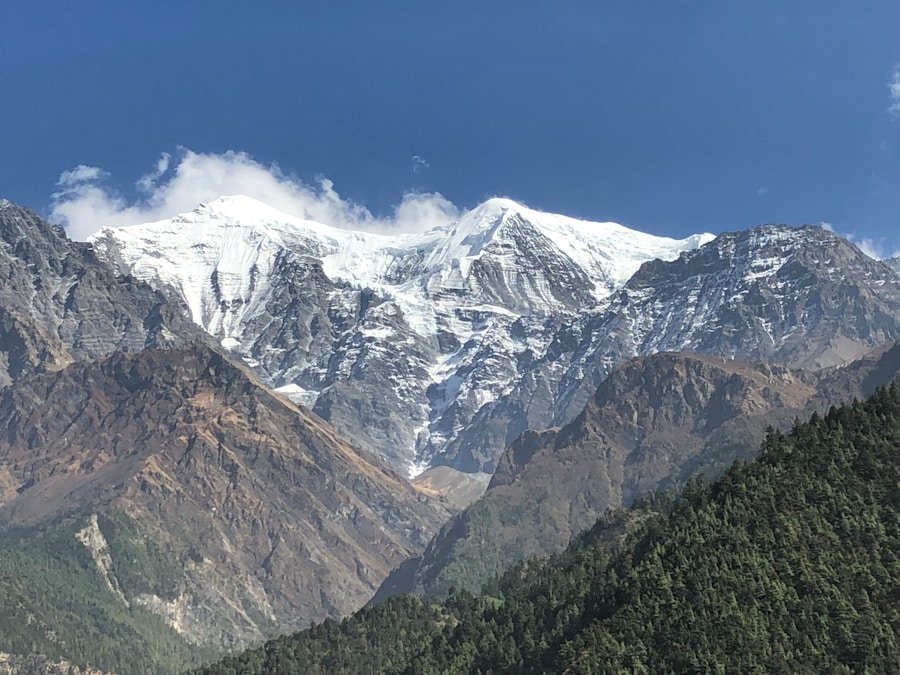
The unique flora and fauna of the Himalayan region are a testament to its ecological diversity. The varying altitudes and climates create distinct habitats that support an incredible array of plant and animal species. From alpine meadows adorned with vibrant wildflowers to dense forests teeming with wildlife, the Himalayas are a biodiversity hotspot.
Over 10,000 species of flowering plants can be found here, along with numerous medicinal herbs that have been used for centuries in traditional medicine. Wildlife in the Himalayas is equally remarkable. The region is home to iconic species such as the snow leopard, red panda, Himalayan tahr, and various species of deer.
Many of these animals are adapted to the harsh conditions of high altitudes, showcasing unique behaviors and physical traits that enable them to thrive in this challenging environment. Additionally, the Himalayas serve as a critical habitat for migratory birds, making it an essential area for avian conservation efforts.
The Cultural Diversity of the Himalayan People
| Country | Population | Languages | Religions |
|---|---|---|---|
| Nepal | 29 million | Nepali, Maithili, Bhojpuri, Tharu, Tamang, Newar, others | Hinduism, Buddhism, Islam, Kirant, Christianity |
| India | 1.3 billion | Hindi, Bengali, Telugu, Marathi, Tamil, Urdu, others | Hinduism, Islam, Christianity, Sikhism, Buddhism, Jainism |
| Bhutan | 800,000 | Dzongkha, Tshangla, Lhotshamkha, others | Buddhism, Hinduism |
| Tibet (China) | 3.5 million | Tibetan, Mandarin, others | Buddhism, Islam, Bon |
The cultural diversity of the Himalayan people is as rich and varied as the landscape itself. The region is inhabited by numerous ethnic groups, each with its own distinct language, traditions, and customs. From the Sherpas of Nepal to the Bhutias of Sikkim, these communities have developed unique ways of life that are deeply intertwined with their environment.
The cultural tapestry of the Himalayas is woven from centuries of history, migration, and interaction among different groups.
Celebrations often revolve around agricultural cycles, religious observances, or seasonal changes.
For instance, Losar, the Tibetan New Year, is celebrated with vibrant festivities that include traditional music, dance, and feasting. Similarly, Dashain in Nepal marks a time for family reunions and honoring deities. These cultural expressions not only strengthen community bonds but also serve as a means of preserving heritage in an ever-changing world.
The Spiritual Significance of the Himalayan Region
The spiritual significance of the Himalayan region cannot be overstated. For centuries, these mountains have been regarded as sacred by various religions, including Hinduism and Buddhism. Many pilgrimage routes lead to revered sites nestled within the mountains, attracting thousands of devotees each year.
The Himalayas are often seen as a bridge between the earthly realm and the divine, with their towering peaks symbolizing spiritual elevation. Monasteries and temples dot the landscape, serving as centers for meditation and spiritual practice. Places like Lhasa in Tibet and Rishikesh in India are renowned for their spiritual significance and attract seekers from around the globe.
The serene environment of the Himalayas provides an ideal backdrop for introspection and self-discovery, making it a favored destination for those on a spiritual journey.
The Challenges of Conservation and Sustainability in the Himalayas
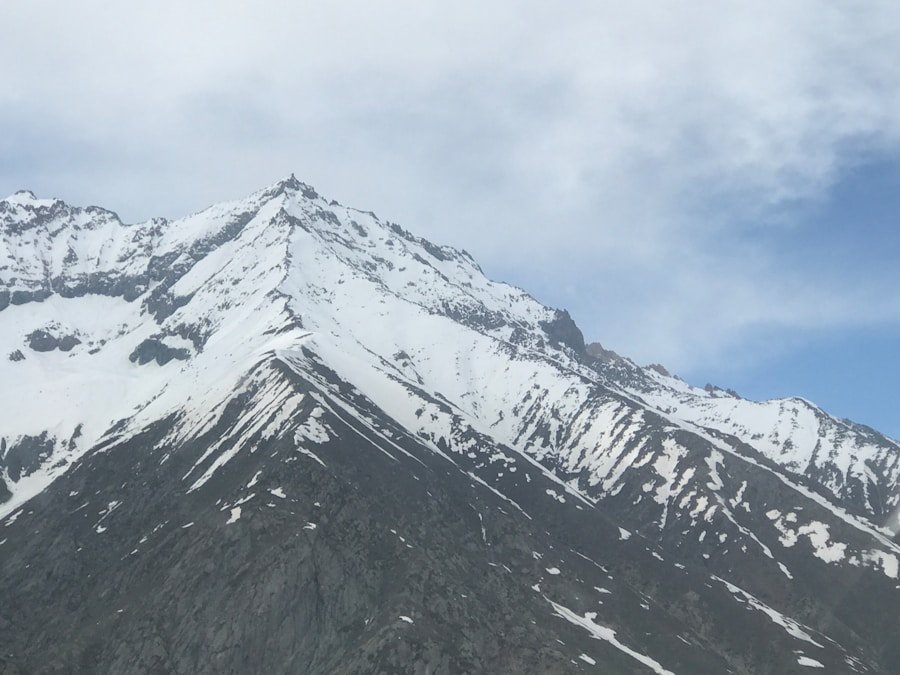
Despite its natural beauty and ecological importance, the Himalayan region faces significant challenges related to conservation and sustainability. Rapid population growth, urbanization, and climate change pose serious threats to its delicate ecosystems. Deforestation for agriculture and infrastructure development has led to habitat loss for many species while also contributing to soil erosion and landslides.
Climate change is particularly concerning for the Himalayas, as rising temperatures affect glacial melt patterns and water availability for millions who depend on these resources for agriculture and drinking water. Additionally, increased tourism can lead to environmental degradation if not managed sustainably. Balancing economic development with conservation efforts is crucial to ensuring that future generations can continue to enjoy this remarkable region.
Adventure and Tourism in the Himalayan Region
Adventure tourism has become increasingly popular in the Himalayan region, attracting thrill-seekers from around the world. Activities such as trekking, mountaineering, river rafting, and paragliding offer visitors an opportunity to experience the breathtaking landscapes firsthand. Iconic trekking routes like the Annapurna Circuit and Everest Base Camp trek draw thousands each year, providing not only adventure but also a chance to immerse oneself in local culture.
However, with this influx of tourists comes responsibility. Sustainable tourism practices are essential to minimize environmental impact while supporting local economies. Initiatives that promote eco-friendly accommodations, responsible trekking practices, and community engagement can help ensure that tourism benefits both visitors and residents alike.
The Future of the Himalayan Region: Opportunities and Threats
The future of the Himalayan region is a complex interplay of opportunities and threats. On one hand, there is immense potential for sustainable development through eco-tourism, renewable energy projects, and conservation initiatives that can provide livelihoods while protecting natural resources. Collaborative efforts among governments, NGOs, and local communities can pave the way for innovative solutions that address both economic needs and environmental concerns.
On the other hand, ongoing challenges such as climate change, resource depletion, and geopolitical tensions pose significant risks to this fragile region. As global temperatures continue to rise, proactive measures must be taken to mitigate impacts on ecosystems and communities alike. The future of the Himalayas will depend on our collective ability to balance development with conservation while fostering resilience against emerging threats.
In conclusion, the Himalayan region stands as a testament to nature’s grandeur and humanity’s rich cultural heritage. Its breathtaking landscapes, diverse ecosystems, and spiritual significance make it a unique area worthy of exploration and preservation. As we look toward the future, it is imperative that we embrace sustainable practices that honor this remarkable region while ensuring its vitality for generations to come.
If you’re interested in learning more about pets and their well-being, you may want to check out this article on top 10 ways to show your cats you love them. It offers great tips on how to strengthen the bond between you and your feline friend. Just like the special connection we have with our pets, the Himalayan breed of cats also have a unique charm and personality that make them beloved companions.
FAQs
What is the Himalayan mountain range?
The Himalayas is a mountain range in Asia, separating the plains of the Indian subcontinent from the Tibetan Plateau. It is home to some of the world’s highest peaks, including Mount Everest and K2.
Where are the Himalayas located?
The Himalayas stretch across five countries: India, Nepal, Bhutan, China, and Pakistan. They cover a distance of about 1,500 miles from west to east.
What is the significance of the Himalayas?
The Himalayas are not only a natural wonder but also hold great cultural, ecological, and geological significance. They are considered sacred in Hinduism and Buddhism and are home to a diverse range of flora and fauna.
What is the climate like in the Himalayas?
The climate in the Himalayas varies from subtropical to alpine, with temperatures and precipitation levels changing with altitude. The region experiences heavy monsoon rains in the summer and cold, snowy winters.
What are some popular activities in the Himalayas?
The Himalayas offer a range of outdoor activities, including trekking, mountaineering, skiing, and wildlife watching. The region is also known for its spiritual and wellness retreats.