Table of Contents
Albino dwarf hamsters are a captivating and charming breed that has gained popularity among pet enthusiasts. Known for their striking appearance and playful nature, these little creatures are a delightful addition to any household. Originating from the same family as other dwarf hamsters, the albino variant is particularly distinguished by its unique coloration, which is a result of a genetic mutation that affects pigmentation.
This breed is not only visually appealing but also offers a wonderful companionship experience for both novice and experienced pet owners. The allure of albino dwarf hamsters lies not just in their looks but also in their engaging personalities. They are small, typically weighing around 1.5 ounces and measuring about 3 to 4 inches in length.
Their gentle demeanor and curious nature make them ideal pets for families, singles, and anyone looking for a furry friend. In this article, we will explore the various aspects of caring for and understanding albino dwarf hamsters, from their characteristics and care needs to their social behavior and common misconceptions. About Pawwise is a website where you can find helpful information about pet care and training.
Key Takeaways
- Albino dwarf hamsters are a popular choice for small pet owners due to their cute appearance and manageable size.
- Albino dwarf hamsters have a distinctive white coat and red eyes, and they are known for their friendly and sociable nature.
- Proper care for albino dwarf hamsters includes providing a suitable habitat, a balanced diet, and regular grooming and exercise.
- Albino dwarf hamsters are social animals and enjoy interacting with their owners, but they may not always get along with other hamsters.
- Regular veterinary check-ups, a clean living environment, and a balanced diet are essential for maintaining the health and wellness of albino dwarf hamsters.
Characteristics and Appearance of Albino Dwarf Hamsters
Physical Characteristics
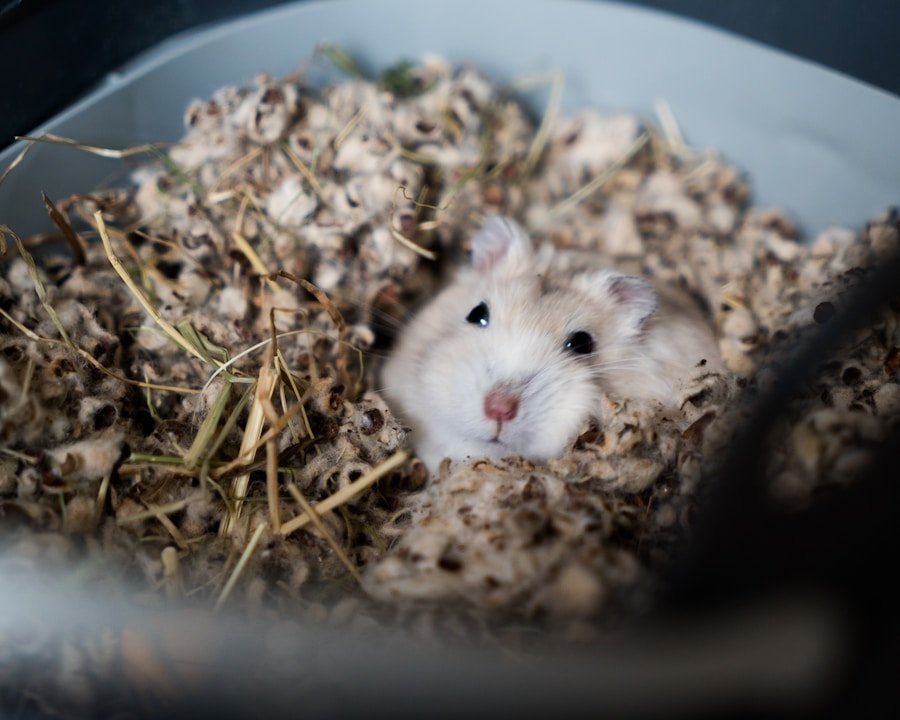
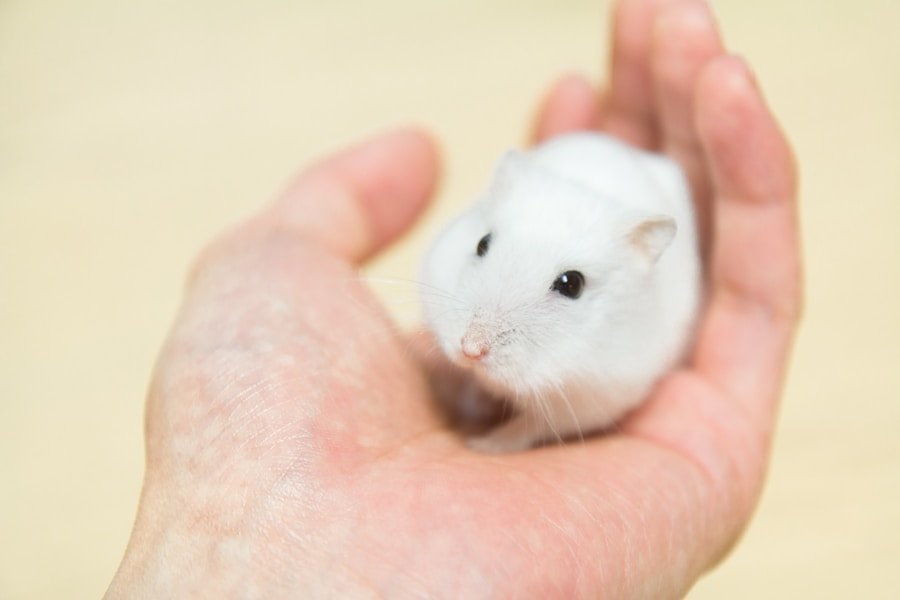
Their distinctive white fur and red or pink eyes, a result of their lack of pigmentation, set them apart from other dwarf hamster breeds, such as the Campbell’s dwarf hamster or the Roborovski dwarf hamster. Their small size and round bodies give them an adorable, cuddly look that many find irresistible.
Grooming and Personality
The soft, fluffy fur of an albino dwarf hamster requires regular grooming to keep it looking its best, but their low-maintenance coat is generally easy to care for. In terms of personality, albino dwarf hamsters are known for being friendly and sociable. They tend to be more docile than some other breeds, making them suitable for handling by children and adults alike.
Behavior and Lifestyle
Their inquisitive nature means they enjoy exploring their surroundings, often burrowing into bedding or running on exercise wheels. These hamsters are nocturnal creatures, which means they are most active during the night, providing entertainment for their owners during evening hours. Overall, their charming appearance and engaging behavior make them a popular choice among pet lovers.
Care and Maintenance of Albino Dwarf Hamsters
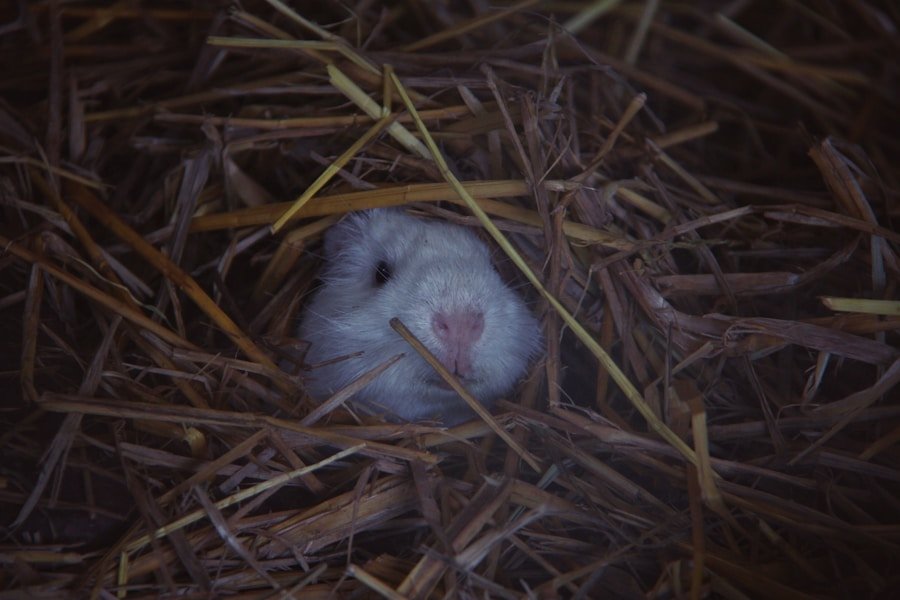
Caring for an albino dwarf hamster involves several key components, including diet, housing, and general health maintenance. A balanced diet is crucial for their well-being; they thrive on a mix of high-quality hamster pellets, fresh fruits, and vegetables. It’s essential to avoid sugary or fatty treats, as these can lead to obesity and other health issues.
Fresh water should always be available, and it’s advisable to change it daily to ensure cleanliness. Housing is another critical aspect of care for albino dwarf hamsters. A spacious cage with proper ventilation is necessary to provide them with a comfortable living environment.
The cage should include bedding material that allows for burrowing, such as aspen shavings or paper-based bedding. Additionally, providing toys and exercise equipment like tunnels and wheels will help keep them active and mentally stimulated. Regular cleaning of the cage is essential to prevent odors and maintain a healthy habitat.
Social Behavior and Interaction with Albino Dwarf Hamsters
| Behavior/Metric | Observation/Measurement |
|---|---|
| Aggression | Albino dwarf hamsters show minimal aggression towards each other when housed together |
| Social grooming | They engage in social grooming by licking and cleaning each other’s fur |
| Play behavior | They exhibit play behavior by chasing each other and rolling around in their habitat |
| Communication | They communicate through squeaks, chirps, and body language to establish social hierarchy |
| Group dynamics | They form close-knit groups and prefer to live in pairs or small groups |
Albino dwarf hamsters are generally social animals that enjoy interaction with their owners. While they can be kept alone or in pairs, it’s important to introduce them carefully to avoid territorial disputes. When handled gently from a young age, they can become quite affectionate and may even enjoy being held or petted.
Their playful nature makes them fun companions, as they often engage in amusing antics while exploring their surroundings. However, it’s essential to respect their boundaries. If an albino dwarf hamster shows signs of stress or discomfort—such as biting or excessive hiding—it’s crucial to give them space.
Building trust takes time; patience is key when developing a bond with these little creatures. Engaging in regular playtime outside of their cage can also enhance your relationship with your hamster while providing them with the exercise they need.
Health and Wellness of Albino Dwarf Hamsters
Maintaining the health and wellness of an albino dwarf hamster involves regular monitoring for common health issues that can arise in this breed. One prevalent concern is obesity, which can occur if they are overfed or lack sufficient exercise. To prevent this, owners should provide a balanced diet and ensure that their hamster has plenty of opportunities for physical activity.
Another health issue to be aware of is dental problems. Hamsters’ teeth continuously grow throughout their lives, so providing chew toys made from safe materials can help keep their teeth trimmed naturally. Additionally, regular check-ups with a veterinarian who specializes in small animals can help catch any potential health issues early on.
Keeping an eye on your hamster’s behavior and physical condition will go a long way in ensuring they remain healthy and happy.
Training and Enrichment for Albino Dwarf Hamsters
Training an albino dwarf hamster can be a rewarding experience for both the pet and the owner. While they may not be as trainable as dogs or cats, these little creatures can learn simple commands and tricks through positive reinforcement techniques. Using treats as rewards can encourage them to perform desired behaviors, such as coming when called or navigating through obstacle courses.
Enrichment is also vital for keeping your albino dwarf hamster mentally stimulated. Providing various toys, tunnels, and climbing structures can help prevent boredom and encourage natural behaviors like digging and exploring. Rotating toys regularly can keep their environment fresh and exciting.
Additionally, creating a safe play area outside of their cage allows them to explore new surroundings while under supervision.
Common Misconceptions about Albino Dwarf Hamsters
Despite their popularity as pets, there are several misconceptions surrounding albino dwarf hamsters that potential owners should be aware of. One common myth is that all dwarf hamsters are aggressive or difficult to handle; however, this is not true for the albino variety. With proper socialization from a young age, they can be friendly and affectionate companions.
Another misconception is that albino dwarf hamsters require extensive care compared to other pets. In reality, they are relatively low-maintenance animals that thrive on simple diets and clean living conditions. While they do need regular interaction and mental stimulation, their care requirements are manageable for most pet owners.
Understanding these misconceptions can help prospective owners make informed decisions about bringing an albino dwarf hamster into their home.
Why Albino Dwarf Hamsters Make the Perfect Pet
In conclusion, albino dwarf hamsters are delightful pets that offer companionship, entertainment, and joy to their owners. Their unique appearance combined with their friendly temperament makes them an excellent choice for families, singles, or anyone looking for a small furry friend. With proper care, socialization, and enrichment activities, these little creatures can thrive in a loving environment.
Whether you’re drawn to their striking looks or their playful personalities, albino dwarf hamsters have much to offer as pets. By understanding their needs and characteristics, you can create a nurturing home that allows your hamster to flourish. If you’re considering adding a pet to your life, an albino dwarf hamster may just be the perfect fit!
If you are interested in learning more about caring for unique and small pets, you may want to check out this article on Mini Rex: The Perfect Small Rabbit Breed. Just like the Albino Dwarf Hamster, Mini Rex rabbits are a popular choice for those looking for a small and adorable pet to care for. This article provides valuable information on how to properly care for and set up a habitat for these cute rabbits.
FAQs
What is an Albino Dwarf Hamster?
An Albino Dwarf Hamster is a small rodent that belongs to the species Phodopus sungorus. They are known for their white fur, red eyes, and small size, making them popular pets.
What are the characteristics of an Albino Dwarf Hamster?
Albino Dwarf Hamsters have a white coat, red eyes, and a small, compact body. They are known for their friendly and social nature, making them great pets for both children and adults.
What do Albino Dwarf Hamsters eat?
Albino Dwarf Hamsters are omnivores and eat a diet that consists of commercial hamster food, fresh fruits and vegetables, and the occasional insect or small amount of cooked meat. It’s important to provide them with a balanced diet to keep them healthy.
How big do Albino Dwarf Hamsters grow?
Albino Dwarf Hamsters are small in size, typically growing to be around 3 to 4 inches in length. They are one of the smallest hamster species, making them easy to care for in terms of space and housing.
What kind of habitat do Albino Dwarf Hamsters need?
Albino Dwarf Hamsters need a spacious cage with plenty of bedding for burrowing, as well as a wheel for exercise. They also require toys and tunnels for mental stimulation, and a water bottle for hydration. It’s important to provide them with a safe and comfortable environment to thrive.