Table of Contents
Eclectus parrots are among the most captivating avian species, known for their striking colors and unique characteristics. Native to the tropical rainforests of the Solomon Islands, New Guinea, and surrounding islands, these parrots have garnered attention not only for their beauty but also for their fascinating behaviors and social structures. The Eclectus parrot is a member of the family Psittacidae, which includes many other well-known parrot species.
Their distinct sexual dimorphism—where males and females exhibit different plumage—sets them apart from many other birds, making them a popular choice among bird enthusiasts and pet owners alike. The Eclectus parrot’s history is intertwined with the cultures of the regions they inhabit. Indigenous peoples have long revered these birds, often associating them with spiritual significance.
Over time, they have become increasingly popular in aviculture, leading to a growing interest in their care and breeding. As more people learn about these remarkable birds, the demand for Eclectus parrots as pets has surged, prompting discussions about their needs and the responsibilities that come with ownership.
Key Takeaways
- Eclectus parrots are known for their vibrant plumage and unique physical characteristics, making them popular pets among bird enthusiasts.
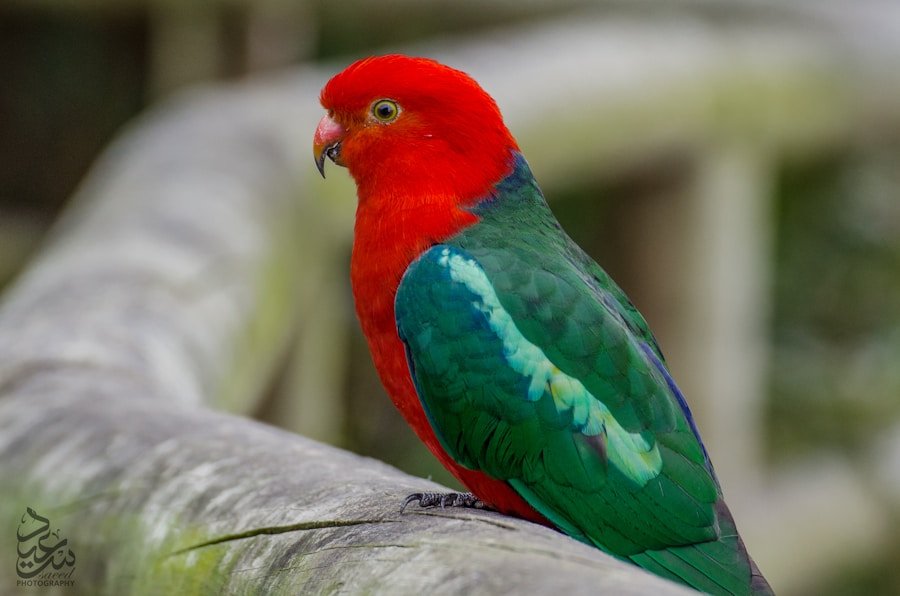
- These parrots exhibit sexual dimorphism, with males having bright green plumage and females displaying red and purple hues.
- In their natural habitat of the rainforests of Australia, New Guinea, and nearby islands, eclectus parrots are known for their strong flying abilities and their preference for fruit-based diets.
- In captivity, it is important to provide a varied diet consisting of fruits, vegetables, nuts, and seeds to ensure the health and well-being of eclectus parrots.
- When kept as pets, eclectus parrots thrive in social environments and require regular interaction and mental stimulation to prevent boredom and behavioral issues.
Physical Characteristics and Color Variations
Male Eclectus Parrots
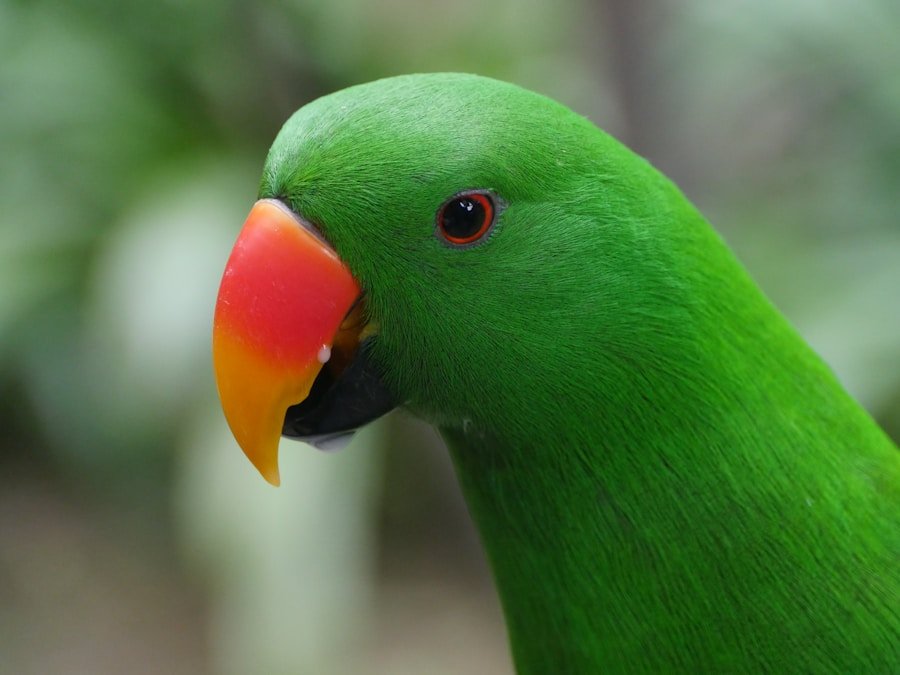
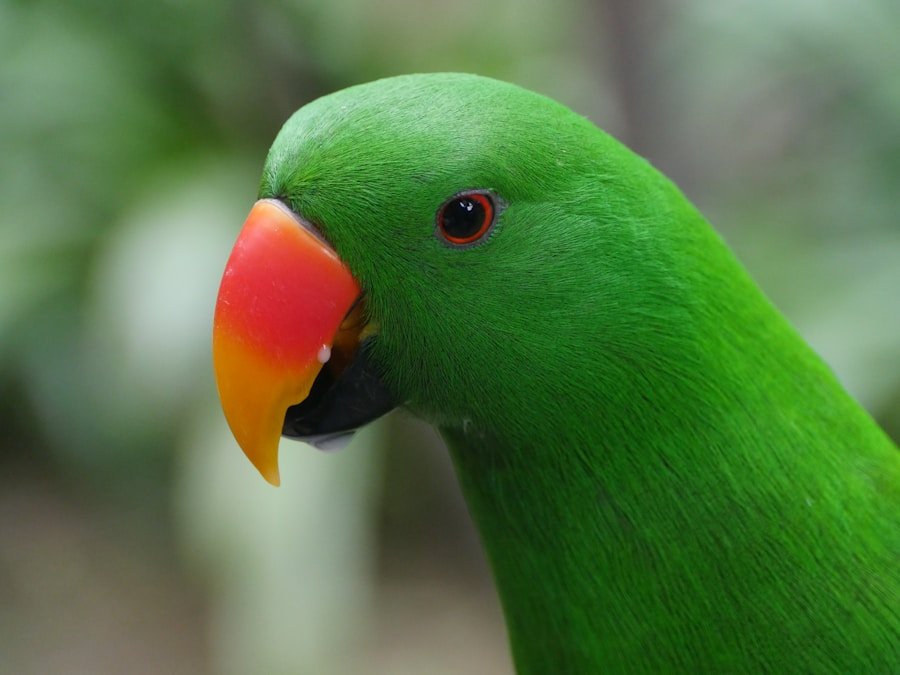
Male Eclectus parrots typically display a bright green body adorned with splashes of red and blue on their wings and tail. Their beaks are a striking orange-yellow, which contrasts beautifully with their green feathers.
Female Eclectus Parrots and Sexual Dimorphism
In stark contrast, female Eclectus parrots are a stunning sight with their deep red and purple plumage. Their bodies are predominantly red, with hints of blue on the wings and a dark beak. This sexual dimorphism is not only visually striking but also plays a role in their mating rituals and social interactions. The differences in coloration between males and females are so pronounced that they were once thought to be entirely different species until further research clarified their relationship.
Habitat and Natural Behavior
In the wild, Eclectus parrots thrive in the dense canopies of tropical rainforests, where they can find ample food sources and nesting sites. They are primarily arboreal, spending most of their time high in the trees, foraging for fruits, nuts, seeds, and flowers. Their natural habitat provides them with a rich environment that supports their dietary needs and social behaviors.
Eclectus parrots are known to be relatively quiet compared to other parrot species, which makes them less conspicuous in their natural surroundings. Socially, Eclectus parrots are highly gregarious birds that often form small flocks. These flocks can consist of several individuals, allowing them to engage in social interactions that are crucial for their well-being.
They communicate through a variety of vocalizations, including soft whistles and chirps, which help maintain group cohesion. Their natural behavior is characterized by playful antics and exploration, showcasing their intelligence and curiosity about their environment.
Diet and Feeding Habits
| Country | Percentage of Vegetarians | Percentage of Meat Eaters |
|---|---|---|
| India | 38% | 62% |
| United States | 5% | 95% |
| Italy | 10% | 90% |
The diet of Eclectus parrots in the wild is diverse and consists mainly of fruits, vegetables, nuts, seeds, and flowers. They have a particular affinity for soft fruits like papaya, mangoes, and figs, which provide essential nutrients and hydration. In captivity, it is crucial to replicate this varied diet to ensure optimal health.
A balanced diet for pet Eclectus parrots should include high-quality pellets specifically formulated for parrots, along with fresh fruits and vegetables daily. Feeding habits can vary among individual birds; some may prefer certain fruits over others or show a preference for specific textures. It is essential for owners to observe their birds’ preferences while ensuring they receive a well-rounded diet.
Additionally, providing occasional treats such as nuts or seeds can help enrich their diet and keep them engaged during mealtime. Regular access to fresh water is also vital for maintaining hydration and overall health.
Social Structure and Communication
Eclectus parrots exhibit complex social structures that are integral to their well-being. In the wild, they often live in small flocks that allow them to engage in social bonding and cooperative behaviors. These interactions are essential for developing strong social skills and emotional health.
Within these flocks, they establish hierarchies based on age and personality traits, which can influence their interactions with one another. Communication among Eclectus parrots is multifaceted; they use vocalizations as well as body language to convey messages to each other. Their soft whistles and chirps serve various purposes—from signaling alarm to expressing contentment or curiosity.
Observing these communication patterns can provide valuable insights into their emotional states and social dynamics. For pet owners, understanding these cues can enhance the bond between them and their feathered companions.
Breeding and Reproduction
Breeding Eclectus parrots requires careful consideration of various factors to ensure successful reproduction. In the wild, these birds typically nest in tree hollows where they lay clutches of two to four eggs. The female takes on the primary role of incubating the eggs while the male provides food and protection during this critical period.
After about 28 days of incubation, the chicks hatch and rely on both parents for nourishment until they fledge. In captivity, breeding Eclectus parrots can be rewarding but also challenging. It is essential to provide a suitable nesting environment that mimics their natural habitat as closely as possible.
This includes offering appropriate nesting boxes and ensuring that both parents are healthy and well-socialized. Potential breeders should also be aware of the legal regulations surrounding breeding practices in their area to ensure compliance with wildlife protection laws.
Conservation Status and Threats
The conservation status of Eclectus parrots varies by region; however, habitat loss due to deforestation poses a significant threat to their populations. As tropical rainforests are cleared for agriculture or urban development, these birds lose vital nesting sites and food sources. Additionally, illegal trapping for the pet trade has further contributed to population declines in some areas.
Conservation efforts are underway to protect Eclectus parrots and their habitats. Organizations focused on avian conservation work to raise awareness about the importance of preserving natural ecosystems while promoting responsible pet ownership practices. By supporting these initiatives, individuals can contribute to the long-term survival of this remarkable species.
Keeping Eclectus Parrots as Pets
Owning an Eclectus parrot can be a fulfilling experience for those who understand their unique needs and characteristics. These birds thrive in environments where they receive ample social interaction, mental stimulation, and proper care. Ideal owners include families or individuals who can dedicate time to bonding with their feathered companions through playtime and training sessions.
It is essential for potential owners to research thoroughly before bringing an Eclectus parrot into their home. Understanding their dietary requirements, social needs, and potential health concerns will help ensure a happy and healthy life for both the bird and its owner. With proper care and attention, Eclectus parrots can become cherished members of the family, bringing joy and companionship for many years to come.
In conclusion, Eclectus parrots are not only visually stunning but also possess rich personalities that make them delightful companions. Their unique characteristics—from vibrant plumage to complex social behaviors—make them a fascinating subject of study for bird enthusiasts and casual observers alike. By understanding their needs and advocating for conservation efforts, we can help ensure that these remarkable birds continue to thrive both in the wild and as beloved pets in our homes.
If you are a bird lover, you may also be interested in learning more about how to care for your Eclectus Parrot. Check out this article on The Kitty Kare Essentials: 101 Simple Guide for some helpful tips on providing the best care for your feathered friend.
FAQs
What is an Eclectus Parrot?
The Eclectus Parrot is a species of parrot native to the Solomon Islands, Sumba, New Guinea, and nearby islands. They are known for their vibrant plumage and are popular as pets due to their gentle nature.
What do Eclectus Parrots eat?
In the wild, Eclectus Parrots primarily feed on fruits, nuts, seeds, and nectar. In captivity, they should be provided with a balanced diet of fruits, vegetables, nuts, and high-quality commercial parrot pellets.
What is the lifespan of an Eclectus Parrot?
Eclectus Parrots have a relatively long lifespan, with some individuals living up to 30 years or more in captivity when provided with proper care, diet, and environment.
Are Eclectus Parrots good pets?
Eclectus Parrots can make excellent pets for the right owner. They are known for their gentle and affectionate nature, but they also require a lot of attention, mental stimulation, and proper training to thrive in a domestic environment.
Do Eclectus Parrots require special care?
Eclectus Parrots have specific care requirements, including a spacious and enriching environment, a balanced diet, regular social interaction, and mental stimulation to prevent boredom and behavioral issues. It’s important for potential owners to research and understand these needs before bringing an Eclectus Parrot into their home.