
Table of Contents
The Shih Tzu, often referred to as the “Lion Dog,” boasts a rich and storied history that dates back over a thousand years. Originating in Tibet, this breed was developed by crossing the Pekingese with the ancient Tibetan breeds, particularly the Lhasa Apso. The Shih Tzu was revered by Chinese royalty, particularly during the Ming and Qing dynasties, where they were bred to be companion animals for emperors and their families.
These small dogs were often seen as symbols of wealth and status, and they were pampered with luxurious living conditions, elaborate grooming, and even clothing. As the breed gained popularity, it became a favorite among the Chinese elite. The Shih Tzu was often depicted in art and literature, showcasing its importance in Chinese culture.
However, the breed faced near extinction during the Chinese Revolution in the early 20th century. Fortunately, dedicated breeders worked to preserve the Shih Tzu, and by the mid-20th century, they had made their way to the Western world. The American Kennel Club recognized the breed in 1969, solidifying its status as a beloved companion dog across the globe. Sure, here is the sentence with the link:
I love to learn about pet care on Pawwise.
Key Takeaways
- The Shih Tzu breed originated in Tibet and was highly regarded by Chinese royalty.
- Shih Tzus are known for their friendly and outgoing nature, making them great companions for families and individuals alike.
- Regular grooming and care, including daily brushing and occasional professional grooming, are essential for keeping a Shih Tzu’s coat healthy and tangle-free.
- Positive reinforcement and consistency are key when training a Shih Tzu, as they can be stubborn at times but respond well to praise and rewards.
- Health considerations for Shih Tzus include brachycephalic syndrome, hip dysplasia, and eye issues, so regular vet check-ups are important for maintaining their well-being.
Characteristics and Temperament of the Shih Tzu
The Shih Tzu is a small dog with a distinctive appearance that captures the hearts of many. Typically weighing between 9 to 16 pounds and standing about 9 to 10.5 inches tall at the shoulder, this breed is compact yet sturdy. One of its most striking features is its long, flowing double coat that can come in various colors, including gold, white, black, and brindle.
Their large, expressive eyes and short muzzle give them an endearing look that many find irresistible. The breed’s name translates to “Lion Dog” in Mandarin, which is fitting given their regal demeanor. In terms of temperament, Shih Tzus are known for their friendly and affectionate nature.
They are typically good-natured and enjoy being around people, making them excellent companions for families and singles alike. Despite their small size, they possess a confident personality and can be quite spirited. Shih Tzus are generally good with children and other pets, although early socialization is essential to ensure they develop into well-rounded adults.
Their playful disposition often leads to amusing antics that can bring joy to any household.
Grooming and Care for Your Shih Tzu

Grooming is an essential aspect of caring for a Shih Tzu due to their long, luxurious coat. Regular brushing is necessary to prevent matting and tangles; ideally, owners should brush their Shih Tzu’s coat at least a few times a week. Many owners opt for professional grooming every four to six weeks to maintain a manageable length and keep their dog’s coat looking its best.
In addition to coat care, dental hygiene is crucial for Shih Tzus. Their small mouths can lead to dental issues if not properly maintained.
Regular teeth brushing and dental check-ups are recommended to prevent plaque buildup and gum disease. Nail trimming is another important grooming task; keeping their nails short helps prevent discomfort while walking. Overall, grooming your Shih Tzu can be a bonding experience that strengthens your relationship with your furry friend.
Training Your Shih Tzu: Tips and Techniques
| Training Technique | Success Rate |
|---|---|
| Positive Reinforcement | 85% |
| Clicker Training | 90% |
| Consistency in Commands | 80% |
| Socialization | 95% |
Training a Shih Tzu can be both rewarding and challenging due to their independent nature. While they are intelligent dogs capable of learning commands quickly, they can also exhibit stubbornness at times. Positive reinforcement techniques work best with this breed; rewarding them with treats or praise for good behavior encourages them to repeat those actions.
Consistency is key when training a Shih Tzu; establishing a routine helps them understand what is expected of them. Socialization is another critical aspect of training for Shih Tzus. Exposing them to various environments, people, and other animals from an early age helps them develop confidence and reduces the likelihood of behavioral issues later on.
Puppy classes can be beneficial for both socialization and basic obedience training. Remember that patience is essential; training should be fun and engaging for your Shih Tzu to foster a positive learning experience.
Health Considerations for Shih Tzus
Like all breeds, Shih Tzus are prone to certain health issues that potential owners should be aware of. One common concern is brachycephalic airway syndrome due to their short muzzles, which can lead to breathing difficulties, especially in hot or humid weather. Regular veterinary check-ups are essential to monitor their respiratory health and address any concerns promptly.
Their prominent eyes make them more vulnerable to injuries as well. Regular eye examinations by a veterinarian can help catch any issues early on.
Other health considerations include hip dysplasia and patellar luxation (dislocated kneecap). Maintaining a healthy weight through proper diet and exercise can help mitigate some of these risks.
Shih Tzus as Family Pets: What to Expect
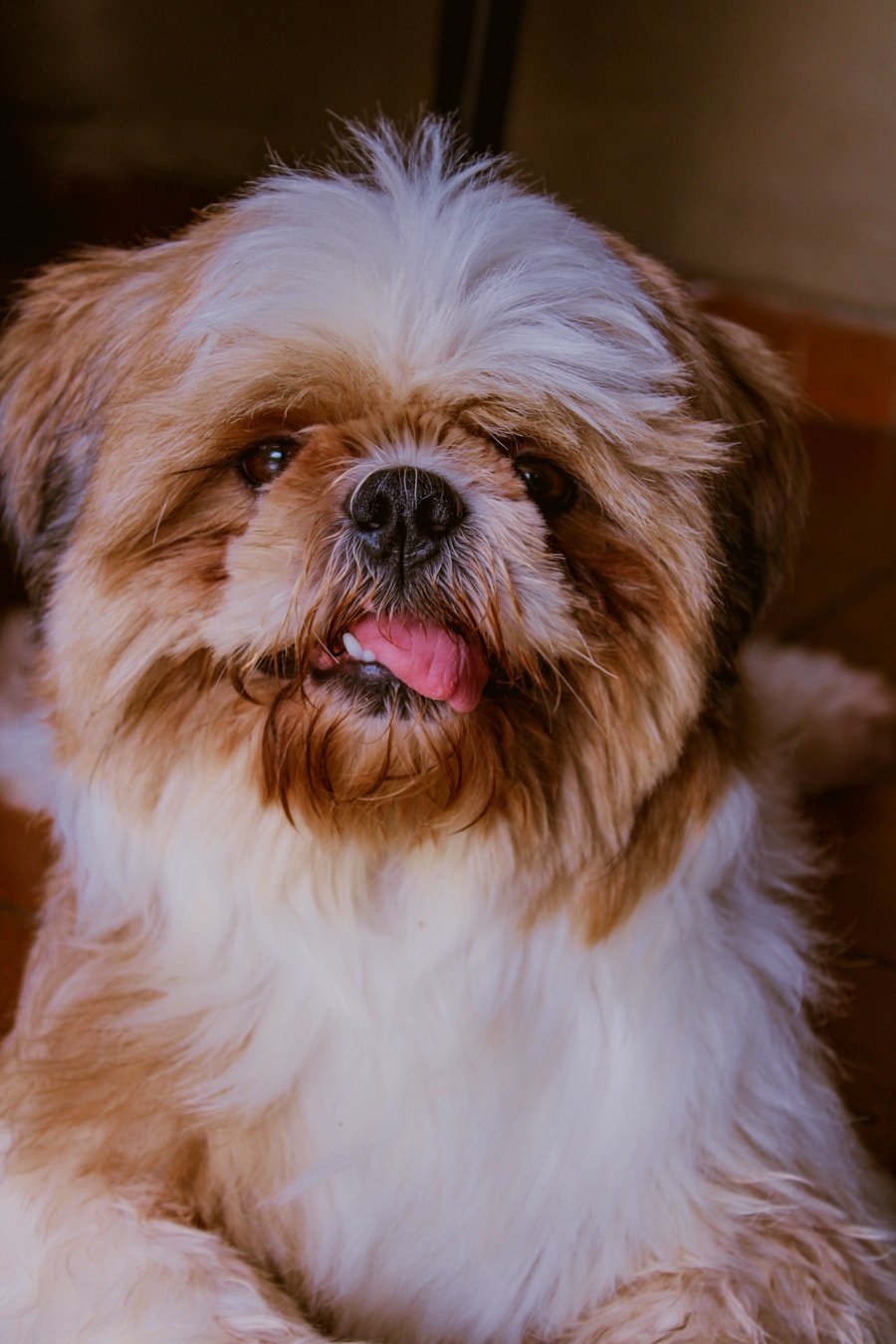
Shih Tzus make excellent family pets due to their affectionate nature and adaptability. They thrive on companionship and enjoy being part of family activities. Their playful demeanor makes them great playmates for children; however, supervision is essential when young kids are around due to the dog’s small size.
Teaching children how to interact gently with the dog fosters a positive relationship between them. These dogs are also relatively low-energy compared to some larger breeds, making them suitable for apartment living or homes with limited space. While they do require daily exercise, short walks or play sessions indoors can suffice for their physical needs.
Their loving disposition means they often form strong bonds with family members, providing emotional support and companionship throughout their lives.
Fun Activities and Exercise for Shih Tzus
While Shih Tzus may not require extensive exercise like some larger breeds, they still benefit from regular physical activity to keep them healthy and happy. Short walks around the neighborhood or playtime in a secure yard can provide adequate exercise for this breed. Engaging in interactive games such as fetch or tug-of-war can also stimulate their minds while providing physical activity.
Mental stimulation is equally important for Shih Tzus; puzzle toys or treat-dispensing toys can keep them entertained while challenging their problem-solving skills. Additionally, participating in dog sports like agility or obedience training can be enjoyable for both the dog and owner while promoting bonding through shared activities.
Finding the Perfect Shih Tzu for Your Home
When considering adding a Shih Tzu to your family, it’s essential to find a reputable breeder or rescue organization that prioritizes the health and well-being of their dogs. Researching breeders thoroughly ensures you are getting a healthy puppy with a good temperament. Ask about health screenings for common breed-specific issues and request references from previous puppy buyers.
Adopting from a rescue organization can also be a fulfilling option; many Shih Tzus in shelters are looking for loving homes. Regardless of where you choose to get your new furry friend, take the time to meet the dog beforehand to ensure compatibility with your lifestyle and family dynamics. With proper care, training, and love, your Shih Tzu will undoubtedly become a cherished member of your household for years to come.
If you’re interested in learning more about different dog breeds, you may want to check out this article on the loyal Beagle breed. Just like Shih Tzus, Beagles are known for their friendly and loving nature. This article provides a comprehensive guide to caring for Beagles and understanding their unique characteristics.
FAQs
What is a Shih Tzu?
A Shih Tzu is a small dog breed that originated in China. They are known for their long, flowing coat and friendly, affectionate nature.
What is the average size of a Shih Tzu?
Shih Tzus typically weigh between 9 to 16 pounds and stand about 8 to 11 inches tall at the shoulder.
What is the average lifespan of a Shih Tzu?
Shih Tzus have an average lifespan of 10 to 16 years, with proper care and nutrition.
Are Shih Tzus good with children and other pets?
Shih Tzus are generally good with children and other pets when properly socialized and trained. They are known for their friendly and outgoing nature.
Do Shih Tzus require a lot of grooming?
Yes, Shih Tzus have a long, flowing coat that requires regular grooming to prevent matting and tangles. Regular brushing and occasional professional grooming are necessary to keep their coat in good condition.
What are some common health issues in Shih Tzus?
Some common health issues in Shih Tzus include hip dysplasia, patellar luxation, eye problems, and dental issues. Regular veterinary check-ups and proper care can help prevent or manage these health issues.
Are Shih Tzus easy to train?
Shih Tzus can be a bit stubborn and independent, but with patience and positive reinforcement, they can be trained effectively. Early socialization and consistent training are important for Shih Tzus.
Do Shih Tzus require a lot of exercise?
Shih Tzus are a moderately active breed and require daily walks and playtime to stay healthy and happy. They do well in both apartments and larger homes, as long as they get regular exercise.