Table of Contents
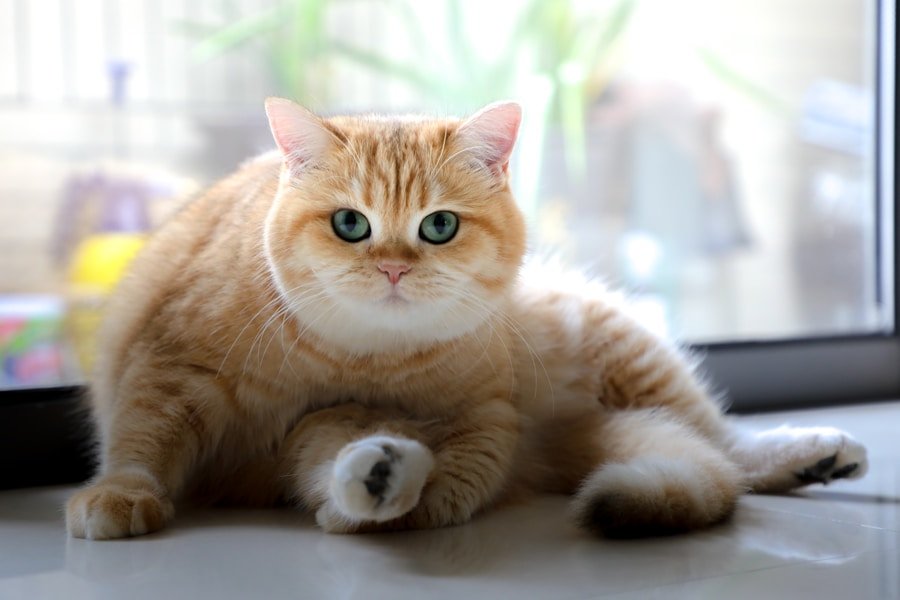
The Exotic Shorthair is a delightful and charming breed that has captured the hearts of cat lovers around the world. Known for its plush coat, round face, and sweet disposition, this breed is often considered a more manageable alternative to the Persian cat, offering the same stunning looks without the extensive grooming requirements. The Exotic Shorthair is a relatively new breed, having been developed in the mid-20th century, and it has quickly gained popularity due to its affectionate nature and adaptability to various living situations.
Originating in the United States, the Exotic Shorthair was created by crossing Persians with American Shorthairs. The goal was to produce a cat that retained the Persian’s distinctive appearance but with a shorter, easier-to-maintain coat. This breed was officially recognized by the Cat Fanciers’ Association (CFA) in 1967, and since then, it has become a favorite among families and individuals alike.
With their playful personalities and striking looks, Exotic Shorthairs have established themselves as one of the most beloved cat breeds in the world.
Key Takeaways
- The Exotic Shorthair breed is a result of crossbreeding between the Persian and American Shorthair, resulting in a unique and lovable feline companion.
- With their round faces, large eyes, and short, dense coat, Exotic Shorthairs are known for their adorable and cuddly appearance.
- Known for their gentle and affectionate nature, Exotic Shorthairs make great companions for families and individuals alike.
- Due to their brachycephalic nature, Exotic Shorthairs may have certain health needs and require regular grooming to maintain their coat.
- While they may not be as active as some other breeds, Exotic Shorthairs still benefit from regular play and interaction, making them a great choice for those seeking a low-maintenance pet.
Physical Characteristics and Coat
Physical Characteristics
This breed boasts a round head with a short, flat face, large expressive eyes, and small, rounded ears that sit wide apart. Their bodies are compact and muscular, giving them a sturdy appearance.
Size and Build
Adult Exotic Shorthairs typically weigh between 8 to 15 pounds, with males generally being larger than females. Their short legs and broad chests contribute to their overall stocky build, making them both adorable and robust.
Coat and Grooming
One of the most appealing features of the Exotic Shorthair is its luxurious coat. The breed’s fur is dense and plush, providing a soft and velvety texture that is irresistible to pet. The coat comes in a variety of colors and patterns, including solid, tabby, bicolor, and more. While their short hair requires less maintenance than that of their long-haired counterparts, regular grooming is still essential to keep their coat healthy and free from mats. A weekly brushing session will help remove loose hair and prevent any tangles from forming.
Personality and Temperament
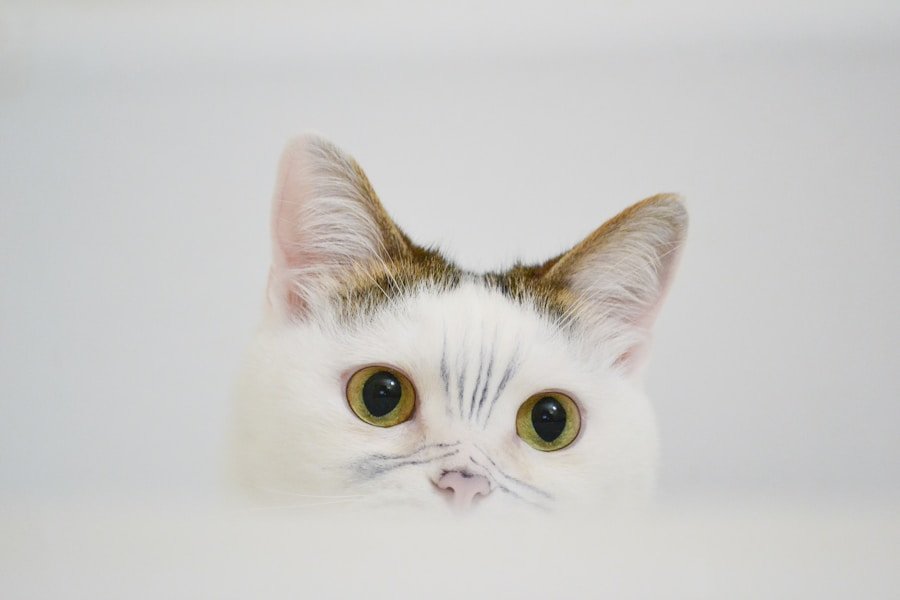
Exotic Shorthairs are known for their gentle and affectionate nature. They are typically calm and laid-back, making them excellent companions for families, singles, and seniors alike. These cats thrive on human interaction and enjoy being part of the family dynamic.
They are often described as “lap cats,” as they love to snuggle up with their owners and bask in their affection. Their friendly demeanor makes them well-suited for households with children or other pets. Despite their relaxed temperament, Exotic Shorthairs are also playful and curious.
They enjoy engaging in interactive playtime with their owners and can often be found chasing after toys or exploring their surroundings. This breed is intelligent and can be easily entertained with puzzle toys or games that challenge their minds. While they may not be as hyperactive as some other breeds, they still require mental stimulation to keep them happy and engaged.
Health and Care Needs
| Category | Metrics |
|---|---|
| Healthcare Access | Percentage of population with access to healthcare facilities |
| Healthcare Expenditure | Government expenditure on healthcare as a percentage of GDP |
| Life Expectancy | Average life expectancy at birth |
| Infant Mortality Rate | Number of infant deaths per 1,000 live births |
| Healthcare Workers | Number of healthcare workers per 1,000 population |
Like all cat breeds, Exotic Shorthairs have specific health needs that potential owners should be aware of.
Owners should monitor their cats for any signs of breathing difficulties or excessive snoring, especially during hot weather or strenuous activity.
Regular veterinary check-ups are essential to ensure that any health concerns are addressed promptly. In terms of diet, Exotic Shorthairs thrive on high-quality cat food that meets their nutritional needs. A balanced diet rich in protein is crucial for maintaining their muscle mass and overall health.
It’s important to avoid overfeeding, as this breed can be prone to obesity due to their relatively low activity levels. Providing fresh water at all times is also essential for keeping them hydrated and healthy.
Exercise and Activity Requirements
While Exotic Shorthairs are not known for being overly active, they still require regular exercise to maintain a healthy weight and prevent boredom. Engaging them in playtime for at least 15-30 minutes each day can help keep them physically fit and mentally stimulated. Interactive toys, such as feather wands or laser pointers, can provide an excellent outlet for their playful nature.
Creating an enriching environment is also important for this breed. Providing scratching posts, climbing trees, and cozy hiding spots can encourage them to explore and engage in natural behaviors. While they may not be as energetic as some other breeds, Exotic Shorthairs enjoy short bursts of play followed by long periods of relaxation—making them perfect companions for those who appreciate a more laid-back lifestyle.
Training and Socialization
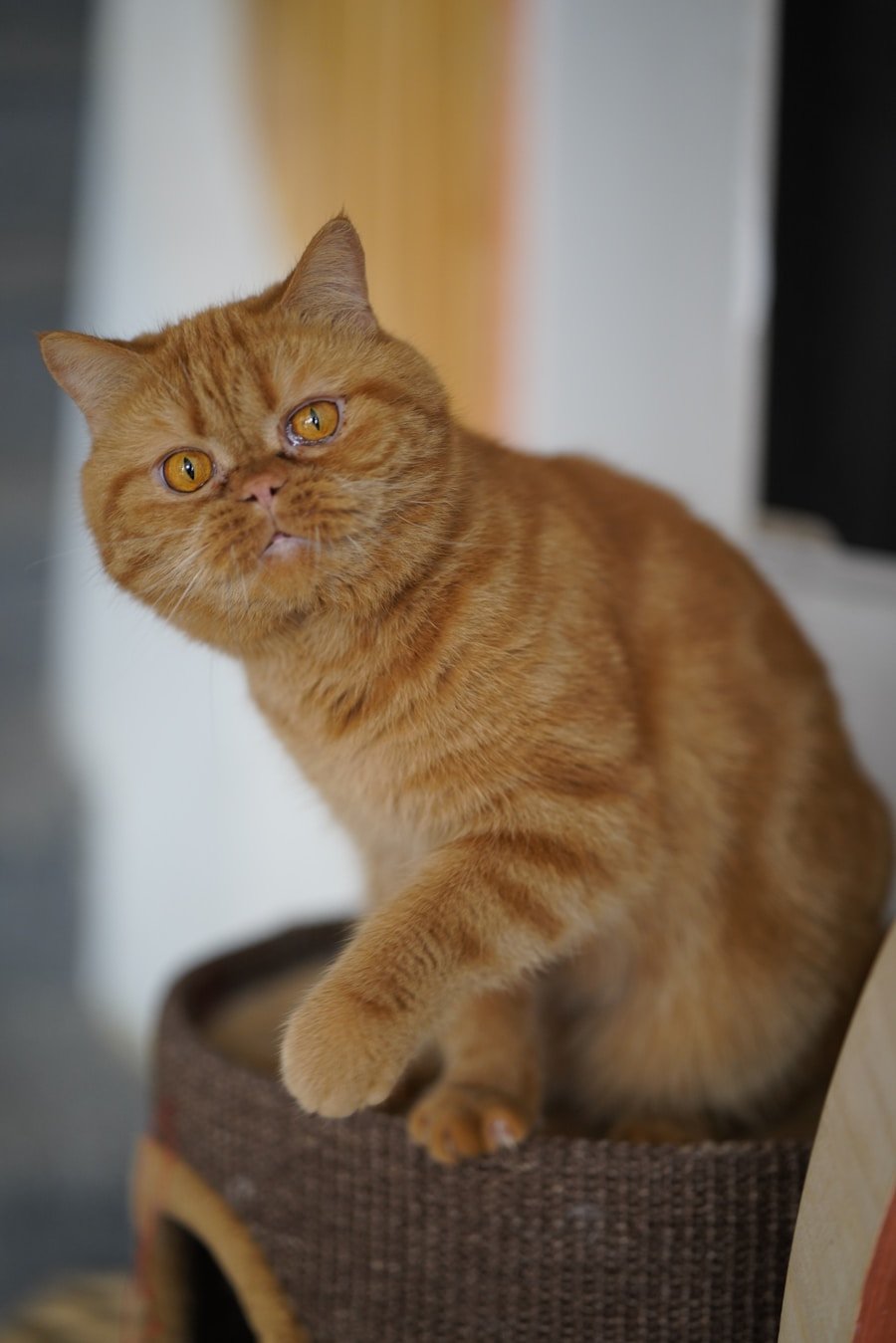
Training an Exotic Shorthair can be a rewarding experience due to their intelligence and eagerness to please. Early socialization is crucial for helping them develop into well-adjusted adults. Exposing them to various people, pets, and environments during their kittenhood can help reduce any potential shyness or fearfulness later in life.
Positive reinforcement techniques work best with this breed; rewarding them with treats or praise for good behavior will encourage them to learn. Basic commands such as “sit” or “come” can be taught through consistent training sessions that are kept short and fun. Exotic Shorthairs are generally receptive to training but may not have the same level of enthusiasm as more active breeds.
Patience is key when working with them; they will respond best when they feel comfortable and secure in their environment.
Finding the Perfect Exotic Shorthair Companion
When considering adding an Exotic Shorthair to your family, it’s essential to find a reputable breeder or rescue organization that prioritizes the health and well-being of their cats.
If adopting from a rescue organization, inquire about the cat’s history and any specific needs they may have.
Before bringing an Exotic Shorthair home, it’s important to prepare your living space for their arrival. Ensure you have all the necessary supplies, including litter boxes, scratching posts, food dishes, and comfortable bedding. Creating a safe environment will help your new feline friend adjust more easily to their new surroundings.
The Exotic Shorthair as a Beloved Feline Companion
In conclusion, the Exotic Shorthair is a wonderful breed that offers both beauty and companionship in equal measure. With their charming personalities, striking appearance, and relatively low-maintenance care needs, they make excellent pets for a variety of households. Whether you’re a busy family looking for a loving companion or a single individual seeking a cuddly friend, the Exotic Shorthair is sure to bring joy into your life.
As with any pet ownership journey, it’s essential to commit to providing the best care possible for your Exotic Shorthair. By understanding their unique needs—ranging from health considerations to socialization—you can ensure that your feline companion thrives in your home. With love, patience, and proper care, an Exotic Shorthair can become a cherished member of your family for many years to come.
If you are a fan of Exotic Shorthair cats, you may also be interested in learning about bird care. Check out this article on why birds pluck their feathers to gain insight into the behavior of our feathered friends. Understanding the needs and behaviors of different animals can help us become better pet owners overall.
FAQs
What is an Exotic Shorthair?
An Exotic Shorthair is a breed of cat that is known for its short, dense coat and round, flat face. It is often referred to as the “lazy man’s Persian” due to its similar appearance to the Persian cat but with a shorter coat.
Where did the Exotic Shorthair originate?
The Exotic Shorthair breed was developed in the 1950s in the United States by crossing Persian cats with American Shorthair cats. This breeding program aimed to create a cat with the Persian’s distinctive look but with a shorter, more manageable coat.
What are the characteristics of an Exotic Shorthair?
Exotic Shorthairs are known for their gentle and affectionate nature. They have a stocky, muscular build and a round, flat face with large, expressive eyes. Their coat is short, dense, and plush, and they come in a variety of colors and patterns.
What is the temperament of an Exotic Shorthair?
Exotic Shorthairs are known for being sweet, laid-back, and easygoing. They are generally good-natured and get along well with children and other pets. They enjoy attention and affection from their human companions but are also content to entertain themselves.
How do I care for an Exotic Shorthair?
Caring for an Exotic Shorthair involves regular grooming to keep their coat free of mats and tangles. They also require regular nail trimming, dental care, and routine veterinary check-ups. Providing them with a balanced diet, plenty of exercise, and mental stimulation is also important for their overall well-being.