Table of Contents
Senegal parrots, scientifically known as Poicephalus senegalus, are charming and vibrant birds that have captured the hearts of avian enthusiasts around the world. Native to the tropical regions of West Africa, these parrots are known for their playful personalities and striking appearance. With their bright green bodies, yellow underparts, and distinctive orange or yellow accents on their wings and forehead, Senegal parrots are not only visually appealing but also possess a delightful array of vocalizations that can bring joy to any household.
These birds have become increasingly popular as pets due to their engaging nature and relatively manageable size.
As we delve deeper into the world of Senegal parrots, we will explore their behavior, socialization needs, training requirements, dietary preferences, housing essentials, health considerations, and much more.
Key Takeaways
- Senegal parrots are small, colorful parrots native to West Africa and are popular as pets due to their playful and affectionate nature.
- Understanding Senegal parrot behavior involves recognizing their vocalizations, body language, and natural instincts, such as foraging and nesting.
- Socialization and bonding with Senegal parrots requires patience, consistency, and positive reinforcement to build trust and a strong relationship.
- Training and enrichment activities, such as teaching tricks and providing stimulating toys, are essential for keeping Senegal parrots mentally and physically engaged.
- A balanced diet for Senegal parrots includes a variety of fresh fruits, vegetables, seeds, and pellets, along with access to clean water.
Understanding Senegal Parrot Behavior
Playful and Mischievous Behavior
This innate curiosity often translates into their behavior as pets; they love to explore their environment and can be quite mischievous if left unsupervised. Owners may find their Senegal parrot getting into things they shouldn’t or playing with toys in creative ways.
Vocal Abilities
In addition to their playful nature, Senegal parrots are also known for their vocal abilities. While they may not be as prolific talkers as some other parrot species, they can mimic sounds and phrases, often developing a unique repertoire that reflects their environment. Their vocalizations can range from soft whistles to loud squawks, making them a lively addition to any home.
Understanding Behavioral Needs
Understanding these behaviors is crucial for potential owners, as it helps set realistic expectations about the level of interaction and engagement these birds require.
Socialization and Bonding with Senegal Parrots
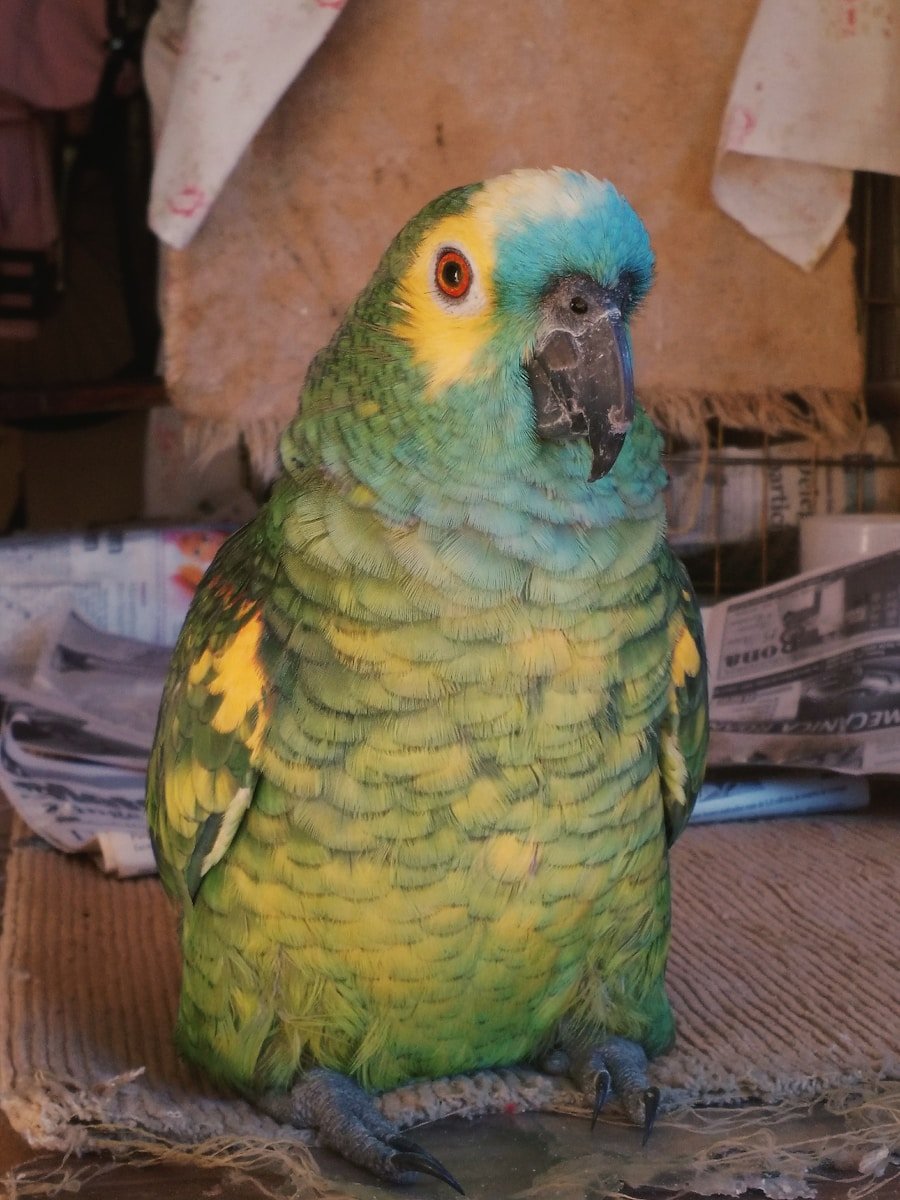
Socialization is a critical aspect of raising a happy and well-adjusted Senegal parrot. These birds thrive on companionship and can become quite attached to their human caregivers. Early socialization is essential; introducing your Senegal parrot to various people, environments, and experiences can help them develop confidence and reduce anxiety in new situations.
Regular interaction with family members will foster a strong bond between the bird and its owners, making it more comfortable in its home environment. Bonding with a Senegal parrot requires patience and consistency. Spending quality time with your bird daily is vital for building trust.
Engaging in activities such as gentle petting, talking softly, or playing interactive games can strengthen this bond. It’s important to remember that each bird has its own personality; some may take longer to warm up than others. By respecting their individual pace and providing a safe space for exploration, owners can cultivate a lasting relationship with their feathered friend.
(Source: The Spruce Pets)
Training and Enrichment for Senegal Parrots
| Training and Enrichment for Senegal Parrots | Metrics |
|---|---|
| Number of training sessions per week | 3 |
| Types of enrichment activities | Foraging toys, puzzle feeders, climbing structures |
| Time spent on training per session | 20 minutes |
| Success rate of learning new tricks | 80% |
Training is an essential component of caring for a Senegal parrot. These intelligent birds benefit greatly from positive reinforcement techniques that encourage desired behaviors. Basic commands such as “step up” or “come here” can be taught using treats or praise as rewards.
Consistency is key; regular training sessions will help reinforce these commands and keep your bird mentally stimulated. Additionally, training can help prevent behavioral issues that may arise from boredom or frustration. Enrichment is equally important for Senegal parrots.
Providing a variety of toys, puzzles, and activities can keep them engaged and prevent destructive behaviors. Rotating toys regularly will maintain their interest and encourage exploration. Activities such as foraging for food or engaging in interactive playtime can also provide mental stimulation.
By incorporating training and enrichment into your Senegal parrot’s daily routine, you’ll not only enhance their quality of life but also strengthen your bond with them.
Diet and Nutrition for Senegal Parrots
A balanced diet is crucial for the health and well-being of Senegal parrots. In the wild, these birds primarily feed on seeds, fruits, nuts, and flowers. As pets, they require a similar diet that includes high-quality pellets specifically formulated for parrots, which provide essential nutrients.
Fresh fruits and vegetables should also be included in their diet; options like apples, carrots, leafy greens, and berries are excellent choices that offer variety and essential vitamins. It’s important to avoid feeding Senegal parrots foods that are toxic to them, such as chocolate, avocado, caffeine, and certain seeds like apple seeds. Fresh water should always be available to keep them hydrated.
Monitoring their diet is essential; overweight birds can face health issues just like humans. Regularly assessing their food intake and adjusting portions accordingly will help maintain a healthy weight and overall well-being.
Housing and Environment for Senegal Parrots
Providing Stimulation Inside the Cage
Providing toys that encourage chewing and exploration will keep them entertained. This will help prevent boredom and stimulate their natural behaviors.
Creating a Safe Space Outside the Cage
Outside of the cage, it’s important to create a safe space where your Senegal parrot can interact with family members while exploring its surroundings. Supervised out-of-cage time allows them to stretch their wings and engage in physical activity.
Ensuring a Hazard-Free Environment
However, it’s crucial to ensure that the environment is free from hazards such as toxic plants or small objects that could be swallowed. By providing a stimulating environment both inside and outside the cage, you’ll contribute significantly to your parrot’s overall happiness.
Health and Wellness of Senegal Parrots
Maintaining the health of your Senegal parrot involves regular veterinary check-ups and being vigilant about any changes in behavior or appearance.
Regular visits to an avian veterinarian will help catch any potential problems early on.
Additionally, keeping an eye on your bird’s weight through proper diet management is essential in preventing obesity-related issues. Another important aspect of health care is ensuring that your Senegal parrot has access to natural sunlight or appropriate UV lighting. This exposure helps with vitamin D synthesis, which is crucial for calcium absorption and overall bone health.
Providing opportunities for exercise through playtime outside the cage is also vital for maintaining physical fitness. By being proactive about your parrot’s health needs, you can ensure a long and happy life for your feathered companion.
Conclusion and Summary of Senegal Parrot Care
In conclusion, caring for a Senegal parrot requires commitment, patience, and an understanding of their unique needs. From their playful behavior to their social nature, these birds thrive on interaction and mental stimulation. Proper training, socialization, diet, housing, and health care are all integral components of ensuring a happy life for your feathered friend.
By investing time in building a strong bond with your Senegal parrot through socialization and training while providing a balanced diet and enriching environment, you’ll create a fulfilling life for both you and your pet. With proper care and attention, Senegal parrots can become cherished members of the family, bringing joy and companionship for many years to come. Whether you’re a seasoned bird owner or considering welcoming one into your home for the first time, understanding the needs of these delightful creatures will pave the way for a rewarding experience together.
If you are interested in learning more about caring for birds, you may want to check out this article on cockatiel care tips for happy and healthy birds. Just like Senegal Parrots, cockatiels require specific care and attention to ensure they are thriving in their environment. This article provides valuable information on how to keep your feathered friend happy and healthy.
FAQs
What is a Senegal Parrot?
A Senegal Parrot is a small to medium-sized parrot species native to West Africa, particularly Senegal, Mali, and Guinea.
What do Senegal Parrots look like?
Senegal Parrots have a predominantly green plumage with a gray head, yellow chest, and V-shaped pattern on their belly. They have a short, square-shaped tail and a horn-colored beak.
What is the average lifespan of a Senegal Parrot?
In captivity, Senegal Parrots can live for 25 to 30 years with proper care and attention to their health and well-being.
What do Senegal Parrots eat?
Senegal Parrots primarily eat a diet of fruits, vegetables, seeds, and pellets. It is important to provide a varied and balanced diet to ensure their nutritional needs are met.
Are Senegal Parrots good pets?
Senegal Parrots are popular as pets due to their playful and affectionate nature. They are known for their ability to mimic sounds and words, making them entertaining companions.
Do Senegal Parrots require special care?
Senegal Parrots require a spacious cage, regular social interaction, mental stimulation, and a balanced diet to thrive in captivity. They also need regular veterinary check-ups to monitor their health.