Table of Contents
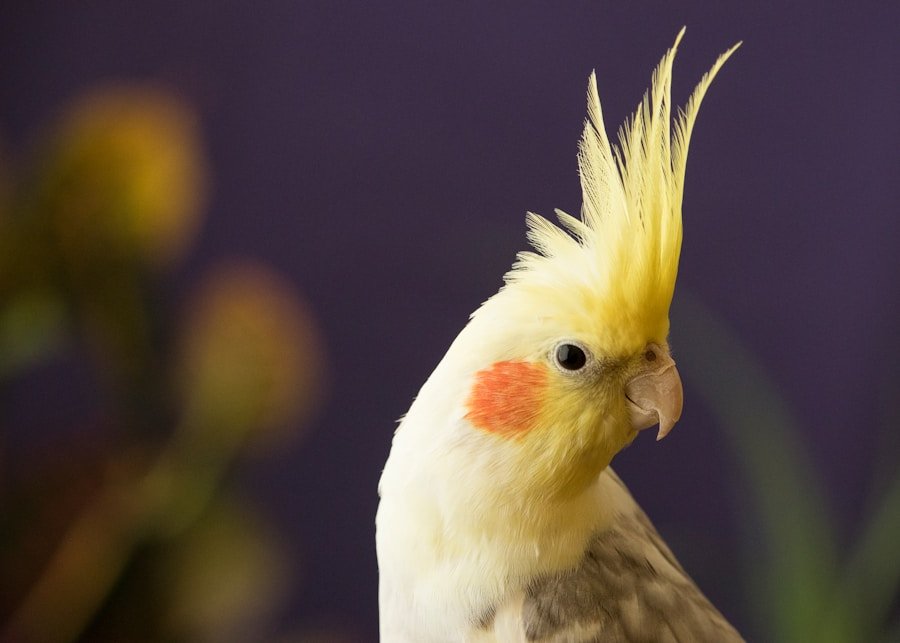
Cockatiels are known for their charming personalities and engaging behaviors, making them one of the most popular pet birds worldwide. Understanding their behavior is crucial for any potential owner, as it helps in building a strong bond and ensuring a happy life for your feathered friend. Cockatiels are social creatures that thrive on interaction, both with their human companions and other birds.
They often express their emotions through vocalizations, body language, and playful antics. For instance, a cockatiel may whistle a tune or mimic sounds to communicate its feelings or to seek attention. Observing these behaviors can provide insights into their mood and needs.
In addition to their vocal expressions, cockatiels exhibit a range of physical behaviors that can be quite entertaining. They enjoy climbing, flapping their wings, and playing with toys, which are essential for their physical and mental stimulation. Cockatiels are also known for their affectionate nature; they often seek out their owners for cuddles and head scratches.
However, it’s important to note that each cockatiel has its unique personality. Some may be more outgoing and playful, while others might be shy and reserved. Understanding these individual traits can help you tailor your approach to meet your cockatiel’s specific needs.
Key Takeaways
- Cockatiels are social birds and require regular interaction and mental stimulation to thrive.
- A healthy diet for cockatiels includes a variety of seeds, pellets, fresh fruits, and vegetables.
- Providing a safe and stimulating environment for your cockatiel includes a spacious cage, perches, and toys for mental and physical exercise.
- Regular grooming and maintenance for cockatiels include nail trimming, wing clipping, and bathing.
- Training and socializing your cockatiel can help build a strong bond and prevent behavioral issues.
Creating a Healthy Diet for Your Cockatiel
A well-balanced diet is fundamental to the health and longevity of your cockatiel. In the wild, these birds primarily feed on seeds, fruits, and vegetables, so replicating this diet at home is essential. A high-quality seed mix designed specifically for cockatiels should form the base of their diet.
However, seeds alone are not sufficient; they can lead to obesity and nutritional deficiencies if fed exclusively.
Leafy greens like kale and spinach, along with fruits such as apples and berries, can provide essential vitamins and minerals.
In addition to fresh produce, consider incorporating pellets into your cockatiel’s diet. Pellets are formulated to provide balanced nutrition and can help prevent selective eating habits that some birds develop when offered only seeds. It’s important to introduce new foods gradually to avoid digestive upset.
Always ensure that fresh water is available at all times, as hydration is vital for your bird’s overall health.
Providing a Safe and Stimulating Environment
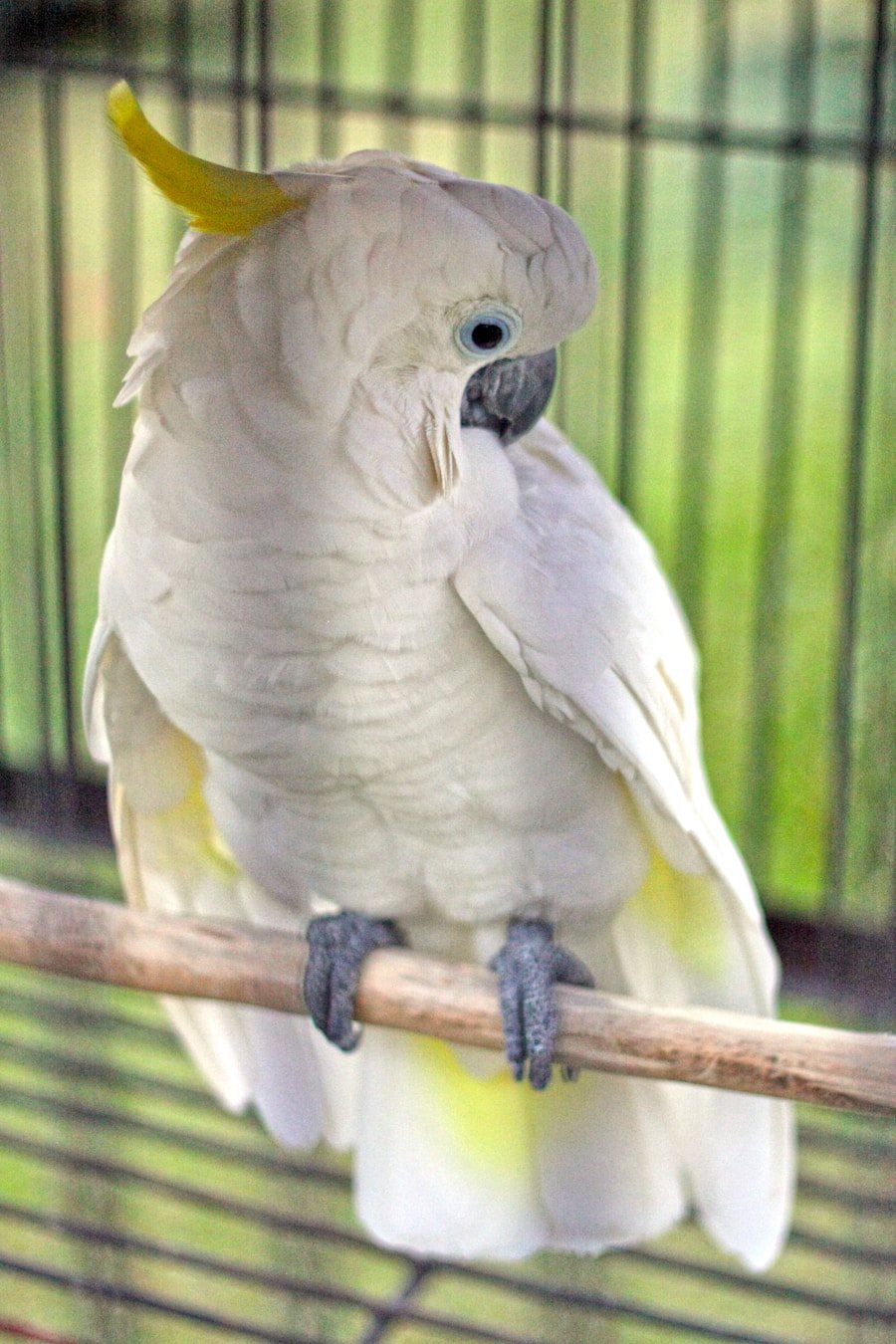
Creating a safe and stimulating environment is essential for the well-being of your cockatiel. These birds are naturally curious and require plenty of space to explore and play. A spacious cage is a must; it should be large enough for your cockatiel to stretch its wings fully and move around comfortably.
The cage should also be equipped with perches of varying sizes and textures to promote foot health. Additionally, including toys that encourage mental stimulation—such as puzzles, swings, and chewable items—can help keep your cockatiel entertained. Safety is another critical aspect of your cockatiel’s environment.
Ensure that the cage is placed in a secure area away from potential hazards like open windows, ceiling fans, or other pets that may pose a threat. Cockatiels are also sensitive to toxic substances; therefore, it’s essential to avoid using non-stick cookware or exposing them to cigarette smoke and strong cleaning chemicals. Regularly inspecting the cage for any wear or damage will help maintain a safe living space for your feathered friend.
Regular Grooming and Maintenance
| Metrics | Values |
|---|---|
| Frequency of grooming | Once a week |
| Time spent on grooming | 30 minutes |
| Number of grooming tools used | 5 |
| Cost of grooming products | 50 per month |
Grooming is an important part of cockatiel care that contributes to their overall health and well-being. Regularly checking your bird’s feathers for any signs of matting or dirt is essential, as clean feathers help maintain proper insulation and waterproofing. Bathing your cockatiel is also beneficial; many birds enjoy a gentle misting with water or a shallow dish of water for splashing around.
This not only keeps their feathers clean but also helps with hydration and skin health. In addition to feather care, nail trimming is an important grooming task that should not be overlooked. Overgrown nails can lead to discomfort or injury, so it’s advisable to check them regularly.
If you’re unsure about how to trim your cockatiel’s nails safely, consult with an avian veterinarian or an experienced bird groomer for guidance. Regular grooming sessions can also serve as bonding time between you and your cockatiel, helping to build trust and familiarity.
Training and Socializing Your Cockatiel
Training and socializing your cockatiel are vital components of responsible pet ownership. Cockatiels are intelligent birds that can learn various tricks and commands through positive reinforcement techniques. Start with simple commands like “step up” or “come here,” using treats as rewards for successful attempts.
Consistency is key; practice these commands regularly in short sessions to keep your bird engaged without overwhelming it. Socialization is equally important for a well-adjusted cockatiel. Exposing your bird to different environments, sounds, and people can help reduce anxiety and fearfulness.
Allowing your cockatiel to interact with family members or friends in a controlled manner can foster confidence and adaptability. Remember that patience is essential during this process; some cockatiels may take longer than others to feel comfortable in new situations.
Recognizing Signs of Illness in Cockatiels
Recognizing Signs of Illness
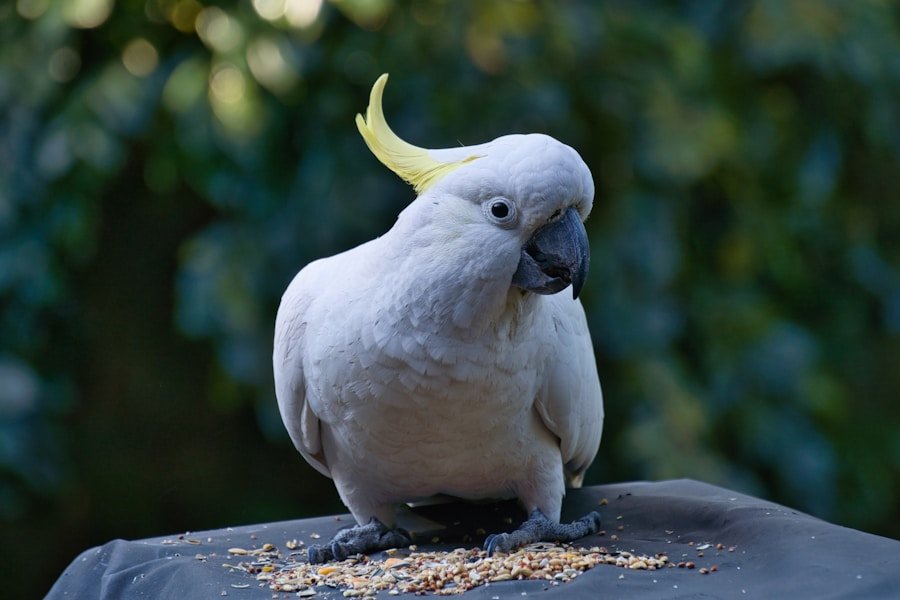
Common signs of illness include changes in appetite, lethargy, fluffed feathers, or unusual vocalizations. If you notice any of these symptoms, it’s important to consult an avian veterinarian promptly.
Monitoring Droppings
Additionally, pay attention to your cockatiel’s droppings; changes in color, consistency, or frequency can indicate health issues. Healthy droppings should be firm with a mix of colors—green from the feces, white from the urates, and clear liquid from the urine.
Regular Check-Ups
Any significant changes in this pattern should not be ignored. Regular check-ups with an avian vet can help monitor your bird’s health and catch any potential issues early on.
Tips for Bonding with Your Cockatiel
Building a strong bond with your cockatiel takes time and patience but is incredibly rewarding. Start by spending time near the cage, talking softly to your bird to help it become accustomed to your presence. Gradually introduce yourself by offering treats through the bars of the cage; this will create positive associations with you as a source of food and comfort.
Once your cockatiel feels comfortable with you nearby, you can begin handling it more directly. Use gentle movements when approaching your bird, allowing it to come to you rather than forcing interaction. Offering toys or engaging in playtime can also strengthen your bond while providing mental stimulation for your cockatiel.
Remember that every bird is different; some may take longer than others to warm up to human interaction.
Common Mistakes to Avoid in Cockatiel Care
While caring for a cockatiel can be a fulfilling experience, there are common mistakes that new owners should be aware of to ensure their bird’s well-being. One frequent error is providing an inadequate diet; relying solely on seeds can lead to nutritional deficiencies over time. It’s essential to offer a varied diet that includes fresh fruits, vegetables, and pellets alongside seeds.
Another common mistake is neglecting socialization needs. Cockatiels are social creatures that thrive on interaction; leaving them alone for extended periods can lead to boredom and behavioral issues such as excessive screaming or feather plucking. Make sure to dedicate time each day for playtime and interaction with your bird.
In conclusion, understanding the needs of your cockatiel—from behavior and diet to grooming and socialization—is key to providing a happy and healthy life for your feathered companion. By avoiding common pitfalls and being proactive in care routines, you can enjoy many joyful moments with your beloved pet bird.
If you’re interested in learning more about caring for exotic pets, you may want to check out this article on what to know about parrots with your kids. Just like Cockatiels, parrots require specific care and attention to thrive in a home environment. This article provides valuable information on how to properly care for parrots and ensure a happy and healthy relationship with your feathered friend.
FAQs
What is a cockatiel?
A cockatiel is a small parrot native to Australia. It is known for its distinctive crest and colorful plumage.
What do cockatiels eat?
Cockatiels primarily eat a diet of seeds, supplemented with fresh fruits and vegetables. They also enjoy the occasional treat of millet spray or small amounts of cooked grains.
How long do cockatiels live?
Cockatiels have an average lifespan of 15-20 years, although some can live into their 30s with proper care.
Are cockatiels good pets?
Cockatiels are popular pets due to their friendly and social nature. They are relatively easy to care for and can be trained to do tricks and mimic sounds.
Do cockatiels need companionship?
Cockatiels are social birds and thrive with companionship. They can be kept alone, but they will require more attention and interaction from their human caretakers.
How do you care for a cockatiel?
Cockatiels require a spacious cage, a balanced diet, regular exercise, and mental stimulation. They also need regular veterinary check-ups and grooming.
Can cockatiels talk?
Cockatiels are known for their ability to mimic sounds and speech. While not as proficient as some other parrot species, many cockatiels can learn to say a few words or whistle tunes.