Table of Contents
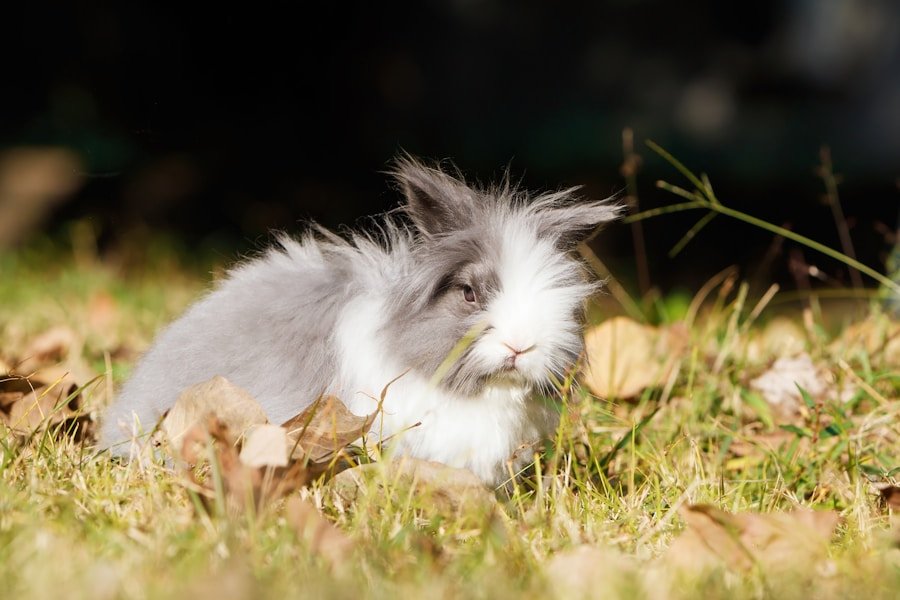
The English Angora rabbit is a breed that captivates the hearts of many with its luxurious, fluffy coat and gentle demeanor.
The English Angora is one of the oldest domesticated rabbit breeds, and its history is intertwined with the evolution of rabbit breeding for fiber production.
Initially, these rabbits were bred for their fur, which was spun into yarn and used in various textiles. Over time, they became popular not only for their wool but also as charming companions. The breed’s unique appearance, characterized by its long, flowing fur and distinctive facial features, makes it a favorite among rabbit enthusiasts.
English Angoras are medium-sized rabbits, typically weighing between 5 to 7.5 pounds. Their fur can come in a variety of colors, including white, black, blue, and agouti patterns. The breed’s large, expressive eyes and tufted ears add to its endearing look.
As a result of their striking appearance and gentle nature, English Angoras have become a popular choice for both pet owners and those interested in fiber arts.
Key Takeaways
- English Angora rabbits are known for their long, soft wool and gentle temperament, making them popular pets and show animals.
- Basic care and housing for English Angora rabbits includes providing a spacious and clean living environment, a balanced diet, and regular grooming to prevent matting and health issues.
- Grooming and maintenance for English Angora rabbits involves daily brushing, occasional trimming, and monitoring for any signs of wool block or other health concerns.
- Health and wellness tips for English Angora rabbits include regular veterinary check-ups, a proper diet, and providing plenty of exercise and mental stimulation.
- Breeding and reproduction of English Angora rabbits requires careful consideration of genetics, proper mating practices, and providing a safe and comfortable environment for the mother and kits.
Basic Care and Housing for English Angora Rabbits
Creating a Safe and Comfortable Living Space
A large rabbit hutch or enclosure is ideal, allowing them enough room to stretch their legs and explore. The enclosure should be well-ventilated and protected from extreme weather conditions. A solid floor covered with bedding material such as hay or straw will help keep them comfortable and provide insulation from cold surfaces.
Providing a Safe Outdoor Space
In addition to a spacious living area, it’s crucial to provide a safe outdoor space for your English Angora to enjoy supervised playtime. A secure run or playpen can be set up in your yard, allowing them to experience the sights and sounds of nature while remaining safe from predators.
Maintaining a Hazard-Free Environment
When setting up their living space, ensure that it is free from hazards such as electrical cords or toxic plants. Regular cleaning of their enclosure is also important to maintain hygiene and prevent any health issues.
Grooming and Maintenance for English Angora Rabbits
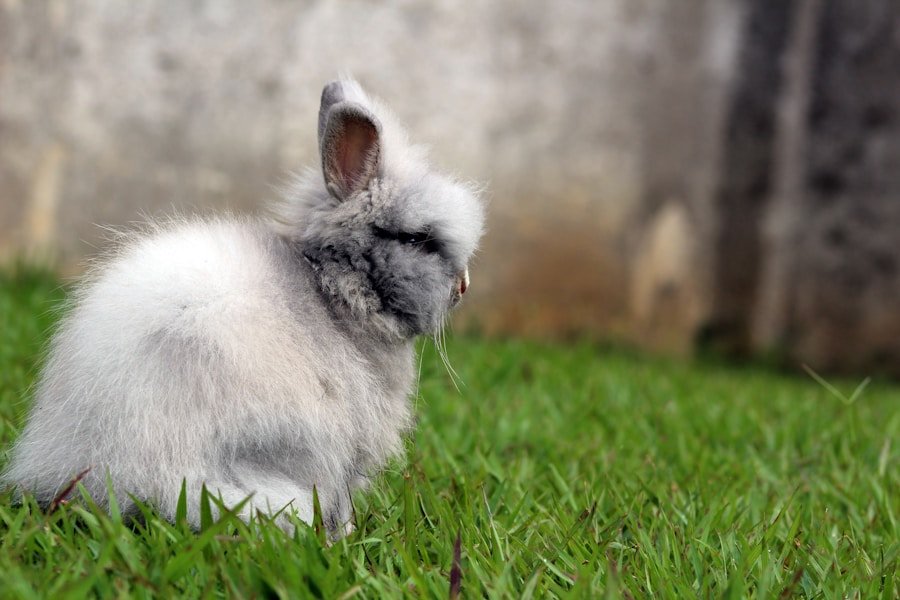
One of the most defining features of the English Angora rabbit is its long, luxurious coat, which requires regular grooming to keep it in top condition. Due to their dense fur, these rabbits are prone to matting and tangles if not groomed frequently. It is recommended to brush your English Angora at least two to three times a week, using a slicker brush or a comb designed for long-haired animals.
This not only helps remove loose fur but also prevents hairballs, which can be a serious health concern for rabbits. In addition to regular brushing, it’s important to check your rabbit’s fur for any signs of dirt or debris that may have become trapped in their coat. Bathing an English Angora is generally not recommended unless absolutely necessary, as it can strip their fur of natural oils and lead to skin issues.
Instead, focus on spot cleaning any dirty areas with a damp cloth. Regular grooming sessions can also be an excellent opportunity for bonding with your rabbit, as they often enjoy the attention and gentle handling.
Health and Wellness Tips for English Angora Rabbits
| Health and Wellness Tips for English Angora Rabbits |
|---|
| 1. Regular grooming is essential to prevent matting and keep the rabbit’s coat in good condition. |
| 2. Provide a balanced diet of hay, fresh vegetables, and a small amount of pellets to ensure proper nutrition. |
| 3. Keep the rabbit’s living area clean and provide plenty of space for exercise to prevent obesity and promote overall health. |
| 4. Monitor the rabbit’s dental health and provide chew toys to prevent dental problems. |
| 5. Schedule regular check-ups with a veterinarian to monitor the rabbit’s health and address any potential issues. |
Maintaining the health and wellness of your English Angora rabbit involves more than just grooming; it encompasses a holistic approach to their diet, exercise, and regular veterinary care. A balanced diet is crucial for their overall health. High-quality hay should form the basis of their diet, supplemented with fresh vegetables and a small amount of pellets specifically formulated for rabbits.
Avoid feeding them iceberg lettuce or other high-water content vegetables that can lead to digestive issues. Regular exercise is also vital for keeping your English Angora healthy. Allowing them time outside of their enclosure to hop around and explore will help keep them physically fit and mentally stimulated.
Additionally, routine veterinary check-ups are essential for monitoring their health and catching any potential issues early on. Vaccinations and parasite control should be part of your rabbit’s healthcare plan to ensure they remain healthy throughout their lives.
Breeding and Reproduction of English Angora Rabbits
Breeding English Angora rabbits can be a rewarding experience but requires careful consideration and preparation. Before embarking on breeding, it’s important to have a thorough understanding of genetics and the specific traits you wish to promote in your offspring. Selecting healthy breeding pairs with desirable characteristics will increase the likelihood of producing high-quality kits.
It’s also essential to ensure that both the male and female rabbits are free from genetic disorders that could be passed on to their young. Once you have selected your breeding pair, it’s important to provide them with a comfortable environment during the mating process. After successful mating, the gestation period for rabbits typically lasts around 30-32 days.
Preparing a nesting area with soft bedding will help the mother feel secure when she gives birth. After the kits are born, they will require special care during their early weeks of life, including monitoring their growth and ensuring they receive adequate nutrition from their mother.
Training and Socialization for English Angora Rabbits
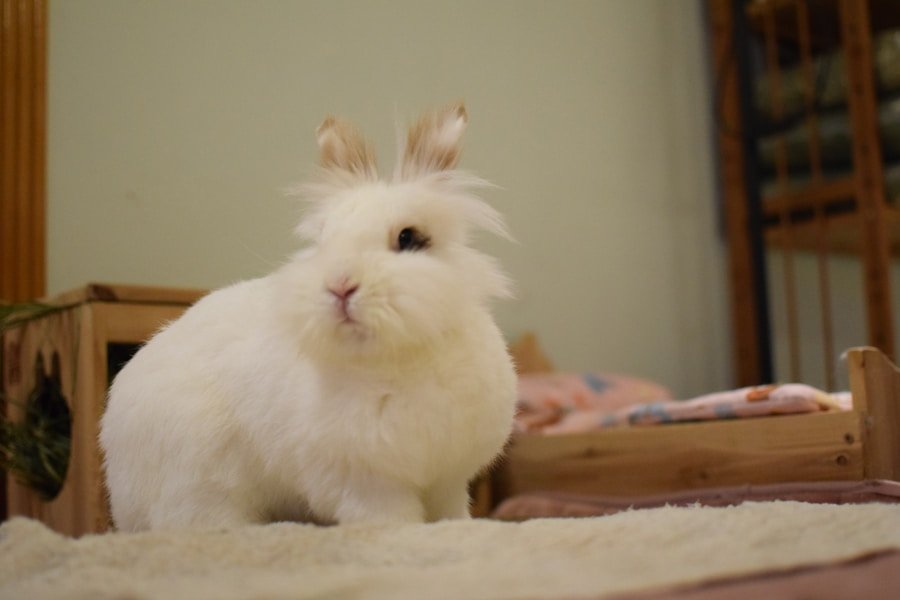
Teaching Basic Commands
Start by teaching basic commands such as “come” or “sit” using treats as rewards. Consistency is crucial; short training sessions are more effective than long ones, as rabbits have shorter attention spans.
Importance of Socialization
Socialization is equally important for English Angoras, as it helps them become comfortable around people and other pets. Introduce your rabbit to different environments gradually, allowing them to explore new sights and sounds at their own pace.
Building a Friendly Temperament
Regular handling will help them become accustomed to human interaction, making them more friendly and approachable over time. Remember that each rabbit has its own personality; some may be more outgoing than others, so be patient as you work on socializing your furry friend.
Showing and Competing with English Angora Rabbits
For those interested in showcasing their English Angora rabbits, participating in shows can be an exciting venture. Rabbit shows provide an opportunity to display your rabbit’s beauty and conformation while connecting with other enthusiasts in the community. Before entering a show, familiarize yourself with the breed standards set by organizations such as the American Rabbit Breeders Association (ARBA).
Understanding what judges look for in terms of coat quality, body type, and overall health will help you prepare your rabbit for competition. Preparing your rabbit for shows involves more than just grooming; it also includes acclimating them to being handled by judges and being in a busy environment filled with other animals. Practice handling your rabbit regularly so they become comfortable being examined by strangers.
Additionally, ensure that your rabbit is healthy and well-fed leading up to the show day. With dedication and preparation, showing your English Angora can be a rewarding experience that highlights the beauty of this remarkable breed.
Conclusion and Resources for English Angora Rabbit Owners
In conclusion, English Angora rabbits are not only stunning creatures but also make wonderful companions when given proper care and attention. Their unique grooming needs, gentle temperament, and potential for socialization make them an excellent choice for both novice and experienced rabbit owners alike. Whether you are considering adding an English Angora to your family or are already a proud owner, understanding their specific needs will help ensure a happy and healthy life together.
For those seeking additional resources on caring for English Angora rabbits, numerous books, online forums, and local rabbit clubs can provide valuable information and support. Engaging with fellow rabbit enthusiasts can enhance your knowledge while fostering a sense of community among those who share your passion for these delightful animals.
If you are considering getting an English Angora rabbit as a pet, you may also be interested in learning how to set up a proper living space for them. This article on how to set up a sugar glider cage provides valuable information on creating a safe and comfortable environment for your small furry friend. Just like English Angoras, sugar gliders require specific care and attention to thrive in captivity. By following the tips in this article, you can ensure that your pet rabbit or sugar glider has a happy and healthy home.
FAQs
What is an English Angora rabbit?
An English Angora rabbit is a breed of domestic rabbit known for its long, soft wool. They are often kept as pets and are also raised for their wool, which is used to make yarn and other textiles.
What does an English Angora rabbit look like?
English Angora rabbits have a compact, rounded body with long, wooly fur that covers their entire body, including their ears. They come in a variety of colors, including white, black, blue, chocolate, and more.
How do you care for an English Angora rabbit?
Caring for an English Angora rabbit involves regular grooming to prevent their wool from matting and to keep them clean and healthy. They also require a balanced diet, regular exercise, and a clean living environment.
What is the temperament of an English Angora rabbit?
English Angora rabbits are known for their gentle and docile nature. They can make great pets for individuals or families, but they do require regular handling and socialization to remain friendly and well-adjusted.
What is the history of the English Angora rabbit?
The English Angora rabbit originated in England and is one of the oldest domestic rabbit breeds. They were first bred for their wool in the 18th century and have since become popular as both pets and fiber animals.