Table of Contents
The Charismatic Conure, often simply referred to as a conure, is a delightful and vibrant bird that has captured the hearts of avian enthusiasts around the world. Known for their playful nature and striking colors, conures are a popular choice for pet owners seeking a lively companion. These birds belong to the family Psittacidae, which includes parrots, and they are native to Central and South America.
With their engaging personalities and ability to form strong bonds with their human caregivers, conures have become a beloved addition to many households. Conures come in various species, each with its unique charm and characteristics. Among the most popular are the Sun Conure, Green-cheeked Conure, and Nanday Conure.
Regardless of the specific type, all conures share a reputation for being social, affectionate, and full of energy.
In this article, we will explore the physical characteristics, behavior, care needs, and more about these charismatic birds to help you determine if a conure is the right pet for you.
Key Takeaways
- The Charismatic Conure is a popular pet bird known for its vibrant personality and playful nature.
- Physical characteristics of the Charismatic Conure include a colorful plumage, a medium-sized body, and a long tail.
- Charismatic Conures are social and affectionate birds that require regular interaction and mental stimulation.
- When housing a Charismatic Conure, it’s important to provide a spacious cage, plenty of toys, and opportunities for exercise.
- A well-balanced diet for a Charismatic Conure includes a mix of pellets, fresh fruits and vegetables, and occasional treats.
Physical Characteristics of the Charismatic Conure
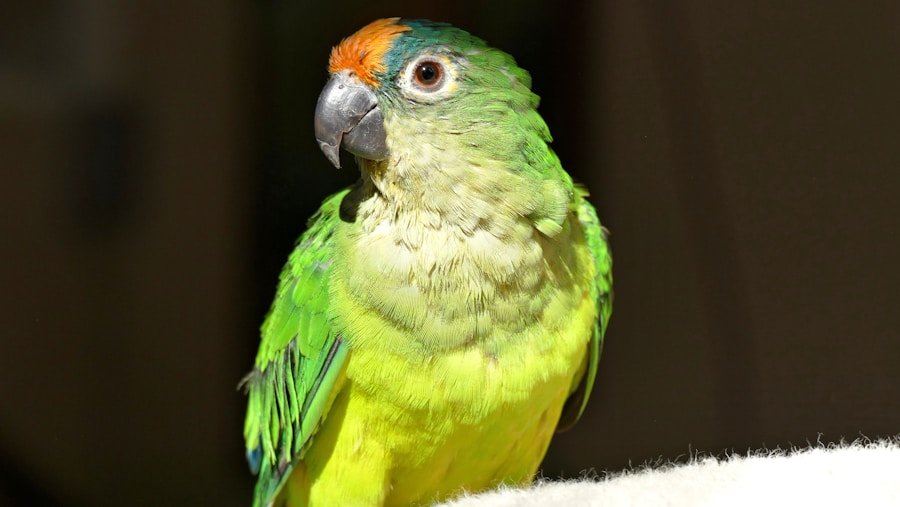
Charismatic Conures are known for their stunning plumage, which varies significantly among different species. For instance, the Sun Conure boasts a brilliant yellow and orange body with splashes of green on its wings and tail, creating a visually striking appearance. In contrast, the Green-cheeked Conure features a more subdued palette of green with hints of blue and maroon, yet it remains equally charming.
Regardless of the species, conures typically have a robust body, a short tail, and a strong, curved beak that is well-suited for cracking seeds and nuts. In terms of size, conures generally range from 10 to 12 inches in length, making them a manageable size for most households. Their vibrant colors and playful demeanor make them stand out in any environment.
Additionally, conures have expressive eyes that reflect their curious nature. Their physical characteristics not only contribute to their beauty but also play a role in their behavior; their strong beaks and agile feet allow them to explore their surroundings with ease.
Behavior and Temperament of the Charismatic Conure
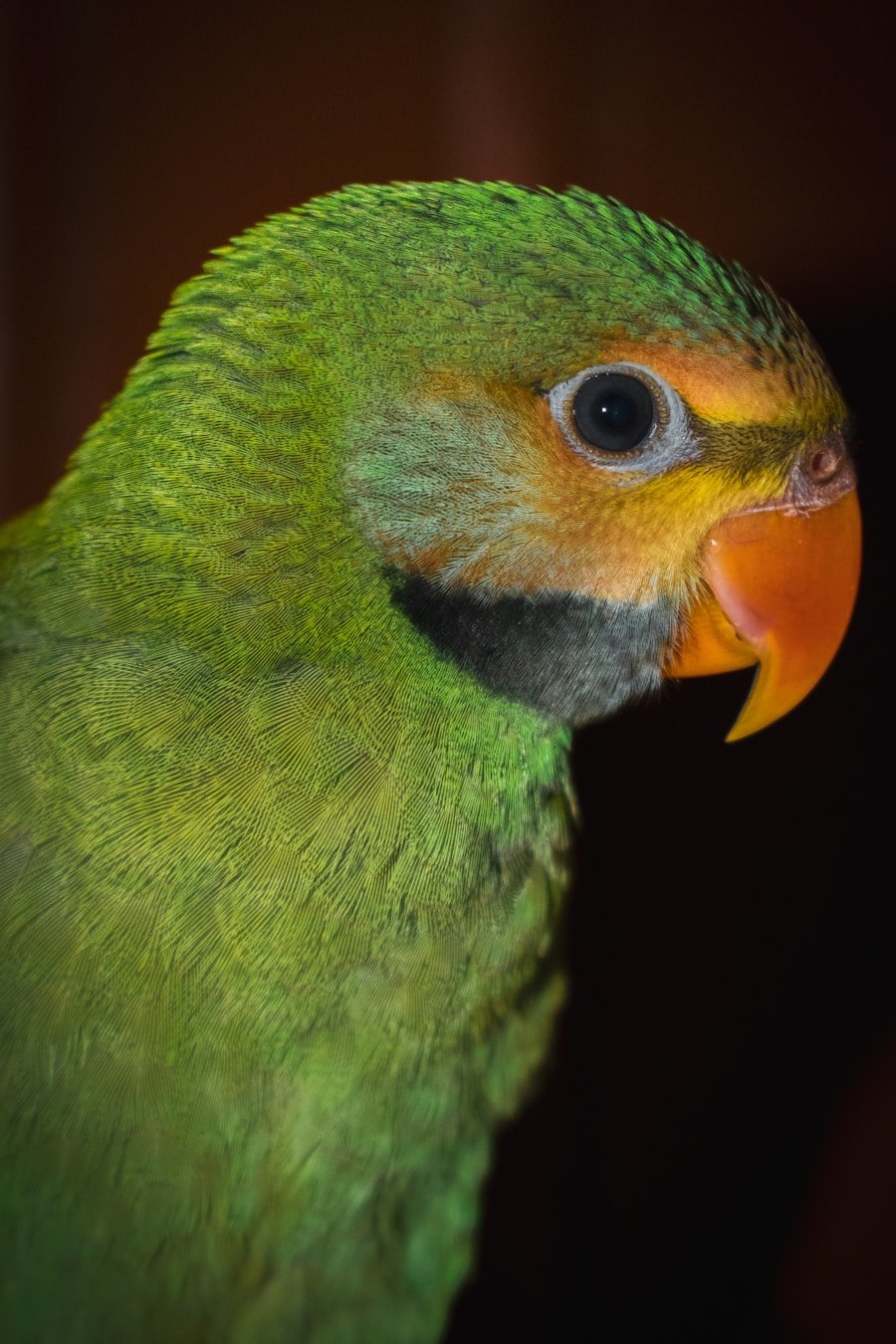
The behavior of Charismatic Conures is one of their most endearing qualities. These birds are known for their playful and inquisitive nature, often engaging in various activities that keep them entertained. They enjoy climbing, swinging, and playing with toys, making them an active addition to any household.
Their playful antics can provide endless entertainment for their owners, as they often display a sense of humor that is both charming and delightful. In terms of temperament, conures are generally affectionate and social birds. They thrive on interaction with their human companions and can become quite attached to their owners.
This bond often leads to them seeking attention and affection, whether through cuddling or vocalizations. However, it is essential to note that conures can also be quite vocal; they are known for their loud calls and chatter, which can be both endearing and challenging depending on your living situation. Overall, their lively personality makes them an excellent choice for those who can provide the time and attention they require.
Housing and Care for the Charismatic Conure
| Aspect | Metrics |
|---|---|
| Minimum Cage Size | 24x24x24 inches |
| Temperature | 70-80°F (21-27°C) |
| Humidity | 40-70% |
| Diet | 50-70% pellets, 20-30% fresh fruits and vegetables, 10% seeds and nuts |
| Exercise | Minimum 2-3 hours outside the cage daily |
| Grooming | Regular nail trimming and wing clipping if necessary |
| Veterinary Care | Annual check-ups and vaccinations as recommended by a avian veterinarian |
Creating a suitable living environment for your Charismatic Conure is crucial for its well-being. A spacious cage is essential, as these birds need room to move around and exercise. The cage should be at least 24 inches wide by 24 inches deep and 36 inches tall to accommodate their active nature.
It is also important to provide various perches at different heights and materials to keep their feet healthy and engaged. Additionally, including toys that encourage mental stimulation is vital; conures love to chew and play, so providing a variety of safe toys will help keep them entertained. When it comes to care, regular cleaning of the cage is necessary to maintain a healthy environment for your conure.
This includes changing the bedding, cleaning food and water dishes daily, and wiping down surfaces to prevent the buildup of bacteria. Furthermore, providing opportunities for out-of-cage time is essential; allowing your conure to explore outside its cage under supervision can promote physical activity and mental stimulation. Regular interaction with your bird will also help strengthen your bond while ensuring it remains happy and healthy.
Diet and Nutrition for the Charismatic Conure
A balanced diet is crucial for the health of your Charismatic Conure. In the wild, these birds primarily feed on seeds, fruits, nuts, and vegetables. To replicate this diet at home, it is essential to provide a high-quality pellet formulated specifically for conures as the base of their diet.
Pellets ensure that your bird receives all the necessary nutrients it needs for optimal health. In addition to pellets, fresh fruits and vegetables should be offered daily as treats or supplements to their diet. Some safe options include apples, carrots, leafy greens, and berries.
However, it is important to avoid feeding your conure avocado or chocolate, as these foods can be toxic to birds. Fresh water should always be available as well; changing it daily helps prevent contamination and ensures your bird stays hydrated.
Training and Socialization of the Charismatic Conure
Positive Reinforcement Techniques
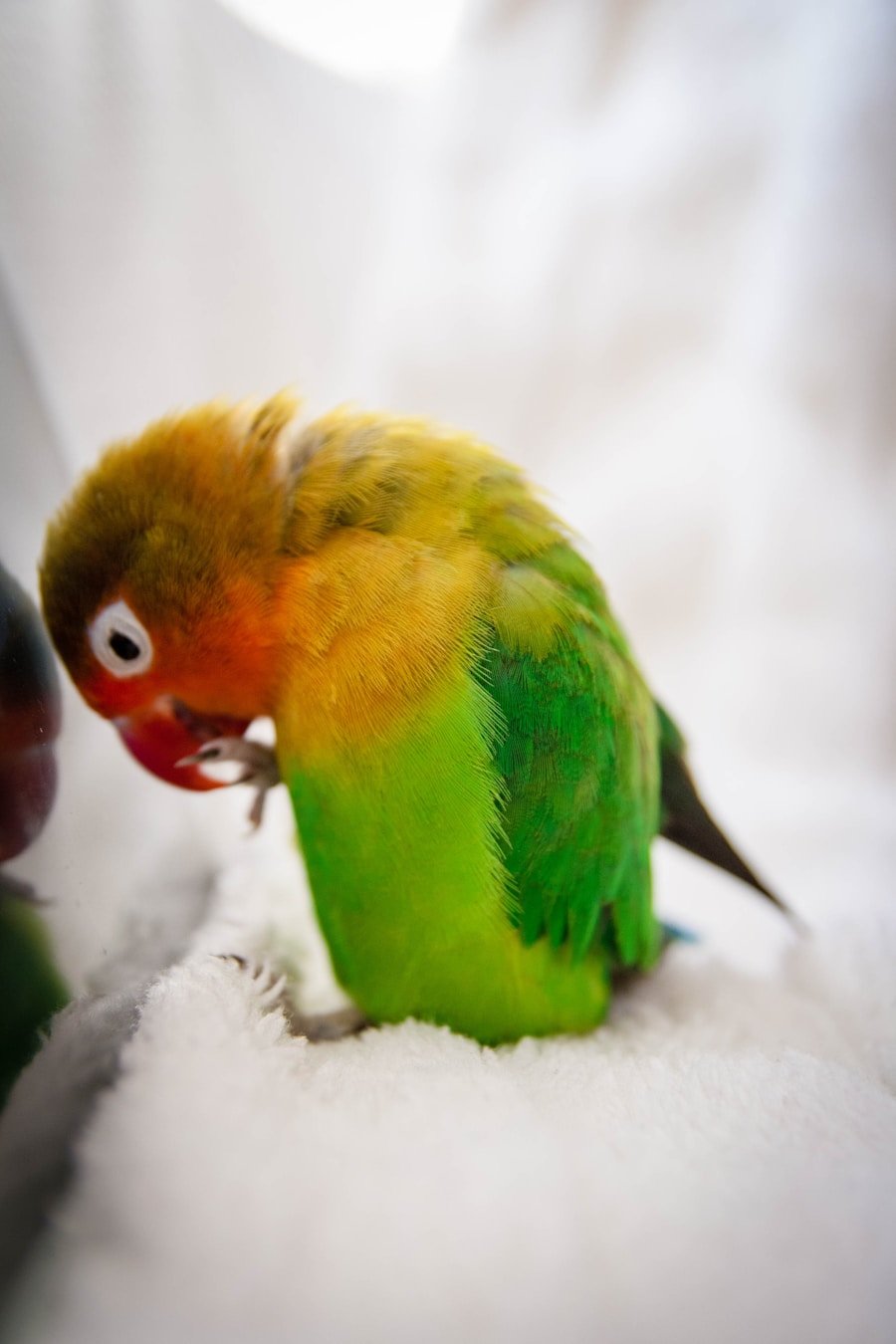
These intelligent creatures are capable of learning various tricks and commands through positive reinforcement techniques such as treats or praise. Starting with simple commands like “step up” or “come here” can help establish trust between you and your bird.
Socialization and Confidence Building
Socialization is equally important for conures; exposing them to different environments, people, and other pets can help them develop confidence and reduce anxiety in new situations. Regular interaction with your bird will also encourage it to become more comfortable with handling and being around people.
Patience and Celebrating Success
Remember that patience is key when training; every bird learns at its own pace, so celebrating small victories along the way will make the process enjoyable for both you and your conure.
Health and Common Issues of the Charismatic Conure
Like all pets, Charismatic Conures can experience health issues throughout their lives. Some common concerns include feather plucking, respiratory infections, and obesity. Feather plucking can occur due to stress or boredom; providing ample stimulation through toys and social interaction can help mitigate this behavior.
Respiratory infections may arise from poor air quality or exposure to drafts; ensuring proper ventilation in your bird’s living space is essential for preventing these issues. Regular veterinary check-ups are crucial for maintaining your conure’s health. An avian veterinarian can provide guidance on vaccinations, diet recommendations, and general care tips tailored specifically for your bird’s needs.
Additionally, being aware of any changes in behavior or appearance can help you catch potential health issues early on; if you notice anything unusual, seeking veterinary advice promptly is always best.
Is the Charismatic Conure the Right Pet for You?
In conclusion, the Charismatic Conure is an enchanting bird that brings joy and companionship to those who choose to welcome one into their home. With their vibrant colors, playful personalities, and affectionate nature, they make excellent pets for families or individuals who can dedicate time to their care and socialization needs. However, potential owners should consider their vocal tendencies and care requirements before making a decision.
If you are ready to provide a loving environment filled with interaction and stimulation, a Charismatic Conure could be the perfect addition to your family. Their engaging behavior will undoubtedly bring laughter into your life while forming a strong bond that lasts for years to come. Ultimately, understanding the responsibilities involved in caring for a conure will ensure that both you and your feathered friend enjoy a fulfilling relationship together.
If you are interested in learning more about how your dog can become your pet bird’s best friend, check out this article on com/your-dog-can-be-your-pet-birds-best-friend/’>The Paw Wise.
Building a strong bond between your dog and your pet bird, such as a Conure, can lead to a harmonious and enriching relationship for both animals.
FAQs
What is a Conure?
A Conure is a type of small to medium-sized parrot that belongs to the Aratinga and Pyrrhura genera. They are known for their vibrant plumage and playful personalities.
What do Conures eat?
Conures primarily eat a diet of seeds, fruits, vegetables, and some commercial parrot pellets. It’s important to provide a varied and balanced diet to ensure their nutritional needs are met.
What are the different types of Conures?
There are many different species of Conures, including the Sun Conure, Green-Cheeked Conure, Blue-Crowned Conure, and many more. Each species has its own unique characteristics and coloration.
How long do Conures live?
With proper care and attention, Conures can live for 20-30 years or even longer. Providing a healthy diet, regular veterinary check-ups, and mental stimulation can contribute to their longevity.
Are Conures good pets?
Conures can make wonderful pets for the right owner. They are known for their playful and affectionate nature, but they also require a lot of attention and socialization. Potential owners should be prepared for the commitment of caring for a Conure for many years.
Do Conures talk?
Some Conures have the ability to mimic human speech, but not all of them will develop this skill. With patience and training, some Conures can learn to say a few words or phrases.