Table of Contents
The American Quarter Horse is a breed steeped in rich history, tracing its roots back to the early colonial days of America. The breed’s origins can be linked to the crossbreeding of native horses with imported breeds, particularly the Thoroughbred, which was brought to America by European settlers. These early horses were prized for their speed and agility, particularly in short-distance races, which is how they earned the name “Quarter Horse,” as they excelled in races of a quarter mile or less.
The breed’s development was significantly influenced by the needs of early American settlers, who required a reliable and versatile horse for work on farms and ranches. As the American frontier expanded, so did the popularity of the Quarter Horse. By the 19th century, these horses were not only used for racing but also became essential companions for cowboys and ranchers.
Their ability to sprint short distances made them ideal for herding cattle and performing various ranch tasks. The American Quarter Horse Association (AQHA) was established in 1940 to preserve the breed’s lineage and promote its qualities, further solidifying its status as one of America’s most beloved horse breeds. Today, the American Quarter Horse is recognized worldwide for its versatility and performance across various equestrian disciplines. Here is the sentence: Learn more about different horse breeds at horse.
Key Takeaways
- The American Quarter Horse originated in the United States in the 17th century, known for its speed and agility in short-distance races.
- American Quarter Horses are highly versatile, excelling in a wide range of equestrian sports such as barrel racing, reining, and cutting.
- Known for their intelligence and agility, American Quarter Horses are well-suited for ranch work and cattle herding, making them valuable assets in the agricultural industry.
- American Quarter Horses have a long history of success in racing and speed events, with many champions dominating the track.
- American Quarter Horses play a significant role in Western riding and rodeo events, showcasing their strength and athleticism in events like roping and steer wrestling.
The Versatility of the American Quarter Horse in Equestrian Sports
One of the most remarkable aspects of the American Quarter Horse is its versatility in equestrian sports. This breed excels in a wide range of disciplines, from Western riding to English events, making it a favorite among riders of all skill levels. In Western riding, Quarter Horses are often seen competing in events such as barrel racing, roping, and cutting, where their quick reflexes and agility shine.
Their natural ability to perform intricate maneuvers makes them well-suited for these fast-paced competitions. In addition to Western disciplines, American Quarter Horses have also made their mark in English riding events. They are frequently seen in hunter-jumper competitions and dressage, showcasing their adaptability and willingness to learn.
This breed’s calm demeanor and intelligence allow them to excel in various training environments, making them a popular choice for both novice and experienced riders. The ability to transition seamlessly between different riding styles is a testament to the breed’s inherent versatility.
The American Quarter Horse’s Adaptability in Ranch Work and Cattle Herding
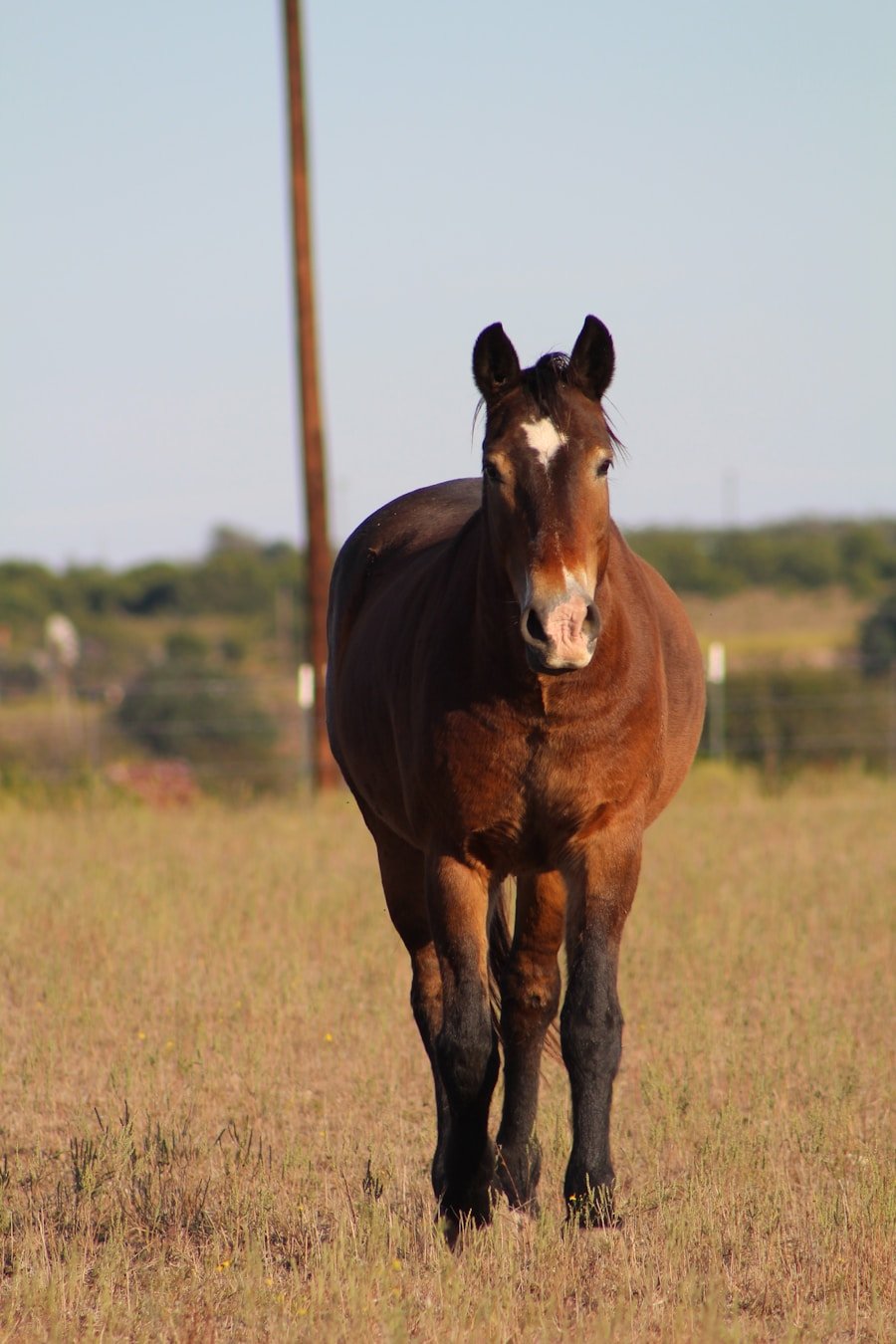
The American Quarter Horse has long been celebrated for its exceptional adaptability in ranch work and cattle herding. These horses possess a unique combination of strength, stamina, and intelligence that makes them invaluable assets on ranches across the United States. Their natural herding instincts allow them to work effectively with cattle, guiding and controlling livestock with ease.
This ability is particularly important in ranching operations where quick decision-making and agility are essential. Moreover, Quarter Horses are known for their strong work ethic and willingness to please their handlers. They can handle long hours of work on the ranch without showing signs of fatigue, making them ideal partners for ranchers who rely on their horses for daily tasks.
Whether it’s rounding up cattle or performing routine chores around the farm, the American Quarter Horse’s adaptability ensures that they remain a staple in ranching communities. Their strong bond with humans further enhances their effectiveness as working partners, as they are eager to learn and respond well to training.
The American Quarter Horse’s Success in Racing and Speed Events
| Year | Number of Races | Number of Wins | Winning Percentage | Fastest Recorded Speed (mph) |
|---|---|---|---|---|
| 2020 | 3,500 | 1,200 | 34.3% | 55.8 |
| 2019 | 3,200 | 1,100 | 34.4% | 56.2 |
| 2018 | 3,100 | 1,050 | 33.9% | 55.5 |
Racing is one of the most celebrated aspects of the American Quarter Horse’s legacy. Known for their incredible speed over short distances, these horses have dominated quarter-mile races since their inception. The breed’s unique muscle structure and powerful hindquarters contribute to their explosive acceleration, allowing them to reach impressive speeds in mere seconds.
This natural talent has made them a favorite among race enthusiasts and has led to the establishment of numerous racing events dedicated solely to Quarter Horses. The success of the American Quarter Horse in racing is not just limited to traditional tracks; they have also excelled in speed events such as barrel racing and pole bending. These competitions require not only speed but also agility and precision, qualities that are inherent in the breed.
The thrill of watching a Quarter Horse navigate a barrel pattern at breakneck speed is a testament to their athleticism and training. As a result, many riders are drawn to this breed for its competitive edge in speed-related events.
The American Quarter Horse’s Role in Western Riding and Rodeo Events
The American Quarter Horse holds a prominent place in Western riding and rodeo events, where its skills are put to the test in various competitions. In rodeos, these horses are often seen participating in events such as calf roping, steer wrestling, and team roping. Their quick reflexes and ability to make sharp turns are crucial for success in these high-stakes situations.
The bond between rider and horse is particularly evident during these events, as trust and communication play vital roles in achieving victory. In addition to rodeo competitions, Quarter Horses are also popular choices for Western pleasure classes, where they showcase their smooth gaits and calm demeanor. Judges evaluate horses based on their performance, including how well they respond to cues from their riders.
The breed’s natural ability to maintain a relaxed posture while performing intricate maneuvers makes them stand out in these events. As a result, many riders choose American Quarter Horses for both competitive purposes and leisurely trail rides, further solidifying their reputation as versatile equine partners.
The Unique Characteristics and Physical Attributes of the American Quarter Horse
Physical Attributes
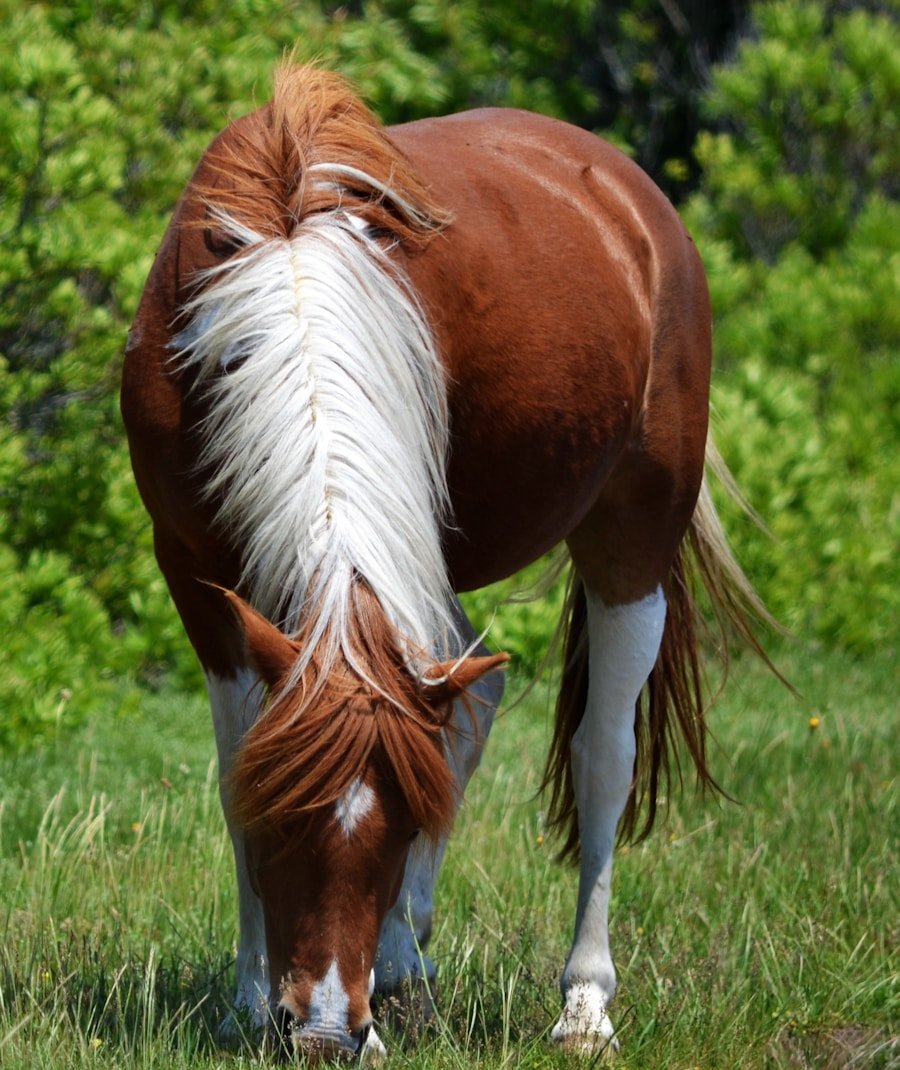
These horses typically have a stocky build with a broad chest, powerful hindquarters, and a short back that contributes to their strength and agility. Their muscular physique allows them to excel in various disciplines while maintaining endurance over long periods.
Head and Coat
Additionally, Quarter Horses often have a well-defined head with large eyes that convey intelligence and alertness. In terms of coat color, American Quarter Horses come in a wide variety of shades, including sorrel, bay, black, palomino, and more. This diversity adds to their appeal among horse enthusiasts who appreciate both beauty and performance.
Grooming and Overall Appeal
Their short hair coat is easy to maintain, making it relatively simple compared to other breeds with longer hair. Overall, the unique characteristics of the American Quarter Horse not only contribute to its performance capabilities but also make it an attractive choice for riders seeking both functionality and aesthetics.
Training and Care Tips for American Quarter Horses
Training an American Quarter Horse requires patience, consistency, and an understanding of the breed’s unique temperament. These horses are known for their intelligence and willingness to learn; however, they can also exhibit stubbornness if not handled correctly. Establishing a strong foundation through groundwork is essential before moving on to riding or advanced training techniques.
Positive reinforcement methods work particularly well with this breed, as they respond favorably to praise and rewards.
Regular exercise is crucial for maintaining their physical health; therefore, incorporating daily riding or turnout time is essential.
Additionally, routine veterinary care—including vaccinations, dental check-ups, and hoof care—should not be overlooked to ensure optimal health throughout their lives.
The Future of the American Quarter Horse in the Equestrian World
As we look toward the future of the American Quarter Horse in the equestrian world, it is clear that this breed will continue to hold a significant place in various disciplines. With ongoing advancements in training techniques and an increasing focus on equine welfare, riders are better equipped than ever to develop strong partnerships with their horses. The versatility of the American Quarter Horse ensures that it will remain relevant across multiple equestrian sports while adapting to new trends within the industry.
Moreover, as more people become interested in horseback riding as a recreational activity or competitive sport, the demand for reliable and versatile horses like the American Quarter Horse will likely grow. Organizations such as the AQHA continue to promote responsible breeding practices and education about horse care, ensuring that future generations will appreciate this remarkable breed’s contributions to equestrian culture. With its rich history and undeniable charm, the American Quarter Horse is poised for a bright future within the equestrian community.
If you’re interested in learning more about the unique characteristics of different dog breeds, you may want to check out this article on the Siberian Husky’s enduring spirit. Just like American Quarter Horses, Siberian Huskies are known for their strength, agility, and loyalty. This article delves into the history and traits of the Siberian Husky breed, shedding light on what makes them such beloved companions.
FAQs
What is an American Quarter Horse?
An American Quarter Horse is a breed of horse that is known for its versatility, speed, and calm temperament. It is one of the most popular breeds in the United States and is often used in western riding disciplines such as cutting, reining, and barrel racing.
What are the physical characteristics of an American Quarter Horse?
American Quarter Horses are known for their muscular build, compact body, and powerful hindquarters. They typically stand between 14 and 16 hands high and come in a variety of colors, including sorrel, bay, and black.
What is the history of the American Quarter Horse?
The American Quarter Horse has a rich history that dates back to the 17th century when it was first brought to the United States by Spanish explorers. The breed’s name comes from its ability to outpace other horse breeds in races that covered a quarter mile or less.
What are the uses of an American Quarter Horse?
American Quarter Horses are used for a wide range of activities, including ranch work, rodeo events, and recreational riding. They are also popular in the show ring and are often used in therapeutic riding programs due to their gentle nature.
What is the temperament of an American Quarter Horse?
American Quarter Horses are known for their gentle and willing temperament. They are often described as being intelligent, calm, and easy to train, making them suitable for riders of all skill levels.