Table of Contents
The Red-Eyed Tree Frog (Agalychnis callidryas) is a vibrant amphibian native to the tropical rainforests of Central America. Its range extends from southern Mexico through to Panama, with populations thriving in humid, lush environments. These frogs are typically found in lowland rainforests, where they inhabit the foliage of trees and shrubs, often residing near water sources such as ponds, streams, and swamps.
The moist conditions of these habitats are crucial for their survival, as they require a humid environment to maintain their skin’s moisture and facilitate their respiratory processes. In addition to their natural habitats, Red-Eyed Tree Frogs have adapted to some degree of human encroachment. They can sometimes be spotted in agricultural areas or gardens that provide sufficient cover and moisture.
However, the destruction of their natural habitats due to deforestation and urbanization poses a significant threat to their populations. Conservation efforts are essential to protect these frogs and their ecosystems, ensuring that they continue to thrive in the wild. Sure, here is the sentence with the link: The Red-Eyed Tree Frog is renowned for its striking appearance, which makes it one of the most recognizable amphibians in the world. Adult frogs typically measure between 2 to 4 inches in length, with males being slightly smaller than females. Their most distinctive feature is their large, bulging red eyes, which are surrounded by a vibrant green body adorned with blue and yellow stripes along their sides. This colorful display serves not only as a means of attracting mates but also as a form of camouflage against predators when they are resting among the leaves. In addition to their eye-catching coloration, Red-Eyed Tree Frogs possess long, slender limbs equipped with adhesive pads on their toes. These adaptations allow them to climb effortlessly among the branches of trees and navigate their arboreal habitats with ease. Their skin is smooth and moist, which is essential for respiration, as frogs absorb oxygen through their skin. The combination of their vivid colors and unique physical traits makes them a favorite among nature enthusiasts and photographers alike. This diet not only provides them with the necessary nutrients for growth and reproduction but also plays a vital role in controlling insect populations within their ecosystems. Behaviorally, Red-Eyed Tree Frogs are nocturnal creatures, becoming active at night when they venture out to hunt for food. During the day, they often remain hidden among the foliage, using their vibrant colors as camouflage against predators. When threatened, these frogs can exhibit a fascinating defensive behavior known as “startle display.” They will suddenly reveal their bright colors and bulging eyes, which can momentarily confuse or deter potential predators. This unique behavior highlights the importance of both their physical appearance and behavioral adaptations in ensuring their survival in the wild. The life cycle of the Red-Eyed Tree Frog begins with reproduction during the rainy season when males call out to attract females with their distinctive croaks. After mating, females lay clusters of eggs on the undersides of leaves above water bodies. This strategic placement helps protect the eggs from aquatic predators while ensuring that they remain moist. The eggs are typically laid in groups of 20 to 50 and are transparent, allowing observers to see the developing embryos inside. After about six to ten days, the eggs hatch into tadpoles that drop into the water below. These tadpoles are herbivorous and feed on algae and plant matter as they grow. Over the course of several weeks, they undergo metamorphosis, gradually developing legs and losing their tails as they transition into adult frogs.
I love learning about different types of animals, especially the unique characteristics of the Key Takeaways Physical Characteristics
Diet and Behavior
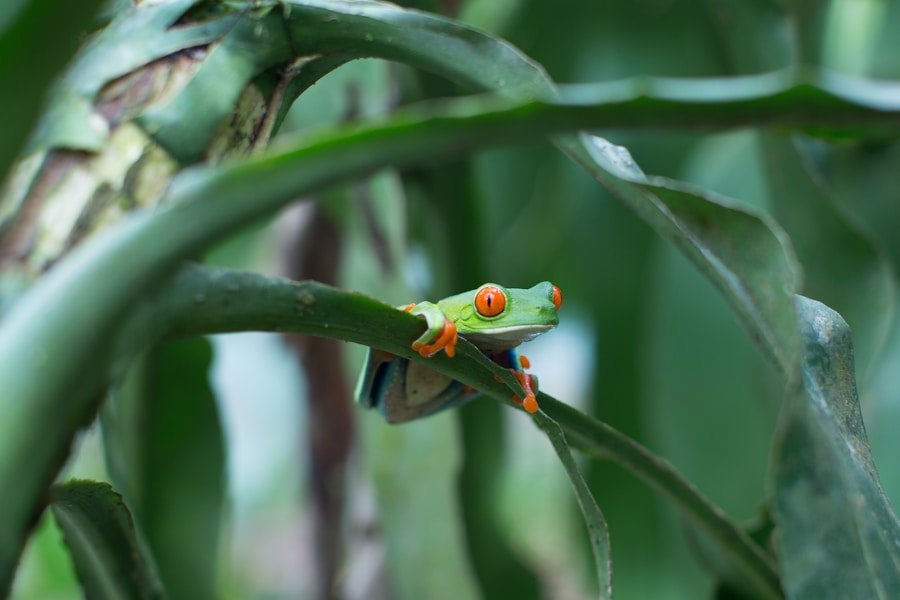
Red-Eyed Tree Frogs are primarily insectivorous, feeding on a diet that consists mainly of insects such as crickets, moths, and flies. Their hunting strategy involves waiting patiently on leaves or branches until prey comes within striking distance. With their quick reflexes and long tongues, they can capture insects with remarkable precision. Life Cycle and Reproduction
Species Life Cycle Reproduction Human Approximately 79 years Sexual reproduction Oak Tree Up to 300 years Reproduces via acorns Honey Bee 6 weeks to 6 months Reproduces through mating flights
Predators and Defense Mechanisms
Despite their vibrant colors and unique adaptations, Red-Eyed Tree Frogs face numerous threats from predators in their natural habitats. Common predators include snakes, birds, and larger mammals that may prey on both adults and tadpoles. The bright coloration of these frogs serves as a warning signal to potential predators about their toxicity; however, not all individuals possess toxic properties.
This reliance on aposematism—where bright colors signal danger—can be effective in deterring some predators while attracting others that may not be deterred by visual cues alone. In addition to their coloration, Red-Eyed Tree Frogs employ various defense mechanisms to evade predation. As mentioned earlier, their startle display can momentarily confuse attackers by revealing their bright colors and large eyes.
Furthermore, when threatened, these frogs may also drop from branches into the foliage below or remain motionless until the danger passes. These behaviors enhance their chances of survival in an environment filled with potential threats.
Conservation Status
Habitat Loss and Fragmentation
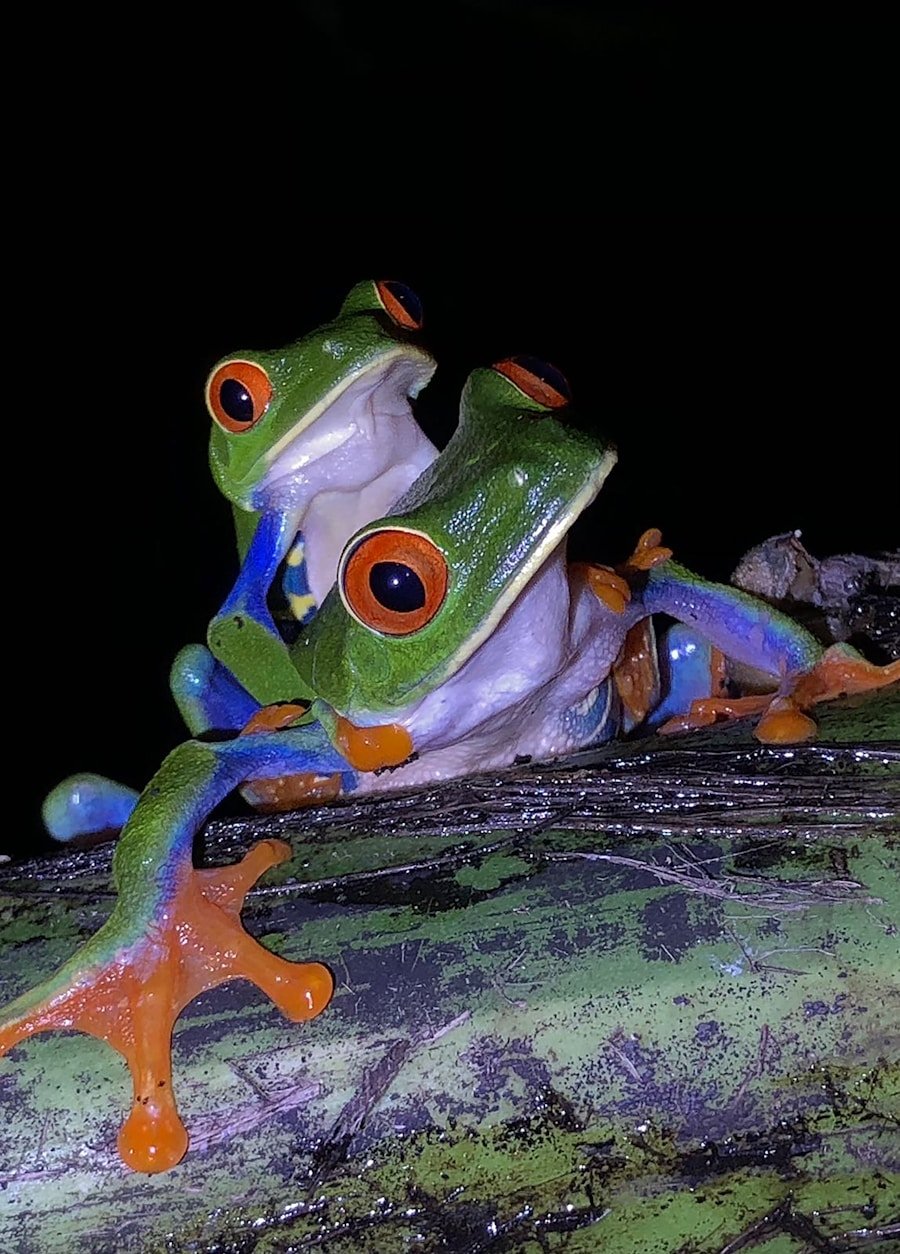
Habitat loss resulting from deforestation for agriculture and development poses significant risks to their populations.
Climatic Impacts on Breeding Cycles
Climate change impacts, such as altered rainfall patterns, can affect breeding cycles and habitat availability. Conservation efforts are crucial for maintaining healthy populations of Red-Eyed Tree Frogs in the wild.
Conservation Initiatives and Community Engagement
Initiatives aimed at preserving tropical rainforests and promoting sustainable land use practices can help mitigate habitat loss. Furthermore, raising awareness about the importance of amphibian conservation can encourage local communities to engage in protective measures for these remarkable creatures.
Importance to the Ecosystem
Red-Eyed Tree Frogs play a vital role in maintaining ecological balance within their habitats. As insectivores, they help control insect populations, preventing outbreaks that could disrupt local ecosystems. By consuming various insects, these frogs contribute to pest management in agricultural areas adjacent to their natural habitats.
Moreover, Red-Eyed Tree Frogs serve as indicators of environmental health due to their sensitivity to changes in habitat quality and climate conditions. Their presence or absence can provide valuable insights into the overall state of an ecosystem. Protecting these frogs not only benefits them but also supports the broader biodiversity within tropical rainforests.
How to Spot a Red-Eyed Tree Frog in the Wild
Spotting a Red-Eyed Tree Frog in its natural habitat can be an exhilarating experience for nature enthusiasts and wildlife photographers alike. To increase your chances of encountering these stunning amphibians, consider visiting tropical rainforests during the rainy season when they are most active.
When searching for these frogs, pay attention to their distinctive red eyes and vibrant green bodies against the backdrop of foliage. Their ability to blend into their surroundings can make them challenging to spot at first glance; however, patience and keen observation will reward you with a glimpse of these remarkable creatures in action. Remember to respect their habitat by minimizing disturbances and observing from a distance to ensure that these beautiful frogs continue to thrive in the wild.
In conclusion, the Red-Eyed Tree Frog is not only a captivating species due to its striking appearance but also plays an essential role in its ecosystem. Understanding its habitat needs, life cycle, and conservation status is crucial for ensuring its survival amidst growing environmental challenges. Whether you are an avid frog enthusiast or simply curious about wildlife, learning about this remarkable amphibian can deepen your appreciation for nature’s wonders.
If you’re interested in learning more about unique and fascinating animals like the Red-Eyed Tree Frog, you may also enjoy reading about the mysterious and majestic Sphynx cat. This article explores the history and characteristics of this hairless breed, shedding light on their enigmatic nature. Check it out here for more information on these captivating felines.
FAQs
What is a Red-Eyed Tree Frog?
The Red-Eyed Tree Frog (Agalychnis callidryas) is a species of tree frog native to the rainforests of Central America, including parts of Mexico, Costa Rica, Panama, and Nicaragua.
What does a Red-Eyed Tree Frog look like?
Red-Eyed Tree Frogs are known for their vibrant green coloration, with bright red eyes and blue and yellow stripes on their sides. They have sticky pads on their toes to help them grip onto leaves and branches.
What do Red-Eyed Tree Frogs eat?
These frogs are primarily insectivores, feeding on a diet of crickets, flies, moths, and other small insects. They are known to be nocturnal hunters.
Where do Red-Eyed Tree Frogs live?
Red-Eyed Tree Frogs are arboreal, meaning they live in trees and vegetation. They are commonly found in tropical rainforests, near bodies of water such as ponds, streams, and rivers.
Are Red-Eyed Tree Frogs endangered?
The Red-Eyed Tree Frog is currently listed as a species of Least Concern on the IUCN Red List, but they are still threatened by habitat loss and the pet trade. Conservation efforts are in place to protect their natural habitats.