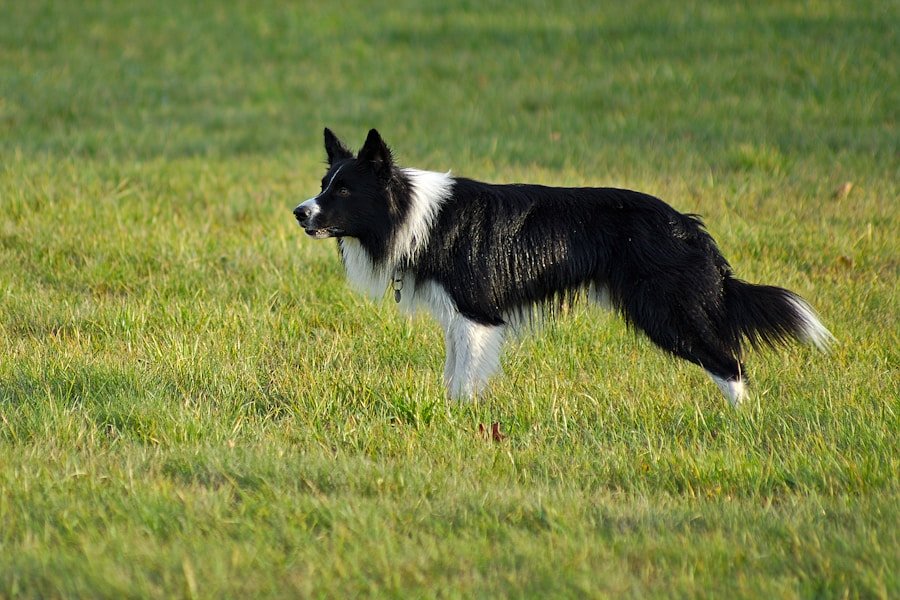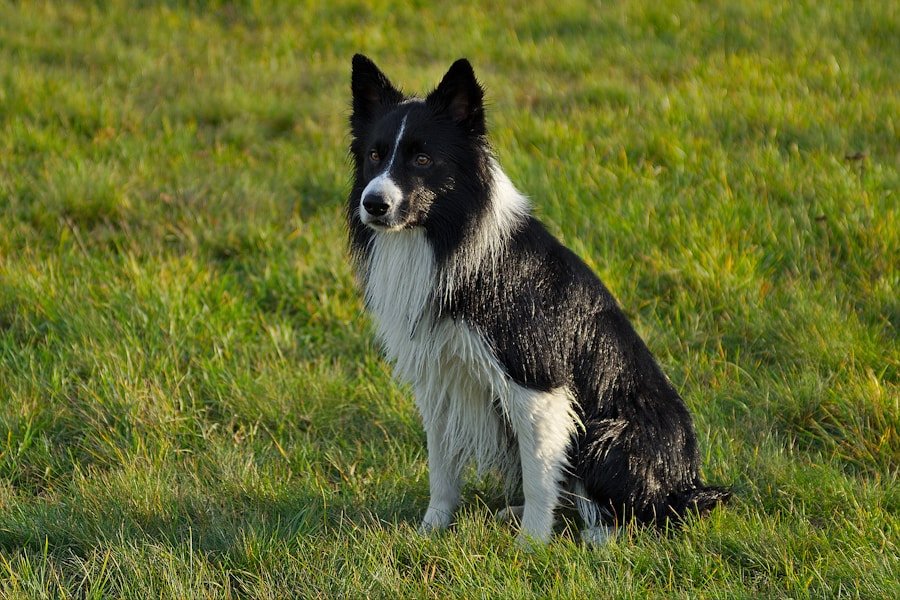
The Border Collie is a breed that has captured the hearts of dog lovers around the world, and its history is as rich and fascinating as its intelligence. Originating in the border region between England and Scotland, the breed was developed primarily for herding sheep. The term “Collie” is believed to derive from the old Scottish word for sheepdog, and the breed’s roots can be traced back to the Roman invasion of Britain, where dogs were used to manage livestock.
However, it was in the 19th century that the Border Collie began to take shape as a distinct breed, thanks to the efforts of shepherds who sought to create a dog with exceptional herding abilities. The breed gained recognition in the late 1800s when it was showcased at various dog shows. The first official breed standard was established in 1915, and since then, Border Collies have been celebrated not only for their herding prowess but also for their remarkable intelligence and trainability.
They have become popular not just on farms but also in various dog sports, including agility, obedience, and flyball. Their versatility and eagerness to work have made them a favorite among dog enthusiasts and trainers alike.
Sure, here is the sentence with the link:
I love to get pet advice from experts on Key Takeaways
- Border Collies originated in the border regions of England and Scotland, where they were bred for their herding abilities.
- Border Collies are known for their intelligence, agility, and strong work ethic, but they can also be sensitive and prone to anxiety if not properly trained and socialized.
- Consistent training and positive reinforcement are key to managing the high energy and intelligence of Border Collies.
- Border Collies have a double coat that requires regular brushing and grooming to prevent matting and keep their fur healthy.
- Border Collies are highly active and require plenty of physical and mental stimulation to prevent boredom and destructive behavior.
Understanding the Temperament and Behavior of Border Collies
Border Collies are renowned for their exceptional intelligence and keen work ethic. They are often described as energetic, alert, and highly trainable. This breed possesses an innate desire to please their owners, which makes them highly responsive to training commands.
Their intelligence is often compared to that of a human child, and they thrive on mental stimulation and challenges. This means that they are not just physical athletes; they are also problem solvers who enjoy engaging in activities that require thought and strategy. However, this high level of intelligence can also lead to behavioral issues if not properly managed.
Border Collies can become bored easily, which may result in destructive behaviors such as chewing or digging. They require consistent mental and physical stimulation to keep them happy and well-adjusted. Socialization is also crucial for this breed; exposing them to various environments, people, and other animals from a young age helps them develop into well-rounded companions.
Their natural herding instincts can sometimes manifest in behaviors like nipping or chasing, so early training is essential to channel these instincts positively.
Training and Obedience for Border Collies
Training a Border Collie can be a rewarding experience due to their eagerness to learn and please their owners. Positive reinforcement techniques work exceptionally well with this breed; they respond best to rewards such as treats, praise, or playtime. Starting training early is crucial, as puppies are particularly receptive to learning new commands and socializing with other dogs and people.Basic obedience training should include commands like sit, stay, come, and heel, which lay the foundation for more advanced skills. In addition to basic obedience training, many Border Collie owners choose to engage their dogs in specialized training programs or dog sports. Agility training, herding trials, and obedience competitions are popular avenues for this breed.
These activities not only provide physical exercise but also stimulate their minds, keeping them engaged and happy. Consistency is key; regular training sessions help reinforce learned behaviors and prevent any unwanted habits from developing.
Grooming and Care for Border Collies
Aspect Details Grooming Frequency Border Collies should be brushed at least once a week to keep their coat in good condition. Bathing They should be bathed every 6-8 weeks, or as needed if they get dirty or smelly. Nail Trimming Nails should be trimmed every 1-2 months to prevent overgrowth and discomfort. Ear Cleaning Ears should be checked and cleaned regularly to prevent infections. Teeth Care Regular teeth brushing is recommended to maintain good oral hygiene. Grooming a Border Collie requires regular attention due to their double coat, which consists of a soft undercoat and a longer outer coat. This breed sheds moderately year-round but experiences heavier shedding during seasonal changes. Regular brushing—ideally once or twice a week—helps manage loose hair and prevents matting.
During shedding seasons, more frequent brushing may be necessary to keep their coat healthy and reduce the amount of hair around the house.
Bathing should be done as needed, typically every few months or when they get particularly dirty.
It’s important not to over-bathe them, as this can strip their coat of natural oils.
Regular nail trimming is also essential to prevent discomfort while walking or running. Additionally, dental care should not be overlooked; brushing your Border Collie’s teeth regularly can help prevent dental issues down the line. Overall, grooming is an integral part of maintaining your dog’s health and well-being.
Exercise and Activity Needs for Border Collies
Border Collies are one of the most active dog breeds out there; they require a significant amount of exercise each day to stay healthy and happy. A minimum of one hour of vigorous exercise is recommended daily, but many owners find that their dogs thrive with even more activity. This can include long walks, runs, or play sessions in a secure area where they can run freely.
Engaging in activities that challenge both their physical and mental capabilities is essential for this breed. In addition to traditional exercise routines, incorporating interactive games such as fetch or frisbee can provide both physical activity and mental stimulation. Many Border Collies excel in dog sports like agility or flyball, which allow them to showcase their athleticism while bonding with their owners.
It’s important to remember that without sufficient exercise, these dogs may develop behavioral issues stemming from boredom or pent-up energy.
Health and Common Health Issues in Border Collies
Like all breeds, Border Collies are prone to certain health issues that potential owners should be aware of. One common concern is hip dysplasia, a genetic condition that affects the hip joint’s development and can lead to arthritis over time. Regular veterinary check-ups can help monitor your dog’s joint health and catch any issues early on.
Another health concern is eye disorders such as progressive retinal atrophy (PRA) or cataracts, which can affect their vision. Additionally, Border Collies may be susceptible to certain genetic conditions like epilepsy or collie eye anomaly (CEA). Responsible breeding practices can help reduce the risk of these health issues; prospective owners should seek out reputable breeders who conduct health screenings on their breeding stock.
Regular veterinary care, a balanced diet, and an active lifestyle can contribute significantly to your Border Collie’s overall health and longevity.
Choosing the Right Diet for Your Border Collie
Feeding your Border Collie a balanced diet is crucial for maintaining their energy levels and overall health. High-quality dog food formulated for active breeds is recommended; look for options that list meat as the primary ingredient and contain essential nutrients like protein, fats, vitamins, and minerals. The specific dietary needs may vary based on age, weight, activity level, and any health concerns your dog may have.
It’s important to monitor your dog’s weight closely; Border Collies can be prone to obesity if overfed or not exercised adequately. Portion control is key; consult with your veterinarian about the appropriate serving sizes based on your dog’s individual needs. Additionally, providing fresh water at all times is essential for hydration, especially after exercise or playtime.
Finding the Perfect Border Collie for Your Family
When considering adding a Border Collie to your family, it’s essential to assess whether this breed aligns with your lifestyle and living situation. Border Collies thrive in active households where they receive plenty of exercise and mental stimulation. They do well with families who can dedicate time to training and socialization; these dogs flourish when they feel like part of the family unit.
If you’re considering adopting a Border Collie from a shelter or rescue organization, be sure to ask about the dog’s history and temperament. Puppies may require more time for training but offer the opportunity to mold their behavior from an early age. On the other hand, adult dogs may already have some training but could come with their own set of challenges based on their past experiences.
Regardless of age, ensuring that you have the time, energy, and commitment to meet a Border Collie’s needs will lead to a fulfilling companionship for both you and your new furry friend. In conclusion, Border Collies are remarkable dogs known for their intelligence, energy levels, and strong work ethic. With proper care, training, and socialization, they can make wonderful companions for active families or individuals who are ready to engage with them fully.
Understanding their history, temperament, grooming needs, exercise requirements, health concerns, dietary needs, and finding the right fit for your family will ensure that you provide a loving home for this exceptional breed.
If you are considering getting a Border Collie, it is important to also think about how to cope with the loss of a beloved pet. This article offers helpful tips on how to talk to kids about the death of a pet and how to support them through the grieving process. It is important to remember that pets are a part of the family, and their loss can be difficult for everyone involved.
FAQs
What is a Border Collie?
A Border Collie is a highly intelligent and energetic breed of dog that is known for its herding abilities. They are often used as working dogs on farms and ranches.
What does a Border Collie look like?
Border Collies are medium-sized dogs with a double coat that can be rough or smooth. They come in a variety of colors, including black and white, red and white, and tricolor. They have a distinctive “intense” gaze and are known for their agility and athleticism.
What is the temperament of a Border Collie?
Border Collies are known for their intelligence, trainability, and high energy levels. They are extremely loyal and make great companions for active individuals or families. They are also known for their strong herding instincts and may try to herd children or other pets.
How much exercise does a Border Collie need?
Border Collies are a high-energy breed and require plenty of exercise and mental stimulation. They thrive on activities such as agility training, obedience training, and playing games like fetch. Without enough exercise, they may become bored and exhibit destructive behaviors.
Are Border Collies good with children and other pets?
When properly socialized and trained, Border Collies can be great with children and other pets. However, their herding instincts may lead them to try to herd small children or animals, so supervision is important. It’s also important to teach children how to interact with the dog in a respectful manner.
What are some common health issues in Border Collies?
Some common health issues in Border Collies include hip dysplasia, epilepsy, and eye problems such as collie eye anomaly. It’s important to work with a reputable breeder and to schedule regular veterinary check-ups to monitor for any potential health issues.