Table of Contents
The lorikeet is a vibrant and lively bird that captivates the hearts of bird enthusiasts and casual observers alike. Known for their striking colors and playful personalities, these birds belong to the family Psittacidae, which includes parrots and parakeets. With over 50 species of lorikeets found primarily in Australia, New Guinea, and surrounding islands, they are a testament to the beauty and diversity of avian life.
Their unique feeding habits, social behavior, and adaptability to various environments make them a fascinating subject of study and admiration. Lorikeets are not just visually stunning; they are also known for their intelligence and social nature.
Their lively demeanor and ability to mimic human speech have made them popular pets in many households. However, owning a lorikeet comes with its own set of responsibilities, as their care needs are specific and require commitment from their owners. In this article, we will explore the physical characteristics, habitat, diet, breeding habits, conservation status, and interactions with humans that define the lively lorikeet.
Key Takeaways
- The Lively Lorikeet is a colorful and energetic parrot species native to Australia, known for its vibrant plumage and playful nature.
- Physical characteristics of the Lorikeet include a slender body, a curved beak for feeding on nectar, and bright, iridescent feathers in a variety of colors.
- Lorikeets are found in a range of habitats across Australia, including forests, woodlands, and urban areas, and are known for their adaptability to different environments.
- The Lorikeet’s diet consists mainly of nectar, pollen, fruits, and some insects, and they have a specialized brush-tipped tongue for extracting nectar from flowers.
- Breeding and reproduction in Lorikeets involves the formation of monogamous pairs, nesting in tree hollows, and raising their young with both parents participating in feeding and care.
- The conservation status of the Lorikeet varies by species, with some facing threats from habitat loss, illegal trapping for the pet trade, and competition with introduced species.
- Interactions with humans include the popularity of Lorikeets as pets, their role in ecotourism, and the importance of responsible pet ownership and conservation efforts to protect wild populations.
- In conclusion, the Lively Lorikeet is a fascinating bird with its striking appearance, unique feeding habits, and complex social behaviors, making it a beloved and important species in the ecosystem.
Physical Characteristics of the Lorikeet
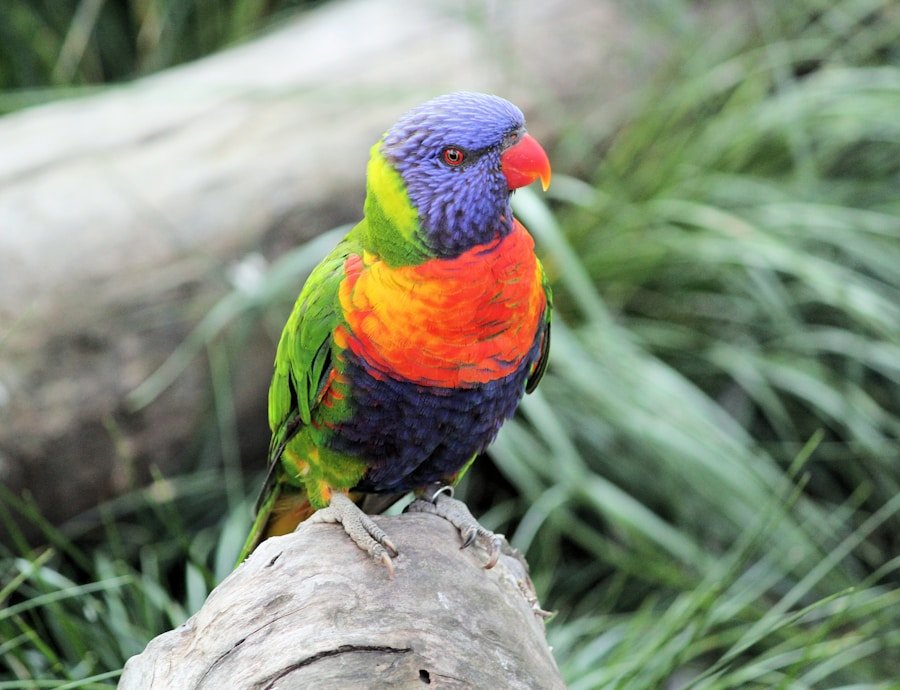
Lorikeets are easily recognizable due to their brilliant plumage, which varies significantly among species. The most common species, the Rainbow Lorikeet, showcases a kaleidoscope of colors, featuring a bright green body, blue head, orange breast, and yellow underparts. This striking coloration serves not only as a visual delight but also plays a role in attracting mates and deterring predators.
Other species, such as the Blue-streaked Lorikeet or the Olive-headed Lorikeet, exhibit their own unique color patterns that contribute to the overall diversity within the lorikeet family. In addition to their vibrant feathers, lorikeets possess specialized tongues that are uniquely adapted for their diet. Their tongues are long and brush-like, allowing them to extract nectar from flowers with remarkable efficiency.
This adaptation is crucial for their survival, as nectar is a primary food source for many lorikeet species. Furthermore, lorikeets have strong beaks that enable them to crack open hard seeds and fruits, showcasing their versatility as foragers in their natural habitats.
Habitat and Distribution of the Lorikeet
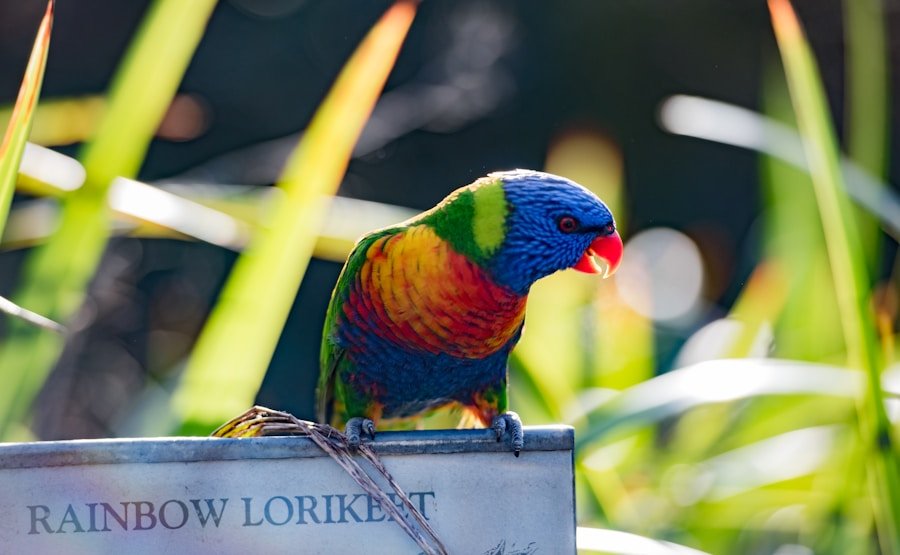
Lorikeets are predominantly found in Australia and New Guinea, where they inhabit a variety of environments ranging from tropical rainforests to coastal woodlands. They are particularly fond of areas with abundant flowering trees, as these provide both food and nesting sites. The adaptability of lorikeets allows them to thrive in urban areas as well, where they often visit gardens and parks in search of nectar-rich flowers.
The distribution of lorikeets is not limited to Australia; they can also be found on several nearby islands in the Pacific Ocean. Some species have even been observed migrating between islands in search of food sources during seasonal changes. This migratory behavior highlights their resourcefulness and ability to adapt to changing environmental conditions.
As such, lorikeets play an essential role in their ecosystems by pollinating flowers and dispersing seeds, contributing to the health of their habitats.
Feeding and Diet of the Lorikeet
| Feeding and Diet of the Lorikeet | |
|---|---|
| Primary Diet | Nectar, pollen, fruits, and some insects |
| Feeding Behavior | Lorikeets use their specialized brush-tipped tongues to extract nectar from flowers and fruits |
| Food Sources | Native flowers, fruits, and cultivated fruit trees |
| Supplements | Lorikeet-specific commercial nectar mixes and vitamin supplements |
The diet of lorikeets is primarily composed of nectar from flowers, fruits, and some seeds. Their specialized tongues allow them to access nectar deep within blossoms, making them important pollinators in their ecosystems. In addition to nectar, lorikeets enjoy a variety of fruits such as apples, bananas, and berries.
This diverse diet not only provides them with essential nutrients but also keeps them engaged and active. In captivity, it is crucial for lorikeet owners to replicate their natural diet as closely as possible. A balanced diet should include high-quality nectar mixes specifically formulated for lorikeets, along with fresh fruits and vegetables.
It is important to avoid feeding them foods that are high in fat or sugar, as these can lead to health issues over time. Regular access to clean water is also essential for hydration and overall well-being.
Breeding and Reproduction of the Lorikeet
Breeding season for lorikeets typically occurs during the warmer months when food sources are abundant. During this time, males engage in elaborate courtship displays to attract females. These displays often include vocalizations, aerial acrobatics, and feeding gestures that showcase their strength and vitality.
Once a pair has formed a bond, they will seek out suitable nesting sites in tree hollows or crevices. The female lorikeet usually lays two to three eggs per clutch, which she incubates for about 25 days. After hatching, both parents take an active role in feeding and caring for the chicks.
The young lorikeets fledge after approximately six weeks but may remain dependent on their parents for several more weeks as they learn essential survival skills. This cooperative parenting behavior is a testament to the strong social bonds that exist within lorikeet families.
Conservation Status of the Lorikeet
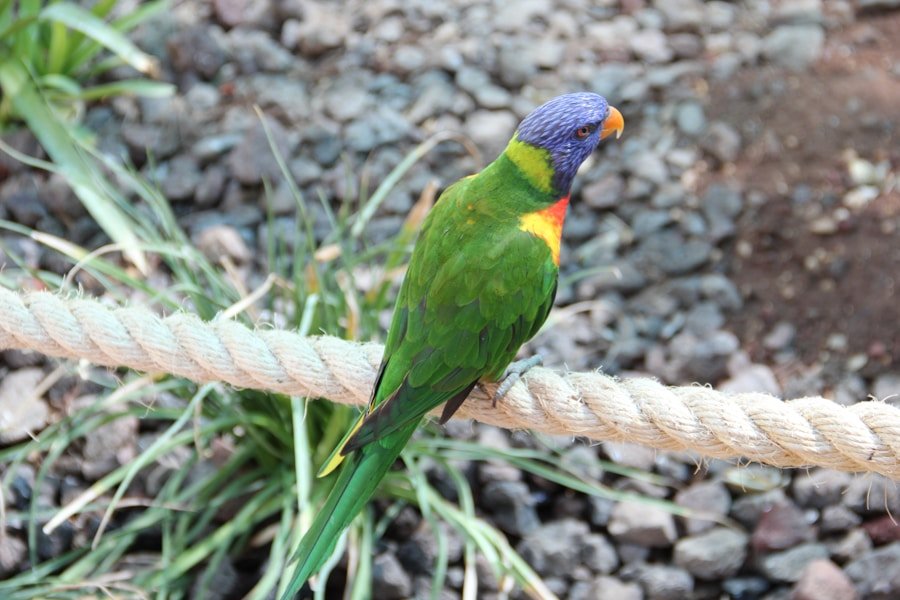
While many lorikeet species are currently stable in population numbers, some face threats due to habitat loss and environmental changes. Deforestation for agriculture and urban development has led to significant declines in suitable nesting sites and food sources for these birds. Additionally, climate change poses a growing threat by altering flowering patterns and availability of nectar-rich plants.
Conservation efforts are underway in various regions to protect lorikeet habitats and promote awareness about their ecological importance. Organizations dedicated to wildlife conservation work tirelessly to restore natural habitats and implement sustainable practices that benefit both lorikeets and other native species. By supporting these initiatives, individuals can contribute to the preservation of these vibrant birds for future generations.
Interactions with Humans
Lorikeets have long been admired by humans for their beauty and playful nature. In many cultures, they are seen as symbols of joy and happiness due to their vibrant colors and lively behavior. In urban areas across Australia, lorikeets have become accustomed to human presence and often visit gardens in search of food.
This close interaction has fostered a sense of appreciation for these birds among local communities. As pets, lorikeets can bring immense joy to their owners with their engaging personalities and ability to mimic sounds. However, potential owners should be aware that lorikeets require significant social interaction and mental stimulation to thrive in captivity.
They are highly intelligent birds that can become bored easily if not provided with adequate enrichment activities. Therefore, it is essential for prospective owners to consider their lifestyle and commitment level before bringing a lorikeet into their home.
The Lively Lorikeet as a Fascinating Bird
In conclusion, the lively lorikeet is a remarkable bird that embodies the beauty of nature through its vibrant colors and playful demeanor. With a rich history rooted in diverse habitats across Australia and beyond, these birds have captured the hearts of many with their unique feeding habits and social behaviors. Their adaptability allows them to thrive in various environments while playing an essential role in pollination and seed dispersal.
As we continue to learn more about these fascinating creatures, it becomes increasingly important to advocate for their conservation and protection. By understanding their needs and behaviors, we can foster a deeper appreciation for lorikeets while ensuring that future generations can enjoy their presence in the wild or as cherished companions at home. Whether observed in their natural habitats or kept as pets, lorikeets remind us of the vibrant tapestry of life that exists within our world—a tapestry worth preserving for years to come.
If you’re interested in learning more about exotic pets, you may want to check out this article on how to set up a sugar glider cage here. Sugar gliders are fascinating creatures that require a specific environment to thrive in captivity. Just like lorikeets, they have unique care requirements that need to be met in order to ensure their health and happiness.
FAQs
What is a lorikeet?
A lorikeet is a type of small to medium-sized parrot that belongs to the subfamily Loriinae. They are known for their vibrant plumage and their specialized brush-tipped tongues for feeding on nectar and pollen.
Where are lorikeets found?
Lorikeets are native to the regions of Australia, Southeast Asia, Polynesia, and the South Pacific islands. They are often found in forests, woodlands, and coastal areas.
What do lorikeets eat?
Lorikeets primarily feed on nectar, pollen, fruits, and some insects. Their specialized tongues allow them to extract nectar from flowers and they have a unique digestive system that enables them to process a high-sugar diet.
What is the lifespan of a lorikeet?
In the wild, lorikeets can live for around 5 to 8 years, while in captivity they can live for up to 15 to 20 years with proper care and diet.
Are lorikeets kept as pets?
Yes, lorikeets are popular as pets due to their vibrant colors and playful personalities. However, they require specialized care, including a diet of nectar, fruits, and specialized lorikeet food, as well as plenty of space for flying and exercise.
Are lorikeets endangered?
Some species of lorikeets are considered threatened or endangered due to habitat loss, illegal trapping for the pet trade, and other human activities. Conservation efforts are in place to protect and preserve lorikeet populations.