Table of Contents
Canaries are small, vibrant songbirds that have captured the hearts of bird enthusiasts around the world. Originating from the Canary Islands, these delightful creatures belong to the finch family and are renowned for their melodious singing abilities. The canary’s popularity soared in the 19th century, particularly in Europe, where they were bred for their beautiful colors and enchanting songs.
Today, canaries are not only cherished as pets but also celebrated in aviculture for their diverse breeds and unique characteristics. The canary’s charm lies not only in its captivating songs but also in its striking appearance. With a variety of colors ranging from bright yellows to deep reds and even whites, these birds are a visual delight.
Their cheerful disposition and lively nature make them a favorite among bird lovers. Whether you are a seasoned aviculturist or a first-time bird owner, canaries offer a rewarding experience filled with joy and companionship.
Key Takeaways
- Canaries are small, colorful birds that are popular as pets due to their beautiful songs and vibrant plumage.
- When housing canaries, it’s important to provide a spacious cage with perches, toys, and a variety of food and water dishes.
- Canaries require a balanced diet of seeds, fresh fruits, and vegetables to maintain their health and well-being.
- Socialization and interaction are important for canaries, as they are social birds that enjoy the company of their owners and other birds.
- Regular veterinary care, grooming, and maintenance are essential for keeping canaries healthy and happy.
Housing and Cage Setup
Creating a suitable living environment for your canary is essential for its well-being. A spacious cage is crucial, as these birds are active and enjoy flying. A cage that measures at least 24 inches long, 18 inches wide, and 18 inches high is recommended for a single canary.
The bars should be spaced no more than half an inch apart to prevent escape or injury.
When setting up the cage, consider adding toys and accessories that stimulate your canary’s curiosity.
Swinging perches, mirrors, and chewable toys can keep your bird entertained and engaged. It’s also important to place the cage in a well-lit area, away from drafts and direct sunlight, to ensure your canary feels comfortable and secure. Regular cleaning of the cage is vital to maintain hygiene; remove droppings daily and perform a thorough cleaning weekly to prevent the buildup of bacteria.
Diet and Nutrition
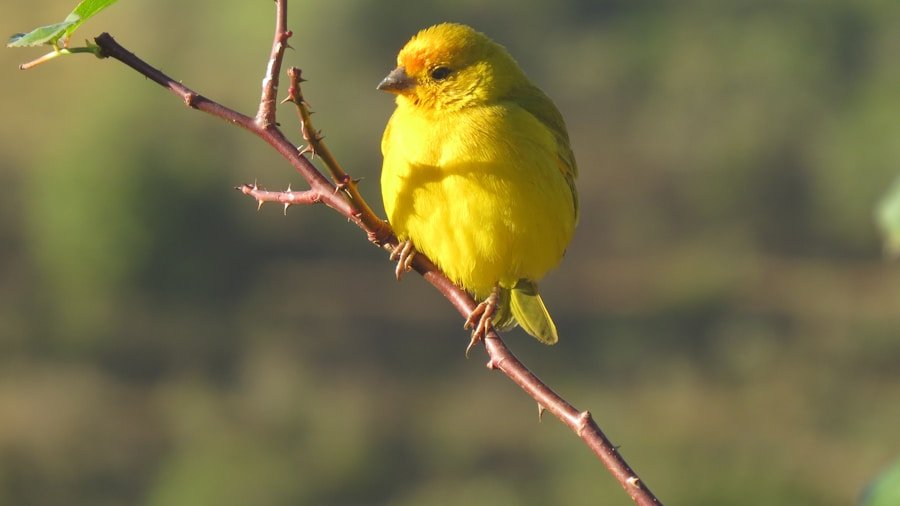
A balanced diet is fundamental to the health of your canary. In the wild, canaries primarily feed on seeds, fruits, and vegetables. In captivity, a high-quality seed mix formulated specifically for canaries should form the basis of their diet.
Look for mixes that include a variety of seeds such as millet, canary seed, and oats. Supplementing their diet with fresh fruits and vegetables is equally important; favorites include leafy greens like kale, carrots, apples, and berries. It’s essential to provide fresh water daily and change it regularly to prevent contamination.
Additionally, consider offering cuttlebone or mineral blocks to ensure your canary receives adequate calcium for strong bones and healthy feathers. Be cautious with treats; while they can be a great way to bond with your bird, moderation is key to prevent obesity and other health issues.
Socialization and Interaction
| Metrics | Value |
|---|---|
| Number of social media interactions | 5000 |
| Number of in-person social interactions | 300 |
| Number of virtual meetings attended | 20 |
| Number of phone calls made | 100 |
Canaries are generally social birds that thrive on interaction, both with their human companions and other birds. While they may not require as much socialization as some larger parrot species, they do enjoy companionship. Spending time near your canary’s cage, talking to it softly, or even singing along can help build trust and strengthen your bond.
Canaries often respond positively to gentle interaction, which can lead to a more confident and friendly pet. If you have multiple canaries, it’s important to monitor their interactions closely. While many canaries enjoy the company of their own kind, some may become territorial or aggressive.
Providing ample space and resources within the cage can help reduce conflicts.
Health and Veterinary Care
Regular veterinary check-ups are crucial for maintaining your canary’s health. Birds often hide signs of illness until they are quite sick, so routine examinations can help catch potential issues early on. A qualified avian veterinarian will be able to assess your bird’s overall health, provide vaccinations if necessary, and offer advice on diet and care.
Common health concerns in canaries include respiratory infections, feather plucking, and obesity. Keeping an eye on your bird’s behavior is essential; changes in appetite, vocalization, or activity levels may indicate underlying health problems. If you notice any unusual symptoms, seek veterinary care promptly.
Additionally, maintaining a clean living environment and providing a balanced diet will go a long way in preventing many health issues.
Grooming and Maintenance
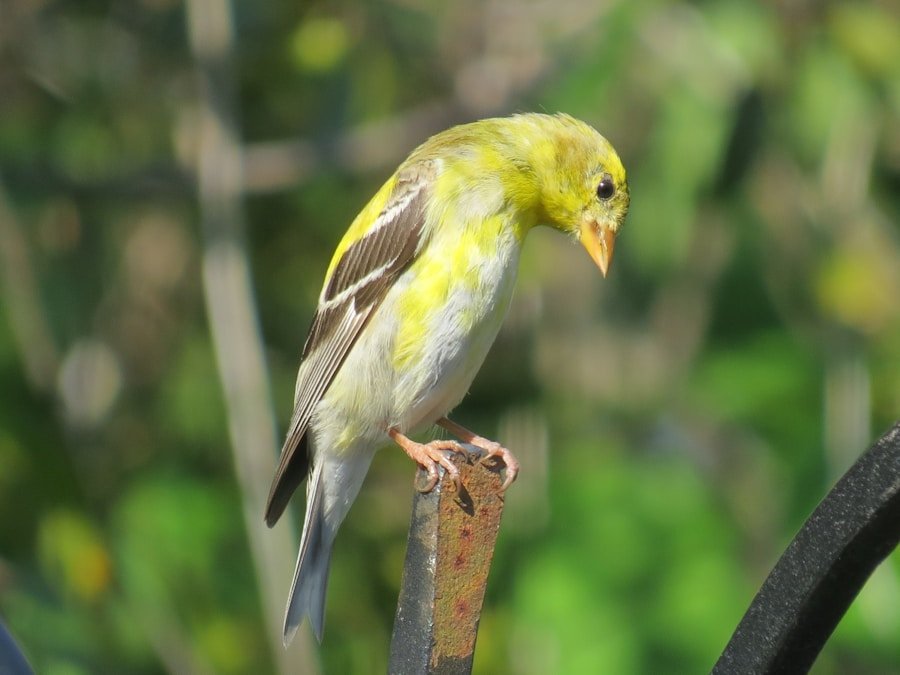
Grooming is an important aspect of caring for your canary. Regularly checking your bird’s feathers for any signs of matting or dirt is essential; bathing your canary once a week can help keep its plumage clean and healthy. You can provide a shallow dish of water for bathing or use a fine mist spray bottle to gently mist your bird.
Most canaries enjoy bathing, which also helps maintain their skin health. Nail trimming is another important grooming task that should not be overlooked. Overgrown nails can lead to discomfort or injury for your bird.
If you’re unsure how to trim your canary’s nails safely, consult with an avian veterinarian or an experienced bird groomer for guidance. Additionally, be sure to monitor your bird’s beak; if it appears overgrown or misaligned, seek professional help to avoid feeding difficulties.
Breeding and Nesting
Breeding canaries can be a rewarding experience for dedicated bird owners who wish to expand their flock. Before embarking on this journey, it’s important to research the specific breed of canary you have, as different breeds may have unique breeding requirements. Generally, breeding pairs should be at least one year old and in good health before attempting to mate.
Providing a suitable nesting environment is crucial for successful breeding. A nesting box should be placed inside the cage with appropriate nesting materials such as soft grasses or shredded paper. Once the female lays eggs—typically between three to six—she will incubate them for about two weeks before they hatch.
During this time, it’s essential to provide extra nutrition to support the mother’s health as she raises her young.
Training and Enrichment
Training your canary can enhance its quality of life while strengthening your bond with it. While canaries may not be as trainable as larger parrots, they can learn simple commands or tricks through positive reinforcement techniques such as offering treats or praise when they respond correctly. Teaching your bird to step up onto your finger or perch can make handling easier and more enjoyable.
Enrichment is also vital for keeping your canary mentally stimulated. Providing a variety of toys that encourage exploration and play will help prevent boredom. Rotate toys regularly to keep things fresh and exciting for your bird.
Additionally, consider setting aside time each day for interactive play outside of the cage in a safe environment—this not only provides exercise but also allows your canary to explore its surroundings in a controlled manner. In conclusion, caring for a canary involves understanding its unique needs in terms of housing, diet, socialization, health care, grooming, breeding, and training. With proper care and attention, these charming birds will thrive in your home while providing endless joy with their beautiful songs and lively personalities.
Whether you are looking for a companion or an avian project, canaries are sure to bring happiness into your life!
If you’re interested in learning more about colorful and charismatic bird companions, check out this article on The Charismatic Conure: A Colorful Companion. Just like Canaries, Conures are known for their vibrant plumage and playful personalities, making them a popular choice for bird enthusiasts.
FAQs
What is a canary?
A canary is a small, brightly colored bird that is often kept as a pet. It is known for its melodious song and is native to the Canary Islands, Azores, and Madeira.
What do canaries eat?
In the wild, canaries primarily eat seeds, fruits, and insects. As pets, they are typically fed a diet of commercial bird seed, fresh fruits, and vegetables.
How long do canaries live?
Canaries have an average lifespan of 7-10 years, although some can live up to 15 years with proper care.
What are the different types of canaries?
There are several different breeds of canaries, including the Gloster, Border, Fife, and American Singer. Each breed is known for its unique characteristics and song.
How do canaries communicate?
Canaries communicate through a variety of vocalizations, including singing, chirping, and calling. They also use body language, such as fluffing their feathers or hopping, to communicate with other birds.