
Table of Contents
Canned cat food has become a staple in many households, offering convenience and palatability for feline companions. This type of food is often rich in moisture, which is beneficial for cats, as they are prone to urinary tract issues and dehydration. The formulation of canned cat food is designed to meet the specific dietary needs of cats, which are obligate carnivores.
This means that their bodies require a diet high in protein and certain nutrients that are primarily found in animal tissues. The variety of flavors and textures available in canned cat food also makes it an appealing choice for picky eaters, ensuring that even the most discerning cats can find something they enjoy. In recent years, pet owners have become increasingly curious about the dietary habits of their furry friends, leading to questions about whether dogs can safely consume canned cat food.
While it may seem harmless to share a little of your cat’s meal with your dog, understanding the implications of such a practice is crucial. This article will explore the potential risks and benefits of dogs eating canned cat food, as well as the nutritional differences between dog and cat food. By delving into these topics, pet owners can make informed decisions about their pets’ diets and overall health.
Key Takeaways
- Canned cat food is a popular choice for cat owners due to its convenience and nutritional value.
- Dogs can eat canned cat food in moderation, but it should not be a regular part of their diet.
- Risks of dogs eating canned cat food include potential nutrient imbalances and digestive issues.
- Benefits of dogs eating canned cat food include higher protein content and potential palatability for picky eaters.
- Nutritional differences between dog and cat food include varying levels of protein, taurine, and vitamin A, which can impact a dog’s health if not properly balanced.
- Safely feed canned cat food to dogs by consulting with a veterinarian and using it as an occasional treat or supplement to their regular diet.
- Alternatives to canned cat food for dogs include high-quality dog food, homemade meals, and specially formulated dog treats.
- Making informed decisions for your pet’s diet involves understanding the specific nutritional needs of dogs and cats, and consulting with a veterinarian for personalized recommendations.
Can Dogs Eat Canned Cat Food?
The short answer to whether dogs can eat canned cat food is yes, but with significant caveats. Dogs are omnivores, which means their digestive systems are designed to handle a variety of foods, including both animal and plant-based ingredients. This flexibility allows dogs to consume a wide range of foods without immediate adverse effects.
However, just because dogs can eat canned cat food does not mean it is advisable for them to do so regularly. The nutritional composition of cat food is tailored specifically for cats, which can lead to imbalances in a dog’s diet if consumed over time. Occasionally feeding your dog a small amount of canned cat food may not pose an immediate threat, but it is essential to consider the long-term implications.
Dogs have different dietary requirements than cats, and relying on cat food as a regular part of their diet can lead to nutritional deficiencies or excesses. For instance, the higher protein content in cat food may not be suitable for all dogs, especially those with certain health conditions or those that are less active. Therefore, while it may be tempting to share your cat’s meal with your dog, it is crucial to approach this practice with caution.
Risks of Dogs Eating Canned Cat Food
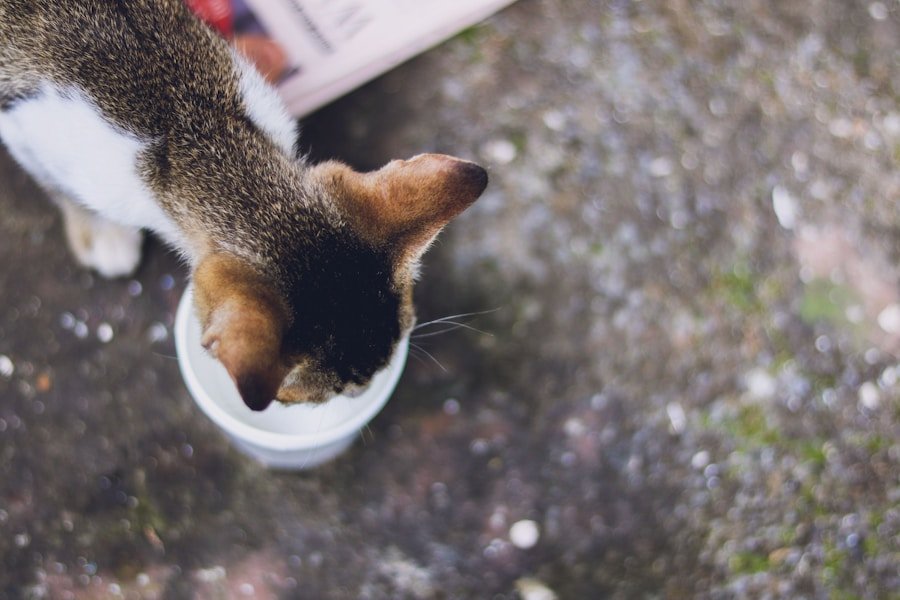
Feeding dogs canned cat food can pose several risks that pet owners should be aware of. One of the primary concerns is the high protein and fat content found in most cat foods. Cats require more protein than dogs due to their unique metabolic needs, which can lead to an excess of protein in a dog’s diet if they consume cat food regularly.
This excess can result in weight gain and obesity, particularly in less active dogs or those prone to weight issues. Additionally, the high fat content can contribute to pancreatitis, a painful and potentially serious condition that affects the pancreas.
Cat food is formulated with specific vitamins and minerals that cater to feline health, such as taurine, arachidonic acid, and certain B vitamins. While these nutrients are beneficial for cats, they may not be suitable for dogs in the same quantities. For example, excessive levels of vitamin A can lead to toxicity in dogs, causing symptoms such as lethargy, vomiting, and even bone deformities over time.
Therefore, while an occasional treat may not cause immediate harm, regular consumption can lead to significant health issues.
Benefits of Dogs Eating Canned Cat Food
| Benefits | Description |
|---|---|
| Protein Content | Canned cat food is high in protein, which is essential for a dog’s muscle development and overall health. |
| Healthy Fats | It contains healthy fats such as omega-3 and omega-6 fatty acids, which can contribute to a dog’s shiny coat and healthy skin. |
| Nutrient Rich | Canned cat food is often fortified with essential vitamins and minerals, providing a well-rounded diet for dogs. |
| Hydration | The moisture content in canned cat food can help keep dogs hydrated, especially for those who don’t drink enough water. |
| Digestibility | It is easily digestible for dogs with sensitive stomachs or digestive issues. |
Despite the risks associated with feeding dogs canned cat food, there are some potential benefits that may be considered in specific situations. One notable advantage is the palatability of canned cat food. Many dogs find the rich flavors and aromas of cat food irresistible, making it an excellent option for enticing picky eaters or encouraging dogs who may be recovering from illness to eat.
In cases where a dog has lost its appetite or is undergoing treatment for certain health conditions, a small amount of canned cat food may serve as an effective way to stimulate their interest in food. Additionally, the high moisture content in canned cat food can be beneficial for dogs that struggle with hydration. Many dogs do not drink enough water throughout the day, which can lead to urinary tract issues or kidney problems over time.
Incorporating a small amount of canned cat food into their diet can help increase their overall fluid intake. However, it is essential to ensure that this practice does not replace a balanced diet specifically formulated for dogs. While there are some benefits to occasional consumption of canned cat food, it should never be viewed as a substitute for proper canine nutrition.
Nutritional Differences Between Dog and Cat Food
Understanding the nutritional differences between dog and cat food is crucial for pet owners who want to make informed decisions about their pets’ diets.
Cats require more protein because they are obligate carnivores, meaning their bodies rely on animal-based proteins for essential nutrients.
In contrast, dogs are omnivores and can thrive on a more varied diet that includes both animal and plant sources. Moreover, certain nutrients are present in different proportions in dog and cat food. For instance, taurine is an essential amino acid for cats but is not required in the same amounts for dogs.
Similarly, while dogs can synthesize some vitamins from their diet, cats cannot produce certain nutrients like arachidonic acid and vitamin A from plant sources alone. This difference highlights the importance of feeding pets species-appropriate diets tailored to their unique nutritional needs. Understanding these distinctions helps pet owners avoid potential health issues that may arise from feeding their pets inappropriate foods.
How to Safely Feed Canned Cat Food to Dogs

If you find yourself in a situation where you want to feed your dog canned cat food safely, there are several guidelines you should follow. First and foremost, moderation is key. Offering your dog a small amount as an occasional treat rather than making it a regular part of their diet is essential.
This approach minimizes the risk of nutritional imbalances while still allowing your dog to enjoy the flavors they may find appealing. When introducing any new food into your dog’s diet, it’s wise to monitor them closely for any adverse reactions or digestive issues. Start with a small portion and observe how your dog responds over the next 24 hours.
If they show signs of discomfort or gastrointestinal upset—such as vomiting or diarrhea—it’s best to discontinue feeding them canned cat food altogether. Additionally, always consult with your veterinarian before making any significant changes to your dog’s diet or introducing new foods.
Alternatives to Canned Cat Food for Dogs
For pet owners seeking alternatives to canned cat food that are safe and nutritious for dogs, there are plenty of options available on the market today. One popular choice is high-quality canned dog food specifically formulated to meet canine dietary needs. These products come in various flavors and textures that appeal to dogs while providing balanced nutrition tailored for their health requirements.
Another alternative is homemade dog food prepared with fresh ingredients that cater to your dog’s specific dietary needs. By consulting with a veterinarian or a pet nutritionist, you can create balanced meals using lean meats, vegetables, and grains that provide essential nutrients without the risks associated with feeding them cat food. Additionally, there are numerous commercial dog treats available that offer similar flavors and textures without compromising your dog’s health.
Making Informed Decisions for Your Pet’s Diet
In conclusion, while it may be tempting to share your cat’s canned food with your dog due to its appealing taste and texture, it is crucial to understand the potential risks involved. Dogs have different nutritional requirements than cats; therefore, regular consumption of canned cat food can lead to imbalances that may adversely affect their health over time. However, occasional treats may be acceptable if done cautiously and in moderation.
Ultimately, making informed decisions about your pet’s diet involves understanding their unique nutritional needs and choosing appropriate foods that support their overall well-being. By prioritizing species-appropriate diets and consulting with veterinarians when necessary, pet owners can ensure that their furry companions receive the best possible nutrition tailored specifically for them.
If you’re wondering whether dogs can eat canned cat food, it’s important to consider the nutritional needs of each species. While occasional consumption may not harm your dog, it’s best to stick to dog-specific food to ensure they receive the proper nutrients. For more information on pet nutrition, check out this article on cockatiel care tips for happy and healthy birds. It’s always important to prioritize your pet’s health and well-being.
FAQs
Is it safe for dogs to eat canned cat food?
Yes, it is generally safe for dogs to eat canned cat food as an occasional treat, but it should not be a regular part of their diet.
Why is it not recommended for dogs to eat canned cat food regularly?
Canned cat food is formulated specifically for the nutritional needs of cats, which are different from those of dogs. It may not provide the necessary nutrients that dogs require for their overall health.
What are the potential risks of feeding canned cat food to dogs?
Feeding canned cat food to dogs regularly can lead to nutritional imbalances and deficiencies, as well as potential health issues such as obesity and digestive problems.
Can dogs have allergic reactions to canned cat food?
Yes, dogs can have allergic reactions to certain ingredients in canned cat food, such as certain proteins or additives. It’s important to monitor your dog for any signs of allergic reactions if you do decide to give them canned cat food.
What should I do if my dog accidentally eats canned cat food?
If your dog accidentally eats a small amount of canned cat food, it is unlikely to cause any harm. However, if they consume a large amount or show any signs of distress, it’s best to consult with a veterinarian for advice.