Table of Contents
Bourke’s Parrot, scientifically known as Neophema bourkii, is a charming and colorful bird that has captured the hearts of avian enthusiasts around the world. Native to Australia, these small parrots are known for their gentle demeanor and striking plumage, making them a popular choice among pet owners and bird watchers alike. Their unique characteristics and relatively easy care requirements have contributed to their growing popularity in aviculture.
In this article, we will explore the history, physical traits, behavior, diet, breeding habits, conservation status, and tips for keeping Bourke’s Parrots as pets. The Bourke’s Parrot was first described in the early 19th century by ornithologist John Gould. Initially, these birds were thought to be a subspecies of the related Neophema genus, but further studies revealed their distinct characteristics.
Over time, they have become a beloved species not only in their native Australia but also in various parts of the world where they are kept as pets. Their gentle nature and beautiful colors have made them a favorite among bird lovers, and they continue to thrive in both wild and domestic environments.
Key Takeaways
- Bourke’s Parrot is a small, colorful parrot native to Australia, known for its gentle and friendly nature.
- They have a soft pink and blue plumage, and are commonly found in arid and semi-arid regions, often near water sources.
- Bourke’s Parrots are social birds that form small flocks and are known for their peaceful and non-aggressive behavior.
- Their diet consists mainly of seeds, grasses, and occasionally fruits, and they are often seen foraging on the ground.
- Breeding pairs of Bourke’s Parrots form strong bonds and build their nests in tree hollows, where the female lays a clutch of eggs and both parents care for the young.
Physical characteristics and habitat
Bourke’s Parrots are small birds, typically measuring around 7 to 8 inches in length. They exhibit sexual dimorphism, meaning that males and females have different plumage. Males are adorned with a soft pinkish-brown body, accented by a blue patch on their wings and a pale blue tail.
Females, on the other hand, tend to have a more muted coloration with less vibrant blue markings. This subtle difference can make it challenging for novice bird watchers to distinguish between the sexes. In their natural habitat, Bourke’s Parrots are primarily found in arid and semi-arid regions of Australia, including grasslands, scrublands, and open woodlands.
They prefer areas with scattered trees and shrubs that provide shelter and nesting sites. These birds are ground feeders, often seen foraging for seeds and grains among the grasses. Their ability to thrive in harsh environments is a testament to their adaptability and resilience.
Behavior and social structure
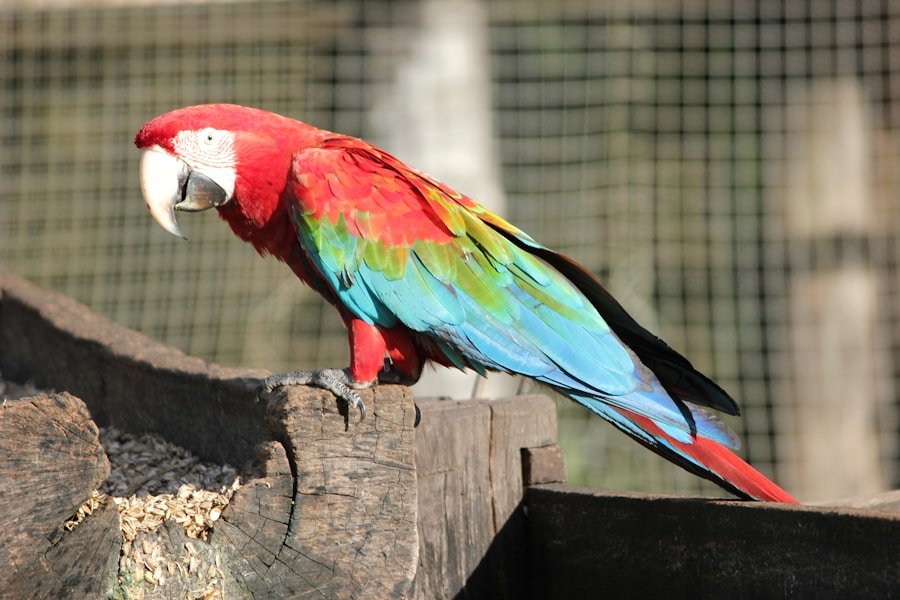
Bourke’s Parrots are known for their calm and friendly demeanor. They are social birds that thrive in flocks, often seen interacting with one another in playful ways. Their gentle nature makes them an excellent choice for families or individuals looking for a companion bird.
Unlike some more boisterous parrot species, Bourke’s Parrots are relatively quiet, making them suitable for apartment living or homes where noise may be a concern. In the wild, these birds exhibit a strong social structure, often forming tight-knit groups that work together to find food and protect one another from predators. They communicate through soft chirps and whistles, creating a soothing atmosphere that many bird enthusiasts find appealing.
When kept as pets, Bourke’s Parrots can develop strong bonds with their human caregivers, often seeking out attention and interaction. For more information on Bourke’s Parrots, you can visit the National Geographic website.
Diet and feeding habits
| Species | Diet | Feeding Habits |
|---|---|---|
| Lion | Carnivore | Hunts in groups, primarily at night |
| Giraffe | Herbivore | Spends most of the day eating leaves from tall trees |
| Elephant | Herbivore | Spends up to 16 hours a day foraging for grass, plants, and fruits |
| Great White Shark | Carnivore | Feeds on fish, seals, and other marine mammals |
A balanced diet is crucial for the health and well-being of Bourke’s Parrots. In the wild, they primarily feed on seeds, grains, and grasses.
A high-quality seed mix formulated specifically for small parrots is an excellent foundation for their diet. Additionally, fresh fruits and vegetables should be offered regularly to provide essential vitamins and minerals. Some suitable fruits include apples, pears, berries, and leafy greens like spinach or kale.
It’s important to avoid feeding them avocado or chocolate, as these foods can be toxic to birds. Fresh water should always be available to keep them hydrated. Monitoring their food intake is also essential; overfeeding can lead to obesity and related health issues.
By providing a varied diet rich in nutrients, pet owners can help ensure their Bourke’s Parrots live long and healthy lives.
Breeding and nesting behavior
Bourke’s Parrots typically breed during the spring months when conditions are favorable for raising young. In the wild, they prefer to nest in tree hollows or other sheltered locations that provide protection from predators. The female usually lays between four to six eggs, which she incubates for about 18 days.
During this time, the male plays an active role in providing food for the female and guarding the nest. Once the eggs hatch, both parents share the responsibility of feeding the chicks until they fledge at around four weeks of age. The young birds remain dependent on their parents for some time after leaving the nest as they learn essential survival skills.
Breeding Bourke’s Parrots in captivity can be rewarding but requires careful attention to their needs during this critical period.
Conservation status and threats
Threats to Natural Habitats
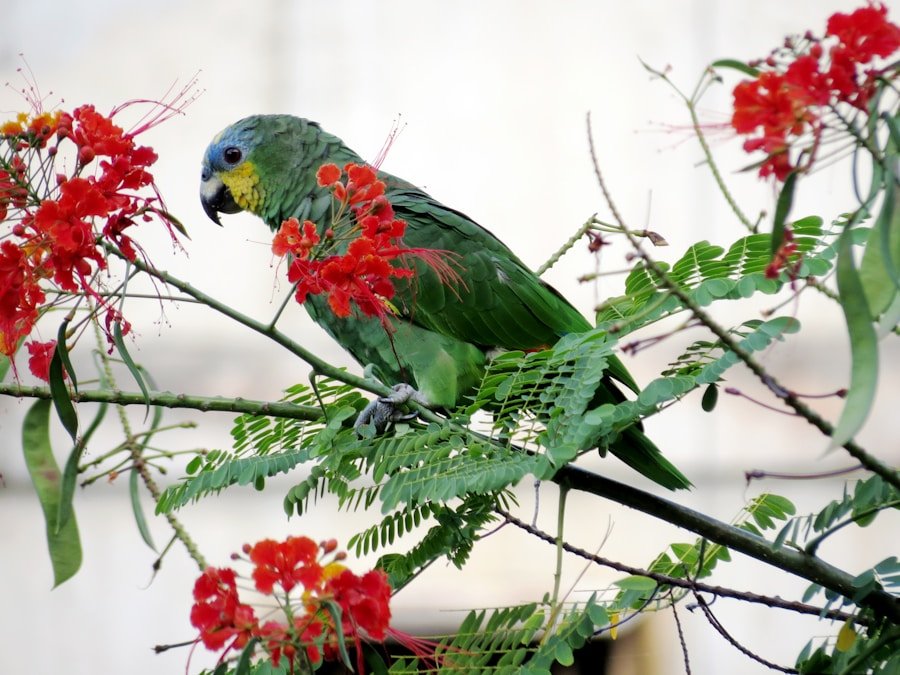
However, habitat loss due to agricultural expansion and urban development poses a potential risk to their natural habitats.
Adaptation to Human Activities
As human activities continue to encroach upon their environments, it is essential to monitor their populations closely. In some regions of Australia, Bourke’s Parrots have adapted well to changes in land use and can often be found in modified habitats such as farmland or urban areas with suitable vegetation.
Conservation Efforts
Conservation efforts aimed at preserving their natural habitats are crucial for ensuring the long-term survival of this delightful species.
Interactions with humans
Bourke’s Parrots have a long history of interaction with humans, both in the wild and as pets. Their gentle nature makes them approachable and easy to handle, which has contributed to their popularity among bird enthusiasts. In captivity, they can develop strong bonds with their owners and often enjoy spending time outside of their cages interacting with family members.
These birds are known for their playful behavior and curiosity, making them entertaining companions. They can learn simple tricks and may even mimic sounds or phrases with consistent training. However, it’s important to remember that each bird has its personality; some may be more outgoing than others.
Providing them with plenty of social interaction and mental stimulation is key to keeping them happy and engaged.
Tips for attracting and caring for Bourke’s Parrot as a pet
If you’re considering adding a Bourke’s Parrot to your family, there are several tips to ensure a successful transition into your home. First and foremost, it’s essential to provide a spacious cage that allows them room to move around comfortably.
Additionally, including perches of varying sizes will help keep their feet healthy. Socialization is crucial for Bourke’s Parrots; they thrive on interaction with both humans and other birds. If possible, consider adopting a pair so they can keep each other company when you’re not around.
Regular out-of-cage time is also important; allowing them to explore a safe area of your home will provide mental stimulation and exercise. Feeding your Bourke’s Parrot a balanced diet is vital for its health. Alongside high-quality seed mixes, offering fresh fruits and vegetables will help maintain their well-being.
Regular veterinary check-ups are also recommended to monitor their health and catch any potential issues early on. In conclusion, Bourke’s Parrots are delightful companions that bring joy and color into any home. With proper care and attention to their needs, these charming birds can thrive as beloved pets while enriching the lives of those who choose to welcome them into their families.
Whether you’re an experienced bird owner or new to aviculture, Bourke’s Parrots offer a unique blend of beauty and companionship that is hard to resist.
If you’re interested in learning more about colorful and vibrant birds like Bourke’s Parrot, you may also enjoy reading about the colorful world of parakeets. These small and social birds are known for their beautiful plumage and playful personalities. To read more about these fascinating creatures, check out this article.
FAQs
What is a Bourke’s Parrot?
Bourke’s Parrot (Neopsephotus bourkii) is a small parrot species native to Australia. It is known for its gentle and quiet nature, making it a popular choice as a pet bird.
What does a Bourke’s Parrot look like?
Bourke’s Parrots have a soft pink and brown plumage, with a blue frontal band across the forehead and a yellow abdomen. They have a small, curved beak and are about 7-8 inches in length.
What is the natural habitat of Bourke’s Parrot?
Bourke’s Parrots are found in the arid and semi-arid regions of Australia, particularly in the interior parts of the continent. They inhabit scrublands, woodlands, and grasslands.
What do Bourke’s Parrots eat?
In the wild, Bourke’s Parrots primarily feed on grass seeds, as well as various types of native vegetation. In captivity, they can be fed a diet of commercial parrot seed mix, fresh fruits, and vegetables.
Are Bourke’s Parrots good pets?
Bourke’s Parrots are known for their gentle and docile nature, making them good pets for bird enthusiasts. They are relatively quiet and can be easily tamed, but they do require regular social interaction and mental stimulation.
Are Bourke’s Parrots endangered?
Bourke’s Parrots are classified as “Least Concern” on the IUCN Red List, indicating that they are not currently facing any major threats to their population. However, habitat loss and trapping for the pet trade are potential concerns for their conservation.