Table of Contents
Parakeets, often referred to as budgerigars or simply “budgies,” are among the most popular pet birds worldwide. Their vibrant colors, playful personalities, and ability to mimic human speech make them a favorite choice for bird enthusiasts and families alike. Originating from Australia, these small parrots have captured the hearts of many with their charming antics and social nature.
Parakeets are not just beautiful creatures; they also bring joy and companionship to their owners, making them an ideal pet for those looking for a lively addition to their home. The appeal of parakeets extends beyond their looks. They are known for their intelligence and curiosity, often engaging in playful behaviors that can entertain their owners for hours.
Whether they are swinging on their perches, chirping melodiously, or interacting with their human companions, parakeets have a unique way of brightening up any environment. In this article, we will explore the different species of parakeets, their physical characteristics, habitat and behavior, dietary needs, breeding habits, common health issues, and essential tips for caring for these delightful birds.
Key Takeaways
- Parakeets are small, colorful birds that are popular as pets due to their playful and social nature.
- There are several species of parakeets, including the budgerigar, the monk parakeet, and the Indian ringneck parakeet, each with its own unique characteristics.
- Parakeets have a slender body, long tail, and a distinctive hooked beak, and they come in a variety of vibrant colors.
- In the wild, parakeets are found in a range of habitats, from grasslands to forests, and they are known for their social behavior and ability to mimic sounds.
- A balanced diet for pet parakeets includes seeds, pellets, fresh fruits and vegetables, and occasional treats, along with access to clean water.
Different Species of Parakeets
Popular Species in the Pet Trade
The American parakeet is particularly popular in the pet trade due to its friendly disposition and ability to learn tricks. These birds come in a range of colors, including green, blue, yellow, and white.
Unique Characteristics of Each Species
The English budgerigar is larger than its American counterpart and is often bred for its striking colors and feather patterns. On the other hand, the Indian ring-necked parakeet is known for its distinctive neck ring in males and its ability to mimic human speech with remarkable clarity.
Variety for Bird Lovers
Each species offers something different, catering to various preferences among bird lovers.
Physical Characteristics of Parakeets
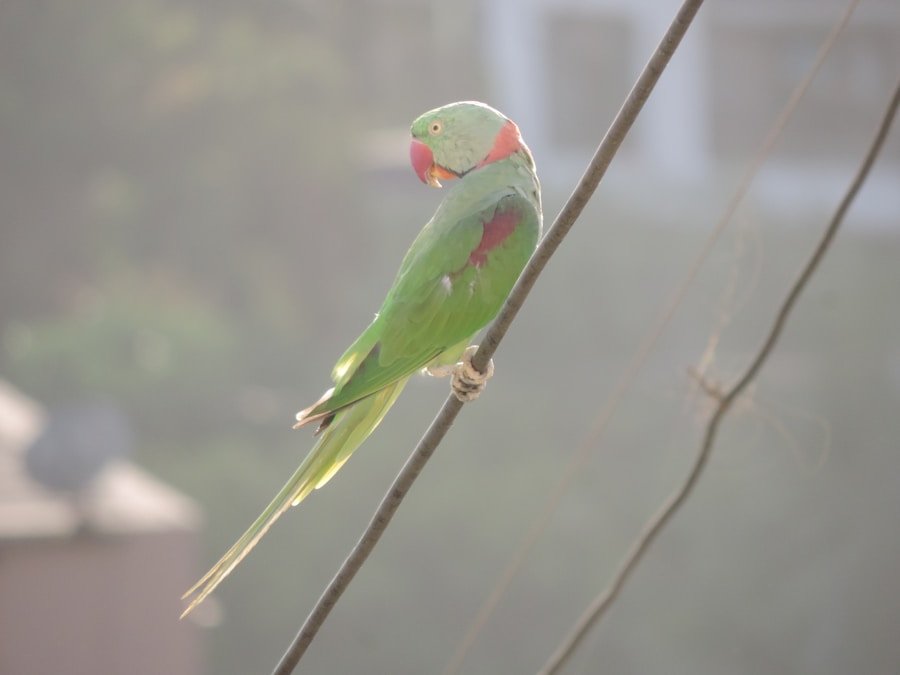
Parakeets are small birds that typically measure between 7 to 10 inches in length, depending on the species. Their most striking feature is their vibrant plumage, which can range from bright greens and yellows to deep blues and whites. The coloration often varies based on the specific species and can be influenced by genetic factors.
For instance, budgerigars come in a variety of color mutations, including lutino (yellow) and albino (white), which are particularly sought after by breeders. In addition to their colorful feathers, parakeets have a distinctive body shape characterized by a long tail and a relatively small head. Their beaks are strong and curved, designed for cracking seeds and nuts, which are staples in their diet.
This unique foot structure aids in their climbing abilities and contributes to their playful nature.
Habitat and Behavior of Parakeets
| Aspect | Information |
|---|---|
| Habitat | Parakeets are found in a variety of habitats including forests, savannas, grasslands, and urban areas. |
| Behavior | Parakeets are social birds and often form large flocks. They are known for their playful and curious nature. |
| Feeding | Parakeets primarily feed on seeds, fruits, and vegetation. They are also known to eat insects and small invertebrates. |
| Reproduction | Parakeets typically nest in tree hollows or cavities and lay a clutch of 4-6 eggs. They are known for their monogamous mating behavior. |
In the wild, parakeets inhabit open grasslands and woodlands across Australia, where they thrive in flocks. Their social nature is evident in their behavior; they are highly gregarious birds that prefer to live in groups. This flocking instinct is not only a survival mechanism but also plays a crucial role in their social development.
In captivity, it is essential to provide them with an environment that mimics their natural habitat as closely as possible. Parakeets are known for their playful antics and curious personalities. They enjoy exploring their surroundings, climbing on toys, and interacting with their human companions.
Their vocalizations range from soft chirps to loud squawks, reflecting their mood and social interactions. Providing them with plenty of toys and opportunities for mental stimulation is vital for their well-being. Additionally, regular interaction with their owners can help prevent boredom and promote a strong bond between bird and human.
Diet and Nutrition for Parakeets
A balanced diet is crucial for the health and longevity of parakeets. In the wild, they primarily feed on seeds, fruits, vegetables, and occasionally insects. In captivity, it is essential to replicate this varied diet to ensure they receive all necessary nutrients.
High-quality seed mixes formulated specifically for parakeets should form the basis of their diet. However, seeds alone are not sufficient; fresh fruits and vegetables should be offered daily to provide essential vitamins and minerals. Some excellent options for fruits include apples (without seeds), bananas, berries, and melons.
Leafy greens like kale, spinach, and parsley are also beneficial additions to their diet. It’s important to introduce new foods gradually to avoid digestive upset. Fresh water should always be available, as hydration is vital for their overall health.
Avoid feeding them avocado, chocolate, caffeine, or alcohol, as these can be toxic to birds.
Breeding and Reproduction of Parakeets
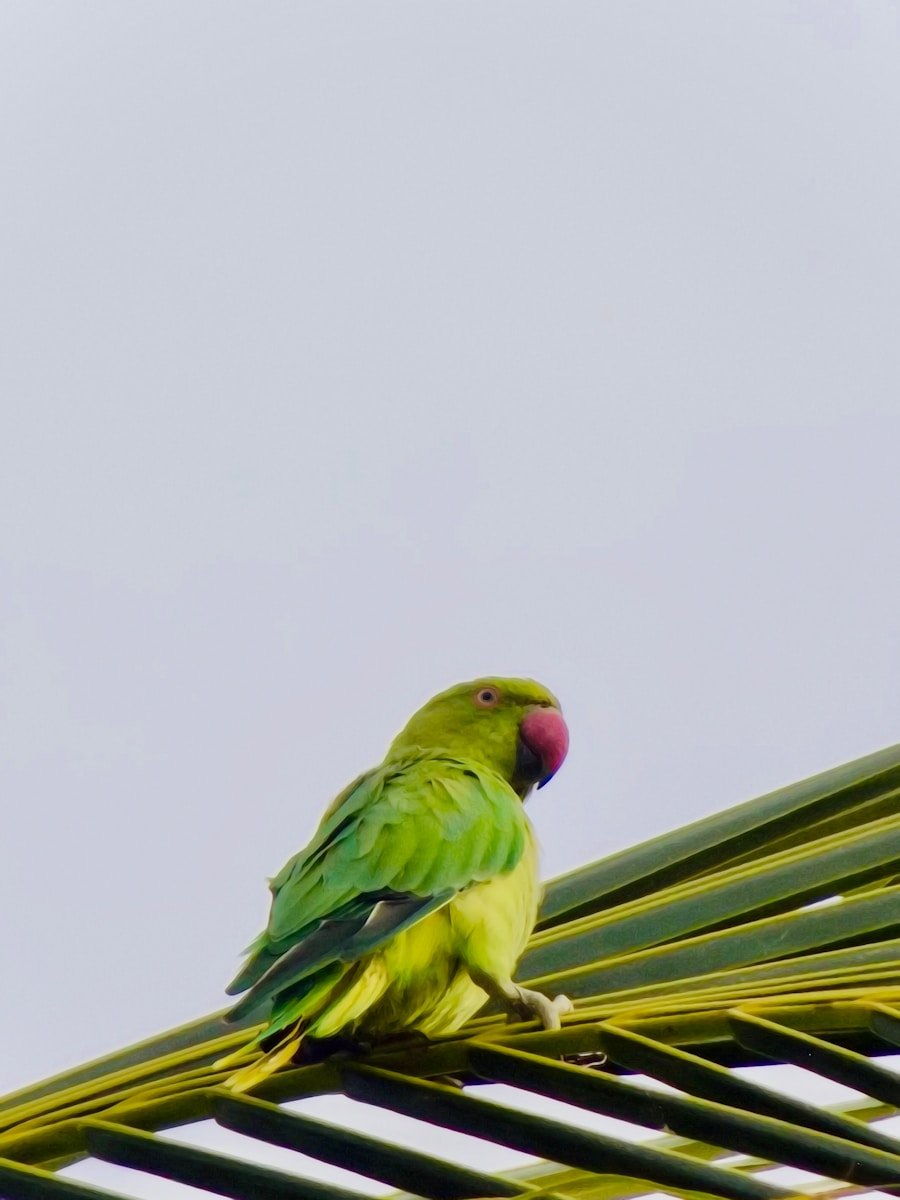
Breeding parakeets can be a rewarding experience for those interested in expanding their feathered family. In the wild, parakeets typically breed during the warmer months when food is abundant. They build nests in tree hollows or other sheltered areas where they can lay eggs safely.
In captivity, providing a suitable nesting box is essential for encouraging breeding behavior. Once a pair of parakeets has mated, the female will lay between 4 to 8 eggs, which she incubates for about 18 days before they hatch. After hatching, both parents play a role in caring for the chicks by feeding them regurgitated food until they are old enough to eat solid food on their own.
It’s important for potential breeders to research proper breeding practices thoroughly to ensure the health and well-being of both the parents and the chicks.
Common Health Issues in Parakeets
Like all pets, parakeets can be susceptible to various health issues that require attention from their owners. Some common health concerns include respiratory infections, feather plucking, and obesity. Respiratory infections can arise from poor air quality or exposure to drafts; therefore, maintaining a clean living environment is crucial for preventing these issues.
Feather plucking can occur due to stress or boredom; providing ample stimulation through toys and social interaction can help mitigate this behavior. Obesity is another concern that can arise from an imbalanced diet or lack of exercise; ensuring that your parakeet has a varied diet and opportunities for physical activity is essential for maintaining a healthy weight.
Tips for Caring for Pet Parakeets
Caring for pet parakeets requires commitment and attention to detail but can be incredibly rewarding. First and foremost, it’s essential to provide them with a spacious cage that allows for movement and play. The cage should be equipped with perches of varying sizes and textures to promote foot health.
Additionally, regular cleaning of the cage is necessary to prevent the buildup of waste and bacteria. Social interaction is vital for parakeets; they thrive on companionship—whether from other birds or humans. Spending time with your parakeet daily will help strengthen your bond while keeping them mentally stimulated.
Offering a variety of toys will also keep them engaged; consider rotating toys regularly to maintain their interest. In conclusion, parakeets are delightful companions that bring joy into many homes around the world. With proper care, attention to their dietary needs, and an understanding of their behavior and health concerns, these charming birds can thrive as beloved pets for years to come.
Whether you’re considering adding a parakeet to your family or already have one as a pet, understanding their needs will ensure a happy life together filled with chirps of joy!
If you are a bird lover, you may also be interested in learning about how much it costs to care for a pet bird. According to The Paw Wise, the cost of caring for a pet bird can vary depending on the species and size of the bird. From food and toys to veterinary care, there are many factors to consider when budgeting for a feathered friend like a parakeet.
FAQs
What is a Parakeet?
A parakeet is a small to medium-sized species of parrot, known for its vibrant plumage and playful nature. They are popular pets due to their intelligence and ability to mimic human speech.
What do Parakeets eat?
In the wild, parakeets primarily eat a diet of seeds, fruits, and vegetation. As pets, they can be fed a combination of commercial bird seed mixes, fresh fruits and vegetables, and the occasional treat such as millet spray.
How long do Parakeets live?
With proper care, parakeets can live for an average of 7-10 years, although some have been known to live up to 15 years or more in captivity.
How do you care for a Parakeet?
Caring for a parakeet involves providing a spacious cage, a balanced diet, fresh water, regular exercise, and mental stimulation. They also require regular social interaction and mental stimulation to thrive.
Can Parakeets talk?
Yes, parakeets are known for their ability to mimic human speech and other sounds. With patience and training, many parakeets can learn to say a variety of words and phrases.
Are Parakeets social animals?
Yes, parakeets are highly social animals and thrive on interaction with their human caregivers as well as other parakeets. It is recommended to keep them in pairs or small groups for companionship.