Table of Contents
In recent years, the allure of snuggly exotic pets has captured the hearts of many animal lovers. Unlike traditional pets such as dogs and cats, exotic pets offer a unique charm and a sense of adventure that can be incredibly appealing. These animals often come with fascinating behaviors and characteristics that can enrich the lives of their owners.
The idea of having a pet that is not only adorable but also a conversation starter is enticing for many. Exotic pets can provide companionship and affection, much like their more common counterparts, but with an added layer of intrigue. Moreover, the bond formed with an exotic pet can be incredibly rewarding.
Many of these animals are known for their affectionate nature, often seeking out human interaction and cuddling. This snuggly aspect makes them particularly appealing to those who may not have the time or space for a larger pet. The joy of having a small, cuddly creature to hold and care for can be a source of comfort and happiness, making them ideal companions for various lifestyles.
Key Takeaways
- Snuggly exotic pets offer unique companionship and appeal to those looking for non-traditional animal companions.
- The top 5 snuggly exotic pets to consider are sugar gliders, hedgehogs, chinchillas, ferrets, and pygmy goats.
- Tips for bonding with your snuggly exotic pet include spending quality time together, providing enrichment activities, and being patient and understanding.
- Creating a cozy environment for your snuggly exotic pet involves providing a comfortable enclosure, appropriate bedding, and a balanced diet.
- Socialization is crucial for snuggly exotic pets to ensure they are well-adjusted and comfortable around humans and other animals.
The top 5 snuggly exotic pets to consider
Hedgehogs: Quirky and Cuddly
When it comes to snuggly exotic pets, hedgehogs are a popular choice due to their quirky personalities and manageable care requirements. With proper handling, hedgehogs can become quite affectionate, curling up in your hands or snuggling into your lap.
Sugar Gliders and Rabbits: Social Butterflies
Sugar gliders, small marsupials, thrive on social interaction and are known for their playful demeanor and love for cuddling. They are nocturnal creatures, making them perfect companions for those who enjoy late-night bonding sessions. Rabbits also make the list of snuggly exotic pets, known for their affectionate behavior and ability to be litter trained, making them suitable for indoor living.
Guinea Pigs and Ferrets: Social and Playful
Guinea pigs are social animals that thrive in pairs or groups, known for their sweet personalities and vocalizations. They enjoy being held and will often cuddle up to their owners, making them perfect for those looking for a snuggly companion. Ferrets are playful and curious creatures that can also be quite affectionate, enjoying interacting with their owners and seeking out cuddles after playtime.
Tips for bonding with your snuggly exotic pet
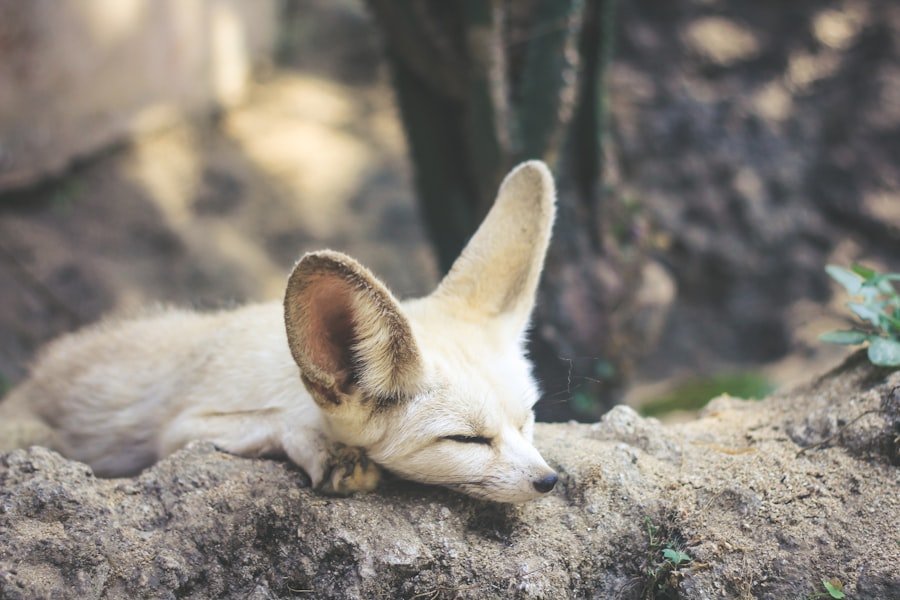
Building a strong bond with your snuggly exotic pet requires patience and understanding. One of the most effective ways to foster this connection is through consistent handling and interaction. Start by allowing your pet to acclimate to your presence without overwhelming them.
Spend time sitting near their habitat, talking softly to them, and offering treats to create positive associations with you. Once your pet seems comfortable, gradually introduce gentle handling sessions. For example, if you have a hedgehog, allow it to explore your hands before picking it up.
For sugar gliders, try offering treats from your hand to encourage them to come closer. The key is to let your pet set the pace; forcing interaction can lead to stress and anxiety. Another important aspect of bonding is playtime.
Engaging in interactive play not only helps build trust but also provides mental stimulation for your pet. For instance, ferrets love to explore tunnels and toys, while rabbits enjoy hopping around in a safe space. By participating in their playtime, you show your pet that you are a source of fun and companionship.
Lastly, be mindful of your pet’s body language. Understanding their signals will help you gauge their comfort level during interactions. If they seem anxious or withdrawn, give them space and try again later.
Building a bond takes time, but with patience and love, you can create a lasting relationship with your snuggly exotic pet.
Creating a cozy environment for your snuggly exotic pet
A cozy environment is essential for the well-being of any pet, especially for snuggly exotic animals that thrive on comfort and security. Start by selecting an appropriate habitat that meets the specific needs of your chosen pet. For example, hedgehogs require a spacious enclosure with plenty of bedding material to burrow into, while sugar gliders need a tall cage with branches and platforms for climbing.
Ensure that the habitat is equipped with cozy hiding spots where your pet can retreat when they need some alone time. This could include small tunnels or hammocks for sugar gliders or igloos for guinea pigs. Providing these safe spaces allows your pet to feel secure in their environment, which is crucial for building trust.
Temperature control is another important factor in creating a cozy environment. Many exotic pets are sensitive to temperature fluctuations, so it’s essential to maintain a stable climate within their habitat. For instance, hedgehogs prefer temperatures between 72°F and 80°F, while sugar gliders thrive in slightly cooler conditions around 65°F to 75°F.
Use heating pads or lamps as needed but ensure they are safe and cannot be accessed by your pet. Lastly, enrich your pet’s environment with toys and activities that stimulate their natural instincts. For example, provide chew toys for rabbits and guinea pigs to keep their teeth healthy while offering mental stimulation.
For ferrets, consider tunnels and climbing structures that encourage exploration and play. A well-rounded environment not only keeps your pet happy but also strengthens the bond you share.
The importance of socialization for snuggly exotic pets
Socialization plays a crucial role in the development of snuggly exotic pets. These animals thrive on interaction with both humans and other pets, which helps them develop confidence and reduce stress levels.
For instance, sugar gliders benefit from being handled regularly from a young age. This exposure helps them become accustomed to human interaction and reduces the likelihood of fear-based behaviors later on. Similarly, ferrets that are socialized early tend to be more playful and affectionate towards their owners.
In addition to human interaction, many exotic pets enjoy the company of their own kind. For example, guinea pigs are social animals that thrive in pairs or groups; having a companion can significantly enhance their quality of life. However, it’s essential to introduce new pets gradually to prevent territorial disputes or stress.
Regular socialization not only strengthens the bond between you and your pet but also contributes to their overall well-being. A well-socialized pet is more likely to exhibit positive behaviors and adapt better to new situations, making them more enjoyable companions.
Common misconceptions about snuggly exotic pets

Despite their growing popularity, there are several misconceptions surrounding snuggly exotic pets that potential owners should be aware of before making a commitment. One common myth is that all exotic pets require minimal care compared to traditional pets like dogs or cats. While some may have lower maintenance needs, many exotic animals require specialized care, including specific diets, habitat setups, and socialization needs.
Another misconception is that exotic pets do not bond with their owners as well as traditional pets do. In reality, many exotic animals are capable of forming strong attachments with their human caregivers when given proper attention and care. For instance, hedgehogs may initially seem aloof but can become quite affectionate once they feel secure in their environment.
Additionally, some people believe that all exotic pets are suitable for children or inexperienced owners. While certain species may be more forgiving than others, many require knowledgeable handling due to their unique needs or temperaments. It’s essential for prospective owners to research thoroughly before bringing an exotic pet into their home.
Lastly, there is a misconception that all exotic pets are low-cost options compared to traditional pets. While initial purchase prices may vary widely among species, ongoing care costs such as specialized diets, veterinary care, and habitat maintenance can add up quickly. Understanding these financial commitments is crucial before deciding on an exotic pet.
Potential challenges of owning a snuggly exotic pet
Owning a snuggly exotic pet comes with its own set of challenges that potential owners should consider before making a commitment. One significant challenge is the need for specialized care; many exotic pets have unique dietary requirements or habitat needs that differ from traditional pets. For example, sugar gliders require a balanced diet rich in fruits and insects, while hedgehogs need high-protein foods supplemented with occasional treats.
Another challenge is the potential for behavioral issues if proper socialization is not provided early on. Some exotic pets may become fearful or aggressive if they do not receive adequate handling or exposure to different environments during their formative weeks.
Health concerns can also pose challenges for owners of exotic pets. Many species are prone to specific health issues that require regular veterinary care from professionals experienced in treating exotic animals. Finding a qualified veterinarian may be more challenging than it would be for traditional pets, leading to potential delays in treatment if health issues arise.
Lastly, some exotic pets have longer lifespans than traditional pets; this means potential owners should be prepared for long-term commitments that may last over a decade or more. Understanding the lifespan of your chosen species is crucial in determining whether you can provide the necessary care throughout its life.
Is a snuggly exotic pet right for you?
Deciding whether a snuggly exotic pet is right for you involves careful consideration of various factors including lifestyle, commitment level, and personal preferences. These unique animals offer companionship and affection but come with specific care requirements that must be met consistently for them to thrive. If you have the time and resources to dedicate to an exotic pet’s needs—such as creating an enriching environment, providing proper nutrition, and ensuring regular socialization—you may find immense joy in welcoming one into your home.
However, if you lead a busy lifestyle or prefer low-maintenance companions, it might be worth reconsidering whether an exotic pet aligns with your expectations. Ultimately, owning a snuggly exotic pet can be an incredibly rewarding experience filled with love and companionship when approached thoughtfully and responsibly. By understanding the unique needs of these animals and committing to providing them with the best possible care, you can create lasting bonds that enrich both your life and theirs.
If you’re looking for a snuggly exotic pet, consider a dwarf Campbell Russian hamster. These small creatures are known for their cuddly nature and make great companions. For more information on how to care for these adorable pets, check out this Dwarf Campbell Russian Hamster Care Guide. Additionally, if you’re interested in providing your furry friend with the best nutrition possible, you may want to explore the Top 10 Superfoods for Dogs and Cats. And if you’re considering getting a dog for the first time, be sure to check out the 10 Best Dog Breeds for First Time Owners article for some helpful tips.
FAQs
What are some exotic pets that are known for being snuggly?
Some exotic pets that are known for being snuggly include sugar gliders, hedgehogs, chinchillas, and certain species of parrots.
Are there any exotic pets that are not recommended for snuggling?
Yes, there are some exotic pets that are not recommended for snuggling, such as reptiles and certain species of birds. These animals may not enjoy physical contact or may pose a risk of injury to their owners.
What should I consider before getting an exotic pet for snuggling?
Before getting an exotic pet for snuggling, it’s important to consider the animal’s specific needs, temperament, and care requirements. Researching the species thoroughly and understanding their behavior is crucial before making a decision.
Are there any legal restrictions on owning certain exotic pets for snuggling?
Yes, there are legal restrictions on owning certain exotic pets for snuggling, as some species may be protected under wildlife conservation laws or may require special permits to own. It’s important to check local and national regulations before acquiring an exotic pet.