Table of Contents
The Grey Syrian Hamster, often simply referred to as the Syrian hamster, is one of the most popular pet hamster breeds around the world. Known for their friendly demeanor and charming personalities, these little creatures have captured the hearts of many pet enthusiasts. Originating from the arid regions of Syria, these hamsters were first discovered in the 1930s and have since become a staple in households as beloved companions.
Their easy-going nature and relatively simple care requirements make them an ideal choice for both novice and experienced pet owners alike. As a solitary species, Grey Syrian hamsters thrive when given their own space, making them unique among other hamster breeds that may enjoy social interaction. Their captivating antics and playful behavior provide endless entertainment, while their manageable size allows them to fit comfortably into various living environments.
Whether you are considering adding a furry friend to your family or simply want to learn more about this delightful breed, understanding the Grey Syrian hamster’s characteristics, needs, and care requirements is essential. About Pawwise is a website where you can find helpful information about pet care and training.
Key Takeaways
- The Grey Syrian Hamster is a popular small pet known for its friendly and gentle nature.
- Grey Syrian Hamsters have a stocky build with short legs, a short tail, and a dense coat of fur.
- These hamsters are nocturnal and may be more active during the evening and night.
- A balanced diet for a Grey Syrian Hamster includes a mix of pellets, fresh fruits and vegetables, and occasional treats.
- When housing a Grey Syrian Hamster, provide a spacious cage with bedding, hiding spots, and toys for mental stimulation.
Physical Characteristics of the Grey Syrian Hamster
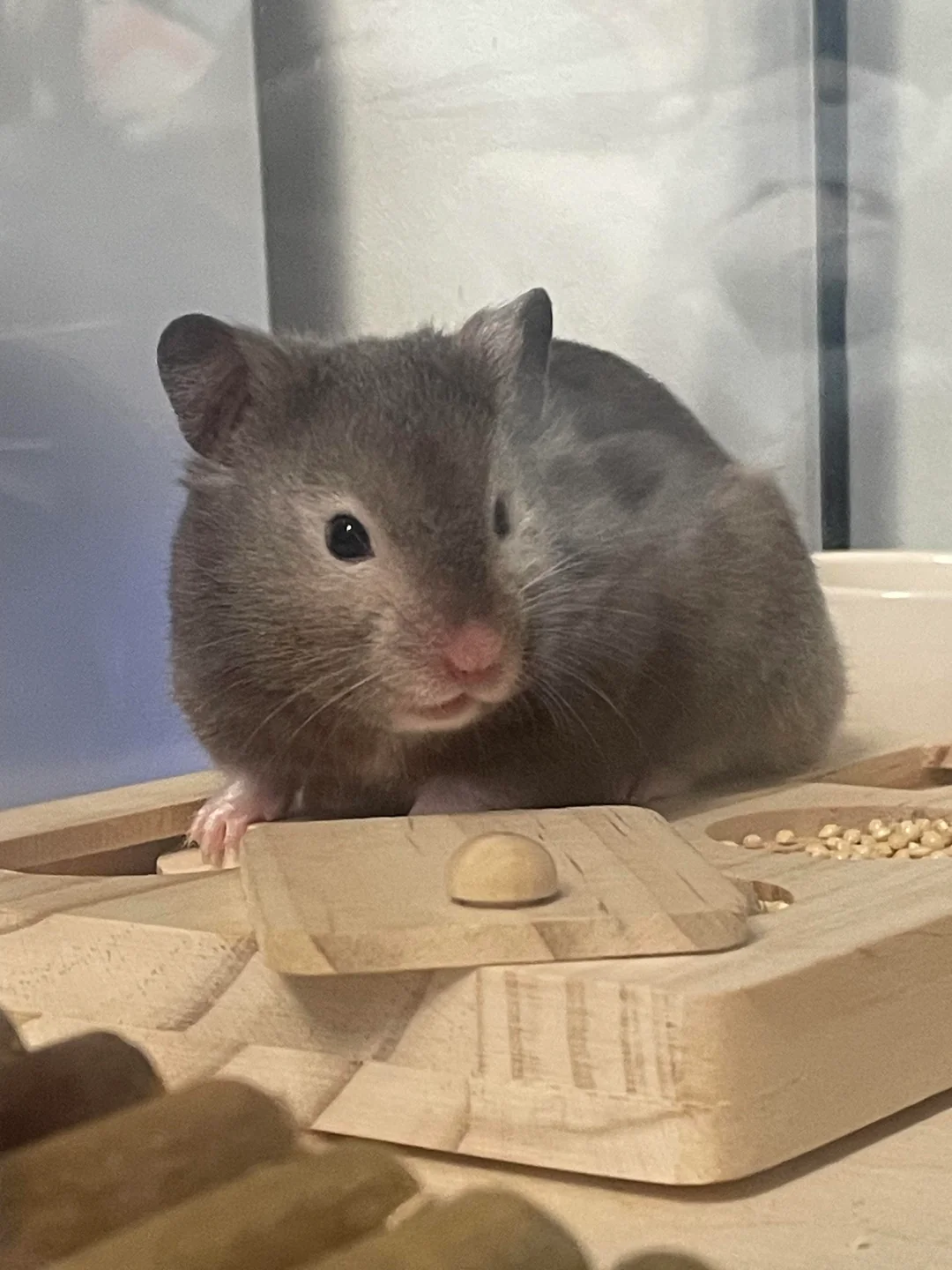
The Grey Syrian Hamster is easily recognizable due to its distinct physical features. Typically, they have a robust body that can grow up to 6-7 inches in length, making them one of the largest hamster breeds. Their fur is soft and plush, with a beautiful grey coloration that can range from light silver to a deeper slate hue.
This breed also has a rounded face with large, expressive eyes that can be black or dark brown, giving them an endearing appearance that many find irresistible. In addition to their striking fur color, Grey Syrian hamsters possess short legs and small paws that are perfectly adapted for digging and climbing. Their cheek pouches are another notable feature; these pouches allow them to store food and transport it back to their burrows.
The combination of their physical traits not only makes them visually appealing but also contributes to their playful and curious nature. Overall, the Grey Syrian hamster’s unique appearance is one of the many reasons they have become such a popular choice among pet owners.
Behavior and Temperament of the Grey Syrian Hamster
Grey Syrian hamsters are known for their gentle and friendly temperament, which makes them excellent pets for families and individuals alike. They are generally calm creatures that enjoy interacting with their human companions, especially when handled regularly from a young age. While they can be shy at first, with patience and gentle handling, they often become quite affectionate and may even recognize their owners over time.
One of the most fascinating aspects of the Grey Syrian hamster’s behavior is their natural curiosity. They love to explore their surroundings, which is why providing them with a stimulating environment is crucial. These hamsters are also nocturnal, meaning they are most active during the night. This behavior can be entertaining for owners who enjoy watching their pets engage in playful antics during the evening hours.
However, it’s important to respect their sleep schedule during the day, as they need plenty of rest to stay healthy and happy.
Diet and Nutrition for the Grey Syrian Hamster
| Metric | Recommendation |
|---|---|
| Food | High-quality hamster pellets, fresh vegetables, and occasional treats like fruits and nuts |
| Water | Always have fresh, clean water available in a water bottle |
| Protein | 16-20% of the diet should be protein, which can be obtained from the pellets and occasional mealworms or cooked eggs |
| Fiber | Around 15% of the diet should be fiber, which can be obtained from hay and fresh vegetables |
| Vitamins and Minerals | Ensure the diet includes a variety of vegetables to provide essential vitamins and minerals |
A well-balanced diet is essential for maintaining the health and vitality of your Grey Syrian hamster. In the wild, these hamsters primarily feed on seeds, grains, fruits, and vegetables. To replicate this natural diet in captivity, it is important to provide a high-quality commercial hamster food that contains a mix of seeds and pellets specifically formulated for Syrian hamsters.
This ensures they receive all the necessary nutrients for optimal health. In addition to commercial food, fresh fruits and vegetables can be offered as occasional treats. Some safe options include carrots, broccoli, apples (without seeds), and cucumber.
However, it’s crucial to introduce new foods gradually to avoid digestive upset. Fresh water should always be available, either in a water bottle or a shallow dish. Monitoring your hamster’s diet is essential; overfeeding can lead to obesity, which is a common concern among pet hamsters.
Housing and Habitat Requirements for the Grey Syrian Hamster
Creating a suitable habitat for your Grey Syrian hamster is vital for their well-being. A spacious cage is essential; ideally, it should be at least 24 inches long by 12 inches wide with a height of 12 inches or more. This allows ample room for your hamster to explore, exercise, and create a comfortable living space.
Wire cages with solid bottoms or glass aquariums with proper ventilation are both excellent options. Bedding material plays an important role in your hamster’s habitat as well. Choose safe bedding such as aspen shavings or paper-based bedding that is free from harmful chemicals or fragrances.
Avoid cedar or pine shavings, as they can be harmful to your hamster’s respiratory system. Additionally, providing hiding spots like tunnels or small houses will help your hamster feel secure in their environment. Regular cleaning of the cage is necessary to maintain hygiene and prevent odors; aim to spot clean daily and perform a thorough cleaning weekly.
Health and Wellness Considerations for the Grey Syrian Hamster
Like all pets, Grey Syrian hamsters require regular health check-ups to ensure they remain in good condition. Common health issues include obesity, dental problems, and skin conditions. To prevent obesity, monitor your hamster’s diet closely and provide opportunities for exercise through toys like wheels or tunnels.
Dental health is also crucial; ensure your hamster has access to chew toys that help wear down their continuously growing teeth.
Additionally, keep an eye out for signs of illness such as lethargy, changes in appetite, or unusual behavior.
If you notice any concerning symptoms, consult a veterinarian who specializes in small animals or exotic pets.
Regular handling can also help you become familiar with your hamster’s normal behavior, making it easier to spot any changes that may indicate health issues.
Breeding and Reproduction of the Grey Syrian Hamster
Breeding Grey Syrian hamsters requires careful consideration and preparation due to their solitary nature. Unlike some other hamster breeds that thrive in pairs or groups, Syrian hamsters are territorial and should be housed alone once they reach maturity at around 4-6 weeks old. If you decide to breed them, it’s essential to house males and females separately until you are ready for mating.
Pregnancy in female hamsters lasts about 16-18 days, after which they will give birth to a litter of typically 6-12 pups.
It’s crucial to provide a quiet and stress-free environment during this time to ensure the health of both the mother and her pups. After birth, avoid handling the babies until they are at least three weeks old to minimize stress on the mother and her litter.
Tips for Caring for a Grey Syrian Hamster as a Pet
Caring for a Grey Syrian hamster can be a rewarding experience if you follow some essential tips. First and foremost, establish a routine for handling your hamster gently and regularly from a young age; this helps build trust between you and your pet. Always approach your hamster slowly and avoid sudden movements that may startle them.
Additionally, enrich your hamster’s environment with various toys and activities to keep them mentally stimulated. Items like tunnels, chew toys, and climbing structures can provide hours of entertainment while promoting physical activity. Lastly, remember that patience is key; every hamster has its own personality and may take time to adjust to its new home.
In conclusion, the Grey Syrian hamster is an enchanting pet that brings joy and companionship into many households. With proper care, attention, and love, these little creatures can thrive in their environments while providing endless entertainment for their owners. Whether you are considering adopting one or already have a furry friend at home, understanding their needs will ensure a happy life together!
If you are interested in learning more about different hamster breeds, you may want to check out this article on caring for your Black Syrian Hamster here. It provides valuable information on how to properly care for this specific type of hamster, similar to the Grey Syrian.
FAQs
What is a Grey Syrian hamster?
A Grey Syrian hamster is a popular breed of hamster known for its friendly and docile nature. It is also referred to as the Golden hamster or Teddy bear hamster.
What does a Grey Syrian hamster look like?
Grey Syrian hamsters have a dense, soft fur that can range in color from grey to golden brown. They have a stocky build and are known for their large, round eyes and small, furry ears.
What are the characteristics of a Grey Syrian hamster?
Grey Syrian hamsters are known for being friendly, gentle, and easy to handle. They are also solitary animals and should be housed alone to prevent fighting.
What do Grey Syrian hamsters eat?
Grey Syrian hamsters are omnivores and should be fed a diet that includes a mix of commercial hamster food, fresh fruits and vegetables, and occasional treats such as mealworms or small pieces of cooked chicken.
How big do Grey Syrian hamsters get?
Grey Syrian hamsters typically grow to be around 5 to 7 inches in length, making them one of the larger breeds of hamsters.
What type of habitat do Grey Syrian hamsters need?
Grey Syrian hamsters require a spacious cage with plenty of bedding for burrowing, as well as a wheel for exercise and chew toys to keep their teeth healthy. They also need a hideout for privacy and a water bottle for hydration.