Table of Contents
Quaker parrots, also known as Monk Parakeets, are small, vibrant birds that have captured the hearts of avian enthusiasts around the world. Originating from South America, particularly Argentina, these charming little creatures are known for their playful personalities and remarkable ability to mimic human speech. Their popularity as pets has surged in recent years, thanks to their engaging nature and relatively manageable size.
Quaker parrots are not just beautiful to look at; they also possess a unique set of characteristics that make them fascinating companions. These birds are characterized by their bright green plumage, with a distinctive grayish breast and a cheerful demeanor that can brighten any room. Quaker parrots are social creatures that thrive on interaction, making them ideal pets for those who can dedicate time to their care and companionship.
As we delve deeper into the world of Quaker parrots, we will explore their behavior, care needs, and the joys of having one as a pet.
Key Takeaways
- Quaker parrots, also known as monk parakeets, are highly intelligent and social birds that make great pets for those willing to invest time and effort into their care.
- Understanding Quaker parrot behavior is essential for providing them with a stimulating and enriching environment, as they thrive on social interaction and mental stimulation.
- Proper care and housing for Quaker parrots includes providing a spacious cage, plenty of toys, and regular out-of-cage time for exercise and socialization.
- A well-balanced diet for Quaker parrots consists of a variety of fresh fruits, vegetables, seeds, and pellets to ensure they receive all the necessary nutrients for optimal health.
- Training and socialization are crucial for building a strong bond with your Quaker parrot, and positive reinforcement techniques can help shape their behavior and encourage trust and cooperation.
Understanding Quaker Parrot Behavior
Quaker parrots are known for their lively and inquisitive nature. They are highly social birds that enjoy being part of a family dynamic. In the wild, they live in large colonies, which contributes to their gregarious behavior.
This social aspect means that they often seek companionship from their human caregivers and can become quite attached to them. Quakers are also known for their playful antics; they love to explore their surroundings, play with toys, and engage in interactive games. Their intelligence is remarkable, and they require mental stimulation to keep them happy and healthy.
One of the most endearing traits of Quaker parrots is their ability to mimic sounds and speech. They can learn a variety of words and phrases, often picking up on the tone and inflection of their human companions. This ability makes them not only entertaining but also capable of forming strong bonds with their owners.
However, it’s essential to note that their vocalizations can be quite loud at times, which may not be suitable for every household. Understanding their behavior is crucial for potential owners, as it helps in creating an environment where these birds can thrive.
Quaker Parrot Care and Housing
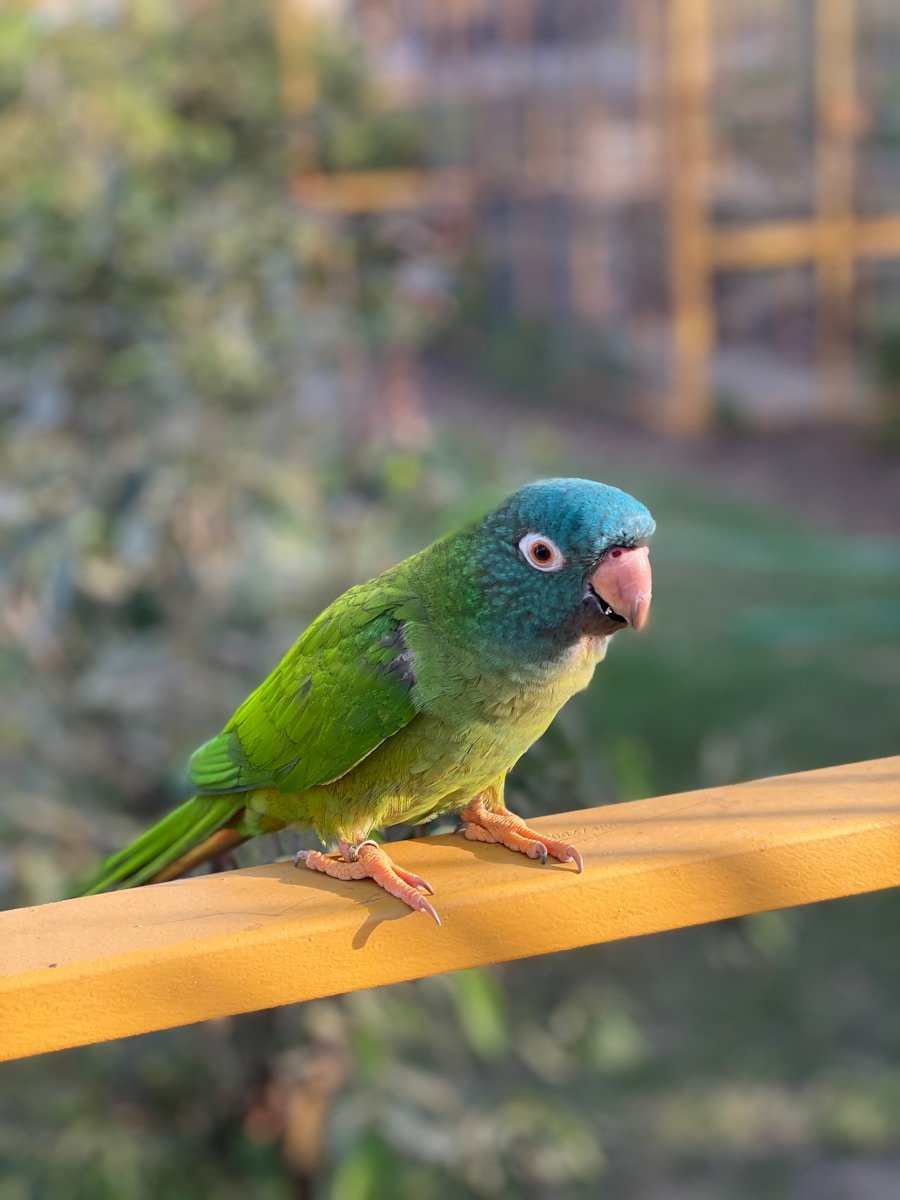
Providing a suitable living environment for a Quaker parrot is essential for its well-being. These birds require a spacious cage that allows them to move around freely and engage in physical activity. A cage with dimensions of at least 24 inches wide, 24 inches deep, and 36 inches high is recommended for a single Quaker parrot.
The bars should be spaced appropriately to prevent escape or injury, typically no more than ¾ inch apart. Inside the cage, it’s important to include perches of varying sizes and materials to promote foot health and provide opportunities for climbing. In addition to a spacious cage, Quaker parrots benefit from regular out-of-cage time.
This allows them to explore their surroundings safely while interacting with their owners. Creating a bird-safe area in your home is crucial; this means removing any potential hazards such as toxic plants, open windows, or small objects that could be swallowed. Regular cleaning of the cage and play area is also necessary to maintain hygiene and prevent illness.
Diet and Nutrition for Quaker Parrots
| Aspect | Recommendation |
|---|---|
| Seed Mix | Provide a high-quality seed mix as the main component of the diet |
| Fresh Vegetables | Offer a variety of fresh vegetables such as carrots, broccoli, and leafy greens |
| Fruits | Include fruits like apples, bananas, and berries in moderation |
| Protein | Supplement with sources of protein such as cooked eggs or legumes |
| Cuttlebone | Provide a cuttlebone for calcium supplementation |
A balanced diet is vital for the health of Quaker parrots. In the wild, they primarily feed on seeds, fruits, and vegetables, which should be mirrored in captivity. A high-quality pellet formulated specifically for parrots should form the basis of their diet, supplemented with fresh fruits and vegetables daily.
Some excellent options include leafy greens like kale and spinach, as well as fruits such as apples, bananas, and berries. It’s important to avoid feeding them avocado, chocolate, or caffeine, as these can be toxic to birds. Hydration is equally important; fresh water should always be available in their cage.
Additionally, offering occasional treats like nuts or seeds can be a great way to bond with your Quaker parrot while ensuring they receive a varied diet. Monitoring their weight and adjusting their food intake accordingly is essential to prevent obesity, which can lead to various health issues.
Training and Socialization of Quaker Parrots
Training a Quaker parrot can be a rewarding experience for both the bird and its owner.
Starting with basic commands like “step up” or “come here” can help establish a foundation for further training.
Consistency is key; regular training sessions will reinforce learning and strengthen the bond between you and your parrot. Socialization is equally important for Quaker parrots. Exposing them to different environments, people, and other pets can help them develop confidence and reduce fearfulness.
Engaging in interactive playtime and providing toys that challenge their intellect will keep them mentally stimulated and happy.
Common Health Issues in Quaker Parrots
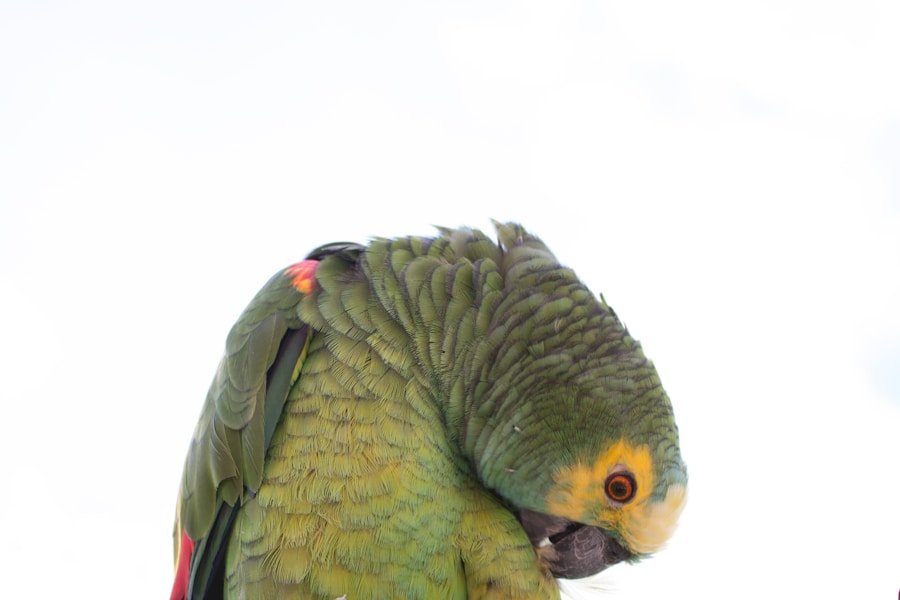
Like all pets, Quaker parrots can be susceptible to various health issues if not properly cared for. One common concern is obesity, which can arise from an imbalanced diet or lack of exercise. Regular monitoring of their weight and ensuring they have ample opportunities for physical activity can help mitigate this risk.
Additionally, respiratory issues can occur due to poor air quality or exposure to harmful substances like smoke or strong odors. Another health concern is feather plucking or self-mutilation, often stemming from stress or boredom. Providing a stimulating environment with plenty of toys and social interaction can help prevent these behaviors.
Regular veterinary check-ups are essential for early detection of any health issues; avian veterinarians can provide guidance on proper care and preventive measures.
Breeding and Reproduction of Quaker Parrots
Breeding Quaker parrots requires careful consideration and preparation. These birds typically reach sexual maturity between 1-2 years of age. When breeding pairs are established, it’s crucial to provide them with a suitable nesting box within their cage to encourage natural behaviors.
The female will lay eggs after mating, usually producing between 4-8 eggs per clutch. Incubation lasts about 24 days before the chicks hatch. Once hatched, the chicks rely heavily on their parents for care during the first few weeks of life.
It’s essential to monitor the breeding pair closely during this time to ensure they are adequately feeding and caring for their young. If you’re considering breeding Quaker parrots, it’s important to research thoroughly and understand the responsibilities involved in raising healthy chicks.
Building a Strong Bond with Your Quaker Parrot
In conclusion, Quaker parrots make delightful companions for those willing to invest time and effort into their care and socialization. Their playful nature, intelligence, and ability to mimic speech create a unique bond between them and their owners. By understanding their behavior, providing proper housing and nutrition, engaging in training sessions, and being aware of potential health issues, you can ensure a happy life for your feathered friend.
Building a strong bond with your Quaker parrot takes patience and dedication but is ultimately rewarding. These birds thrive on interaction and love being part of family activities. With the right care and attention, your Quaker parrot will not only enrich your life but also become an integral part of your family dynamic—bringing joy, laughter, and companionship for years to come.
If you are interested in learning about another unique and majestic pet, check out The Majestic Flemish Giant: A Gentle Giant Among Rabbits. Just like Quaker Parrots, these rabbits are known for their gentle nature and make wonderful additions to any home.
FAQs
What is a Quaker Parrot?
A Quaker Parrot, also known as a Monk Parakeet, is a small, colorful parrot species native to South America. They are known for their social nature and ability to mimic human speech.
What do Quaker Parrots eat?
Quaker Parrots primarily eat a diet of seeds, fruits, vegetables, and some commercial parrot pellets. It’s important to provide a varied and balanced diet to ensure their nutritional needs are met.
Are Quaker Parrots good pets?
Quaker Parrots can make great pets for the right owner. They are social, intelligent, and can be trained to do tricks and mimic speech. However, they require a lot of attention and interaction, so they may not be suitable for everyone.
Do Quaker Parrots need a lot of space?
Quaker Parrots are active birds and need a spacious cage to move around and exercise. They also benefit from out-of-cage time for flying and exploring, so it’s important to provide a safe and bird-proofed area for them to do so.
Are Quaker Parrots noisy?
Quaker Parrots are known for their vocalizations and can be noisy at times, especially during their active periods. However, with proper training and socialization, their noise level can be managed to some extent.