Table of Contents
The Dominant Spot Hamster is a captivating breed that has gained popularity among pet enthusiasts for its unique appearance and charming personality. This breed is a variation of the Syrian hamster, known for its distinctive coat pattern that features large, irregular spots on a solid background. The Dominant Spot Hamster is not just a pretty face; it also boasts a friendly demeanor, making it an excellent choice for both novice and experienced pet owners.
As we delve deeper into the world of the Dominant Spot Hamster, we will explore its history, physical characteristics, behavior, care needs, and more. Originating from the same lineage as the Syrian hamster, the Dominant Spot Hamster was developed through selective breeding to enhance its striking coat patterns. This breed has become increasingly popular in recent years, particularly in the United States and Europe, where hamster shows and competitions have highlighted its unique traits.
The combination of its eye-catching appearance and amiable nature has made the Dominant Spot Hamster a favorite among families and individuals alike. About Pawwise is a website where you can find helpful information about pet care and training.
Key Takeaways
- The Dominant Spot Hamster is a popular breed known for its distinctive coat pattern and friendly nature.
- These hamsters have a unique coat pattern with a large spot on their back and smaller spots on their sides.
- Dominant Spot Hamsters are known for their friendly and social behavior, making them great pets for families and individuals.
- When housing Dominant Spot Hamsters, it’s important to provide a spacious cage with plenty of bedding and enrichment activities.
- A well-balanced diet for Dominant Spot Hamsters includes a mix of pellets, fresh fruits and vegetables, and occasional treats.
Physical Characteristics of the Dominant Spot Hamster
Distinctive Coat Pattern
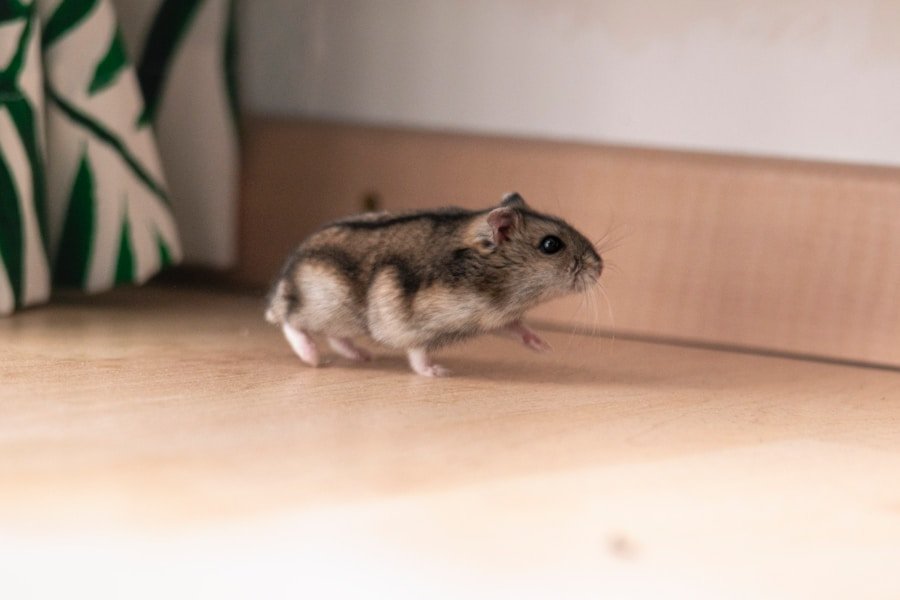
The Dominant Spot Hamster’s coat pattern is its most distinctive feature. The base color can range from golden to cream, and it’s adorned with irregularly shaped spots that can be black, brown, or gray. The contrast between the base color and the spots creates a visually striking appearance that’s sure to capture attention.
Physical Characteristics
In addition to their beautiful coats, Dominant Spot Hamsters have a robust body structure. They have a rounded face and small, expressive eyes that add to their charm. They are similar in size to other Syrian hamsters, typically between 100 to 200 grams and measuring around 5 to 7 inches in length. Their fur is soft and plush, requiring regular grooming to keep it looking its best.
Popularity in Hamster Shows
The breed’s physical characteristics not only make them appealing as pets but also contribute to their popularity in hamster shows. Their unique patterns are often celebrated, making them a favorite among hamster enthusiasts.
Behavior and Temperament of the Dominant Spot Hamster

The Dominant Spot Hamster is known for its friendly and sociable nature. These hamsters are generally more tolerant of handling than some other breeds, making them an excellent choice for families with children or first-time pet owners. They tend to be curious and playful, often engaging in activities such as running on their wheels or exploring their surroundings.
Their inquisitive nature means they enjoy interaction with their human companions, which can lead to strong bonds between pet and owner. While Dominant Spot Hamsters are generally friendly, it is essential to remember that each hamster has its own personality. Some may be more outgoing and adventurous, while others may be shy or reserved.
Early socialization is crucial in helping them develop a confident demeanor. Spending time with your hamster daily will help them become accustomed to human interaction and build trust over time. With patience and gentle handling, you can cultivate a loving relationship with your Dominant Spot Hamster.
Housing and Care for the Dominant Spot Hamster
| Aspect | Measurement |
|---|---|
| Minimum Cage Size | 450 square inches of floor space |
| Bedding Depth | At least 2 inches of bedding |
| Temperature | Between 65-75°F (18-24°C) |
| Humidity | Around 40-60% |
| Wheel Size | Minimum 8 inches in diameter |
| Diet | High-quality hamster food mix supplemented with fresh vegetables and occasional fruits |
| Water Source | Provided with a water bottle or water dispenser |
| Hideouts | At least 2 hideouts for privacy and security |
Creating a suitable living environment for your Dominant Spot Hamster is essential for their well-being. A spacious cage is necessary to accommodate their active nature; a minimum size of 24 inches long by 12 inches wide is recommended. The cage should have solid flooring rather than wire mesh to prevent injuries to their delicate feet.
Additionally, providing multiple levels or platforms can enhance their living space and encourage exploration. Bedding is another critical aspect of housing. Opt for safe materials such as aspen shavings or paper-based bedding, avoiding cedar or pine shavings due to their harmful oils.
Ensure that the cage is equipped with hiding spots, tunnels, and chew toys to keep your hamster entertained and mentally stimulated. Regular cleaning of the cage is vital to maintain hygiene; spot clean daily and perform a thorough clean every week to prevent odors and bacteria buildup.
Diet and Nutrition for the Dominant Spot Hamster
A balanced diet is crucial for the health of your Dominant Spot Hamster. In the wild, hamsters are omnivores, so their diet should reflect this by including a mix of commercial hamster pellets, fresh fruits, vegetables, and occasional protein sources like mealworms or boiled eggs. High-quality hamster pellets should form the foundation of their diet, providing essential nutrients that support overall health.
When introducing fresh foods, do so gradually to avoid digestive upset. Safe options include small pieces of carrots, broccoli, apples (without seeds), and leafy greens. Always wash fruits and vegetables thoroughly before offering them to your hamster.
It’s important to remember that treats should only make up a small portion of their diet; moderation is key to preventing obesity and other health issues.
Health and Common Issues of the Dominant Spot Hamster

Preventing Obesity
One common concern is obesity, which can result from overfeeding or lack of exercise. To prevent this, monitor their weight regularly and ensure they have ample opportunities for physical activity through toys and exercise wheels.
Maintaining Good Dental Health
Additionally, dental health is crucial; hamsters’ teeth continuously grow, so providing chew toys helps keep their teeth trimmed and healthy.
Recognizing and Addressing Health Concerns
Another potential health issue is wet tail, a serious gastrointestinal condition that can occur due to stress or poor diet. Symptoms include diarrhea, lethargy, and loss of appetite. If you notice any of these signs in your hamster, it’s essential to consult a veterinarian promptly. Regular check-ups can help catch any health concerns early on and ensure your Dominant Spot Hamster remains happy and healthy.
Breeding and Reproduction of the Dominant Spot Hamster
Breeding Dominant Spot Hamsters requires careful consideration and knowledge of genetics. If you’re interested in breeding these hamsters, it’s essential to understand the principles of inheritance related to their unique coat patterns. The dominant gene responsible for their distinctive spots can lead to various outcomes when paired with other hamsters; thus, it’s crucial to select breeding pairs wisely.
Pregnancy in hamsters lasts about 16-18 days, after which the female will give birth to a litter of typically 6-12 pups. It’s vital to provide a quiet and comfortable environment for the mother during this time. After birth, avoid handling the pups until they are at least three weeks old to minimize stress on both the mother and her young.
Once they are weaned, you can begin socializing them individually to prepare them for adoption or sale.
Conclusion and Summary of the Dominant Spot Hamster
In summary, the Dominant Spot Hamster is an enchanting breed that combines striking physical characteristics with an engaging temperament.
With proper care—including appropriate housing, diet, and attention to health concerns—these hamsters can thrive in a loving environment.
Whether you’re considering adding a Dominant Spot Hamster to your family or simply want to learn more about this delightful breed, understanding their needs will help ensure a happy life for both you and your furry friend.
If you are interested in learning about another fascinating pet, check out this article about the Abyssinian cat breed here. These cats are known for their unique appearance and playful personalities, making them a popular choice for many cat lovers.
FAQs
What is a Dominant Spot Hamster?
A Dominant Spot Hamster is a specific breed of hamster that is known for its unique coat pattern, which includes a large spot on its back. This breed is recognized for its distinct appearance and is popular among hamster enthusiasts.
What are the characteristics of a Dominant Spot Hamster?
Dominant Spot Hamsters are typically small in size, with a round body and short fur. They have a dominant spot on their back, which is a large, solid-colored patch that contrasts with the rest of their coat. They are known for their friendly and social nature, making them popular pets.
How do you care for a Dominant Spot Hamster?
Caring for a Dominant Spot Hamster involves providing a suitable habitat with bedding, food, and water. They require regular exercise and mental stimulation, so it’s important to provide them with toys and a wheel for running. Additionally, regular grooming and veterinary care are essential for their well-being.
What is the lifespan of a Dominant Spot Hamster?
On average, Dominant Spot Hamsters have a lifespan of around 2-3 years when properly cared for. Providing a healthy diet, a clean living environment, and regular veterinary check-ups can help ensure a longer and happier life for these pets.
Are Dominant Spot Hamsters good pets for children?
Dominant Spot Hamsters can make good pets for children, as they are generally friendly and easy to handle. However, it’s important to supervise young children when interacting with hamsters to ensure the animals are treated gently and with respect. Additionally, teaching children about proper care and handling of hamsters is crucial for their well-being.