Table of Contents
The Sable Hamster, a captivating and charming breed, has gained popularity among pet enthusiasts for its striking appearance and delightful personality. This breed is a color variation of the Syrian hamster, known for its rich, dark fur that resembles the luxurious coat of a sable animal. The Sable Hamster’s unique coloration, combined with its friendly demeanor, makes it an appealing choice for both novice and experienced pet owners alike.
As a member of the larger hamster family, the Sable Hamster shares many characteristics with its relatives but stands out due to its distinctive hue and engaging behavior. Originating from the Middle East, Syrian hamsters were first discovered in the 1930s and quickly became popular as pets. The Sable coloration emerged as breeders began to experiment with different genetic combinations, resulting in the beautiful dark fur that characterizes this breed today.
The Sable Hamster is not only a visual delight but also a testament to the dedication of breeders who have worked tirelessly to enhance the breed’s traits while ensuring their health and well-being. As we delve deeper into the world of Sable Hamsters, we will explore their housing needs, diet, behavior, and more, providing a comprehensive guide for potential owners. About Pawwise is a website where you can find helpful information about pet care and training.
Key Takeaways
- Sable hamsters are a popular small pet known for their friendly and curious nature.
- Providing a spacious and secure cage with proper bedding and hiding spots is essential for sable hamster housing.
- A balanced diet of pellets, fresh vegetables, and occasional treats is important for sable hamster nutrition.
- Gentle handling and regular socialization are key to building trust and bonding with sable hamsters.
- Regular veterinary check-ups and a clean living environment are crucial for preventing common health issues in sable hamsters.
Housing and Environment for Sable Hamsters
Creating a suitable living environment for your Sable Hamster is crucial for its overall health and happiness. A spacious cage is essential, as these little creatures are naturally active and require room to explore and exercise. A minimum cage size of 24 inches long by 12 inches wide is recommended, with vertical space being equally important.
Multi-level cages with ramps and platforms can provide additional space for climbing and playing. Ensure that the cage has proper ventilation and is made from safe materials, avoiding any sharp edges that could harm your pet. Bedding is another important consideration when setting up your Sable Hamster’s home.
Opt for soft, absorbent bedding made from paper or aspen shavings, as these materials are safe and comfortable for your pet. Avoid cedar or pine shavings, as they can be harmful to hamsters due to their strong aromatic oils. Additionally, provide hiding spots such as tunnels or small houses where your hamster can retreat to feel secure.
Regular cleaning of the cage is essential to maintain a healthy environment; spot clean daily and perform a thorough cleaning weekly to prevent odors and bacteria buildup.
Diet and Nutrition for Sable Hamsters
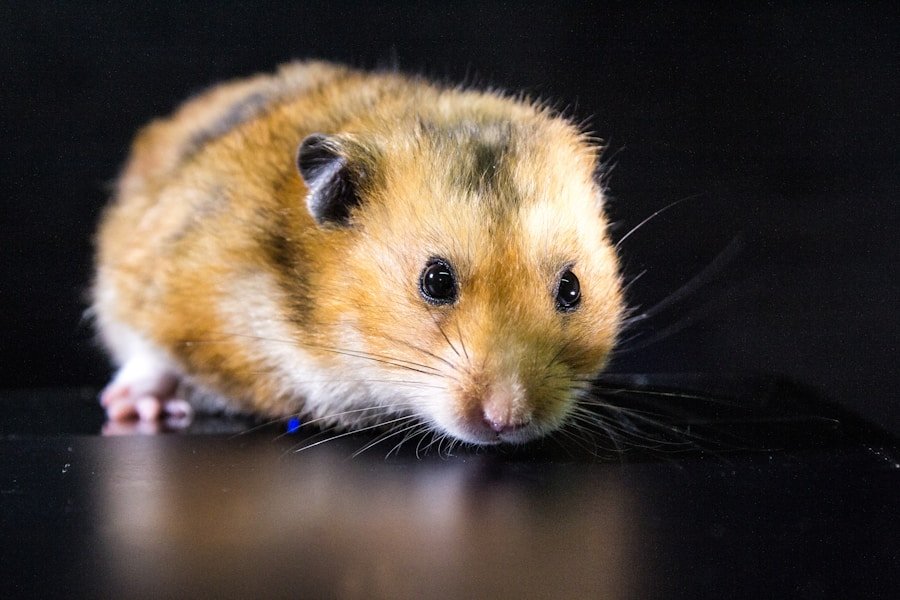
A balanced diet is vital for the health and longevity of your Sable Hamster. In the wild, hamsters are omnivores, consuming a variety of seeds, grains, fruits, and vegetables. To replicate this natural diet, provide a high-quality commercial hamster food that contains a mix of seeds, pellets, and grains specifically formulated for Syrian hamsters.
Look for products that list whole ingredients without artificial additives or preservatives. Fresh food should also be incorporated into their diet; small portions of fruits and vegetables like carrots, apples, or broccoli can be offered a few times a week. It’s important to monitor portion sizes when feeding your Sable Hamster.
Overfeeding can lead to obesity, which is a common issue among pet hamsters. Fresh water should always be available; use a water bottle with a sipper tube to keep it clean and prevent spills. Additionally, avoid feeding your hamster sugary or fatty treats, as these can lead to health problems over time.
By providing a balanced diet rich in nutrients, you can help ensure that your Sable Hamster remains healthy and active throughout its life.
Handling and Socialization of Sable Hamsters
| Metrics | Value |
|---|---|
| Handling frequency | 3-4 times per week |
| Socialization time | 1-2 hours per day |
| Preferred handling time | Evening |
| Recommended socialization activities | Playpen exploration, supervised exercise ball time, gentle petting |
Handling your Sable Hamster regularly is essential for building trust and ensuring a positive relationship between you and your pet. Start by allowing your hamster to acclimate to its new environment before attempting to handle it. Once it seems comfortable, gently scoop it up using both hands or let it crawl into your palm.
Be patient; some hamsters may take longer than others to feel secure in human hands. Avoid sudden movements or loud noises during handling sessions, as these can startle your pet. Socialization is equally important for Sable Hamsters.
While they are generally friendly creatures, each hamster has its own personality. Some may enjoy being held and played with, while others may prefer to observe from a distance. Spend time interacting with your hamster daily to help it become accustomed to your presence.
Offering treats during handling sessions can also create positive associations with being held. Remember that patience is key; over time, your Sable Hamster will likely become more comfortable with you and may even seek out your company.
Common Health Issues and Care for Sable Hamsters
Like all pets, Sable Hamsters can be prone to certain health issues that owners should be aware of. One common concern is wet tail, a serious gastrointestinal condition that can occur due to stress or poor diet. Symptoms include diarrhea, lethargy, and a hunched posture.
If you notice any of these signs in your hamster, it’s crucial to seek veterinary care immediately. Additionally, dental problems can arise if hamsters do not have appropriate chew toys or a proper diet; overgrown teeth can lead to pain and difficulty eating. Regular check-ups with a veterinarian who specializes in small animals are essential for maintaining your Sable Hamster’s health.
Keep an eye on their weight and behavior; sudden changes can indicate underlying health issues. Providing a clean living environment, a balanced diet, and plenty of opportunities for exercise will go a long way in preventing health problems. By being proactive about your hamster’s care, you can help ensure a long and happy life for your furry friend.
Understanding Sable Hamster Behavior
Natural Instincts and Nocturnal Nature
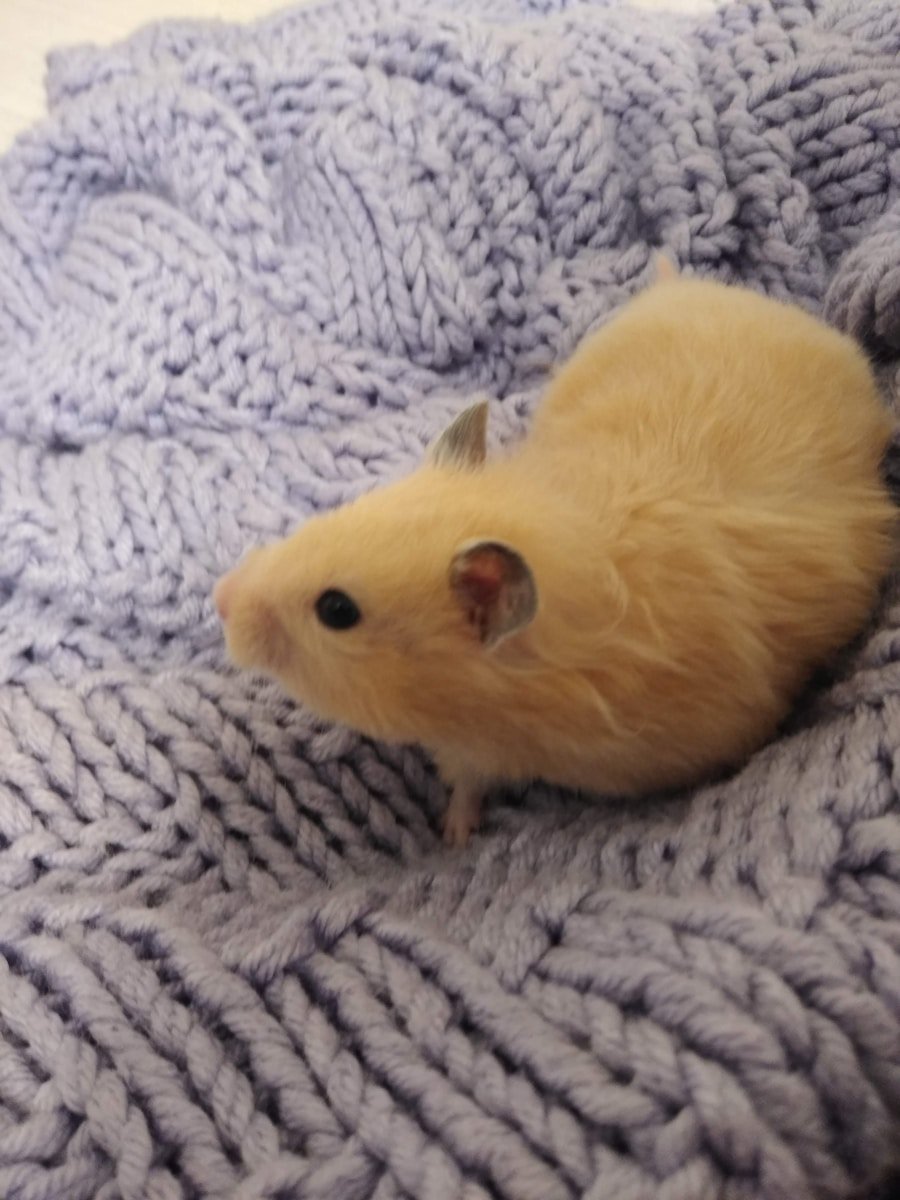
Sable Hamsters are naturally curious and active, often engaging in behaviors such as burrowing, climbing, and exploring their surroundings. They are primarily nocturnal animals, meaning they are most active during the evening and night hours. This is important to consider when planning playtime or interaction sessions; early mornings or late afternoons may not be ideal times for handling.
Social Nature and Communication
Sable Hamsters are also known for their social nature; they can live alone without issue, but they often enjoy interaction with their human companions. They communicate through various vocalizations such as squeaks or chirps when excited or distressed.
Meeting Their Needs
Observing these behaviors can help you better understand your hamster’s needs and preferences. Providing opportunities for exploration through tunnels or exercise wheels can keep them mentally stimulated and physically active.
Enrichment and Toys for Sable Hamsters
Enrichment is vital for keeping your Sable Hamster engaged and happy in its environment. Providing a variety of toys and activities can help prevent boredom and encourage natural behaviors such as chewing and climbing. Chew toys made from untreated wood or cardboard are excellent options; they not only satisfy your hamster’s instinct to gnaw but also promote dental health by preventing overgrown teeth.
In addition to chew toys, consider adding tunnels, climbing structures, or even small cardboard boxes for your hamster to explore. Rotating toys regularly can keep things fresh and exciting for your pet. You might also want to create an obstacle course using household items like toilet paper rolls or small containers filled with bedding for burrowing fun.
Engaging your Sable Hamster in playtime not only provides physical exercise but also strengthens the bond between you and your furry friend.
Breeding and Reproduction of Sable Hamsters
Breeding Sable Hamsters requires careful consideration and knowledge of genetics to ensure healthy offspring. If you’re considering breeding your hamster, it’s essential to understand the responsibilities involved in caring for both the parents and the babies. Breeding should only be undertaken by experienced owners who are familiar with the potential challenges that come with it.
When breeding hamsters, it’s crucial to select healthy individuals with desirable traits to ensure the best possible outcome for the offspring. Female hamsters typically have a gestation period of about 16-18 days before giving birth to a litter of 6-12 pups on average. After birth, it’s essential to provide a quiet environment where the mother can care for her young without stress.
Once the pups are weaned at around three weeks old, they can be separated by gender to prevent unwanted breeding later on. In conclusion, owning a Sable Hamster can be an incredibly rewarding experience filled with joy and companionship. By understanding their needs in terms of housing, diet, socialization, and health care, you can create an enriching environment that allows them to thrive.
Whether you’re a seasoned hamster owner or considering bringing one into your home for the first time, the Sable Hamster offers endless opportunities for love and connection with its unique personality and charm.
If you are struggling with the loss of a beloved pet, you may find comfort in reading this article on coping with the loss of a pet and finding healing. It can be a difficult time, but knowing that others have gone through similar experiences can provide solace. Additionally, if you are interested in learning more about unique pet breeds, you may enjoy reading about the fascinating Siamese cat breed in this article. And if you have a small pet like a Sable Hamster, you may want to check out tips on caring for them in cold weather in this article.
FAQs
What is a Sable Hamster?
A Sable Hamster is a type of hamster that is known for its distinctive sable coloring, which is a dark brown or black color with a golden undercoat.
What is the size of a Sable Hamster?
Sable Hamsters are typically small in size, measuring around 4 to 6 inches in length.
What is the lifespan of a Sable Hamster?
Sable Hamsters have an average lifespan of 2 to 3 years when properly cared for.
What type of habitat do Sable Hamsters need?
Sable Hamsters require a spacious cage with plenty of bedding for burrowing, as well as a wheel for exercise and chew toys to keep their teeth healthy.
What do Sable Hamsters eat?
Sable Hamsters should be fed a diet of hamster pellets, fresh fruits and vegetables, and occasional treats such as nuts and seeds.
Are Sable Hamsters good pets for children?
Sable Hamsters can make good pets for children, but they require gentle handling and supervision to ensure their well-being.
Do Sable Hamsters require any special care?
Sable Hamsters require regular cage cleaning, access to fresh water at all times, and regular exercise to keep them healthy and happy.