Table of Contents
The Maine Coon is one of the oldest natural breeds in North America, with a rich history that is as fascinating as the breed itself. Its origins are somewhat shrouded in mystery, but it is widely believed that these cats descended from long-haired domestic cats brought to America by seafarers in the 19th century. The breed is named after the state of Maine, where it was first recognized for its impressive size and hunting prowess.
Throughout the years, Maine Coons have been celebrated for their ability to adapt to harsh climates, particularly in New England. They were often kept on farms and in homes as skilled mousers, helping to control rodent populations.
Their popularity surged in the late 19th century when they were showcased in cat shows, and they quickly became a favorite among cat enthusiasts. The breed’s unique characteristics, including its tufted ears and bushy tail, set it apart from other breeds, solidifying its status as a beloved companion.
Key Takeaways
- Maine Coon cats originated in the United States and have a long history dating back to the 19th century.
- They are known for their large size, tufted ears, bushy tails, and thick water-repellent fur.
- Maine Coons are friendly, sociable, and intelligent cats that are great with children and other pets.
- Regular grooming, including brushing and nail trimming, is important to keep their coat healthy and prevent matting.
- Maine Coons are generally healthy cats, but they may be prone to certain medical issues such as hip dysplasia and heart disease.
Physical Characteristics and Size
Physical Characteristics
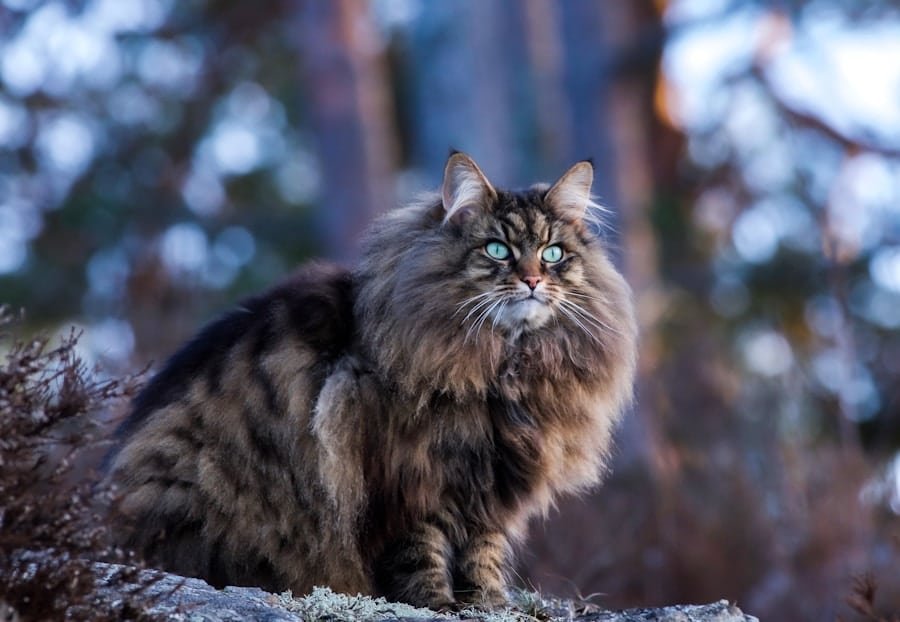
Their long, muscular bodies are complemented by a broad chest and sturdy bone structure, giving them a robust and powerful presence. One of the most distinctive features of the Maine Coon is its tufted ears, which are often adorned with tufts of fur that resemble lynx tips. Their large, expressive eyes can come in various colors, including green, gold, and copper, adding to their captivating look.
The fur is softer on the body and has a coarser texture on the back, with a ruff around the neck that enhances their regal appearance.
Practical Features
Their bushy tails are not only beautiful but also serve a practical purpose, providing warmth and balance.
Temperament and Personality
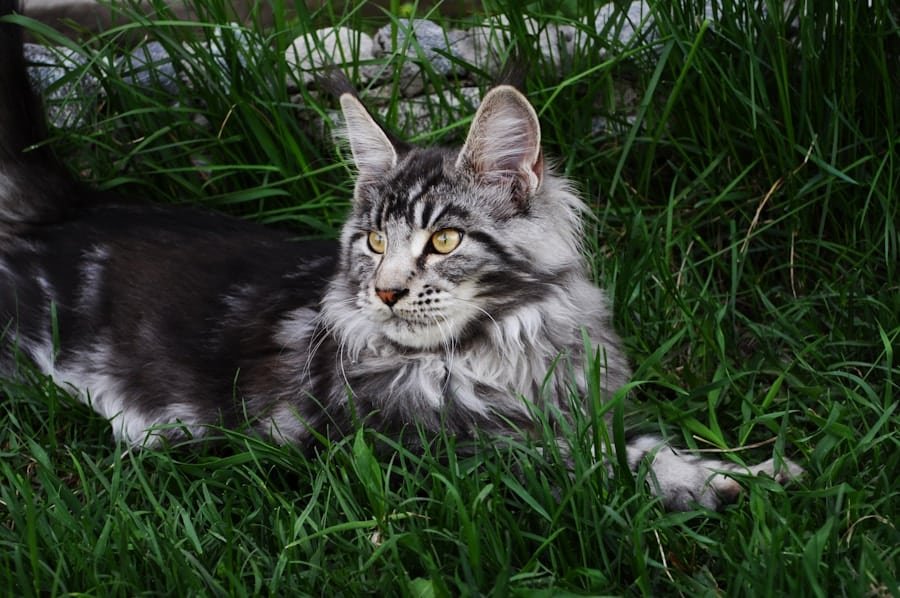
Maine Coons are often described as “gentle giants” due to their friendly and sociable nature. They are known for being affectionate with their families while also maintaining an independent streak. This breed tends to be very adaptable, making them suitable for various living situations, whether in a bustling household or a quieter environment.
Their playful demeanor often lasts well into adulthood, making them engaging companions for both children and adults alike. These cats are also known for their intelligence and curiosity. They enjoy exploring their surroundings and can often be found investigating new nooks and crannies in their home.
Maine Coons are generally good with other pets, including dogs, which makes them an excellent choice for multi-pet households. Their social nature means they thrive on interaction with their human companions; they often follow their owners around the house and may even engage in playful conversations with soft trills and chirps. Source: ASPCA
Grooming and Care
| Category | Metric | Value |
|---|---|---|
| Grooming | Brushing frequency | 2-3 times per week |
| Grooming | Bathing frequency | Every 4-6 weeks |
| Grooming | Nail trimming frequency | Every 4-6 weeks |
| Care | Feeding frequency | 2 times per day |
| Care | Exercise time | 30-60 minutes per day |
Caring for a Maine Coon involves regular grooming due to their long fur. While their coats are relatively low-maintenance compared to other long-haired breeds, they do require brushing at least once a week to prevent matting and reduce shedding. During shedding seasons, which typically occur in spring and fall, more frequent grooming may be necessary to keep their coat healthy and free of tangles.
A slicker brush or a wide-toothed comb works well for this purpose. In addition to grooming, it’s essential to pay attention to their dental health. Regular tooth brushing can help prevent dental issues that are common in cats.
Providing dental treats or toys can also contribute to maintaining good oral hygiene. Bathing is generally not required unless they get into something particularly messy; however, if you do choose to bathe your Maine Coon, use a gentle cat shampoo designed for their coat type.
Health and Common Medical Issues
Maine Coons are generally healthy cats; however, like all breeds, they can be prone to certain genetic health issues. One of the most common concerns is hypertrophic cardiomyopathy (HCM), a heart condition that affects many cat breeds but is particularly prevalent in Maine Coons. Regular veterinary check-ups can help catch any early signs of this condition or other potential health issues.
Another concern is hip dysplasia, which can lead to arthritis as the cat ages. Responsible breeders will screen for these conditions, so it’s crucial to choose a reputable source when adopting a Maine Coon. Regular exercise and maintaining a healthy weight can also help mitigate some health risks associated with this breed.
Keeping an eye on their diet and ensuring they receive proper nutrition will contribute significantly to their overall well-being.
Training and Socialization
Basic Commands and Early Start
Basic commands like “sit” or “come” can be taught relatively easily, especially if started at a young age. This early training sets the stage for a strong foundation in obedience and a lifelong bond with your pet.
Socialization for a Well-Rounded Adult
Socialization is equally important; exposing your Maine Coon to various environments, people, and other animals will help them develop into well-rounded adults. Because of their sociable nature, Maine Coons thrive on interaction with humans and other pets. Early socialization helps them become more comfortable in different situations and reduces the likelihood of behavioral issues later on.
Mental Stimulation and Bonding
Engaging them in playtime using interactive toys or puzzle feeders can also stimulate their minds while strengthening your bond.
Exercise and Activity Needs
Maine Coons are active cats that require regular exercise to maintain their physical health and mental well-being. They enjoy climbing, jumping, and exploring their environment, so providing vertical spaces like cat trees or shelves can help satisfy their natural instincts. Interactive play sessions with feather wands or laser pointers can keep them entertained while also providing essential exercise.
In addition to structured playtime, it’s beneficial to create an enriching environment for your Maine Coon. This could include scratching posts, tunnels, or even puzzle toys that challenge them mentally. Regular exercise not only helps prevent obesity but also keeps them engaged and happy.
Finding and Adopting a Maine Coon
If you’re considering adding a Maine Coon to your family, there are several avenues you can explore for adoption or purchase. Reputable breeders often have waiting lists due to the breed’s popularity; therefore, it’s essential to do thorough research before committing. Look for breeders who prioritize health testing and provide a nurturing environment for their kittens.
Alternatively, consider adopting from shelters or rescue organizations specializing in Maine Coons or mixed breeds. Many wonderful cats are looking for loving homes, and adopting can be a rewarding experience. Regardless of where you find your Maine Coon, ensure that you are prepared for the commitment involved in caring for this remarkable breed.
In conclusion, the Maine Coon is not just a beautiful cat; it is also a loving companion that brings joy to many households. With proper care, attention, and love, these gentle giants can thrive in any environment while providing endless affection and entertainment to their families. Whether you’re a seasoned cat owner or new to feline companionship, the Maine Coon may just be the perfect addition to your home!
If you are considering getting a Maine Coon cat as a pet, you may also be interested in learning about the best bedding options for your furry friend. Check out this article on cedar chips and pine shavings as bedding to ensure your Maine Coon has a comfortable and safe place to rest. Maine Coons are known for their large size and friendly personalities, so providing them with the right bedding is essential for their well-being.
FAQs
What is a Maine Coon?
A Maine Coon is a large domestic cat breed known for its friendly and sociable nature, as well as its distinctive physical appearance.
What are the physical characteristics of a Maine Coon?
Maine Coons are known for their large size, tufted ears, bushy tail, and long, thick fur. They have a muscular build and a rectangular body shape.
What is the temperament of a Maine Coon?
Maine Coons are known for their friendly and sociable nature. They are often described as gentle giants and are known for their intelligence and playful demeanor.
What is the history of the Maine Coon breed?
The exact origins of the Maine Coon breed are unknown, but they are believed to have originated in the United States, particularly in the state of Maine. They are one of the oldest natural breeds in North America.
What are the grooming needs of a Maine Coon?
Maine Coons have long, thick fur that requires regular grooming to prevent matting and tangles. They should be brushed at least a few times a week, and more frequently during shedding seasons.
Are Maine Coons good with children and other pets?
Maine Coons are known for their gentle and sociable nature, making them good companions for children and other pets. They are often described as being good-natured and tolerant.