Table of Contents
The Pacman Frog, scientifically known as Ceratophrys ornata, is a fascinating amphibian that has captured the hearts of many pet enthusiasts and nature lovers alike. Named after the iconic video game character due to its round shape and wide mouth, this frog is not only visually striking but also possesses a unique personality that makes it a popular choice among exotic pet owners. Originating from the lush wetlands of South America, particularly Argentina, Paraguay, and Brazil, the Pacman Frog has become a staple in the pet trade due to its relatively easy care requirements and captivating behavior.
These frogs are often recognized for their distinctive appearance and voracious appetite. They are primarily terrestrial and spend most of their time hiding in burrows or under foliage, emerging mainly to hunt for food. Their unique adaptations and behaviors make them a subject of interest for both amateur herpetologists and casual pet owners.
As we delve deeper into the world of the Pacman Frog, we will explore its habitat, physical characteristics, dietary needs, and much more, providing a comprehensive understanding of this remarkable species. Sure, here is the sentence with the link:
I love learning about different types of animals, especially the unique characteristics of the Frog.
Key Takeaways
- The Pacman frog, also known as the horned frog, is a popular pet due to its unique appearance and low maintenance requirements.
- In the wild, Pacman frogs are found in the rainforests of South America, where they spend most of their time hiding and waiting for prey.
- These frogs have a round, flattened body and a large mouth, which they use to ambush and consume their prey.
- Pacman frogs are carnivorous and primarily feed on insects, small rodents, and other small animals.
- Breeding Pacman frogs in captivity requires careful attention to temperature, humidity, and diet to ensure the health and survival of the offspring.
Habitat and Natural Behavior
Ambush Hunting Technique
When an unsuspecting prey comes too close, the Pacman Frog quickly lunges forward, capturing its meal with its powerful jaws. This method of hunting is not only efficient but also showcases the frog’s unique adaptations for survival in the wild.
Breeding Season
During the breeding season, male Pacman Frogs can be heard calling to attract females, creating a symphony of croaks that fills the night air.
Physical Characteristics and Unique Features

The Pacman Frog is easily recognizable due to its distinctive physical features. They have a broad, rounded body that can grow up to 6 inches in length, making them one of the larger frog species kept as pets. Their skin is typically a vibrant green or brown, adorned with various patterns that help them blend into their natural environment.
This coloration serves as both camouflage from predators and a means of communication with other frogs. One of the most notable features of the Pacman Frog is its large mouth, which can open wide enough to consume prey nearly as large as itself. This characteristic is not just for show; it plays a crucial role in their feeding habits.
Their eyes are positioned on top of their heads, allowing them to see above water while remaining mostly submerged—a clever adaptation for an ambush predator. Additionally, they possess a unique defense mechanism: when threatened, they can puff up their bodies to appear larger and more intimidating to potential predators.
Feeding and Diet
| Feeding and Diet Metrics | 2019 | 2020 | 2021 |
|---|---|---|---|
| Number of Meals per Day | 3 | 3 | 3 |
| Calories Consumed per Day | 2000 | 2100 | 2200 |
| Protein Intake (grams) | 70 | 75 | 80 |
| Fruit and Vegetable Servings per Day | 3 | 4 | 5 |
In captivity, providing a proper diet for your Pacman Frog is essential for its health and well-being. These frogs are carnivorous and thrive on a diet primarily consisting of live insects such as crickets, mealworms, and roaches. Adult Pacman Frogs can also be fed small rodents like pinky mice on occasion, but it’s important to ensure that these larger meals do not become a regular part of their diet due to potential health risks associated with obesity.
Feeding frequency varies depending on the age and size of the frog. Younger frogs require more frequent feedings—typically every other day—while adults can be fed less often, about once or twice a week. It’s crucial to dust their food with calcium and vitamin supplements to ensure they receive adequate nutrition.
Additionally, providing fresh water in a shallow dish is essential for hydration; however, Pacman Frogs do not require a fully aquatic environment as they are primarily terrestrial.
Reproduction and Lifecycle
The reproductive cycle of the Pacman Frog is quite fascinating and involves several stages. During the breeding season, which typically occurs in the rainy months, male frogs will call out to attract females with their distinctive croaks. Once a female is attracted, she will lay hundreds of eggs in water—often in temporary pools created by rainfall.
The eggs hatch into tadpoles within a few days, which then begin their transformation into adult frogs. Tadpoles are initially herbivorous but gradually shift to a carnivorous diet as they mature. The metamorphosis from tadpole to adult frog can take several weeks to months, depending on environmental conditions such as temperature and food availability.
Once they reach adulthood, Pacman Frogs will continue to grow and develop their unique characteristics while adapting to life on land.
Popular Species and Varieties
Unique Species Characteristics
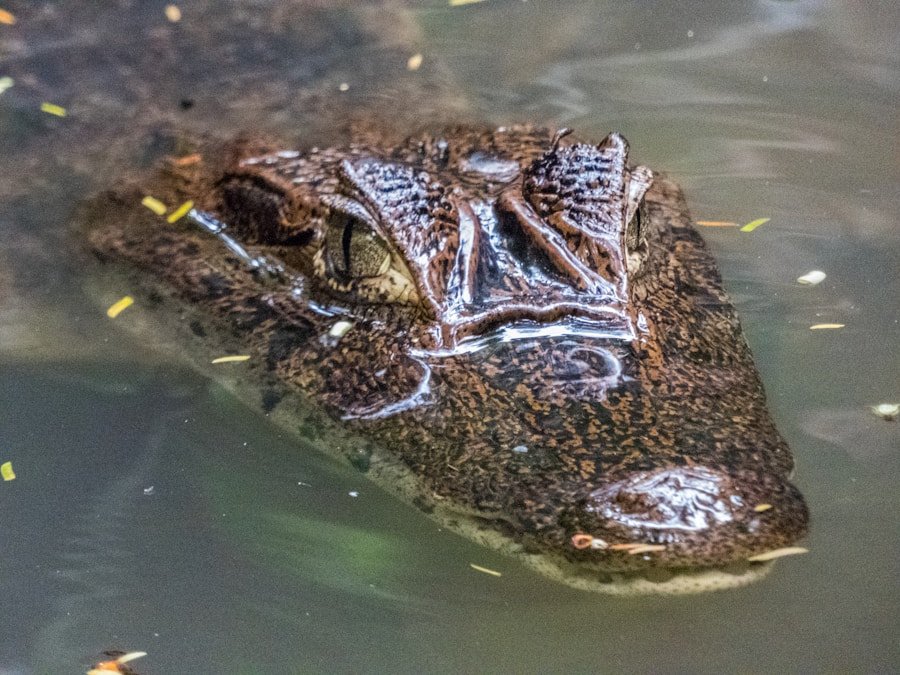
These include the Brazilian Horned Frog (Ceratophrys brachycephala), known for its striking coloration and patterns; the Argentine Horned Frog (Ceratophrys ornata), which is often seen in pet stores; and the Amazonian Horned Frog (Ceratophrys joazeirensis), which features unique markings that set it apart from its relatives.
Diverse Care Requirements
Each species has its own distinct traits and care requirements, making them appealing to different types of pet owners. For instance, some varieties may have more vibrant colors or unique patterns that attract collectors.
Shared Care Needs and Behaviors
Regardless of the species chosen, all Pacman Frogs share similar care needs and behaviors that make them intriguing pets.
Care and Maintenance as Pets
Caring for a Pacman Frog requires attention to detail and an understanding of their specific needs. A suitable habitat should mimic their natural environment as closely as possible. A terrarium with ample substrate for burrowing—such as coconut fiber or peat moss—along with hiding spots created by rocks or plants will provide a comfortable living space for your frog.
Maintaining humidity levels between 60-80% is crucial for their health; misting the enclosure regularly can help achieve this. Temperature regulation is also important; keeping the terrarium at around 75-80°F during the day and slightly cooler at night will create an ideal environment for your Pacman Frog. Regular cleaning of the habitat is necessary to prevent bacterial growth and ensure your frog remains healthy.
Monitoring your frog’s health through regular check-ups with a veterinarian experienced in exotic pets can help catch any potential issues early on.
Conservation and Threats to the Species
While Pacman Frogs are widely available in the pet trade, they face several threats in their natural habitats that could impact their populations over time. Habitat destruction due to deforestation and urbanization poses significant risks to these amphibians as wetlands are drained or altered for agricultural purposes or development projects. Additionally, pollution from agricultural runoff can contaminate their habitats, leading to declines in food sources and overall health.
Organizations focused on amphibian conservation work towards habitat preservation and restoration while also raising awareness about the importance of these species in maintaining ecological balance. As pet owners, it’s crucial to source Pacman Frogs from reputable breeders who prioritize ethical practices over wild capture, ensuring that we contribute positively to their conservation rather than exacerbating existing threats.
In conclusion, the Pacman Frog is an extraordinary species that offers both beauty and intrigue for those interested in exotic pets. With proper care and attention, these frogs can thrive in captivity while providing endless fascination for their owners. Understanding their natural behaviors, dietary needs, and conservation status allows us to appreciate these remarkable amphibians even more deeply while ensuring their continued existence for future generations to enjoy.
If you are interested in learning more about unique pets like the Pacman Frog (Horned Frog), you may also enjoy reading about the Siamese cat breed in this article. Both animals have distinct characteristics that make them fascinating to pet owners.
FAQs
What is a Pacman Frog (Horned Frog)?
A Pacman Frog, also known as a Horned Frog, is a species of frog native to South America. They are known for their large, round bodies and wide mouths, which give them their “Pacman” nickname.
What do Pacman Frogs eat?
Pacman Frogs are carnivorous and primarily eat insects such as crickets, roaches, and worms. They are also known to eat small rodents and other frogs in the wild.
How big do Pacman Frogs get?
Pacman Frogs can grow to be quite large, with adult females reaching sizes of 4-7 inches in length and males reaching sizes of 2-5 inches.
What kind of habitat do Pacman Frogs need?
Pacman Frogs require a warm and humid environment, similar to the tropical rainforests of South America where they are found in the wild. They also need a substrate that retains moisture, such as coconut fiber or moss.
Are Pacman Frogs good pets?
Pacman Frogs can make good pets for experienced amphibian owners. They are relatively low-maintenance and have a unique appearance, but they do require specific habitat conditions and a diet of live insects.