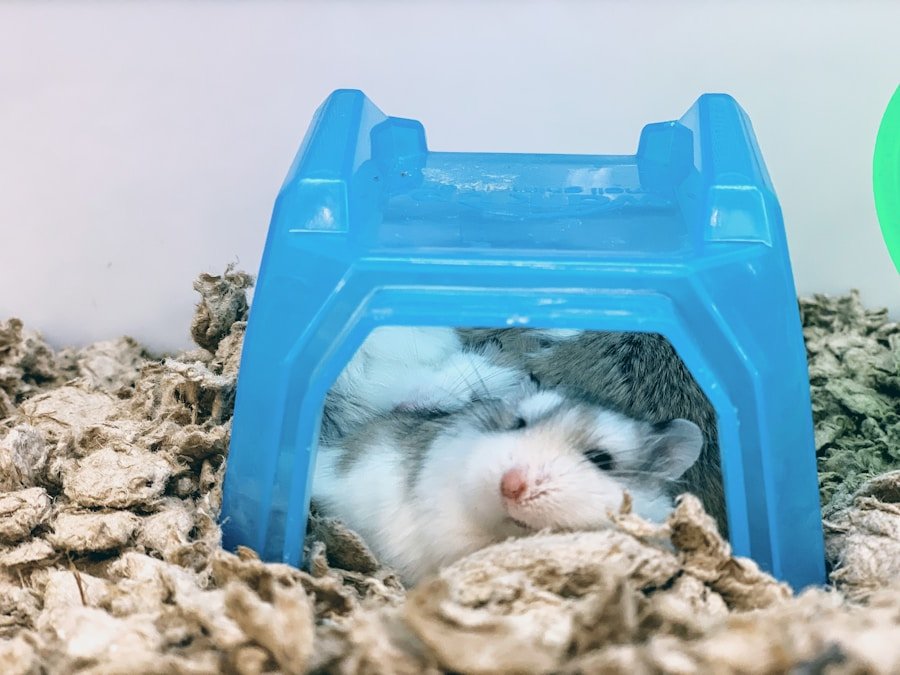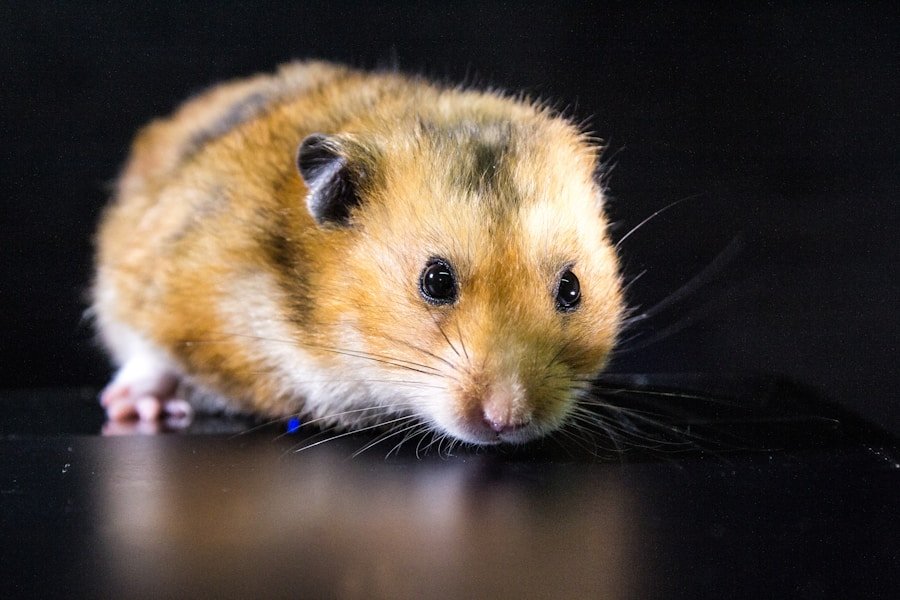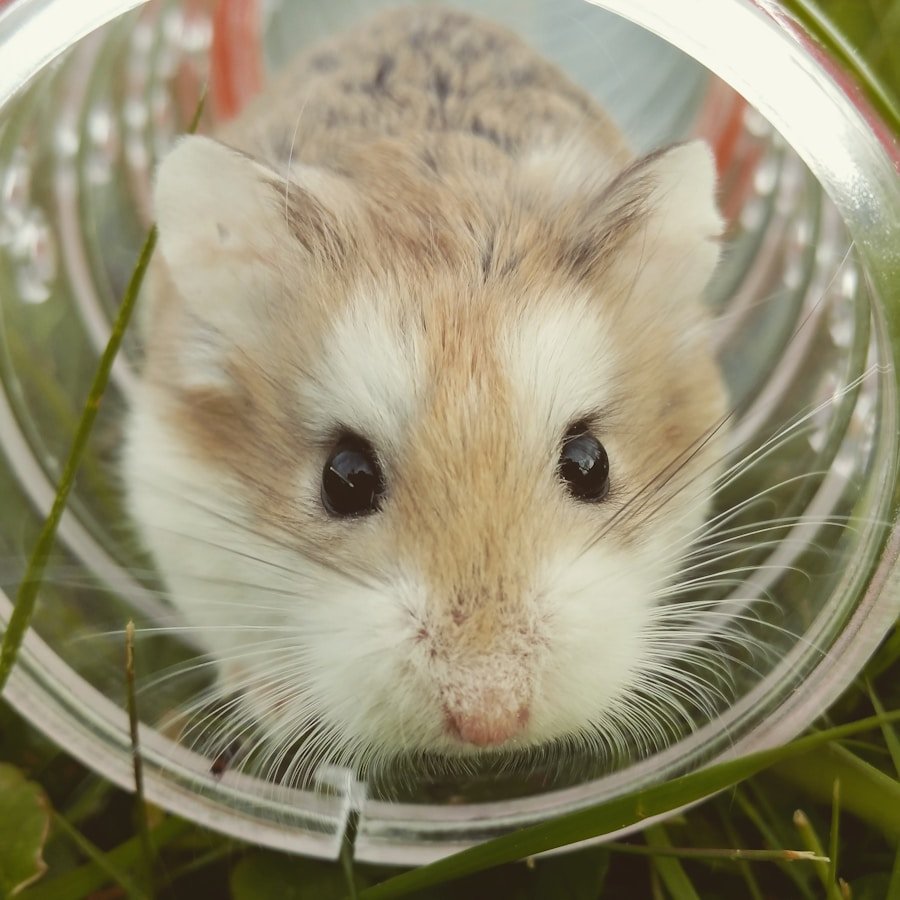
The Roborovski Dwarf Hamster, often affectionately referred to as the “Robo,” is a small and lively pet that has captured the hearts of many hamster enthusiasts around the world. Native to the deserts of Mongolia and northern China, these tiny creatures were first discovered in the early 20th century by a Russian zoologist named Vsevolod Roborovski, after whom they are named. Their charming personalities and adorable appearance have made them a popular choice for pet owners seeking a small companion that is both entertaining and relatively low-maintenance.
Roborovski Dwarf Hamsters are known for their remarkable speed and agility, making them a joy to watch as they scurry around their habitats. Unlike some other hamster breeds, they are less prone to biting and are generally more social, which adds to their appeal as pets. With their small size and playful nature, they are perfect for families, singles, and anyone looking for a delightful addition to their home.
Key Takeaways
- Roborovski Dwarf Hamsters are the smallest and fastest of all hamster species, making them popular pets for their adorable appearance and active nature.
- These hamsters are known for their friendly and social behavior, making them great pets for both children and adults.
- When it comes to housing, Roborovski Dwarf Hamsters require a spacious cage with plenty of bedding, hiding spots, and exercise wheels to accommodate their active lifestyle.
- A well-balanced diet for Roborovski Dwarf Hamsters includes a mix of commercial hamster food, fresh fruits and vegetables, and occasional treats like mealworms or sunflower seeds.
- Regular veterinary check-ups, a clean living environment, and proper handling techniques are essential for maintaining the health and wellness of Roborovski Dwarf Hamsters.
Characteristics and Behavior of Roborovski Dwarf Hamsters
Physical Characteristics
One of the most distinctive features of these hamsters is their large, expressive eyes and tiny, rounded ears, which give them an endearing appearance. Their small size makes them easy to handle when they are accustomed to human interaction.
Behavior and Temperament
In terms of behavior, Roborovski Dwarf Hamsters are known for their energetic and curious nature. They are highly active creatures that love to explore their surroundings, often engaging in playful antics that can be quite entertaining for their owners.
Socialization and Housing
Unlike some other hamster breeds that may prefer solitude, Roborovskis can be social animals when housed in pairs or small groups, provided they are introduced at a young age. However, it is essential to monitor their interactions closely, as territorial disputes can arise if they feel threatened or overcrowded.
Housing and Habitat Requirements for Roborovski Dwarf Hamsters
Creating a suitable habitat for your Roborovski Dwarf Hamster is crucial for their well-being and happiness. A spacious cage with adequate ventilation is essential; a minimum size of 24 inches long by 12 inches wide is recommended for a single hamster. Wire cages with horizontal bars are ideal, as they allow for climbing and exploration.
Additionally, providing a solid bottom or a deep layer of bedding will help prevent injuries to their delicate feet. Inside the cage, it is important to include various enrichment items such as tunnels, hiding spots, and exercise wheels. Roborovski Dwarf Hamsters are natural burrowers and enjoy digging, so providing them with bedding material like aspen shavings or paper-based bedding will allow them to engage in this instinctual behavior.
Regular cleaning of the cage is necessary to maintain a healthy environment; spot cleaning should be done daily, while a full clean should occur every week or two.
Diet and Nutrition for Roborovski Dwarf Hamsters
Aspect Information Food High-quality hamster food mix with a variety of seeds, grains, and pellets Fresh Foods Small amounts of fresh fruits and vegetables such as apples, carrots, and broccoli Protein Occasional small amounts of cooked egg or mealworms for protein Water Always have fresh, clean water available in a water bottle Treats Limit sugary treats and only offer them occasionally Supplements Not necessary if a balanced diet is provided A balanced diet is vital for the health and longevity of your Roborovski Dwarf Hamster. In the wild, these hamsters primarily feed on seeds, grains, fruits, and vegetables. To replicate this diet in captivity, it is essential to provide a high-quality commercial hamster food that contains a mix of seeds and pellets specifically formulated for dwarf hamsters.
This ensures they receive the necessary nutrients for optimal health. In addition to their staple diet, fresh fruits and vegetables can be offered in moderation as treats. Some safe options include small pieces of carrot, cucumber, apple, or broccoli.
However, it is crucial to avoid feeding them citrus fruits or starchy vegetables like potatoes, as these can upset their digestive systems. Fresh water should always be available in a sipper bottle or shallow dish to keep them hydrated.
Health and Wellness of Roborovski Dwarf Hamsters
Roborovski Dwarf Hamsters are generally hardy creatures; however, they can be susceptible to certain health issues if not properly cared for. Common concerns include wet tail, which is a serious gastrointestinal condition that can occur due to stress or poor diet. Signs of wet tail include diarrhea, lethargy, and a wet appearance around the tail area.
If you notice any of these symptoms, it is crucial to seek veterinary care immediately. Regular health checks are essential for maintaining your hamster’s well-being. Look for signs of weight loss, changes in appetite, or unusual behavior that may indicate illness.
Additionally, providing a clean living environment and a balanced diet will help prevent many health issues. Regular exercise through playtime outside the cage can also contribute to their overall health and happiness.
Handling and Interaction with Roborovski Dwarf Hamsters
Getting to Know Your Hamster
Start by spending time near their cage, allowing them to become comfortable with your presence. This initial step is crucial in building trust and familiarity.
Handling with Care
Once your hamster seems comfortable, you can begin handling them gently. Use both hands to scoop them up from underneath rather than grabbing them from above, as this can startle them.
Building Trust and Bonding
Allow your hamster to explore your hands while providing support; this will help build trust between you and your pet. Regular interaction will not only strengthen your bond but also help your hamster become more accustomed to human contact.
Breeding and Reproduction of Roborovski Dwarf Hamsters
Breeding Roborovski Dwarf Hamsters requires careful consideration and preparation. These hamsters reach sexual maturity at around 4-6 weeks of age; however, it is advisable to wait until they are at least 3 months old before breeding them. When breeding hamsters, it is essential to house males and females separately until you are ready for mating to prevent unwanted litters.
The gestation period for Roborovski Dwarf Hamsters is approximately 21 days, after which the female will give birth to a litter of 3-7 pups on average. It is crucial to provide the mother with a quiet and stress-free environment during this time. After birth, the mother will care for her young without much interference needed from the owner; however, it is important to monitor their health and ensure they are nursing properly.
Why Roborovski Dwarf Hamsters Make Great Pets
In conclusion, Roborovski Dwarf Hamsters are delightful pets that offer companionship and entertainment in a small package. Their charming personalities combined with their relatively low maintenance needs make them an excellent choice for families, singles, or anyone looking for a furry friend. With proper care, attention, and love, these little creatures can thrive in your home and bring joy for years to come.
Whether you are captivated by their playful antics or simply enjoy watching them explore their surroundings, owning a Roborovski Dwarf Hamster can be a rewarding experience. By understanding their needs in terms of housing, diet, health care, and social interaction, you can ensure that your Robo lives a happy and fulfilling life as part of your family. So if you’re considering adding a pet to your household, look no further than the charming Roborovski Dwarf Hamster!
If you’re interested in learning more about unique and fascinating pets, you may also enjoy reading about polydactyl cats. These cats have extra toes, which can give them a distinctive look and provide them with some interesting advantages. To learn more about these amazing felines, check out 7 Amazing Facts About Polydactyl Cats.
FAQs
What is a Roborovski Dwarf Hamster?
A Roborovski Dwarf Hamster is a small species of hamster that is native to the deserts of Mongolia, China, and Russia. They are the smallest and fastest of all hamster species, and are known for their friendly and social nature.
What do Roborovski Dwarf Hamsters eat?
Roborovski Dwarf Hamsters primarily eat a diet of seeds, grains, and vegetables. They also enjoy small amounts of fruits and insects as treats. It is important to provide them with a balanced diet to ensure their health and well-being.
How big do Roborovski Dwarf Hamsters get?
Roborovski Dwarf Hamsters are the smallest of all hamster species, typically reaching a size of 2 to 3 inches in length. They are known for their tiny size and adorable appearance.
Are Roborovski Dwarf Hamsters good pets?
Roborovski Dwarf Hamsters can make great pets for individuals or families who are willing to provide them with proper care and attention. They are social animals and enjoy interaction with their owners, but they do require a suitable habitat and regular maintenance.
What is the lifespan of a Roborovski Dwarf Hamster?
On average, Roborovski Dwarf Hamsters have a lifespan of 2 to 3 years when kept in a healthy and suitable environment. Proper diet, exercise, and veterinary care can help to ensure a longer and happier life for these small pets.