Table of Contents
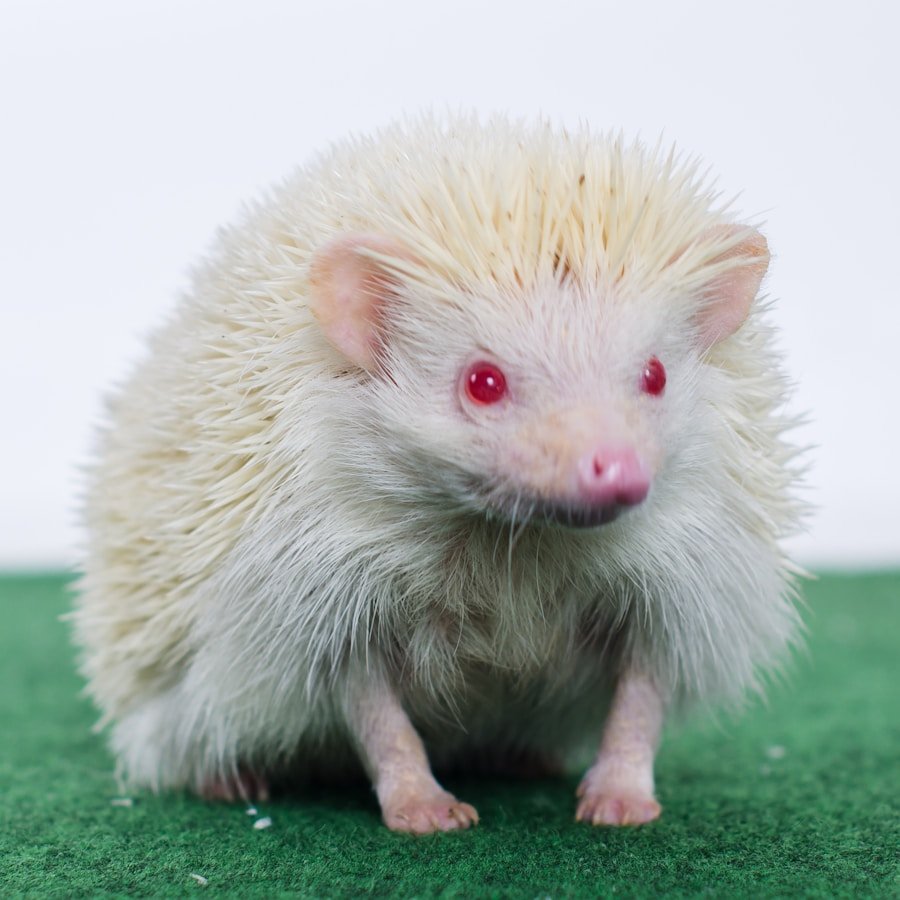
Albino hedgehogs are a captivating and unique breed that has garnered attention from pet enthusiasts and animal lovers alike. These small, spiny mammals are not only adorable but also possess a distinct charm that sets them apart from their more common counterparts. With their striking white quills and pink eyes, albino hedgehogs have become a popular choice for those looking to adopt a pet that is both unusual and endearing.
Their rarity and beauty make them a subject of fascination, and they have become increasingly sought after in the pet trade. The allure of albino hedgehogs extends beyond their appearance; they also have intriguing behaviors and personalities that make them delightful companions. Unlike their wild relatives, which are often shy and elusive, domesticated albino hedgehogs can be quite social and interactive with their owners.
This combination of unique looks and engaging behavior has led to a growing interest in these animals, prompting many to explore the joys and responsibilities of caring for an albino hedgehog as a pet. Sure, here is the sentence with the link:
I love to learn about pet care on Pawwise.
Key Takeaways
- Albino hedgehogs are a rare and fascinating variation of the common hedgehog, known for their striking white color and pink eyes.
- Understanding the genetics of albino hedgehogs can help breeders and owners better care for and appreciate these unique animals.
- Caring for albino hedgehogs as pets requires special attention to their sensitive skin and eyes, as well as providing a suitable diet and environment.
- Albino hedgehogs face challenges in the wild, such as increased visibility to predators and potential health issues related to their lack of pigmentation.
- The rarity and beauty of albino hedgehogs make them highly sought after as pets and subjects of admiration in the animal world.
Understanding the Genetics of Albino Hedgehogs
The genetic makeup of albino hedgehogs is a fascinating topic that sheds light on their distinctive characteristics. Albinism in hedgehogs is caused by a recessive gene that affects the production of melanin, the pigment responsible for coloration in the skin, fur, and eyes. As a result, albino hedgehogs lack the typical dark pigmentation found in their non-albino counterparts, leading to their striking white quills and pinkish skin.
This genetic trait is not only visually appealing but also serves as a reminder of the diversity found within the hedgehog species. Understanding the genetics behind albino hedgehogs is essential for breeders and potential owners alike. Responsible breeding practices are crucial to ensure the health and well-being of these animals.
Breeders must be aware of the genetic implications of producing albino hedgehogs, as inbreeding can lead to various health issues. By prioritizing genetic diversity and health, breeders can help maintain the beauty and vitality of this unique breed while minimizing potential health concerns.
Caring for Albino Hedgehogs as Pets
Caring for an albino hedgehog requires a commitment to providing a suitable environment, proper diet, and regular health check-ups. These small creatures thrive in spacious enclosures that allow them to explore and exercise. A well-ventilated cage with appropriate bedding, such as aspen shavings or paper-based products, is essential for their comfort.
Additionally, providing hiding spots and toys can help stimulate their natural curiosity and keep them engaged. Diet is another critical aspect of caring for an albino hedgehog. A balanced diet should consist primarily of high-quality hedgehog food, supplemented with insects like mealworms or crickets for protein.
Fresh fruits and vegetables can also be offered in moderation, but it’s important to avoid foods that are toxic to hedgehogs, such as chocolate or citrus fruits. Regular monitoring of their weight and overall health is vital, as obesity can lead to serious health issues in these small animals.
The Challenges of Being an Albino Hedgehog in the Wild
| Challenges | Impact |
|---|---|
| Predation | Increased risk due to lack of camouflage |
| Sunburn | Susceptibility to skin damage from UV rays |
| Low visibility | Difficulty in finding food and mates |
| Social exclusion | Isolation from other hedgehogs due to appearance |
While albino hedgehogs are adored as pets, their existence in the wild presents significant challenges. The lack of pigmentation that makes them so visually striking also renders them more vulnerable to predators. In their natural habitats, these animals rely on camouflage to evade threats; however, an albino hedgehog’s white quills make it difficult for them to blend into their surroundings.
This heightened visibility can lead to increased predation rates, making survival more challenging for these unique creatures. Moreover, environmental factors such as habitat loss and climate change further exacerbate the difficulties faced by wild albino hedgehogs. As urbanization encroaches on their natural habitats, these animals may find it increasingly difficult to locate food sources or safe nesting sites.
Conservation efforts are essential to protect not only albino hedgehogs but also their ecosystems, ensuring that they have a fighting chance in the wild.
The Rarity and Beauty of Albino Hedgehogs
The rarity of albino hedgehogs adds to their allure and beauty, making them highly sought after by collectors and pet owners alike. Their unique appearance sets them apart from the more common brown or gray hedgehogs typically found in pet stores. This distinctiveness has led to a growing appreciation for albino hedgehogs as exotic pets, with many enthusiasts eager to showcase their stunning features.
However, this rarity also raises concerns about overbreeding and unethical practices within the pet trade.
By supporting ethical breeding practices, enthusiasts can help ensure that these beautiful creatures continue to thrive while maintaining genetic diversity within the population.
Albino Hedgehogs in Popular Culture and Media
Albino hedgehogs have made their mark in popular culture and media, capturing the hearts of audiences around the world. From children’s books to animated films, these charming creatures have been portrayed as lovable companions with unique personalities. Their striking appearance often serves as a symbol of innocence and curiosity, making them ideal characters in stories aimed at younger audiences.
In addition to literature and film, albino hedgehogs have also gained popularity on social media platforms. Pet owners frequently share photos and videos of their adorable pets, showcasing their playful antics and endearing behaviors. This online presence has contributed to a growing community of hedgehog enthusiasts who celebrate these animals’ beauty and charm while raising awareness about responsible pet ownership.
Conservation Efforts for Albino Hedgehogs
As awareness of the challenges faced by albino hedgehogs grows, so too do conservation efforts aimed at protecting these unique animals. Various organizations are working tirelessly to promote education about hedgehog care, habitat preservation, and responsible breeding practices. By raising awareness about the specific needs of albino hedgehogs, these organizations hope to foster a greater understanding of the importance of protecting this rare breed.
In addition to educational initiatives, some conservation programs focus on habitat restoration efforts to ensure that wild hedgehog populations can thrive. By creating safe environments for these animals, conservationists aim to mitigate some of the challenges posed by urbanization and climate change. These efforts not only benefit albino hedgehogs but also contribute to the overall health of ecosystems where they reside.
The Future of Albino Hedgehogs: Hope and Challenges
The future of albino hedgehogs is filled with both hope and challenges. As interest in these unique creatures continues to grow, there is potential for increased awareness about their care needs and conservation status. Responsible breeding practices can help maintain genetic diversity while ensuring that these animals remain healthy and vibrant companions for years to come.
However, challenges remain in terms of habitat preservation and addressing the impact of climate change on wild populations. Continued efforts from conservation organizations, breeders, and pet owners will be essential in safeguarding the future of albino hedgehogs. By working together to promote education, ethical breeding practices, and habitat protection, we can ensure that these beautiful creatures continue to thrive both in captivity and in the wild.
In conclusion, albino hedgehogs are not just fascinating pets; they represent a unique intersection of beauty, genetics, and conservation challenges. Their rarity makes them special companions while also highlighting the importance of responsible ownership and conservation efforts. As we continue to learn more about these remarkable animals, we can appreciate their place in our lives while advocating for their protection in nature.
If you’re interested in unique and fascinating pets like Albino Hedgehogs, you may also enjoy learning about Lovebirds as the perfect pet for your romantic partner.
To read more about Lovebirds, check out this article on The Paw Wise.
FAQs
What is an albino hedgehog?
An albino hedgehog is a hedgehog that lacks the pigment melanin, resulting in a white or pale appearance. They have pink or red eyes and often have lighter colored quills compared to their non-albino counterparts.
Are albino hedgehogs rare?
Yes, albino hedgehogs are considered rare. They occur when both parents carry the gene for albinism and pass it on to their offspring.
Do albino hedgehogs have any health issues?
Albino hedgehogs do not have specific health issues related to their albinism. However, they are more susceptible to sunburn and skin cancer due to their lack of protective pigmentation.
How do albino hedgehogs differ from regular hedgehogs?
Albino hedgehogs differ from regular hedgehogs in their appearance, with their white or pale coloring and pink or red eyes. They also have lighter colored quills compared to non-albino hedgehogs.
Can albino hedgehogs be kept as pets?
Yes, albino hedgehogs can be kept as pets. They require the same care as regular hedgehogs, including a proper diet, suitable housing, and regular veterinary check-ups.