Table of Contents
Monk Parakeets, also known as Quaker Parrots, have captured the hearts of bird enthusiasts around the world with their charming personalities and vibrant colors. Native to South America, these small, intelligent birds have made a name for themselves as popular pets due to their playful nature and ability to mimic human speech. Their sociable demeanor and engaging antics make them a delightful addition to any household.
However, potential owners should be well-informed about their needs and characteristics to ensure a harmonious relationship. The Monk Parakeet’s rise in popularity can be attributed to its adaptability and resilience. Originally from regions like Argentina, Uruguay, and parts of Brazil, these birds have successfully established feral populations in various parts of the United States and Europe.
Their ability to thrive in diverse environments has made them a fascinating subject of study for ornithologists and bird lovers alike. As we delve deeper into the world of Monk Parakeets, we will explore their physical characteristics, behavior, dietary needs, and more, providing a comprehensive guide for anyone considering welcoming one of these delightful birds into their home.
Key Takeaways
- Monk parakeets are small, colorful parrots native to South America and have become popular pets due to their intelligence and social nature.
- They have a distinctive appearance with bright green feathers, a long tail, and a gray face and chest.
- Monk parakeets are highly social birds and thrive in the company of other parakeets, as well as human interaction.
- A balanced diet for monk parakeets includes a variety of fresh fruits, vegetables, seeds, and pellets to ensure proper nutrition.
- Providing a spacious cage with plenty of toys and perches, as well as a warm and draft-free environment, is essential for the health and well-being of monk parakeets.
Physical Characteristics of Monk Parakeets
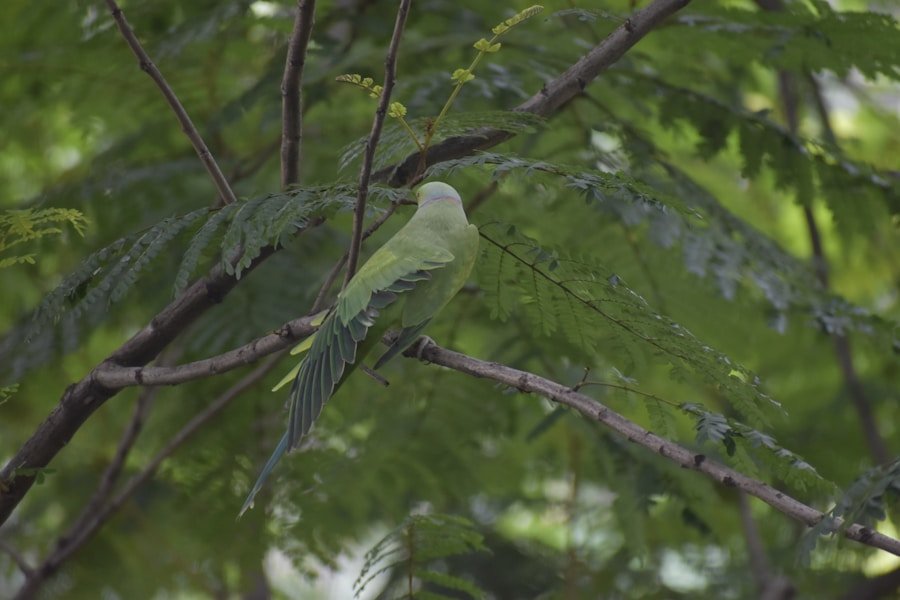
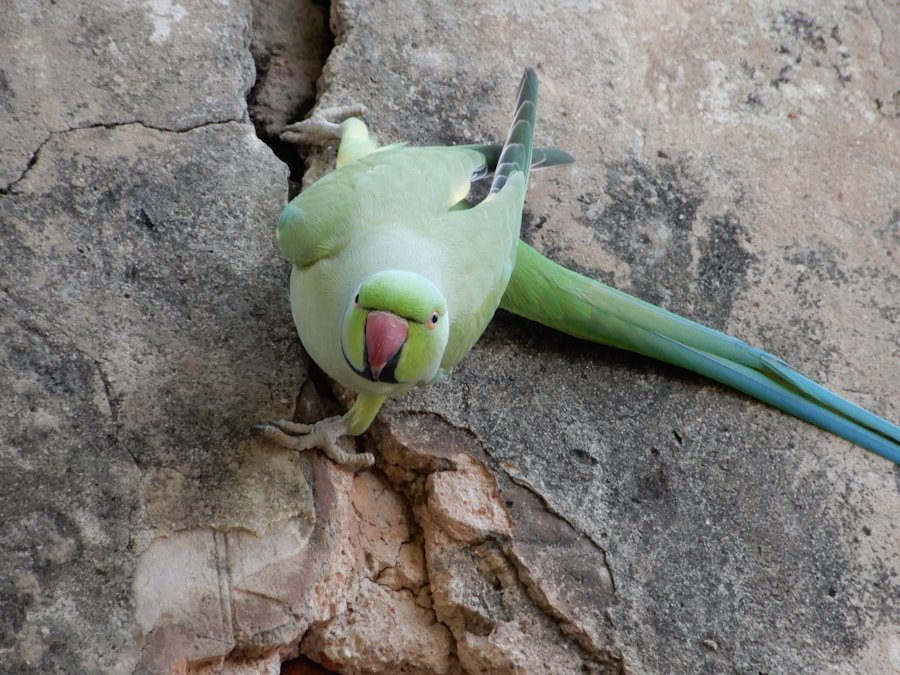
Monk Parakeets are easily recognizable due to their striking appearance. They typically measure around 10 to 12 inches in length, with a wingspan that can reach up to 18 inches. Their plumage is predominantly green, with a lighter green or yellowish hue on their chest and belly.
The distinctive grayish-green face and throat add to their charm, while their long tail feathers contribute to their graceful silhouette. The beak is short and stout, colored a vibrant orange-red, which contrasts beautifully with their green feathers. In addition to their standard coloration, Monk Parakeets can also be found in various color mutations, including blue, yellow, and white.
These mutations have become increasingly popular among breeders and pet owners, adding diversity to the Monk Parakeet population. Regardless of their color, all Monk Parakeets share a robust build and an energetic demeanor that makes them a joy to observe. Their physical characteristics not only contribute to their aesthetic appeal but also play a role in their behavior and social interactions.
Behavior and Socialization of Monk Parakeets
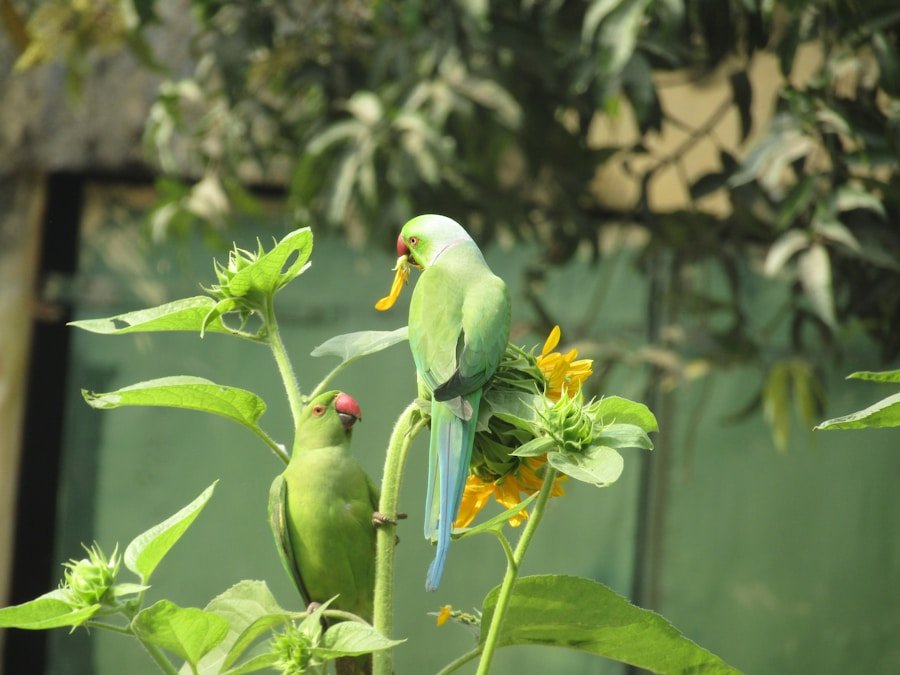
Monk Parakeets are known for their lively and playful behavior. They are highly social birds that thrive on interaction with their human companions and other birds. In the wild, they live in large colonies, which fosters their gregarious nature.
This social aspect is crucial for their well-being; they can become lonely or depressed if kept in isolation for extended periods. Therefore, it is essential for potential owners to consider whether they can provide the companionship these birds require. Their intelligence is another defining trait of Monk Parakeets.
They are quick learners and can be taught various tricks and commands, making them an engaging pet for those who enjoy interactive experiences with their animals. However, this intelligence also means they require mental stimulation to prevent boredom. Providing toys, puzzles, and opportunities for social interaction can help keep them entertained and mentally sharp.
Understanding their behavior and socialization needs is vital for creating a fulfilling environment for these charming birds.
Diet and Nutrition for Monk Parakeets
| Aspect | Information |
|---|---|
| Dietary Requirement | Monk parakeets require a balanced diet consisting of high-quality pellets, fresh fruits, and vegetables. |
| Protein Intake | Protein should make up about 10-15% of a monk parakeet’s diet, which can be obtained from sources such as cooked beans and lentils. |
| Fruit and Vegetable Consumption | Monk parakeets should be offered a variety of fresh fruits and vegetables, such as apples, carrots, broccoli, and leafy greens, to ensure they receive essential vitamins and minerals. |
| Seed and Nut Consumption | Seeds and nuts should be given in moderation as they are high in fat, but can be offered as occasional treats. |
| Water Intake | Monk parakeets should have access to fresh, clean water at all times to stay hydrated. |
A balanced diet is crucial for the health and longevity of Monk Parakeets. In the wild, they primarily feed on seeds, fruits, nuts, and vegetables. As pets, they should be provided with a high-quality pellet diet specifically formulated for parakeets or small parrots.
These pellets are designed to meet their nutritional needs and should make up the bulk of their diet. Additionally, fresh fruits and vegetables should be offered daily to provide essential vitamins and minerals. Some suitable fruits include apples, bananas, berries, and melons, while vegetables like carrots, leafy greens, and bell peppers are excellent choices as well.
It’s important to avoid feeding them avocado, chocolate, or caffeine, as these can be toxic to birds. Fresh water should always be available, and bowls should be cleaned regularly to prevent bacterial growth.
Housing and Environment for Monk Parakeets
Creating a suitable living environment for Monk Parakeets is essential for their overall well-being. A spacious cage is necessary to allow them room to move around freely; ideally, it should be at least 24 inches wide by 24 inches deep by 36 inches high. The cage should have horizontal bars to facilitate climbing and should be equipped with perches of varying sizes to promote foot health.
Additionally, providing toys that encourage exploration and play is vital for keeping them engaged. When it comes to location, placing the cage in a central area of the home allows Monk Parakeets to interact with family members throughout the day. They thrive on social interaction and should not be isolated in a quiet room.
However, it’s important to avoid placing the cage in direct sunlight or near drafts, as extreme temperatures can be harmful. A well-thought-out environment will not only keep your Monk Parakeet happy but also contribute to its overall health.
Health and Care for Monk Parakeets
Regular health check-ups are essential for maintaining the well-being of Monk Parakeets. Like all pets, they can be susceptible to various health issues such as feather plucking, respiratory infections, or obesity if not properly cared for. Observing your bird’s behavior closely can help identify any changes that may indicate health problems.
For instance, if your parakeet becomes lethargic or stops eating, it’s crucial to consult an avian veterinarian promptly. In addition to regular vet visits, maintaining good hygiene within the cage is vital for preventing illness. Cleaning food and water dishes daily and replacing bedding regularly will help minimize the risk of bacterial infections.
Providing opportunities for exercise outside the cage is also important; supervised playtime allows them to stretch their wings and engage in natural behaviors that contribute to their physical health.
Training and Enrichment for Monk Parakeets
Training Monk Parakeets can be a rewarding experience for both the bird and its owner.
Basic commands like “step up” or “come here” can be taught using patience and consistency.
Engaging them in training sessions not only strengthens the bond between bird and owner but also provides mental stimulation that is crucial for their happiness. Enrichment is equally important in keeping Monk Parakeets engaged and preventing boredom-related behaviors such as excessive vocalization or feather plucking. Providing a variety of toys that encourage problem-solving—such as puzzle feeders or toys that require manipulation—can keep them entertained for hours.
Additionally, rotating toys regularly will maintain their interest and curiosity. By incorporating training and enrichment into daily routines, owners can ensure that their Monk Parakeet remains happy and healthy.
Conclusion and Considerations for Monk Parakeet Ownership
Owning a Monk Parakeet can be an incredibly fulfilling experience filled with joy and companionship. Their playful nature, intelligence, and ability to bond with humans make them unique pets that can bring life into any home. However, potential owners must consider the commitment involved in caring for these birds properly.
From providing a balanced diet to ensuring ample social interaction and mental stimulation, understanding their needs is crucial for successful ownership. Before bringing a Monk Parakeet into your home, it’s essential to evaluate your lifestyle and ensure you can meet their requirements for companionship and care. They thrive in environments where they receive plenty of attention from their owners or other birds; thus, those who lead busy lives may want to consider adopting more than one bird or ensuring they have ample time each day dedicated to interaction with their pet.
With proper care and attention, a Monk Parakeet can become a beloved member of your family for many years to come.
If you’re interested in learning more about unique pets like the Monk Parakeet, you may also enjoy reading about the British Shorthair, a charming feline companion. This article discusses the characteristics and care requirements of this popular breed. Check it out here.
FAQs
What is a Monk Parakeet?
A Monk Parakeet, also known as Quaker Parrot, is a small, colorful parrot species native to South America. They are known for their vibrant green plumage and distinctive gray face and chest.
Where do Monk Parakeets live?
Monk Parakeets are native to the temperate regions of South America, including countries such as Argentina, Brazil, Uruguay, and Paraguay. They have also been introduced to various other regions, including the United States and Europe.
What do Monk Parakeets eat?
Monk Parakeets primarily feed on a diet of fruits, seeds, nuts, and vegetables. In the wild, they forage for food in trees and shrubs, and they are also known to visit bird feeders in urban areas.
Are Monk Parakeets considered invasive species?
In some regions, Monk Parakeets are considered invasive species due to their ability to adapt and thrive in urban environments. They have established feral populations in areas such as the United States, where they can compete with native bird species for resources.
Do Monk Parakeets make good pets?
Monk Parakeets are popular as pets due to their playful and social nature. They are known for their ability to mimic human speech and their entertaining behaviors. However, potential owners should be aware of their long lifespan (up to 20 years) and their need for social interaction and mental stimulation.