Table of Contents
Miniature horses are a delightful and charming breed that has captured the hearts of many animal lovers around the world. These pint-sized equines are not just smaller versions of their full-sized counterparts; they possess unique characteristics and traits that make them special in their own right. Originating from various breeds, miniature horses have been selectively bred for their small stature, friendly demeanor, and striking appearance.
They typically stand no taller than 34 inches at the withers, making them an ideal choice for those who may not have the space or resources for a full-sized horse. The history of miniature horses dates back several centuries, with their roots tracing back to Europe. Initially bred for work in coal mines and as companions for nobility, these small horses were valued for their strength and gentle nature.
Over time, they transitioned from working animals to beloved pets and show animals, leading to the establishment of breed registries and standards. Today, miniature horses are recognized for their versatility, serving as therapy animals, show competitors, and cherished family pets. Here is the sentence: Learn more about different horse breeds at horse.
Key Takeaways
- Miniature horses are small, friendly, and intelligent animals that make great pets for people of all ages.
- Having a miniature horse as a pet can provide companionship, emotional support, and even therapeutic benefits.
- Miniature horses require a minimum of 200 square feet of space for housing, and access to a pasture or dry lot for grazing and exercise.
- Regular exercise and mental stimulation are important for the health and well-being of miniature horses.
- Grooming, regular hoof care, and veterinary check-ups are essential for maintaining the health and well-being of miniature horses.
Benefits of Having a Miniature Horse as a Pet
One of the most significant benefits of owning a miniature horse is their manageable size. Unlike standard horses that require extensive space and facilities, miniature horses can thrive in smaller environments, making them suitable for families with limited acreage.
Additionally, miniature horses are known for their friendly and affectionate nature. They often form strong bonds with their human companions and can be incredibly social animals. This makes them excellent pets for families with children, as they can provide companionship and joy while teaching kids about responsibility and empathy.
Their gentle demeanor also makes them suitable therapy animals, providing comfort and emotional support to individuals in need.
Housing and Space Requirements for Miniature Horses

While miniature horses require less space than their larger counterparts, they still need adequate housing and room to roam. A safe and secure shelter is essential to protect them from harsh weather conditions and predators. A well-ventilated barn or shed with proper bedding can provide a comfortable living environment.
Ideally, the shelter should be large enough to allow the horse to move around freely and lie down comfortably. In terms of outdoor space, miniature horses benefit from having access to a pasture or yard where they can graze and explore. A minimum of one-quarter acre is recommended for one miniature horse, but more space is always better.
Fencing should be sturdy and safe, as these curious creatures can be prone to escaping if given the opportunity. Regularly checking the fencing for any gaps or weaknesses is crucial to ensure their safety. Source
Exercise and Activity Needs for Miniature Horses
| Activity Level | Exercise Needs |
|---|---|
| Low | 1-2 hours of light exercise per day |
| Moderate | 2-3 hours of moderate exercise per day |
| High | 3-4 hours of vigorous exercise per day |
Despite their small size, miniature horses are active animals that require regular exercise to maintain their health and well-being. Daily turnout in a safe pasture or yard allows them to engage in natural behaviors such as grazing, running, and playing. This not only keeps them physically fit but also helps prevent behavioral issues that can arise from boredom or lack of stimulation.
In addition to free-range exercise, structured activities such as ground work, obstacle courses, or even light riding can be beneficial for miniature horses. These activities provide mental stimulation and help strengthen the bond between the horse and its owner. It’s important to remember that while they may be smaller, they still have energy levels comparable to larger horses, so regular exercise is essential for their overall happiness.
Grooming and Care for Miniature Horses
Grooming is an essential aspect of caring for miniature horses, as it helps maintain their health and appearance. Regular brushing not only keeps their coat clean but also promotes good circulation and strengthens the bond between horse and owner. Depending on the season, miniature horses may require more frequent grooming to manage shedding or dirt accumulation.
Regular trimming by a qualified farrier is necessary to prevent hoof-related issues such as laminitis or thrush. Owners should also pay attention to dental care, as miniature horses can be prone to dental problems due to their smaller mouths.
Routine veterinary check-ups will help ensure that your miniature horse remains healthy and happy.
Training and Socialization for Miniature Horses
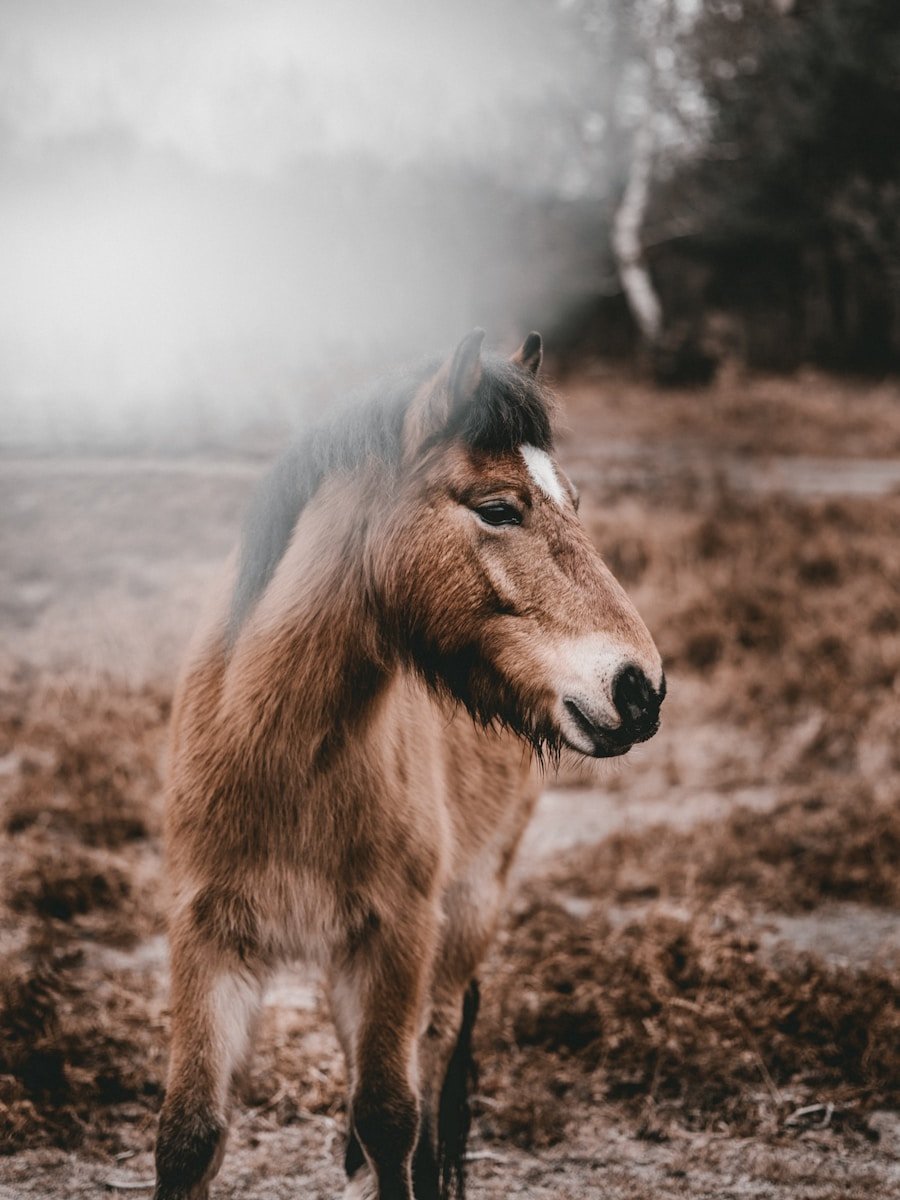
Enhancing Communication and Safety
Teaching your miniature horse commands such as “whoa” or “walk on” can enhance communication between you and your pet. Socialization with other animals can also be beneficial; however, it’s essential to supervise interactions with larger animals to ensure safety.
Health Considerations for Miniature Horses
Like all animals, miniature horses are susceptible to certain health issues that owners should be aware of. One common concern is obesity; due to their small size, even a few extra pounds can lead to serious health problems such as laminitis or metabolic disorders. Owners should monitor their horse’s diet closely, ensuring they receive a balanced diet without excessive treats or high-calorie feeds.
Regular veterinary care is essential for maintaining your miniature horse’s health. Routine vaccinations, dental check-ups, and hoof care should be part of your horse’s healthcare regimen. Additionally, owners should be vigilant about signs of illness or discomfort, as miniature horses may not always exhibit symptoms as clearly as larger breeds.
Is a Miniature Horse the Right Pet for You?
Owning a miniature horse can be a rewarding experience filled with joy and companionship. However, it’s essential to consider whether this unique breed aligns with your lifestyle and capabilities. Miniature horses require commitment in terms of time, care, and resources; they thrive in environments where they receive regular attention and interaction.
If you have the space, dedication, and love to offer a miniature horse, you may find that they bring immense happiness into your life. Their playful nature, intelligence, and affectionate demeanor make them wonderful companions for families, singles, or anyone looking for a special bond with an animal. Ultimately, understanding the needs and characteristics of miniature horses will help you determine if this charming breed is the right fit for you.
If you’re interested in learning about another unique breed of animal, check out this article on the French Bulldog. Just like Miniature Horses, French Bulldogs are known for their charming personalities and loyal companionship. This article provides insight into the history, characteristics, and care of these adorable dogs.
FAQs
What is a Miniature Horse?
A Miniature Horse is a small breed of horse, typically standing between 34 to 38 inches in height at the withers.
What is the history of Miniature Horses?
Miniature Horses were originally bred in Europe in the 1600s for nobility and royalty. They were also used in coal mines in the 19th century due to their small size.
What are the uses of Miniature Horses?
Miniature Horses are often kept as pets, used for therapy and assistance work, and are also shown in competition.
What is the lifespan of a Miniature Horse?
Miniature Horses have a lifespan of around 25 to 35 years, similar to that of a regular-sized horse.
What are the care requirements for Miniature Horses?
Miniature Horses require regular grooming, hoof care, vaccinations, and a balanced diet. They also need access to shelter and space for exercise.
Are Miniature Horses considered ponies?
No, Miniature Horses are not ponies. They are a distinct breed of horse, with their own characteristics and traits.