Table of Contents
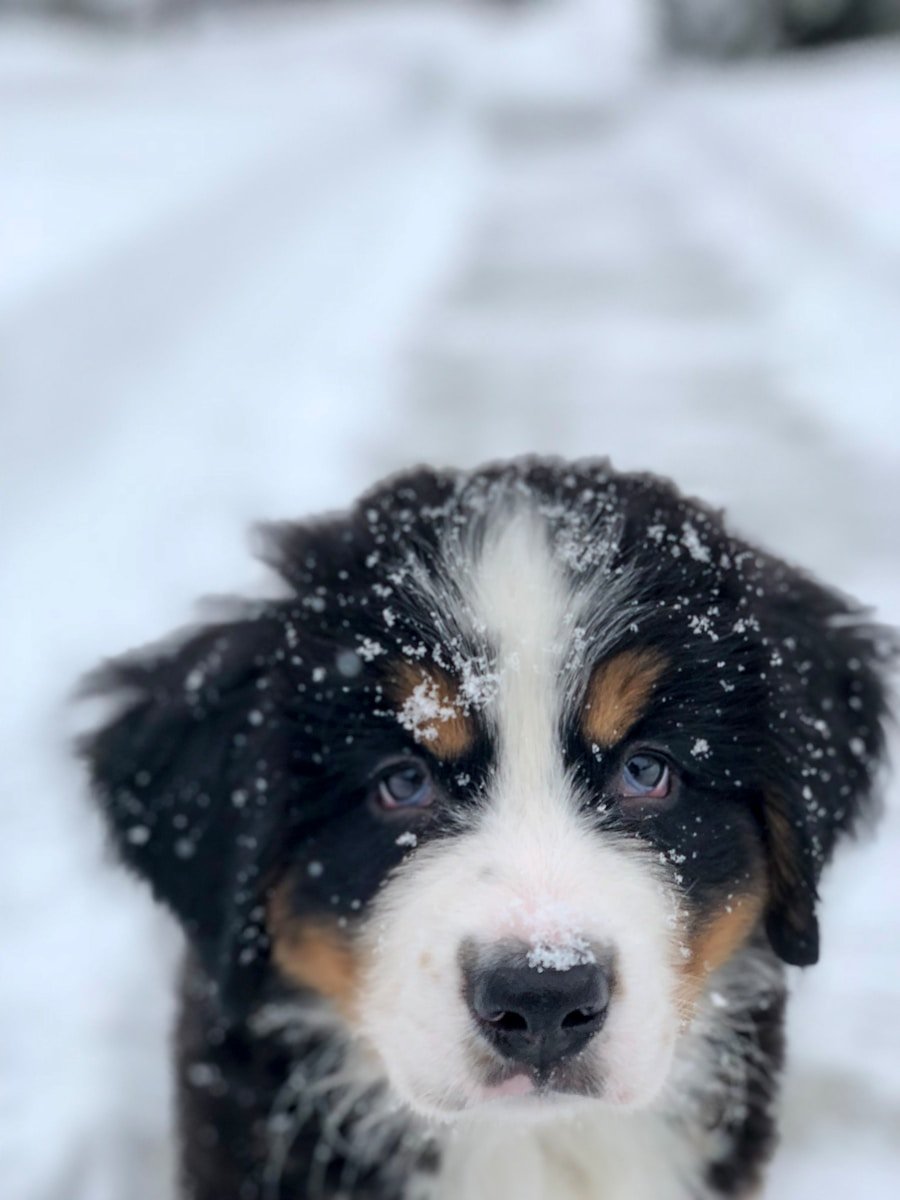
The Bernese Mountain Dog, known for its striking tri-color coat and gentle demeanor, hails from the picturesque region of the Swiss Alps. This breed’s history can be traced back to the Roman era when the Romans brought their large herding dogs to Switzerland. These dogs were bred with local breeds to create a robust and versatile working dog capable of herding cattle, pulling carts, and guarding farms.
The Bernese Mountain Dog, or “Berner Sennenhund” as it is known in its native land, was primarily utilized by farmers in the Bern region of Switzerland, where they thrived in the challenging mountainous terrain. As the years progressed, the breed gained popularity not only for its working abilities but also for its affectionate nature. In the late 19th century, the Bernese Mountain Dog began to attract attention beyond Switzerland’s borders.
The breed was officially recognized by the Swiss Kennel Club in 1907, and by the 1920s, it had made its way to the United States. The Bernese Mountain Dog Club of America was established in 1937, further solidifying the breed’s presence in North America. Today, these dogs are cherished not only for their historical significance but also for their loving companionship and loyalty. Sure, here is the sentence with the link:
I love to learn about pet care on Pawwise.
Key Takeaways
- The Bernese Mountain Dog originated in Switzerland and was used as a working dog on farms.
- They are large, sturdy dogs with a friendly and gentle temperament, making them great family pets.
- Bernese Mountain Dogs require regular grooming to maintain their long, thick coat and prevent matting.
- They need daily exercise and benefit from obedience training to keep them mentally and physically stimulated.
- Health concerns for Bernese Mountain Dogs include hip dysplasia and a relatively short lifespan of 7-10 years.
Physical Characteristics and Temperament
The Bernese Mountain Dog is a large and powerful breed, characterized by its striking appearance. Adult males typically weigh between 80 to 115 pounds, while females range from 70 to 95 pounds. They stand about 24 to 28 inches tall at the shoulder.
Their most distinctive feature is their beautiful tri-color coat, which consists of a jet-black base with rust-colored markings on the eyebrows, cheeks, and legs, along with a white blaze on the chest and white markings on the paws. Their thick double coat is designed to withstand cold weather, making them well-suited for life in mountainous regions. In addition to their impressive physical attributes, Bernese Mountain Dogs are known for their gentle and affectionate temperament.
They are often described as calm, friendly, and good-natured. These dogs are highly social animals that thrive on human interaction and companionship.
However, their size and strength mean that they should be properly trained and socialized from an early age to ensure they develop into well-mannered adults. Their intelligence and eagerness to please make them relatively easy to train, although they can sometimes exhibit a stubborn streak.
Care and Grooming Requirements
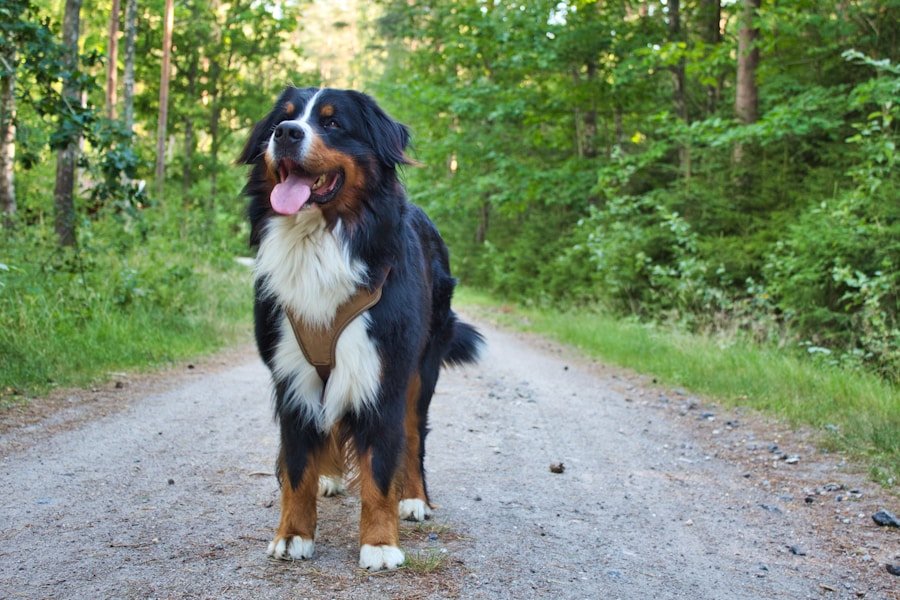
Caring for a Bernese Mountain Dog requires commitment and attention to their specific needs. Their thick double coat sheds year-round but experiences heavier shedding during seasonal changes. Regular grooming is essential to keep their coat healthy and free of mats.
Brushing them at least once a week is recommended, but during shedding seasons, more frequent brushing may be necessary to manage loose hair. Bathing should be done as needed, typically every few months or when they become particularly dirty. In terms of diet, it is crucial to provide high-quality dog food that meets their nutritional needs.
Bernese Mountain Dogs are prone to obesity, so portion control is vital. Consulting with a veterinarian about the appropriate diet and feeding schedule is advisable. Additionally, regular dental care is important; brushing their teeth several times a week can help prevent dental issues.
Routine veterinary check-ups will also help monitor their overall health and catch any potential problems early.
Exercise and Training Needs
| Age Group | Exercise Frequency | Training Needs |
|---|---|---|
| Children (6-12 years) | At least 60 minutes per day | Focus on fundamental movement skills and coordination |
| Adolescents (13-17 years) | At least 60 minutes per day | Combination of aerobic, muscle-strengthening, and bone-strengthening activities |
| Adults (18-64 years) | At least 150 minutes of moderate-intensity or 75 minutes of vigorous-intensity exercise per week | Varies based on individual fitness goals and health conditions |
| Older Adults (65+ years) | At least 150 minutes of moderate-intensity or 75 minutes of vigorous-intensity exercise per week | Focus on balance, flexibility, and strength training to prevent falls and maintain independence |
Bernese Mountain Dogs are active dogs that require regular exercise to maintain their physical and mental well-being. Daily walks, playtime in a secure yard, or engaging in dog sports can help keep them fit and happy. They enjoy activities that allow them to use their strength and intelligence, such as agility training or obedience classes.
While they are not as hyperactive as some breeds, they do need consistent exercise to prevent boredom and destructive behavior. Training is an essential aspect of raising a Bernese Mountain Dog. Early socialization is crucial to help them develop into well-adjusted adults.
Exposing them to various environments, people, and other animals will help them become more adaptable and confident. Positive reinforcement techniques work best with this breed; they respond well to praise and rewards for good behavior. Consistency in training is key, as these dogs can sometimes exhibit stubbornness if they sense a lack of leadership.
Health Concerns and Lifespan
Like many large breeds, Bernese Mountain Dogs are prone to certain health issues that potential owners should be aware of. One of the most common concerns is hip dysplasia, a genetic condition that affects the hip joint’s development and can lead to arthritis or pain later in life. Other health issues include elbow dysplasia, certain types of cancer (such as histiocytic sarcoma), and bloat (gastric torsion), which can be life-threatening if not treated promptly.
The average lifespan of a Bernese Mountain Dog is around 7 to 10 years, which is shorter than many smaller breeds. This shorter lifespan can be attributed to their size and the health issues they may face. Regular veterinary check-ups, a balanced diet, and maintaining a healthy weight can help mitigate some health risks and improve their quality of life as they age.
Bernese Mountain Dogs as Family Pets
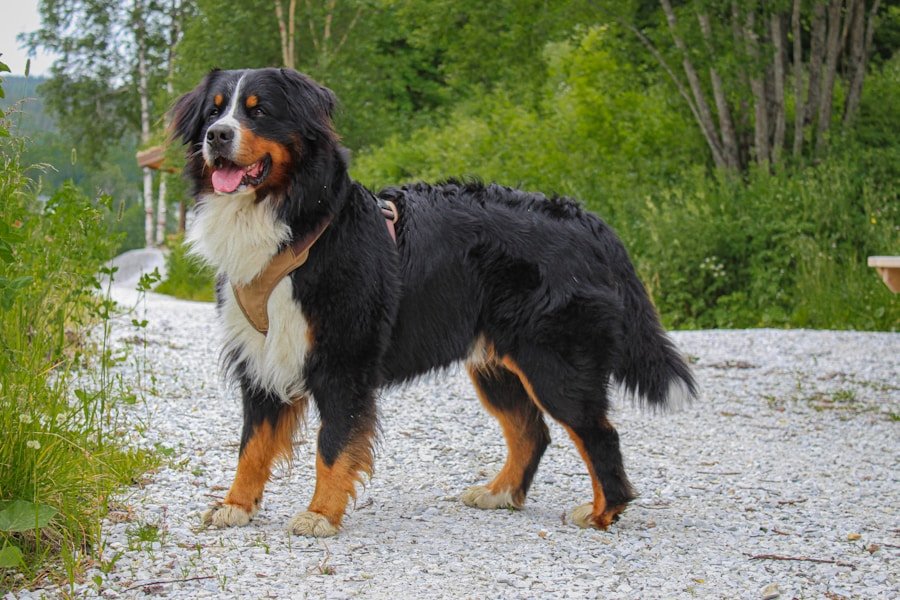
Bernese Mountain Dogs are often referred to as “gentle giants,” and for good reason. Their affectionate nature makes them wonderful companions for families of all sizes. They are known for being particularly good with children, displaying patience and playfulness that endears them to younger family members.
Their calm demeanor allows them to adapt well to various living situations, whether in a bustling household or a quieter environment. However, potential owners should consider their size when bringing a Bernese Mountain Dog into their home. These dogs require space to move around comfortably, so families living in apartments may need to ensure they have access to outdoor areas for exercise.
Additionally, their social nature means they thrive on companionship; leaving them alone for long periods can lead to separation anxiety or destructive behavior.
Activities and Sports for Bernese Mountain Dogs
Bernese Mountain Dogs are versatile animals that excel in various activities and sports due to their intelligence and physical capabilities. They enjoy participating in obedience training, agility courses, and even herding trials that allow them to showcase their natural instincts. Engaging in these activities not only provides physical exercise but also stimulates their minds, helping prevent boredom.
Additionally, many Bernese Mountain Dogs enjoy outdoor adventures such as hiking or swimming. Their strong build makes them excellent companions for families who love exploring nature together. Participating in dog-friendly events or joining local clubs can also provide opportunities for socialization with other dogs and owners while allowing your Berner to engage in fun activities.
Finding a Reputable Breeder or Rescue Organization
When considering adding a Bernese Mountain Dog to your family, it is essential to find a reputable breeder or rescue organization committed to the breed’s health and well-being. A responsible breeder will conduct health screenings on their breeding dogs for common genetic issues and provide documentation of these tests. They should also be knowledgeable about the breed’s characteristics and willing to answer any questions you may have.
If you prefer adopting rather than purchasing from a breeder, many rescue organizations focus on finding homes for Bernese Mountain Dogs in need. These organizations often have dogs of various ages looking for loving families. Adopting from a rescue not only gives a dog a second chance at life but also helps reduce the number of homeless pets in shelters.
In conclusion, the Bernese Mountain Dog is an exceptional breed that brings joy and companionship to families around the world. With their rich history, striking appearance, gentle temperament, and unique care needs, they make wonderful pets for those who can provide them with love and attention. Whether you choose to adopt or purchase from a reputable breeder, welcoming a Bernese Mountain Dog into your home will undoubtedly enrich your life with loyalty and affection.
If you are a proud owner of a Bernese Mountain Dog, you may also be interested in learning some grooming tips to keep your furry friend happy and healthy. Check out this article on Poodle Grooming Tips for a Happy and Healthy Pet for some helpful advice on maintaining your dog’s coat and overall well-being. Remember, proper grooming is essential for all breeds, including Bernese Mountain Dogs, to ensure they look and feel their best.
FAQs
What is a Bernese Mountain Dog?
A Bernese Mountain Dog is a large and sturdy working dog breed that originated in the Swiss Alps. They were originally bred for farm work, including pulling carts and guarding livestock.
What is the average size and weight of a Bernese Mountain Dog?
Adult male Bernese Mountain Dogs typically weigh between 85-110 pounds and stand 25-27.5 inches tall at the shoulder. Adult females typically weigh between 80-105 pounds and stand 23-26 inches tall at the shoulder.
What is the temperament of a Bernese Mountain Dog?
Bernese Mountain Dogs are known for their gentle, affectionate, and calm nature. They are good-natured and generally get along well with children and other pets. They are also known for being loyal and protective of their family.
What is the average lifespan of a Bernese Mountain Dog?
The average lifespan of a Bernese Mountain Dog is typically 7-10 years. However, with proper care and attention to their health, some Bernese Mountain Dogs can live longer.
What are some common health issues in Bernese Mountain Dogs?
Some common health issues in Bernese Mountain Dogs include hip and elbow dysplasia, certain types of cancer, and bloat. It’s important for owners to work closely with their veterinarian to monitor and address any potential health concerns.