Table of Contents
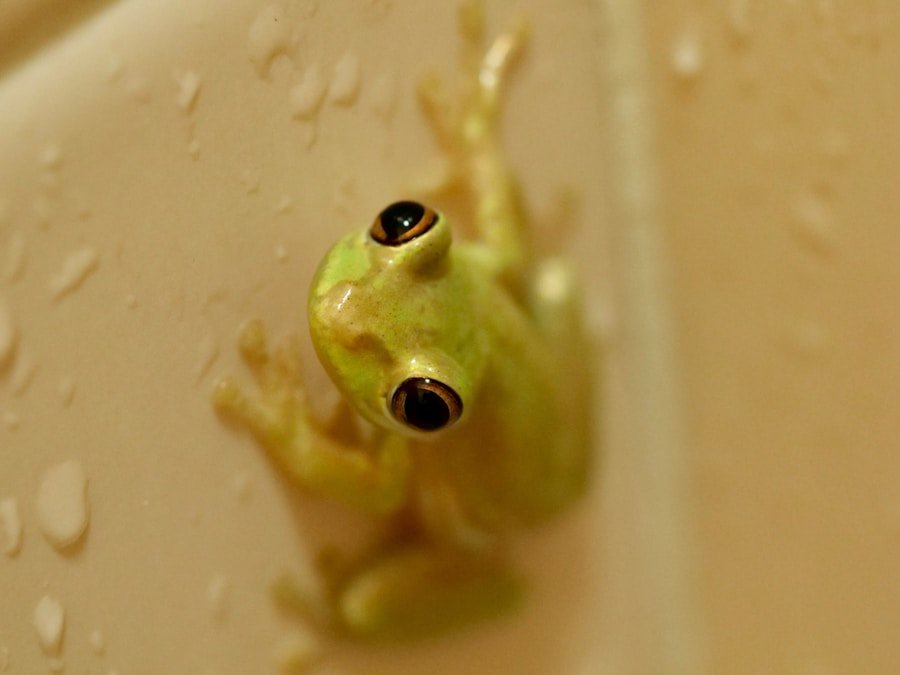
The American Green Tree Frog, scientifically known as Hyla cinerea, is a captivating amphibian that has captured the hearts of nature enthusiasts and pet owners alike. Native to the southeastern United States, this vibrant green frog is often found in wetlands, swamps, and marshes, where it thrives in warm, humid environments. Its striking appearance and melodious calls make it a popular subject for both study and admiration.
The American Green Tree Frog is not just a beautiful creature; it plays a vital role in its ecosystem, serving as both predator and prey. Historically, the American Green Tree Frog has been a part of the cultural fabric of the regions it inhabits. Indigenous peoples often regarded frogs as symbols of fertility and transformation, and the American Green Tree Frog is no exception.
Its presence in folklore and local traditions highlights its significance beyond mere biological interest. As urbanization and environmental changes continue to impact its habitat, understanding this species becomes increasingly important for conservation efforts and ecological education. Sure, here is the sentence with the link:
I love learning about different types of animals, especially the unique characteristics of the Frog.
Key Takeaways
- The American Green Tree Frog is a small, vibrant green amphibian found in the southeastern United States.
- These frogs have sticky toe pads that allow them to climb and cling to various surfaces, and they are known for their loud, musical calls.
- American Green Tree Frogs are commonly found in wetlands, swamps, and marshes, and they are also known to inhabit urban areas.
- Their diet consists of insects and other small invertebrates, and they are preyed upon by birds, snakes, and larger frogs.
- These frogs lay their eggs in water, and their tadpoles undergo metamorphosis before becoming adult frogs.
Physical Characteristics and Behavior
Physical Characteristics
Adult frogs typically range from 2 to 3 inches in length, with females generally larger than males. One of the most distinctive features of this species is the prominent yellow or white stripe that runs along each side of its body, adding to its visual appeal.
Behavior and Adaptability
The American Green Tree Frog is known for its agility and adaptability. These frogs are excellent climbers, thanks to their specialized toe pads that allow them to grip onto branches and leaves with ease. They are primarily nocturnal, becoming active at night when they hunt for insects and other small invertebrates.
Vocalization and Mating
Their calls, which can be heard during the breeding season, are a series of high-pitched “quacks” that resonate through their habitats, attracting potential mates. This vocalization not only serves reproductive purposes but also establishes territory among males.
Habitat and Distribution
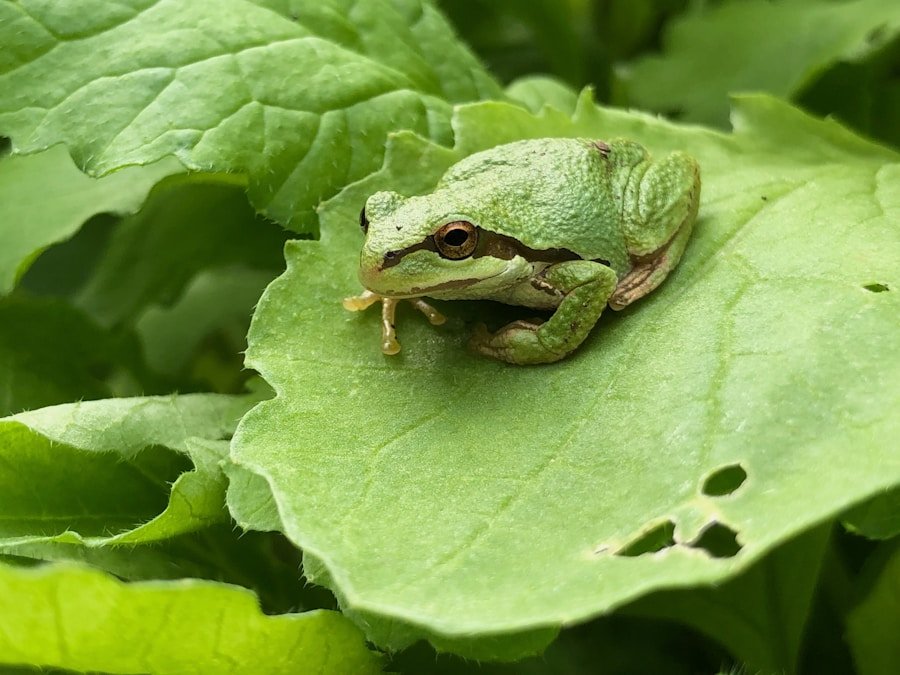
The American Green Tree Frog is predominantly found in the southeastern United States, with its range extending from North Carolina down to Florida and westward to Texas. This species thrives in warm, humid environments, often residing in areas with abundant vegetation near water sources such as ponds, swamps, and marshes. These habitats provide not only food but also essential cover from predators.
In terms of habitat preferences, the American Green Tree Frog is often associated with cypress swamps and freshwater marshes where dense foliage offers protection and breeding sites. As urban development encroaches on these natural areas, the frog’s habitat is increasingly fragmented. This loss of habitat poses significant challenges for their survival, making it crucial to understand their distribution patterns and habitat requirements for effective conservation strategies.
Diet and Predators
| Species | Diet | Main Predators |
|---|---|---|
| Lion | Carnivorous | Hyenas, Leopards, and Humans |
| Rabbit | Herbivorous | Foxes, Hawks, and Snakes |
| Great White Shark | Carnivorous | Orcas and Humans |
| Deer | Herbivorous | Wolves, Mountain Lions, and Bears |
The diet of the American Green Tree Frog primarily consists of insects and other small invertebrates. They are opportunistic feeders, consuming a variety of prey such as crickets, moths, beetles, and spiders. Their hunting strategy involves waiting patiently on leaves or branches until an unsuspecting insect comes within striking distance.
With their long, sticky tongues, they can quickly capture prey with remarkable precision. Despite their vibrant appearance, American Green Tree Frogs face numerous predators in their natural environment. Birds, snakes, and larger amphibians are among the primary threats to their survival.
Additionally, environmental factors such as pollution and habitat destruction can indirectly increase predation rates by reducing available cover and altering food webs. Understanding these dynamics is essential for appreciating the challenges faced by this species in the wild.
Reproduction and Lifecycle
The reproductive cycle of the American Green Tree Frog typically begins in late spring to early summer when males start calling to attract females. The calls serve as both a mating signal and a territorial display. Once a female selects a mate based on his call quality and territory, she will lay her eggs in shallow water or among aquatic vegetation.
The tadpoles undergo a metamorphosis that can take several weeks to months, depending on environmental conditions such as temperature and food availability. During this time, they develop into juvenile frogs, gradually losing their tails and developing limbs.
Once they reach maturity, they will venture onto land and begin their life as adult frogs. This lifecycle highlights the importance of suitable aquatic habitats for breeding and development, emphasizing the need for conservation efforts to protect these environments.
Conservation Status and Threats
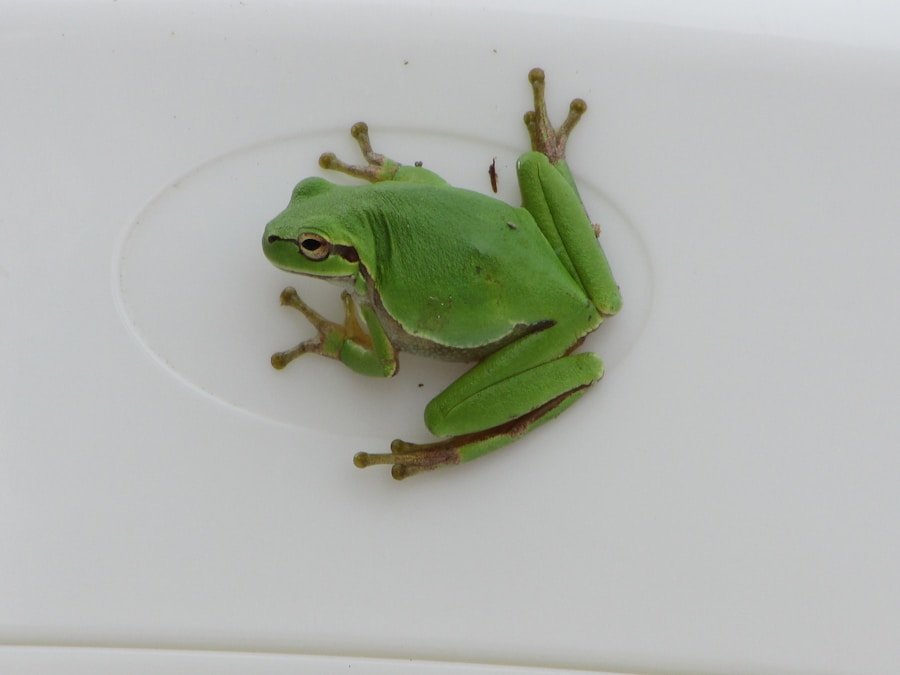
The conservation status of the American Green Tree Frog varies across its range but is generally considered stable. However, certain populations face significant threats due to habitat loss from urbanization, agricultural expansion, and pollution. Wetland drainage for development purposes has led to a decline in suitable habitats for breeding and foraging.
Additionally, climate change poses a growing threat to this species by altering rainfall patterns and increasing temperatures in their native habitats. These changes can affect breeding cycles and food availability, further stressing populations already impacted by human activities. Conservation efforts aimed at preserving wetland ecosystems are crucial for ensuring the long-term survival of the American Green Tree Frog.
Importance in the Ecosystem
The American Green Tree Frog plays a vital role in its ecosystem as both predator and prey. By consuming large quantities of insects, they help regulate insect populations, contributing to the overall health of their environment. This natural pest control is particularly important in agricultural areas where insect populations can become problematic.
Moreover, as prey for various predators such as birds and snakes, they serve as an essential link in the food web. Their presence indicates a healthy ecosystem; thus, monitoring their populations can provide valuable insights into environmental health. Protecting the American Green Tree Frog ultimately supports biodiversity and helps maintain ecological balance within their habitats.
Keeping American Green Tree Frogs as Pets
For those interested in keeping American Green Tree Frogs as pets, it’s essential to understand their specific care needs to ensure a healthy environment for these fascinating creatures. They require a spacious terrarium with plenty of vertical space for climbing since they are arboreal by nature. A well-planted enclosure with live or artificial plants can mimic their natural habitat while providing hiding spots.
Dietary needs should include a variety of insects such as crickets and mealworms dusted with calcium supplements to ensure proper nutrition. Regular misting of the enclosure is necessary to maintain humidity levels that mimic their natural environment. Additionally, providing clean water for soaking is crucial for their health.
American Green Tree Frogs can be suitable pets for families or individuals who are willing to invest time in their care. They are relatively low-maintenance compared to other pets but require regular attention to ensure their well-being. However, potential owners should be aware of common health issues such as skin infections or respiratory problems that can arise from improper care or environmental stressors.
In conclusion, the American Green Tree Frog is not only an enchanting amphibian but also an important component of its ecosystem. Understanding its biology, behavior, and conservation needs is essential for fostering appreciation for this species while promoting efforts to protect its natural habitats. Whether admired in the wild or kept as a pet, these frogs continue to inspire curiosity and wonder among those who encounter them.
If you are interested in learning more about caring for pets, you may want to check out this article on Holland Lop: The Adorable and Affectionate Bunny Breed. Just like the American Green Tree Frog, Holland Lops are beloved pets that require specific care and attention to thrive. This article provides valuable information on how to properly care for these cute and cuddly bunnies.
FAQs
What is the American Green Tree Frog?
The American Green Tree Frog, also known as Hyla cinerea, is a species of tree frog native to the southeastern United States.
What does the American Green Tree Frog look like?
The American Green Tree Frog is typically bright green in color, with a white or yellow lateral line running from the jaw to the groin. They have large toe pads that help them climb and cling to surfaces.
What is the habitat of the American Green Tree Frog?
These frogs are commonly found in a variety of habitats including swamps, marshes, and urban areas with suitable vegetation and water sources.
What do American Green Tree Frogs eat?
American Green Tree Frogs primarily feed on insects such as crickets, moths, and flies. They are also known to consume small invertebrates.
Are American Green Tree Frogs good pets?
American Green Tree Frogs are popular as pets due to their small size and vibrant coloration. However, they require specific care and habitat conditions to thrive in captivity.
Are American Green Tree Frogs endangered?
The American Green Tree Frog is not currently listed as endangered. However, habitat loss and pollution pose threats to their populations in some areas.