Table of Contents
When we decide to welcome a hamster into our lives, we embark on a journey filled with joy, companionship, and responsibility. These small, furry creatures have captured the hearts of many due to their playful nature and charming antics. However, as we embrace the role of a hamster owner, it becomes crucial for us to understand the intricacies of hamster care.
Proper care not only ensures the well-being of our little friends but also enhances our experience as pet owners. Understanding the basic needs of hamsters is the first step in providing them with a happy and healthy life. From their habitat to their diet, every aspect of their care plays a significant role in their overall health.
As we delve deeper into the world of hamster care, we will explore various elements that contribute to their happiness and longevity. By equipping ourselves with knowledge and practical tips, we can create an environment where our hamsters thrive.
Key Takeaways
- Proper hamster care involves creating a suitable habitat, providing a balanced diet, and ensuring regular exercise and hygiene.
- A balanced diet for your hamster includes a mix of pellets, fresh fruits and vegetables, and occasional treats.
- Regular exercise is essential for your hamster’s physical and mental well-being, and can be achieved through a variety of toys and activities.
- Maintaining your hamster’s hygiene involves cleaning their cage regularly, providing a dust bath for grooming, and trimming their nails when necessary.
- Monitoring your hamster’s health includes regular check-ups, observing their behavior, and being aware of common signs of illness or stress.
Creating the Perfect Habitat for Your Hamster
The foundation of a happy hamster life begins with a well-designed habitat. When we think about creating the perfect home for our furry companions, we must consider their natural instincts and behaviors. Hamsters are burrowing animals by nature, so providing them with ample space to explore and dig is essential.
A spacious cage with multiple levels, tunnels, and hiding spots can mimic their natural environment and keep them engaged. Choosing the right bedding material is also crucial for our hamsters’ comfort and health. We should opt for bedding that is absorbent, dust-free, and safe for them to burrow in.
Materials like aspen shavings or paper-based bedding are excellent choices. Additionally, we must ensure that the cage is well-ventilated and secure to prevent any escapes. By investing time in creating a suitable habitat, we set the stage for our hamsters to feel safe and content.
Providing a Balanced Diet for Your Hamster

A balanced diet is vital for maintaining our hamsters’ health and vitality. As we explore their dietary needs, we must remember that hamsters are omnivores, which means they require a mix of grains, vegetables, and proteins. High-quality commercial hamster pellets can serve as the foundation of their diet, providing essential nutrients.
However, we should also supplement their meals with fresh fruits and vegetables to ensure they receive a variety of vitamins and minerals. It’s important for us to be mindful of portion sizes when feeding our hamsters. Overfeeding can lead to obesity and other health issues, so we should provide small amounts of fresh food daily while removing any uneaten portions promptly.
Additionally, we must avoid feeding them sugary or fatty treats that can harm their health in the long run. By prioritizing a balanced diet, we can help our hamsters live longer, healthier lives.
Ensuring Your Hamster Gets Enough Exercise
Exercise is a crucial component of hamster care that often goes overlooked. These energetic creatures require regular physical activity to stay healthy and prevent boredom.
A hamster wheel is a classic choice that allows them to run freely while burning off energy. In addition to wheels, we can create an enriching environment by incorporating tunnels, climbing structures, and toys that encourage exploration. Supervised playtime outside of their cage can also be beneficial, allowing them to explore new surroundings in a safe manner.
By ensuring our hamsters get enough exercise, we not only promote their physical health but also enhance their mental well-being.
Maintaining Your Hamster’s Hygiene
Maintaining proper hygiene is essential for our hamsters’ health and comfort. Regular cleaning of their habitat helps prevent the buildup of waste and odors that can lead to health issues. We should aim to clean the cage at least once a week, replacing bedding and wiping down surfaces with pet-safe cleaners.
This routine not only keeps their environment fresh but also allows us to monitor any changes in their behavior or health. In addition to cage cleaning, we must also pay attention to our hamsters’ grooming needs. While hamsters are generally good at grooming themselves, some breeds may require occasional brushing to prevent matting or excessive shedding.
We should also check their nails regularly and trim them if necessary to prevent discomfort or injury. By prioritizing hygiene, we contribute to our hamsters’ overall well-being.
Monitoring Your Hamster’s Health
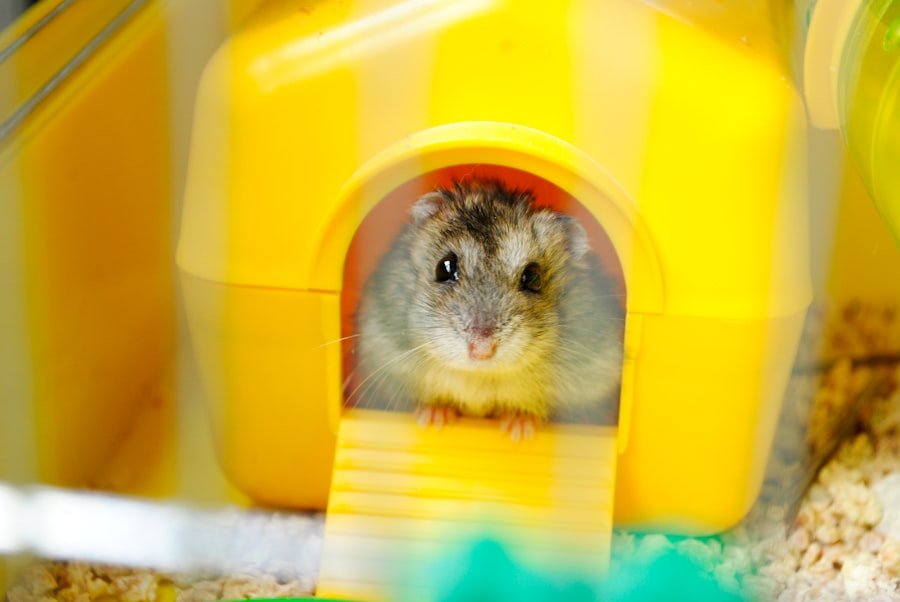
As responsible pet owners, it is our duty to monitor our hamsters’ health closely. Regular observation allows us to catch any potential issues early on and seek veterinary care if needed. We should familiarize ourselves with the signs of a healthy hamster—bright eyes, a shiny coat, and active behavior—so that we can quickly identify any changes that may indicate illness.
Common health concerns in hamsters include respiratory issues, dental problems, and obesity. If we notice any unusual behavior such as lethargy, loss of appetite, or difficulty breathing, it is crucial to consult a veterinarian who specializes in small animals. By staying vigilant about our hamsters’ health, we can ensure they receive timely care and maintain a high quality of life.
Handling and Socializing with Your Hamster
Building a bond with our hamsters requires patience and gentle handling techniques. When we first bring our new pet home, it’s essential to give them time to acclimate to their new environment before attempting to handle them. Once they seem comfortable, we can start by offering treats from our hands to build trust.
Gradually introducing ourselves into their space helps them feel secure. When handling our hamsters, we should always be gentle and supportive. Cradling them in our hands or using a small container can help prevent falls or injuries.
Regular interaction not only strengthens our bond but also helps socialize them, making them more comfortable around us. By taking the time to handle and interact with our hamsters regularly, we foster a trusting relationship that enhances both our experiences.
Providing Mental Stimulation for Your Hamster
Mental stimulation is just as important as physical exercise for our hamsters’ overall well-being. These intelligent creatures thrive on challenges that engage their minds and encourage exploration.
Puzzle toys that dispense treats or mazes that require problem-solving can keep them entertained for hours. Additionally, rotating toys regularly can prevent boredom and keep their environment fresh and exciting. We might also consider creating DIY enrichment activities using household items like cardboard boxes or paper towel rolls filled with hay or treats.
By prioritizing mental stimulation, we help our hamsters stay active and engaged, reducing the likelihood of stress or behavioral issues.
Recognizing Signs of Stress or Illness in Your Hamster
As attentive pet owners, it is vital for us to recognize the signs of stress or illness in our hamsters promptly. Stress can manifest in various ways, including excessive grooming, aggression, or changes in eating habits. If we notice any sudden changes in behavior or appearance, it’s essential to assess their environment for potential stressors such as loud noises or overcrowding.
Illness may present itself through symptoms like lethargy, weight loss, or abnormal droppings. Being aware of these signs allows us to take action quickly—whether it’s adjusting their habitat or seeking veterinary assistance when necessary. By staying observant and proactive about our hamsters’ well-being, we can help ensure they lead happy and healthy lives.
Tips for Bonding with Your Hamster
Bonding with our hamsters is a rewarding experience that enhances our relationship with these delightful pets. One effective way to bond is through consistent interaction during playtime or handling sessions. We should aim for short but frequent sessions at first, gradually increasing the duration as they become more comfortable with us.
Offering treats during these interactions can also help create positive associations with handling. Additionally, speaking softly and calmly around them fosters a sense of security. Creating a routine around feeding or playtime can further strengthen our bond as they learn to anticipate our presence positively.
By investing time in bonding activities, we cultivate trust and companionship with our hamsters.
The Importance of Proper Hamster Care
In conclusion, proper hamster care is essential for ensuring the happiness and well-being of these charming little creatures. From creating an enriching habitat to providing a balanced diet and regular exercise, every aspect of care contributes significantly to their quality of life. As responsible pet owners, it is our duty to educate ourselves about their needs and monitor their health closely.
By fostering a strong bond through gentle handling and socialization while providing mental stimulation and recognizing signs of stress or illness, we create an environment where our hamsters can thrive. Ultimately, the joy that comes from caring for these delightful pets is immeasurable; by prioritizing their needs, we enrich not only their lives but ours as well.
If you’re interested in learning more about pets, you may want to check out this article on the charming budgerigar as a pet. Budgies are popular pets known for their vibrant colors and playful personalities. Just like hamsters, budgies require proper care and attention to ensure they are happy and healthy. Whether you’re a beginner or experienced pet owner, this article provides valuable information on how to care for these delightful birds.
FAQs
What are the basic needs of a hamster?
Hamsters require a proper cage with bedding, a wheel for exercise, a water bottle, and a food dish. They also need a balanced diet of hamster food, fresh vegetables, and occasional treats.
How often should I clean my hamster’s cage?
It is recommended to spot clean your hamster’s cage every day by removing any soiled bedding or uneaten food. A full cage clean should be done once a week, replacing all bedding and cleaning the cage with mild soap and water.
What type of exercise do hamsters need?
Hamsters need a wheel for running and exercising, as well as toys and tunnels to keep them mentally stimulated. It’s important to provide a safe and secure environment for them to explore and play.
What should I feed my hamster?
Hamsters should be fed a diet of commercial hamster food, supplemented with fresh vegetables and occasional treats such as fruits, nuts, or mealworms. It’s important to avoid feeding them sugary or fatty foods.
How can I handle my hamster safely?
When handling your hamster, it’s important to approach them calmly and gently. Always scoop them up from below and support their body to prevent them from getting scared or injured. It’s also important to let them get used to your scent and touch before handling them regularly.