Table of Contents
When welcoming a new puppy into your home, the first step is to create a safe and comfortable environment where they can acclimate. This space should be designated as their own, providing a sense of security amidst the new sights, sounds, and smells they will encounter. A safe space can be a specific room or a cozy corner equipped with their bed, toys, and other essentials.
It’s crucial to choose an area that is away from high-traffic zones in your home, allowing your puppy to retreat and relax without feeling overwhelmed. In addition to physical comfort, emotional safety is equally important. Puppies are naturally curious and may feel anxious in unfamiliar surroundings.
To help ease their transition, consider using calming aids such as pheromone diffusers or soft music designed for dogs. These elements can create a soothing atmosphere that helps your puppy feel more at ease. Furthermore, spending quality time in this space with your puppy can foster trust and strengthen your bond, making it a positive experience for both of you.
Key Takeaways
- Create a safe space for your new puppy by designating a quiet area with a comfortable bed and access to water and toys.
- Puppy-proof your home by removing hazardous items, securing electrical cords, and blocking off areas with baby gates.
- Choose the right bed and crate for your puppy’s size and provide a cozy, den-like space for them to feel secure.
- Set up a feeding and watering station in a quiet area and establish a consistent schedule for meals and potty breaks.
- Use positive reinforcement and consistency to potty train your puppy and designate an indoor potty area for emergencies.
Puppy-Proofing Your Home
Puppy-proofing your home is an essential step in ensuring the safety of your new furry friend. Puppies are notorious for their inquisitive nature, often leading them to explore every nook and cranny of their environment. Start by identifying potential hazards such as electrical cords, small objects that could be swallowed, and toxic substances like cleaning supplies or certain plants.
Utilizing baby gates can help restrict access to areas that may pose risks, allowing your puppy to roam freely in safer spaces. In addition to removing hazards, consider investing in furniture covers or protective barriers for items that are easily damaged. Puppies may chew on furniture legs or scratch surfaces out of boredom or anxiety.
Providing appropriate chew toys can redirect this behavior and protect your belongings. It’s also wise to secure trash cans and food storage areas, as puppies are often drawn to the enticing smells of discarded food. By taking these proactive measures, you can create a safer environment that allows your puppy to explore without constant supervision.
Choosing the Right Bed and Crate
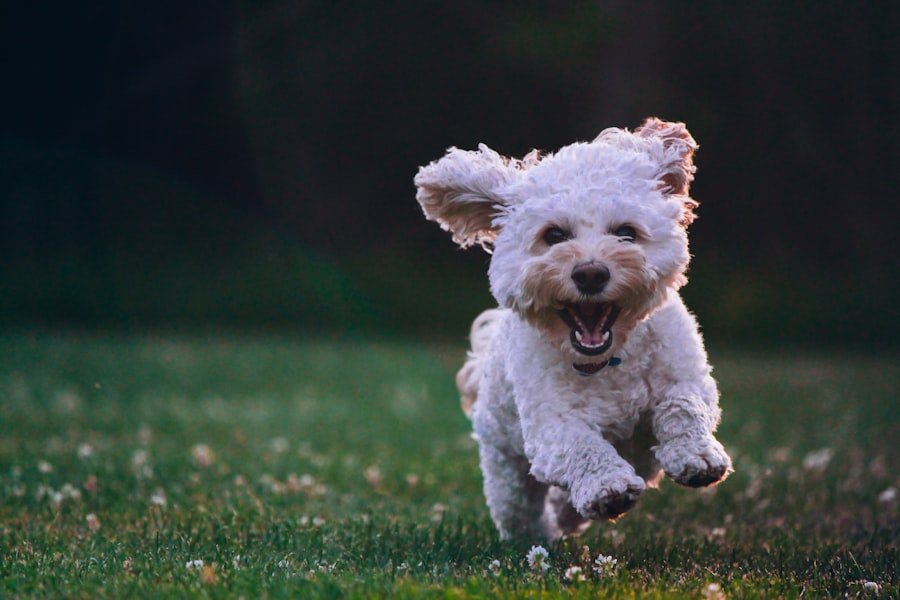
Selecting the right bed and crate for your puppy is crucial for their comfort and security. A bed should be appropriately sized for your puppy’s breed and age, providing enough space for them to stretch out while still feeling snug. Look for beds made from durable materials that are easy to clean, as puppies can be prone to accidents.
Orthopedic beds may be beneficial for larger breeds or those with joint concerns, ensuring they have proper support as they grow. Crate training is another vital aspect of puppy ownership, offering a safe haven for your pet when you cannot supervise them directly. The crate should be large enough for your puppy to stand up, turn around, and lie down comfortably but not so large that they can use one corner as a bathroom.
Consider using a crate with adjustable dividers to accommodate your puppy’s growth. Additionally, make the crate inviting by adding soft bedding and toys, helping your puppy associate it with positive experiences rather than confinement.
Setting Up a Feeding and Watering Station
Establishing a designated feeding and watering station is essential for maintaining your puppy’s health and hygiene. Choose a location that is easily accessible yet away from high-traffic areas to minimize distractions during mealtime. Elevated feeding stations can be beneficial for larger breeds, promoting better posture while eating and drinking.
Ensure that the bowls are made from non-toxic materials and are easy to clean; stainless steel or ceramic options are often preferred over plastic due to their durability and resistance to bacteria. Consistency in feeding times is crucial for developing a routine that helps regulate your puppy’s digestion. Puppies thrive on schedules, so feeding them at the same times each day can aid in potty training efforts as well.
Additionally, always provide fresh water in a clean bowl, ensuring your puppy stays hydrated throughout the day.
Potty Training and Indoor Potty Areas
Potty training is one of the most significant challenges new puppy owners face, but with patience and consistency, it can be successfully achieved. Start by establishing a routine that includes frequent outdoor bathroom breaks, especially after meals, playtime, or naps. Puppies have small bladders and may need to go outside every hour or two initially.
Praise and reward your puppy immediately after they eliminate outside to reinforce positive behavior. For those living in apartments or areas with inclement weather, creating an indoor potty area can be a practical solution. This space should be designated with pee pads or artificial grass specifically designed for indoor use.
Place the potty area in a quiet corner away from their feeding station and sleeping area to avoid confusion. Gradually transition your puppy from indoor potty use to outdoor elimination as they become more accustomed to their routine.
Introducing Your Puppy to Other Pets in the Home
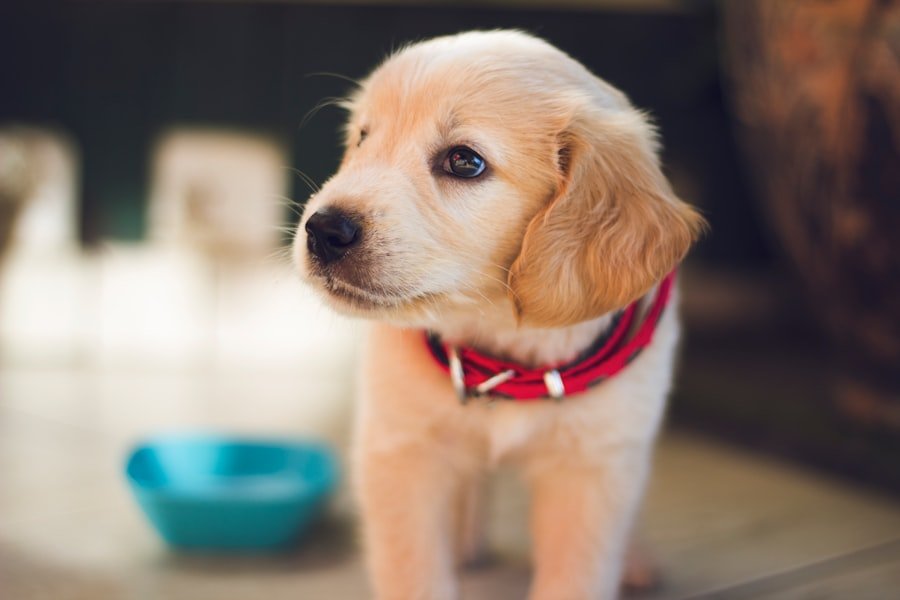
Introducing a new puppy to existing pets requires careful planning and consideration to ensure a smooth transition for everyone involved. Start by allowing the pets to become familiar with each other’s scents before any face-to-face meetings occur. You can achieve this by swapping bedding or toys between the animals, which helps them acclimate to one another’s presence without direct interaction.
When it’s time for the actual introduction, choose a neutral space where neither pet feels territorial. Keep the initial meetings short and supervised, gradually increasing the duration as they become more comfortable with each other. Positive reinforcement is key during these interactions; reward both pets with treats and praise when they exhibit calm behavior around one another.
Monitor their body language closely; signs of stress or aggression should be addressed immediately by redirecting their attention or separating them if necessary.
Providing Toys and Enrichment Activities
Toys play an integral role in a puppy’s development, providing not only entertainment but also mental stimulation and physical exercise. When selecting toys, consider various types such as chew toys, interactive puzzles, and plush toys that cater to different aspects of play. Chew toys are particularly important for teething puppies, helping alleviate discomfort while also promoting dental health.
Enrichment activities are equally vital for keeping your puppy engaged and preventing boredom-related behaviors such as chewing furniture or excessive barking. Activities like hide-and-seek with treats or teaching new tricks can stimulate their minds while strengthening your bond. Regularly rotating toys can also keep playtime fresh and exciting; introducing new items periodically will maintain their interest and encourage exploration.
Establishing a Routine for Exercise and Playtime
A well-structured routine is essential for a puppy’s physical and mental well-being. Puppies have high energy levels and require regular exercise to stay healthy and happy.
Incorporating varied activities into your routine can prevent monotony and keep your puppy engaged. For instance, alternate between leash walks in the neighborhood, trips to the dog park for socialization with other dogs, and interactive play sessions at home using toys or agility equipment. As your puppy grows, gradually increase the intensity and duration of exercise sessions to match their developing stamina and strength.
Puppy-Proofing Your Yard and Outdoor Spaces
If you have a yard or outdoor space where your puppy will spend time, it’s crucial to ensure it is safe and secure. Begin by inspecting the perimeter for any gaps or holes that could allow your puppy to escape; even small openings can be an invitation for adventurous pups looking to explore beyond their boundaries. Installing secure fencing is essential; consider options like chain-link or wooden fences that are tall enough to prevent jumping.
Additionally, assess the yard for potential hazards such as toxic plants or chemicals used in gardening or landscaping. Common plants like azaleas, lilies, and sago palms can be harmful if ingested by dogs. If you have any of these plants in your yard, consider removing them or creating barriers around them to keep your puppy safe.
Providing shaded areas with water access will also ensure that your puppy remains comfortable during outdoor playtime.
Safety Measures for Household Items and Plants
Beyond general puppy-proofing efforts, specific safety measures should be taken regarding household items and plants that may pose risks to your new pet. Many common household items can be hazardous if ingested or misused by curious puppies. For instance, medications should always be stored out of reach in cabinets with childproof locks; even over-the-counter drugs can be dangerous if consumed by pets.
In addition to medications, cleaning supplies should be kept securely stored away from areas where your puppy has access. Many cleaning products contain chemicals that are toxic to dogs if ingested or inhaled. Opting for pet-safe cleaning alternatives can also help maintain a clean home without compromising your puppy’s safety.
Furthermore, educating yourself about common household plants that are toxic to dogs will allow you to make informed decisions about what greenery is appropriate for your living space.
Finding a Vet and Setting Up a Health Care Plan
Finding a veterinarian you trust is one of the most important steps in ensuring your puppy’s health throughout their life. Start by researching local veterinary clinics and reading reviews from other pet owners in your area. Consider visiting potential clinics beforehand to assess their facilities and meet the staff; this will give you an idea of how comfortable you feel entrusting them with your pet’s care.
Once you’ve selected a veterinarian, setting up a health care plan is essential for monitoring your puppy’s growth and development. Regular check-ups are crucial during their first year of life as they require vaccinations at specific intervals to protect against common diseases such as parvovirus and distemper. Discuss spaying or neutering options with your vet as well; this procedure is typically recommended around six months of age but may vary based on breed and individual health considerations.
Establishing a solid health care plan early on will set the foundation for a long and healthy life for your new companion.
If you are considering getting a new puppy, you may also be interested in learning about the mysterious and majestic Sphynx cat. Check out this article to discover more about this unique breed.
FAQs
What are the essential items needed to prepare for a new puppy?
Some essential items needed to prepare for a new puppy include a comfortable bed, food and water bowls, high-quality puppy food, collar and leash, toys, grooming supplies, and a crate for training and safety.
How should I puppy-proof my home?
Puppy-proofing your home involves removing any hazardous items such as small objects, electrical cords, toxic plants, and chemicals. It’s also important to secure cabinets and trash cans, and to block off any areas that may be unsafe for a curious puppy.
What vaccinations and medical care does a new puppy need?
A new puppy will need vaccinations to protect against common diseases such as rabies, distemper, and parvovirus. It’s important to schedule regular veterinary check-ups and to discuss a schedule for vaccinations, deworming, and flea and tick prevention.
How can I start potty training my new puppy?
Potty training a new puppy involves establishing a routine for feeding, potty breaks, and crate training. It’s important to supervise the puppy closely, reward good behavior, and be consistent with training methods to help the puppy learn where to go potty.
What are some important socialization tips for a new puppy?
Socialization is crucial for a new puppy and involves exposing them to different people, animals, environments, and experiences in a positive way. This helps the puppy develop confidence and good behavior around others. It’s important to start socialization early and to make it a positive and enjoyable experience for the puppy.