
Table of Contents
As the seasons shift, they bring about a myriad of changes that affect not only the environment but also the lives of our beloved pets. The transition from the warmth of summer to the chill of winter, or the blossoming of spring into the heat of summer, can have profound effects on animal behavior, health, and overall well-being. Understanding these seasonal changes is crucial for pet owners who wish to provide the best care for their furry companions.
Each season presents unique challenges and opportunities that can influence everything from exercise routines to dietary needs. Pets, much like humans, are sensitive to their surroundings. They experience changes in temperature, humidity, and daylight hours, all of which can impact their mood and behavior.
For instance, a dog may become more lethargic during the cold winter months or more energetic during the spring when the weather is mild. Similarly, cats may exhibit different behaviors based on the season, such as increased playfulness in warmer months or a desire to curl up and hibernate during colder periods. Recognizing these patterns can help pet owners adapt their care strategies accordingly.
Key Takeaways
- Seasonal changes can have a significant impact on pet behavior, health, and overall well-being.
- Pets may experience seasonal allergies, which can lead to discomfort and health issues if not properly managed.
- It’s important to adjust pet exercise routines and grooming practices to accommodate seasonal changes.
- Nutrition and safety considerations should be taken into account to ensure pets are well cared for during seasonal transitions.
- Pet owners should be mindful of potential anxiety and environmental adaptation challenges that may arise with seasonal changes.
How Seasonal Changes Affect Pet Behavior
Seasonal changes can significantly influence pet behavior, often leading to noticeable shifts in activity levels and social interactions. For example, during the spring and summer months, many pets exhibit increased energy levels. The longer days and warmer temperatures encourage outdoor activities, prompting dogs to engage in more vigorous play and exploration.
This heightened activity can lead to improved mood and overall happiness in pets, as they are able to expend energy and enjoy the natural world around them. Conversely, as autumn approaches and winter sets in, pets may become less active. The shorter days and colder temperatures can lead to a decrease in outdoor playtime, which may result in boredom or restlessness.
Dogs that are accustomed to daily walks may become less enthusiastic about their routine when faced with chilly weather. Similarly, indoor cats might display signs of frustration if they are unable to engage in their usual outdoor explorations. Understanding these behavioral shifts allows pet owners to adjust their routines, ensuring that their pets remain stimulated and engaged throughout the year.
Seasonal Allergies and Pets
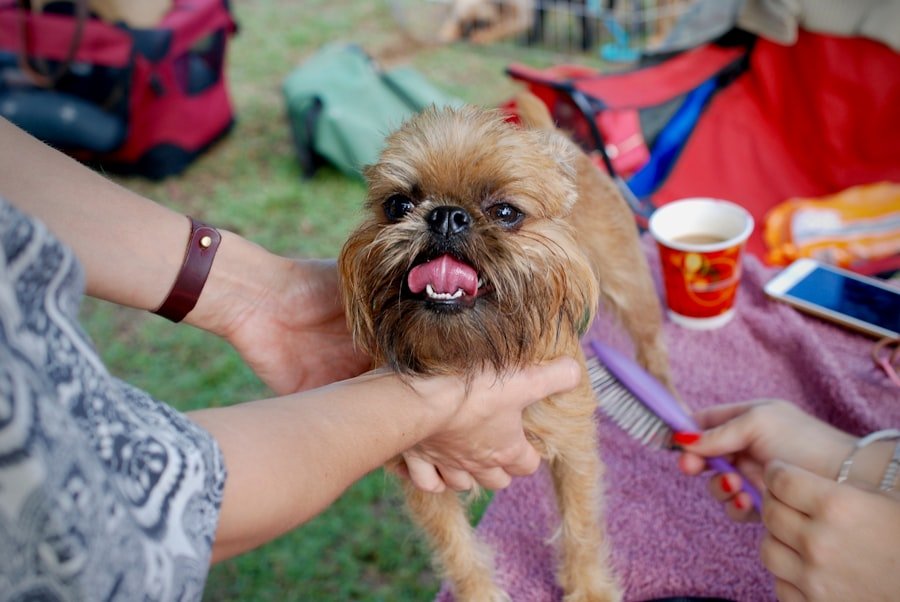
Just as humans suffer from seasonal allergies, pets can also be affected by allergens that fluctuate with the seasons. Pollen from blooming flowers in spring or ragweed in late summer can trigger allergic reactions in sensitive animals. Symptoms may include sneezing, itching, and watery eyes, which can lead to discomfort and distress for pets.
It is essential for pet owners to recognize these signs early on and consult with a veterinarian for appropriate treatment options. In addition to pollen allergies, pets may also experience reactions to mold spores that thrive in damp conditions during fall or winter. These allergens can exacerbate existing conditions such as asthma or dermatitis.
Regular grooming and cleaning of living spaces can help minimize exposure to allergens. For instance, frequent vacuuming and washing of pet bedding can reduce the accumulation of dust mites and mold spores, creating a healthier environment for pets during allergy-prone seasons.
Seasonal Changes and Pet Health
The health of pets can be significantly impacted by seasonal changes, necessitating vigilant care from pet owners. During colder months, pets are at risk for hypothermia and frostbite if exposed to extreme temperatures for prolonged periods. Short-haired breeds or those with less body fat are particularly vulnerable.
On the other hand, summer poses its own set of health risks for pets. Heatstroke is a serious concern during hot weather, especially for breeds with flat faces or those that are older or overweight.
Signs of overheating include excessive panting, drooling, and lethargy. Pet owners should be proactive by providing plenty of fresh water and ensuring that pets have access to shaded areas when outdoors. Regular breaks during exercise sessions can also help prevent overheating.
Seasonal Changes and Pet Exercise
Exercise routines for pets often need to be adjusted according to seasonal changes. In spring and summer, longer daylight hours provide ample opportunity for outdoor activities such as walks, runs, or playtime at the park.
Engaging in outdoor activities not only strengthens the bond between pet and owner but also allows dogs to socialize with other animals. However, as temperatures drop in autumn and winter, pet owners must adapt their exercise strategies. Shorter days may limit outdoor time, leading some owners to consider alternative forms of exercise such as indoor play or agility training.
Interactive toys can keep pets mentally stimulated when outdoor conditions are less than ideal. Additionally, it is important to monitor weather conditions; if it is too cold or wet outside, finding creative ways to keep pets active indoors becomes essential.
Seasonal Changes and Pet Grooming

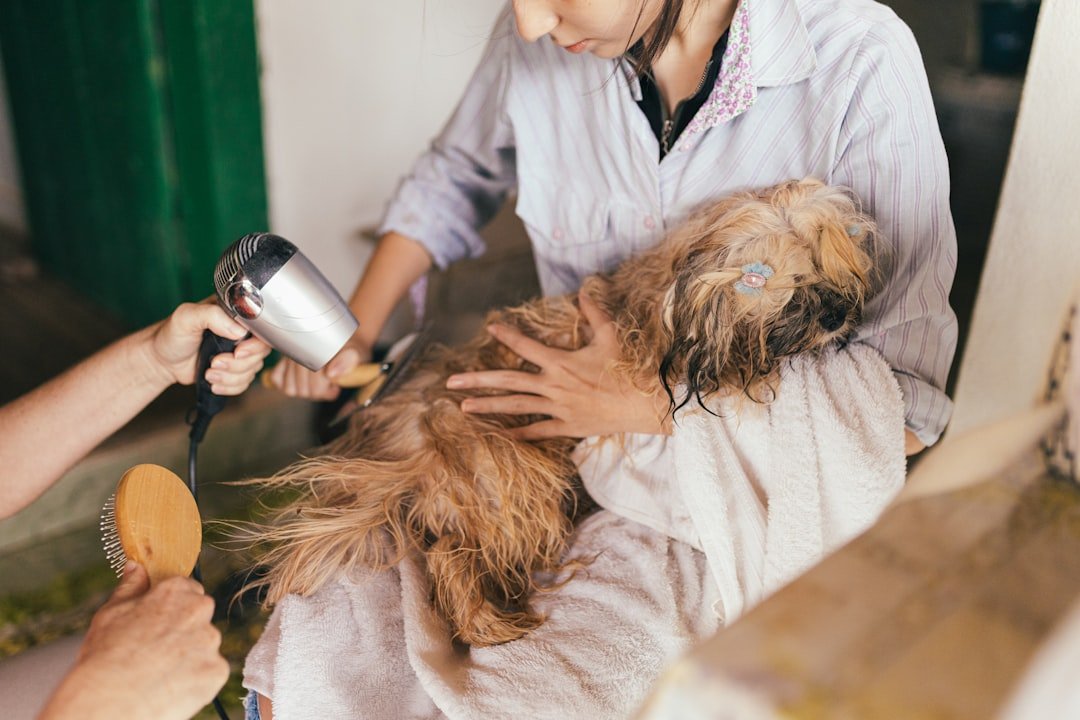
Grooming needs for pets can vary significantly with the seasons. In spring and summer, many pets shed their winter coats as they prepare for warmer weather. Regular brushing becomes essential during this time to manage shedding and prevent matting in long-haired breeds.
Grooming not only helps maintain a pet’s coat but also serves as an opportunity for owners to check for skin irritations or parasites that may be more prevalent during warmer months. As autumn approaches and temperatures begin to drop, grooming routines may shift again. Some pet owners may choose to let their pets grow thicker coats for insulation against the cold.
However, regular grooming remains important to remove dead hair and prevent matting. Additionally, winter grooming may involve checking paws for ice buildup or salt exposure after walks on snowy sidewalks. Keeping a pet’s coat clean and well-maintained throughout the year is vital for their comfort and health.
Seasonal Changes and Pet Nutrition
Nutrition is another area where seasonal changes can have a significant impact on pets. During colder months, pets may require more calories to maintain their body temperature and energy levels. Owners should consider adjusting portion sizes or incorporating higher-calorie foods into their pets’ diets during winter months when they are less active but still need adequate nutrition.
In contrast, summer heat may lead to decreased appetite in some pets. It is essential for owners to monitor their pets’ eating habits closely during this time. Providing fresh water at all times becomes even more critical as dehydration can occur quickly in hot weather.
Some pet owners opt for lighter meals or incorporate hydrating foods like fruits into their pets’ diets during summer months to ensure they remain nourished while staying cool.
Seasonal Changes and Pet Safety
Safety considerations for pets change with the seasons as well. In winter, pet owners must be vigilant about keeping their animals safe from cold-related hazards such as ice or snow-covered roads. Salt used on sidewalks can irritate paws; therefore, it is advisable to wipe down a pet’s paws after walks in winter conditions.
Additionally, ensuring that pets are visible during shorter daylight hours is crucial; reflective collars or leashes can enhance safety during evening walks. Summer brings its own safety challenges; heat-related illnesses are a significant concern for pets left in cars or exposed to direct sunlight for extended periods. Even with windows cracked open, temperatures inside vehicles can rise rapidly, leading to heatstroke within minutes.
Pet owners should never leave their animals unattended in vehicles during warm weather. Furthermore, awareness of local wildlife becomes important; encounters with snakes or other potentially dangerous animals can increase during warmer months.
Seasonal Changes and Pet Anxiety
Seasonal changes can also trigger anxiety in some pets due to various factors such as changes in routine or environmental stimuli like fireworks during holidays. For instance, many dogs experience heightened anxiety during summer celebrations that involve loud noises or large gatherings of people. Recognizing signs of anxiety—such as excessive barking, pacing, or hiding—can help owners address these issues proactively.
To mitigate anxiety related to seasonal changes, pet owners can create safe spaces within their homes where pets feel secure during stressful times. Providing familiar toys or blankets can help comfort anxious animals. Additionally, engaging in calming activities such as gentle play or training exercises can distract pets from anxiety-inducing stimuli while reinforcing positive behaviors.
Seasonal Changes and Pet Environmental Adaptation
Pets are remarkably adaptable creatures; however, they still require support when adjusting to seasonal changes in their environment. For instance, transitioning from indoor living during winter months to outdoor activities in spring requires gradual acclimatization for some animals. Owners should allow their pets time to adjust by gradually increasing outdoor exposure while monitoring their comfort levels.
Similarly, environmental adaptations may include adjusting living spaces based on seasonal needs—such as providing cooling mats during hot summer days or cozy blankets during cold nights—to ensure that pets remain comfortable regardless of external conditions. Creating an environment that caters to seasonal needs not only enhances a pet’s quality of life but also fosters a sense of security.
Conclusion and Tips for Managing Seasonal Changes with Pets
Managing seasonal changes effectively requires awareness and proactive measures from pet owners. By understanding how different seasons affect behavior, health, grooming needs, nutrition, safety concerns, anxiety levels, and environmental adaptations, owners can create a supportive environment for their pets year-round. Regular veterinary check-ups are essential for monitoring health changes related to seasonal shifts.
Pet owners should also stay informed about local weather patterns and potential hazards associated with each season—whether it’s keeping an eye on pollen counts during spring allergy season or being cautious about heat exposure in summer months. By being attentive to these factors and making necessary adjustments in care routines, pet owners can ensure that their furry companions thrive through every season of the year.
Seasonal changes can have a significant impact on our pets, affecting everything from their behavior to their health. As the weather gets colder, it’s important to take extra care of our furry friends to ensure they stay happy and healthy. One related article that provides helpful tips for caring for small pets in cold weather can be found

