Table of Contents
The Icelandic horse is a unique breed that has a rich history dating back to the Viking Age. Brought to Iceland by Norse settlers in the 9th and 10th centuries, these horses were originally bred for their strength, endurance, and ability to navigate the rugged terrain of the island. The isolation of Iceland has played a significant role in preserving the breed’s purity, as no horses have been imported to the island since the 10th century.
This has allowed the Icelandic horse to develop distinct characteristics that set it apart from other breeds. Over the centuries, the Icelandic horse has adapted to the harsh climate and challenging landscape of its homeland. The breed was primarily used for practical purposes, such as transportation, farming, and herding livestock.
However, it also became an integral part of Icelandic culture, featuring prominently in folklore and traditional celebrations. Today, the Icelandic horse is not only a symbol of national pride but also a beloved companion for riders around the world. Here is the sentence: Learn more about different horse breeds at horse.
Key Takeaways
- The Icelandic horse has a long history dating back to the 9th and 10th centuries, when it was brought to Iceland by the Vikings.
- Known for its small stature, sturdy build, and thick double coat, the Icelandic horse is a unique breed with distinct physical characteristics.
- The Icelandic horse is highly versatile and adaptable, thriving in harsh and varied environments, making it a popular choice for various activities such as riding, racing, and herding.
- The Icelandic horse is known for its five natural gaits, including the unique tölt and flying pace, which set it apart from other horse breeds.
- The Icelandic horse holds significant cultural importance in Icelandic society, playing a key role in traditional events, folklore, and as a symbol of national pride.
Physical Characteristics and Unique Traits
Physical Characteristics
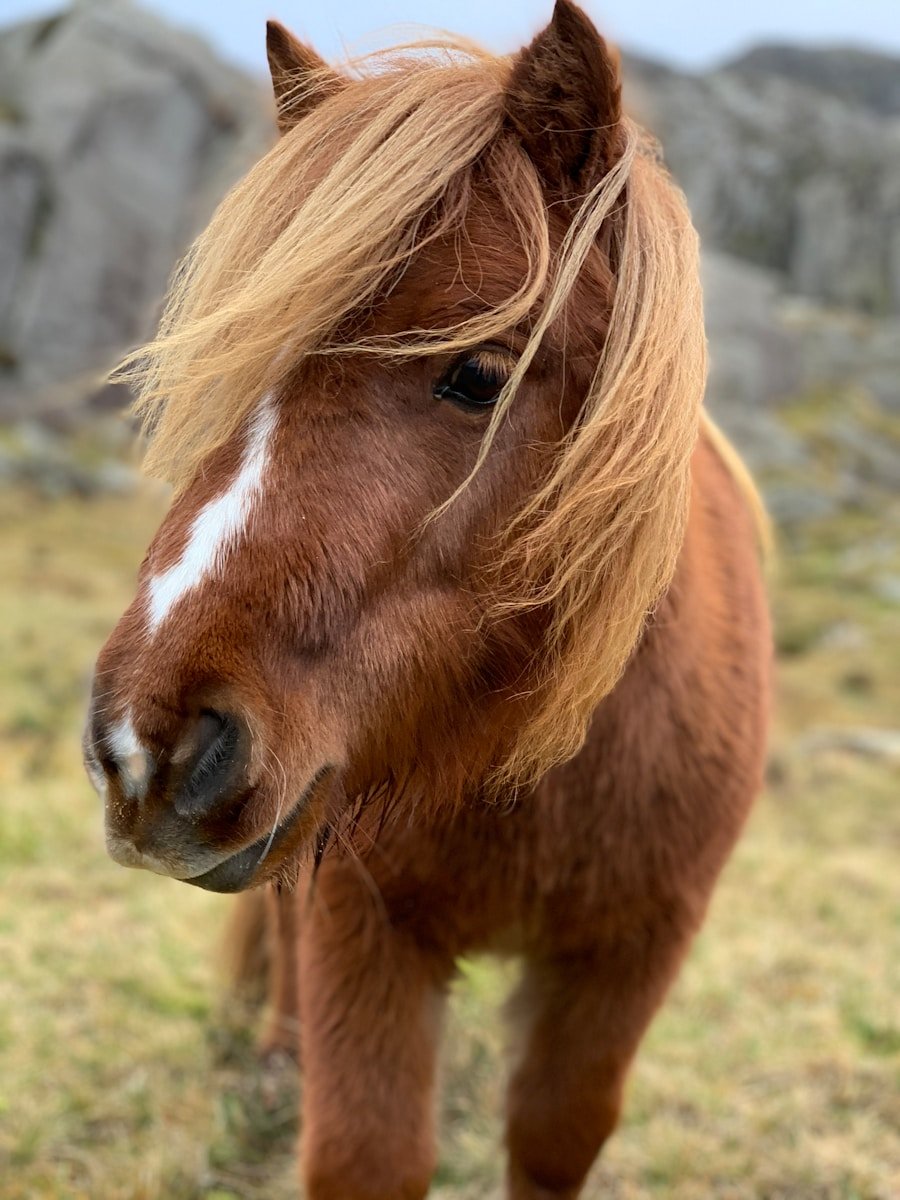
They typically stand between 13 to 14 hands high, making them smaller than many other horse breeds. Their bodies are muscular and well-proportioned, with a broad chest and strong legs that enable them to traverse difficult terrains with ease.
Coat and Color
One of the most striking features of the Icelandic horse is its thick mane and tail, which provide protection against the cold weather. In terms of color, Icelandic horses come in a variety of shades, including bay, black, chestnut, gray, and palomino. Their coats are often double-layered, consisting of a soft undercoat and a longer outer coat that helps insulate them against harsh weather conditions.
Unique Traits
Additionally, these horses possess a unique trait known as “tölt,” a smooth four-beat gait that allows them to cover ground efficiently while providing a comfortable ride for their riders. This combination of physical attributes makes the Icelandic horse not only visually appealing but also highly functional.
Versatility and Adaptability in Different Environments
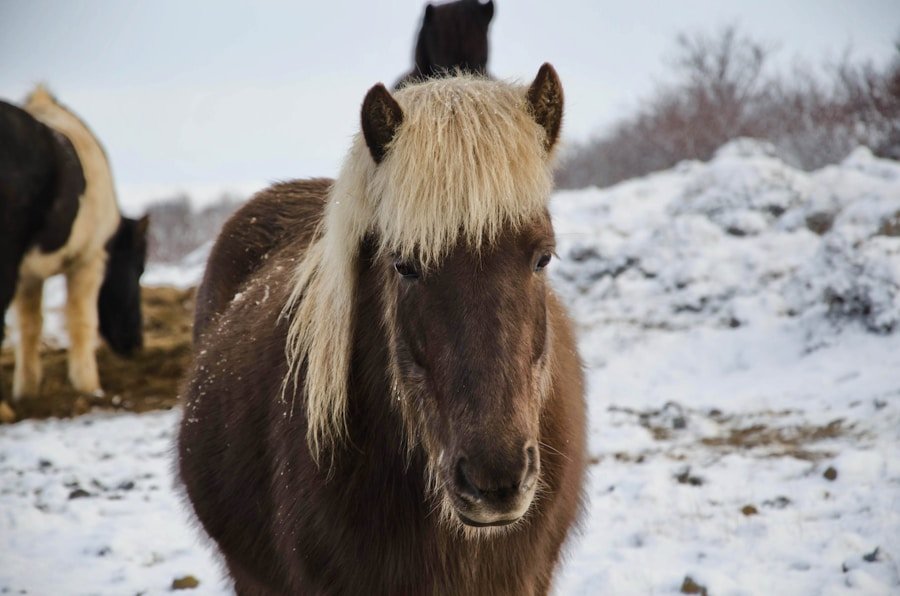
One of the most remarkable aspects of the Icelandic horse is its versatility. These horses are not only adept at navigating the rugged landscapes of Iceland but also excel in various equestrian disciplines around the world. From trail riding to competitive events such as dressage and show jumping, the Icelandic horse has proven its ability to adapt to different riding styles and environments.
Their natural agility and intelligence make them quick learners, allowing them to thrive in diverse settings. Moreover, Icelandic horses are known for their hardiness and resilience. They can withstand extreme weather conditions, from freezing temperatures to heavy rain, thanks to their thick coats and strong constitution.
This adaptability extends beyond physical endurance; they are also known for their calm demeanor and willingness to work with humans. As a result, they are often chosen for therapeutic riding programs and as mounts for novice riders who may be intimidated by larger breeds.
Icelandic Horse’s Five Natural Gaits
| Gait | Description |
|---|---|
| Walk | The walk is a four-beat gait where each foot hits the ground separately in a regular sequence. |
| Trot | The trot is a two-beat diagonal gait where the horse’s legs move in diagonal pairs. |
| Canter | The canter is a three-beat gait with a suspension phase where the horse’s legs move in a specific sequence. |
| Gallop | The gallop is a four-beat gait with a moment of suspension where the horse’s legs move in a specific sequence. |
| Tölt | The tölt is a four-beat lateral gait that is smooth and comfortable for the rider. |
One of the defining features of the Icelandic horse is its unique gaits. Unlike most horse breeds that typically have three gaits—walk, trot, and canter—the Icelandic horse boasts five distinct natural gaits: walk, trot, canter, tölt, and pace. The tölt is particularly noteworthy; it is a smooth, four-beat gait that allows riders to maintain a comfortable position while covering ground quickly.
This gait is often described as gliding or floating, making it a favorite among riders. The pace is another unique gait that is characterized by a two-beat lateral movement, where both legs on one side move together. While this gait can be faster than the tölt, it is less commonly used due to its potential for discomfort in riders who are not accustomed to it.
The versatility of these gaits not only enhances the riding experience but also showcases the breed’s natural athleticism. Riders can choose which gait suits their needs best, making the Icelandic horse an excellent choice for various equestrian activities.
Cultural Significance and Role in Icelandic Society
The Icelandic horse holds a special place in the hearts of the Icelandic people. It is more than just a mode of transportation or a working animal; it is deeply woven into the fabric of Icelandic culture and identity. Throughout history, these horses have been featured in folklore, literature, and art, symbolizing strength, freedom, and resilience.
They are often depicted in traditional stories and sagas that highlight their importance in everyday life. In modern times, the Icelandic horse continues to play a vital role in various cultural events and festivals across the country. Annual horse shows celebrate the breed’s unique characteristics and showcase the skills of both horses and riders.
Additionally, many families in rural areas rely on these horses for farming tasks and transportation during harsh winters. The bond between Icelanders and their horses is evident in their shared history and ongoing commitment to preserving this remarkable breed.
Conservation Efforts and Protection of the Breed
Preserving Genetic Purity
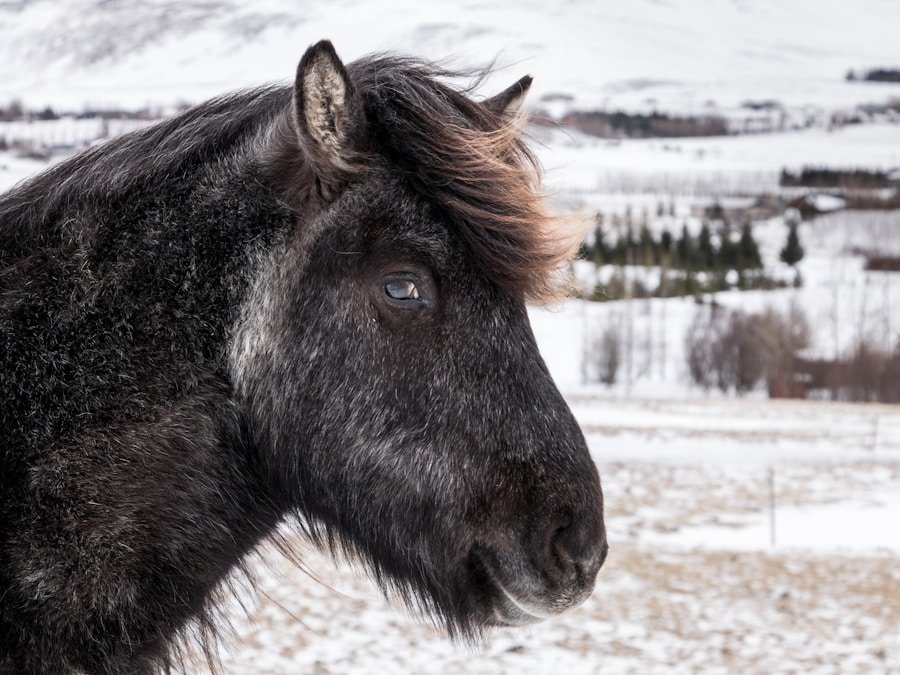
One of the primary challenges facing conservationists is the risk of genetic dilution due to crossbreeding with other horse breeds outside of Iceland. To combat this issue, strict regulations have been put in place to prevent the importation of horses into Iceland while allowing for controlled breeding programs within the country.
Protecting the Breed’s Future
These measures ensure that future generations of Icelandic horses retain their unique traits and characteristics while continuing to thrive in their native environment.
Conservation Efforts in Action
The Icelandic Horse Association’s efforts have been instrumental in maintaining the breed’s purity and promoting responsible breeding practices. As a result, the Icelandic horse continues to thrive, and its unique characteristics are preserved for future generations.
Challenges and Opportunities for the Icelandic Horse Industry
While there are numerous opportunities for growth within the Icelandic horse industry, there are also challenges that must be addressed. One significant issue is the limited market for these horses outside of Iceland. Although they are gaining popularity globally due to their unique gaits and friendly temperament, many potential owners may be unaware of their specific care needs or how to properly train them.
Additionally, as interest in equestrian sports continues to rise worldwide, there is an increasing demand for well-trained Icelandic horses capable of competing at higher levels. This presents an opportunity for breeders to focus on producing quality horses that meet these demands while maintaining ethical breeding practices. By investing in education and training programs for both riders and trainers, the industry can ensure that more people appreciate the beauty and versatility of this remarkable breed.
Future Prospects and Global Recognition of the Icelandic Horse
The future looks bright for the Icelandic horse as it continues to gain recognition on a global scale. With an increasing number of enthusiasts drawn to its unique qualities, there is potential for growth in various equestrian disciplines involving this breed. As more riders discover the joys of riding an Icelandic horse—whether through leisure riding or competitive events—the breed’s popularity is likely to expand further.
Moreover, ongoing conservation efforts will help ensure that this remarkable breed remains true to its roots while adapting to modern equestrian needs. As awareness grows about the importance of preserving genetic diversity within horse breeds, more people will likely become advocates for the Icelandic horse’s continued existence. With its rich history, unique traits, and cultural significance, the Icelandic horse is poised to remain a cherished companion for generations to come.
If you’re interested in learning more about how to properly care for your Icelandic Horse, you may want to check out this article on cedar chips and pine shavings as bedding. Providing the right bedding for your horse is essential for their comfort and well-being. It’s important to choose materials that are safe and comfortable for your horse to lie on. This article offers valuable information on the benefits and drawbacks of using cedar chips and pine shavings as bedding for your Icelandic Horse.
FAQs
What is the Icelandic Horse?
The Icelandic Horse is a breed of horse that originated in Iceland and is known for its small, compact size and gentle temperament.
What are the characteristics of the Icelandic Horse?
Icelandic Horses are known for their sure-footedness, stamina, and five natural gaits, including the unique tölt gait. They are also known for their thick double coat, which allows them to withstand harsh Icelandic winters.
What is the history of the Icelandic Horse?
The Icelandic Horse has been bred in Iceland for over 1,000 years and is a direct descendant of horses brought to the island by the Vikings. The breed has been isolated in Iceland for centuries, leading to its unique characteristics.
What is the Icelandic Horse used for?
Icelandic Horses are used for a variety of purposes, including riding, driving, and traditional Icelandic horse competitions such as tölt and pace races. They are also popular for leisure riding and as family horses.
Are there any special regulations regarding Icelandic Horses?
Icelandic Horses are a protected breed in Iceland, and once an Icelandic Horse leaves the country, it is not allowed to return. This is to prevent the introduction of diseases and to preserve the purity of the breed.