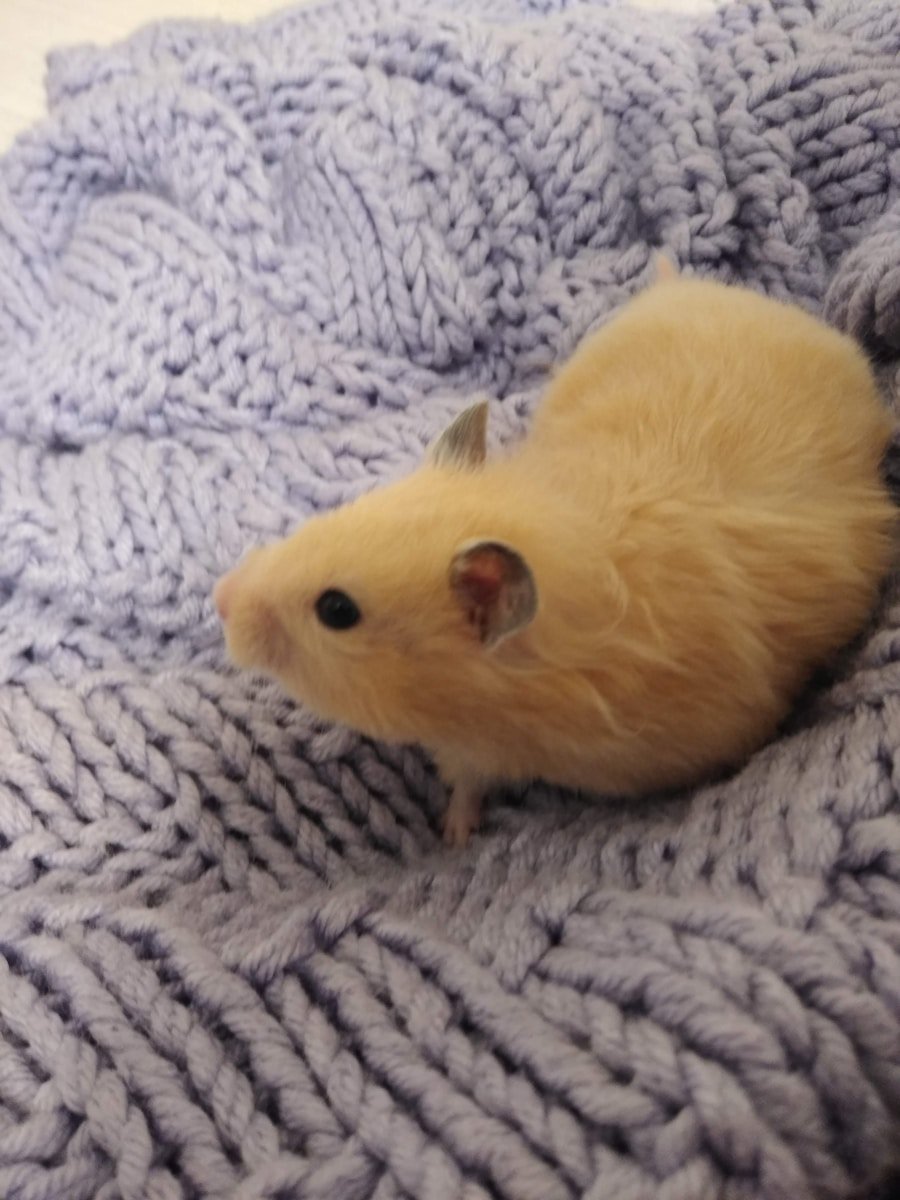
Tri-color hamsters are a delightful and visually striking breed that has captured the hearts of pet enthusiasts around the world. Known for their unique coat patterns, these hamsters typically display a combination of three distinct colors, which can vary widely among individual pets. Their charming appearance, coupled with their playful nature, makes them a popular choice for families and individuals alike.
As small, furry companions, tri-color hamsters offer a wonderful opportunity for pet owners to engage in the joys of hamster care while enjoying the vibrant personality that these little creatures bring into their lives. The tri-color hamster is not a specific breed but rather a color variation that can occur in several hamster species, most notably the Syrian hamster. This breed is characterized by its striking coat, which often features a blend of black, white, and golden or cream shades.
The combination of colors can create a stunning visual effect, making them stand out in any pet store or home. As we delve deeper into the world of tri-color hamsters, we will explore their genetics, care needs, socialization, and more, providing you with a comprehensive understanding of what it takes to welcome one of these charming creatures into your life.
Key Takeaways
- Tri-color hamsters are a unique and visually striking breed that has gained popularity among pet owners.
- Understanding the genetics of tri-color hamsters can help breeders and owners appreciate the complexity of their coat patterns.
- Caring for tri-color hamsters involves providing a balanced diet and a suitable housing environment to ensure their well-being.
- Socialization and gentle handling are important for building trust and a strong bond with tri-color hamsters.
- Owners should be aware of common health issues and provide enrichment and exercise to keep tri-color hamsters healthy and happy.
Understanding the Genetics of Tri-color Hamsters
The captivating appearance of tri-color hamsters is a result of their unique genetic makeup. The coloration is influenced by multiple genes that dictate the distribution and intensity of the colors in their fur. In Syrian hamsters, for instance, the tri-color pattern typically arises from a combination of dominant and recessive genes that interact in complex ways.
This genetic diversity not only contributes to the stunning visual appeal of tri-color hamsters but also plays a role in their overall health and temperament.
Understanding the genetics behind tri-color hamsters can also help prospective owners make informed decisions when selecting a pet.
Breeders often focus on specific traits to produce desirable color patterns, but it’s essential to choose reputable breeders who prioritize the health and well-being of their animals.
By doing so, you can ensure that your tri-color hamster is not only beautiful but also has a strong genetic foundation that supports a long and healthy life.
Caring for Tri-color Hamsters: Diet and Housing
Caring for tri-color hamsters involves providing them with a balanced diet and a suitable living environment. A well-rounded diet is crucial for their health and well-being. High-quality commercial hamster pellets should form the basis of their diet, supplemented with fresh fruits and vegetables such as carrots, apples, and leafy greens.It’s important to introduce new foods gradually to avoid digestive upset and to ensure that your hamster enjoys a varied diet. Additionally, providing occasional treats like sunflower seeds or mealworms can be a great way to bond with your pet while keeping them motivated during training sessions. Housing is another critical aspect of tri-color hamster care.
A spacious cage with proper ventilation is essential for their comfort and happiness. The cage should be equipped with bedding material that allows for burrowing, such as aspen shavings or paper-based bedding. Providing hiding spots, tunnels, and chew toys will help keep your hamster mentally stimulated and physically active.
Regular cleaning of the cage is necessary to maintain hygiene and prevent odors, ensuring that your tri-color hamster has a clean and safe environment to thrive in.
Socialization and Handling of Tri-color Hamsters
Aspect Metrics Handling Tri-color hamsters should be handled gently and regularly to build trust and prevent them from becoming skittish. Socialization Tri-color hamsters are social animals and benefit from interaction with their owners and other hamsters. They should be given time outside of their cage to explore and play. Training Tri-color hamsters can be trained to do simple tricks and tasks through positive reinforcement and patience. Socialization is key to developing a strong bond with your tri-color hamster. These little creatures can be shy at first, so it’s important to approach them gently and patiently. Start by allowing your hamster to acclimate to its new environment before attempting to handle it.
Once your pet seems comfortable, you can begin to interact with it by offering treats from your hand or gently speaking to it in a soothing voice. Over time, your hamster will learn to associate you with positive experiences, making it more likely to enjoy being handled. When handling your tri-color hamster, always support its body properly to prevent any accidental falls or injuries.
It’s best to scoop them up gently from underneath rather than grabbing them from above, as this can startle them. Regular handling not only helps build trust but also allows you to monitor your pet’s health and behavior closely. Remember that each hamster has its own personality; some may be more adventurous and outgoing, while others may prefer a quieter approach.
Respecting their individual temperament will lead to a more enjoyable experience for both you and your furry friend.
Health and Common Medical Issues in Tri-color Hamsters
Like all pets, tri-color hamsters are susceptible to certain health issues that owners should be aware of. Common medical concerns include wet tail, respiratory infections, and dental problems. Wet tail is particularly serious and can occur due to stress or poor diet; it manifests as diarrhea and requires immediate veterinary attention.
Regularly monitoring your hamster’s droppings can help you catch any potential issues early on. Dental health is another critical aspect of caring for tri-color hamsters. Their teeth continuously grow throughout their lives, so providing chew toys made from safe materials is essential for preventing overgrown teeth.
Additionally, ensuring that your hamster has access to fresh food will help wear down their teeth naturally. Regular check-ups with an exotic veterinarian who specializes in small animals can also help catch any health concerns before they become serious.
Enrichment and Exercise for Tri-color Hamsters
Enrichment is vital for keeping tri-color hamsters mentally stimulated and physically active. These little creatures are naturally curious and enjoy exploring their surroundings. Providing various toys, tunnels, and climbing structures within their cage can help satisfy their need for exploration and play.
Rotating toys regularly will keep their environment fresh and exciting, preventing boredom. Exercise is equally important for maintaining your tri-color hamster’s health. A hamster wheel is an excellent addition to their cage, allowing them to run and burn off energy at their own pace.
Additionally, supervised playtime outside the cage in a safe area can provide further opportunities for exercise and exploration. Always ensure that the space is free from hazards such as electrical cords or small objects that could be swallowed.
Breeding and Reproduction of Tri-color Hamsters
Breeding tri-color hamsters can be an exciting venture for experienced owners; however, it requires careful consideration and preparation. Before breeding, it’s essential to understand the genetics involved in producing healthy offspring with desirable traits. Responsible breeding practices should prioritize the health of both the parents and the babies, ensuring that they are free from genetic disorders.
If you decide to breed your tri-color hamsters, be prepared for the responsibilities that come with caring for baby hamsters (pups). After mating, female hamsters typically give birth after about 16 days of gestation. It’s crucial to provide a quiet and stress-free environment during this time, as stress can lead to complications or abandonment of the pups.
Once born, the mother will care for her young until they are old enough to be weaned at around three weeks of age. At this point, you’ll need to find suitable homes for the pups or keep them if you plan on expanding your hamster family.
Is a Tri-color Hamster the Right Pet for You?
In conclusion, tri-color hamsters are charming companions that can bring joy and excitement into any household. Their unique appearance combined with their playful nature makes them an appealing choice for both novice and experienced pet owners alike. However, it’s essential to consider whether you have the time, resources, and commitment required to care for these little creatures properly.
If you’re looking for a pet that requires relatively low maintenance but still offers companionship and interaction, a tri-color hamster could be an excellent fit for you. They thrive in environments where they receive regular attention and enrichment but are also independent enough to entertain themselves when needed. Ultimately, understanding their needs and being prepared for the responsibilities of pet ownership will ensure that both you and your tri-color hamster enjoy a happy and fulfilling relationship together.
If you are interested in learning more about different types of hamsters, you may want to check out this article on Dwarf Winter White Russian Hamster Care Guide. This article provides valuable information on how to properly care for these adorable pets.
FAQs
What is a Tri-color Hamster?
A tri-color hamster is a type of hamster that has three distinct colors in its fur. These colors are usually white, black, and a shade of brown or gray.
What breeds of hamsters can be tri-color?
The most common breed of tri-color hamster is the Syrian hamster, also known as the golden hamster. However, some other breeds, such as the Roborovski hamster, can also have tri-color variations.
What is the average lifespan of a tri-color hamster?
Tri-color hamsters, like other hamsters, have an average lifespan of 2-3 years when properly cared for.
What are the care requirements for a tri-color hamster?
Tri-color hamsters require a spacious cage with plenty of bedding, a balanced diet of hamster food and fresh vegetables, and regular exercise in a hamster wheel or through supervised playtime outside of their cage.
Are tri-color hamsters suitable as pets?
Yes, tri-color hamsters can make great pets for responsible owners. They are generally friendly, low-maintenance, and entertaining to watch. However, they do require proper care and attention.