Table of Contents
The American toad (Anaxyrus americanus) is a fascinating amphibian that has captured the interest of nature enthusiasts and casual observers alike. Known for its distinctive appearance and unique behaviors, this toad is a common sight across much of North America. From its croaking calls during mating season to its ability to adapt to various environments, the American toad is a remarkable species that plays a vital role in its ecosystem.
As we delve into the world of the American toad, we will explore its physical characteristics, habitat, behavior, diet, conservation status, and its interactions with humans. The American toad is not just another amphibian; it is a symbol of the rich biodiversity found in North America. With its wide distribution and adaptability, this toad has become a familiar presence in gardens, parks, and forests.
Understanding the American toad’s life cycle and ecological significance can help us appreciate the delicate balance of nature and the importance of preserving such species for future generations. Sure, here is the sentence with the link:
I love learning about different types of animals, especially the unique characteristics of the Frog.
Key Takeaways
- The American toad is a common species found throughout North America.
- They have dry, warty skin and are typically brown or olive green in color.
- American toads can be found in a variety of habitats, including forests, fields, and gardens.
- They are nocturnal and feed on insects, worms, and other small invertebrates.
- American toads are not currently considered to be at risk of extinction, but habitat loss and pollution are potential threats to their populations.
Physical Characteristics of the American Toad
The American toad is easily recognizable due to its distinct physical features. Typically, these toads have a robust body that can grow up to 4 inches in length, although some individuals may reach slightly larger sizes. Their skin is characterized by a warty texture, which serves as a defense mechanism against predators.
The coloration of the American toad varies widely, ranging from brown and gray to olive green, often with darker spots or blotches that provide excellent camouflage against their natural surroundings. One of the most notable features of the American toad is its parotoid glands, which are located behind the eyes. These glands secrete a toxic substance that can deter potential predators.
While the toxin is not harmful to humans, it can cause discomfort if ingested by pets or other animals. The American toad’s eyes are also striking, with horizontal pupils that give them a unique appearance. Their limbs are short but strong, allowing them to make impressive leaps when necessary.
Habitat and Distribution of the American Toad
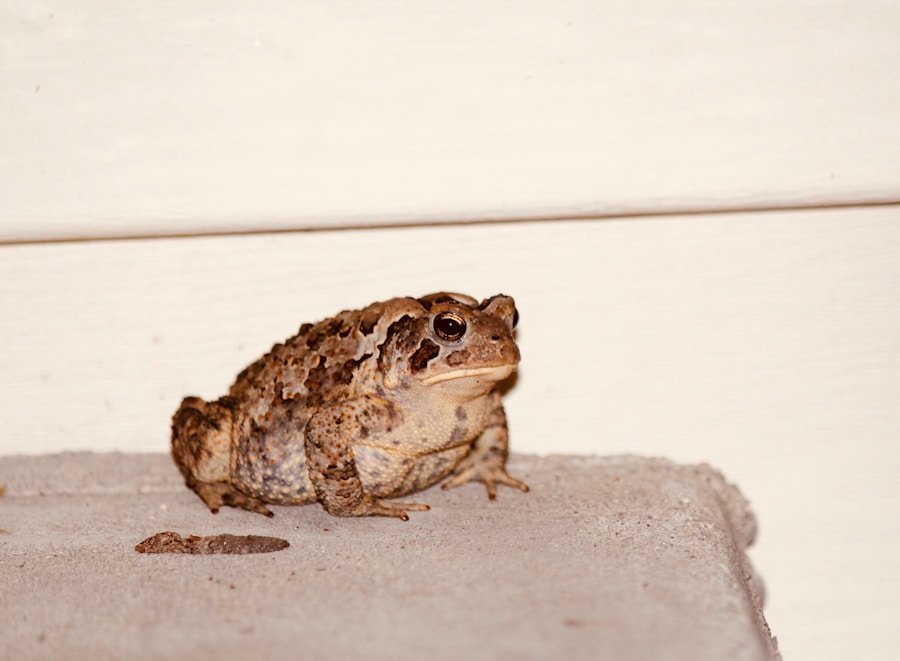
The American toad is highly adaptable and can thrive in a variety of habitats. They are commonly found in woodlands, grasslands, gardens, and even urban areas. This adaptability allows them to occupy a wide range of environments across North America, from southern Canada down to the eastern United States and into parts of Mexico.
They prefer areas with ample moisture, as they rely on water sources for breeding and hydration. During the day, American toads often seek shelter under rocks, logs, or leaf litter to avoid the heat and predators. At night, they become more active as they hunt for food and engage in mating rituals.
Their ability to thrive in diverse habitats makes them an important species for maintaining ecological balance, as they help control insect populations and serve as prey for larger animals.
Behavior and Reproduction of the American Toad
| Behavior and Reproduction of the American Toad | |
|---|---|
| Mating Season | Spring |
| Mating Call | High-pitched trill |
| Egg-laying Site | Shallow water or moist soil |
| Egg Clutch Size | Up to 20,000 eggs |
| Growth Rate | Metamorphosis occurs within 6-12 weeks |
| Life Span | 10-12 years |
American toads exhibit fascinating behaviors throughout their lives, particularly during the breeding season. Mating typically occurs in late spring or early summer when males call out with their distinctive croaks to attract females. These calls can be heard from a distance and are often a chorus of sounds as multiple males compete for attention.
Once a female selects a mate, she lays thousands of eggs in shallow water, which hatch into tadpoles within a few days. The tadpoles undergo metamorphosis over several weeks, transforming into juvenile toads that eventually venture onto land. This transformation is a critical phase in their life cycle, as they develop lungs and limbs while losing their tails.
Adult American toads are primarily nocturnal hunters, feeding on insects and other small invertebrates. Their behavior is characterized by a mix of cautiousness and opportunism as they navigate their environment in search of food.
Diet and Predators of the American Toad
The diet of the American toad primarily consists of insects and other small invertebrates. They are voracious eaters and will consume a wide variety of prey, including beetles, ants, crickets, and worms.
This diet not only provides essential nutrients for their growth but also helps control insect populations in their habitats. Despite their adaptations for survival, American toads face threats from various predators. Birds, snakes, raccoons, and even larger amphibians may prey on them at different life stages.
However, their warty skin and toxic secretions from parotoid glands serve as effective deterrents against many potential threats. This combination of physical defenses and behavioral adaptations allows them to thrive despite the challenges posed by predators in their environment.
Conservation Status of the American Toad

Threats to the American Toad
However, like many amphibians worldwide, American toads are susceptible to habitat loss due to urbanization, pollution, and climate change.
Conservation Efforts
Conservation efforts aimed at preserving wetlands and natural habitats are crucial for maintaining healthy populations of American toads. Protecting these environments not only benefits the toads but also supports a wide array of other wildlife species that share their habitat.
Raising Awareness
Public awareness campaigns about the importance of amphibians in ecosystems can also play a significant role in fostering appreciation for these remarkable creatures.
Interactions with Humans
American toads have had various interactions with humans throughout history. In many cultures, they have been associated with folklore and mythology, often symbolizing transformation or fertility due to their metamorphosis from tadpole to adult. In more practical terms, these toads can be beneficial for gardens and agricultural areas as they help control pest populations naturally.
However, there are also misconceptions about these creatures that can lead to negative interactions. Some people may fear them due to their warty appearance or toxic secretions. It is essential for individuals to understand that while American toads can secrete toxins as a defense mechanism, they are generally harmless to humans and play an important role in maintaining ecological balance.
Interesting Facts about the American Toad
The American toad is full of intriguing facts that highlight its unique characteristics and behaviors. For instance, did you know that these toads can live for over 10 years in the wild?
Additionally, they have an incredible ability to adapt their breeding habits based on environmental conditions; if ponds dry up too quickly during breeding season, they may seek alternative water sources. Another fun fact about American toads is their remarkable vocalizations during mating season. Male calls can vary significantly based on individual characteristics and environmental factors, leading researchers to study these variations for insights into population dynamics and health.
Furthermore, these toads have been known to exhibit hibernation behaviors during colder months, burrowing into the ground or seeking shelter under leaf litter until warmer temperatures return. In conclusion, the American toad is an extraordinary amphibian that embodies resilience and adaptability in an ever-changing world. From its unique physical traits and behaviors to its interactions with humans and conservation status, this species serves as a reminder of the importance of biodiversity in our ecosystems.
By understanding and appreciating creatures like the American toad, we can foster a deeper connection with nature and contribute positively toward preserving our planet’s rich wildlife heritage.
If you’re interested in learning more about caring for pets, you may want to check out this article on the majestic Maine Coon. This breed of cat is known for its large size and gentle nature, making it a popular choice for families. Just like the American Toad, the Maine Coon requires proper care and attention to thrive in a domestic environment.
FAQs
What is an American toad?
The American toad (Anaxyrus americanus) is a species of toad native to North America. It is a common amphibian found in a variety of habitats, including forests, grasslands, and suburban areas.
What does an American toad look like?
American toads are typically brown, gray, or olive in color with warty skin. They have a distinctive “W” or “Y” shaped marking on their back and a white or cream-colored belly. They can grow up to 3-4 inches in length.
What do American toads eat?
American toads are carnivorous and primarily feed on insects such as beetles, ants, and spiders. They will also consume small invertebrates like earthworms and snails.
Where do American toads live?
American toads can be found in a variety of habitats, including woodlands, fields, and suburban gardens. They are often found near water sources such as ponds, lakes, and streams, where they breed and lay their eggs.
Are American toads poisonous?
American toads do produce toxins in their skin as a defense mechanism against predators, but they are not considered highly toxic to humans. However, it is still important to wash hands after handling them to avoid any potential irritation or allergic reactions.