Table of Contents
The Mottled Syrian hamster, a captivating and popular breed among pet enthusiasts, has a rich history that traces back to the early 20th century. Originally discovered in Syria, these hamsters were first brought to the attention of the scientific community in 1930 by a zoologist named Israel Aharoni. He stumbled upon a wild population of hamsters in the Syrian desert, which were later captured and bred in captivity.
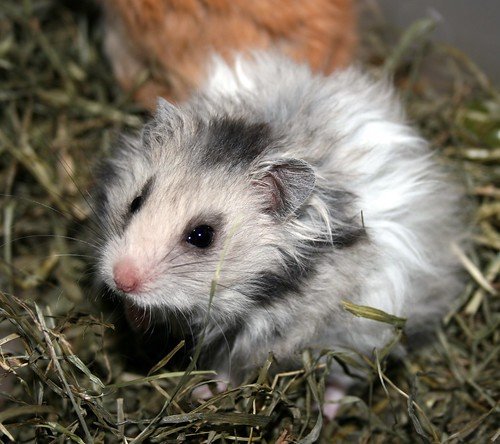
This initial breeding program laid the foundation for the domestication of the Syrian hamster, which would eventually lead to the development of various color and coat patterns, including the striking mottled variety. The Mottled Syrian hamster is a result of selective breeding practices aimed at enhancing specific traits, particularly their unique coat patterns. The mottled coloration is characterized by patches of different colors, often combining shades of white, cream, and brown.
This distinctive appearance has made them a favorite among pet owners and breeders alike. Over the years, the Mottled Syrian has become a staple in pet stores and homes around the world, symbolizing not only companionship but also the fascinating journey of animal domestication. About Pawwise is a website where you can find helpful information about pet care and training.
Key Takeaways
- The Mottled Syrian hamster originated in the wild in the Middle East, specifically in the region of Syria.
- This hamster is known for its distinctive mottled coat, which can come in a variety of colors and patterns.
- Mottled Syrians are generally friendly and docile, making them great pets for both children and adults.
- Proper care and maintenance of the Mottled Syrian includes providing a spacious cage, a balanced diet, and regular exercise.
- Breeding and genetics of the Mottled Syrian can result in a variety of coat colors and patterns, making them popular in the pet trade.
Physical Characteristics and Unique Features
Mottled Syrian hamsters are known for their charming physical attributes that set them apart from other breeds. Typically, they possess a robust body structure, with adults weighing between 120 to 200 grams. Their size makes them one of the larger hamster breeds, which is often appealing to families looking for a pet that is easy to handle.
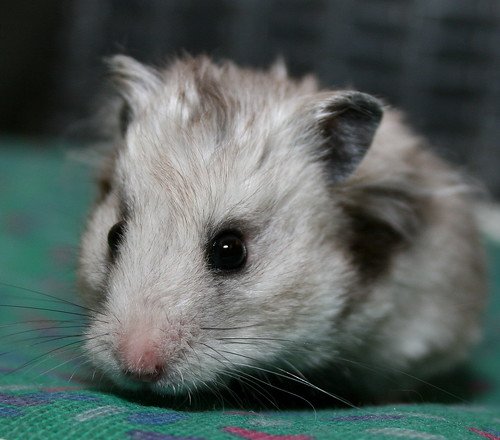
The most striking feature of the Mottled Syrian is undoubtedly its coat. The mottled pattern consists of irregular patches of color that can vary significantly from one individual to another, making each hamster unique.
In addition to their eye-catching fur, Mottled Syrians have large, expressive eyes that can range from dark brown to black, giving them an inquisitive and friendly appearance.
Their short, stocky legs and small paws are well-suited for burrowing and climbing, which are natural behaviors for hamsters in the wild. Furthermore, their cheek pouches are a notable characteristic; these pouches allow them to store food and transport it back to their burrows. Overall, the combination of their physical traits and unique coloration makes Mottled Syrian hamsters a delightful addition to any household.
Behavioral Traits and Temperament
When it comes to temperament, Mottled Syrian hamsters are known for their friendly and curious nature. They are generally social creatures that enjoy interaction with their human companions. Unlike some other hamster breeds that may be more skittish or aggressive, Mottled Syrians tend to be more docile and easier to handle.
This makes them an excellent choice for families with children or first-time pet owners who may be nervous about handling small animals. These hamsters are also quite intelligent and can be trained to perform simple tricks or navigate mazes. Their playful demeanor often leads them to engage in various activities, such as running on wheels or exploring tunnels in their habitat.
However, it is essential to provide them with ample stimulation and enrichment to keep them mentally engaged. Without proper interaction and playtime, they may become bored or stressed, leading to undesirable behaviors such as excessive chewing or digging.
Care and Maintenance of the Mottled Syrian
| Aspect | Details |
|---|---|
| Size | 6-7 inches |
| Temperature | 70-85°F |
| Humidity | 40-60% |
| Substrate | Aspen bedding or paper-based substrate |
| Feeding | Insects such as crickets, mealworms, and roaches |
| Handling | Minimal handling to reduce stress |
| Health Check | Regularly check for signs of illness or injury |
Caring for a Mottled Syrian hamster involves several key components that ensure their health and happiness. First and foremost is their diet. A balanced diet for these hamsters typically includes high-quality commercial hamster pellets, fresh fruits, and vegetables.
It is crucial to avoid feeding them sugary or fatty foods, as these can lead to obesity and other health issues. Fresh water should always be available, and it’s advisable to change it daily to maintain cleanliness. Housing is another critical aspect of care for Mottled Syrians.
They require a spacious cage with plenty of room for exercise and exploration. A multi-level cage with tunnels, hiding spots, and chew toys will keep them entertained and active. Bedding should be soft and absorbent, such as aspen shavings or paper-based bedding, as this helps control odors and provides comfort.
Regular cleaning of their habitat is essential to prevent the buildup of waste and bacteria.
Breeding and Genetics of the Mottled Syrian
Breeding Mottled Syrian hamsters can be an exciting yet challenging endeavor for enthusiasts. The genetics behind their mottled coat pattern is quite fascinating; it is a result of specific gene combinations that influence pigmentation in their fur. Breeders often select parent hamsters based on desirable traits such as color patterns, size, and temperament to produce offspring that exhibit these characteristics.
However, breeding should be approached with caution and responsibility. It is essential to ensure that both parent hamsters are healthy and free from genetic disorders that could be passed on to their young. Additionally, potential breeders should be knowledgeable about proper breeding practices and the care required for pregnant females and their pups.
This includes providing a safe nesting area and monitoring the health of both mother and babies closely during this critical time.
Health Considerations and Common Issues
Obesity and Weight Management
One common concern is obesity, which can arise from overfeeding or lack of exercise. It is vital for owners to monitor their hamster’s weight regularly and adjust their diet accordingly to maintain a healthy body condition. Providing ample opportunities for physical activity through toys and exercise wheels can help combat this issue.
Dental Health
Another health consideration is dental problems. Hamsters have continuously growing teeth that require regular wear through chewing on appropriate materials like wood or chew toys. If their teeth become overgrown, it can lead to pain and difficulty eating.
Regularly checking your hamster’s teeth can help catch any issues early on.
Respiratory Health and Environment
Additionally, respiratory infections can occur in hamsters due to poor ventilation or exposure to ammonia from soiled bedding; therefore, maintaining a clean living environment is crucial for their overall health.
The Mottled Syrian in the Pet Trade
The popularity of Mottled Syrian hamsters in the pet trade has surged over the years due to their appealing appearance and friendly nature. They are commonly found in pet stores across various regions, making them accessible to potential pet owners. However, it is essential for buyers to choose reputable breeders or pet stores that prioritize animal welfare and provide healthy animals.
When purchasing a Mottled Syrian hamster, prospective owners should look for signs of good health such as clear eyes, clean fur, and an active demeanor. It’s also advisable to ask about the hamster’s background, including its age and any vaccinations it may have received. By doing thorough research before bringing a new pet home, owners can ensure they are making an informed decision that benefits both them and their new furry friend.
Conservation Efforts and Future of the Mottled Syrian
While Mottled Syrian hamsters thrive in captivity as beloved pets, conservation efforts are essential for preserving their wild counterparts in Syria. Habitat loss due to urbanization and agricultural expansion poses significant threats to wild hamster populations. Organizations focused on wildlife conservation are working diligently to protect these habitats and raise awareness about the importance of preserving biodiversity.
The future of the Mottled Syrian hamster breed in captivity appears bright as long as responsible breeding practices continue among enthusiasts. By promoting ethical breeding standards and educating potential owners about proper care, we can ensure that these charming creatures remain a cherished part of our lives for generations to come. As we celebrate the joy they bring into our homes, it’s crucial to remember our responsibility towards their wild relatives and contribute positively towards conservation efforts whenever possible.
In conclusion, the Mottled Syrian hamster is not just a delightful pet; it represents a fascinating blend of history, genetics, and care practices that enrich our lives. With proper attention to their needs and an understanding of their unique traits, these hamsters can thrive as loving companions while reminding us of the importance of conservation efforts for their wild counterparts.
If you are interested in learning more about different cat breeds, you may want to check out this article on The British Shorthair: A Charming Feline Companion. This article provides insights into the characteristics and care of the British Shorthair breed, similar to how we have discussed the Mottled Syrian hamster in this piece. Both articles aim to educate pet owners on the specific needs and behaviors of these beloved animals.
FAQs
What is a Mottled Syrian?
A Mottled Syrian is a type of hamster that is known for its distinctive mottled or spotted fur pattern. It is a popular choice as a pet due to its friendly and social nature.
What does a Mottled Syrian look like?
Mottled Syrians have a unique fur pattern that consists of a mix of different colors, often including white, brown, and black. They have a robust body with a short, stocky build and a relatively short tail.
What are the characteristics of a Mottled Syrian?
Mottled Syrians are known for being friendly, curious, and relatively easy to handle. They are generally active and enjoy exploring their environment. They are also solitary animals and should be housed alone to avoid potential conflicts.
How do you care for a Mottled Syrian?
Caring for a Mottled Syrian involves providing a suitable habitat with plenty of space to explore, as well as a balanced diet of hamster food, fresh vegetables, and occasional treats. Regular handling and social interaction are also important for their well-being.
What is the lifespan of a Mottled Syrian?
Mottled Syrians typically have a lifespan of around 2-3 years when properly cared for. Providing a healthy diet, a clean living environment, and regular veterinary check-ups can help ensure a longer and healthier life for these hamsters.