Table of Contents
The Alexandrine Parakeet, scientifically known as Psittacula eupatria, is a captivating bird that has captured the hearts of avian enthusiasts and pet owners alike. Named after Alexander the Great, who is believed to have encountered these birds during his conquests in India, the Alexandrine Parakeet boasts a rich history intertwined with human civilization. These birds are not only known for their striking appearance but also for their intelligence and sociable nature, making them a popular choice among pet owners.
Originating from the lush forests of South Asia, the Alexandrine Parakeet has a wide distribution that includes countries such as India, Nepal, Bangladesh, and parts of Southeast Asia. Their adaptability to various environments has allowed them to thrive in both wild and urban settings. As we delve deeper into the characteristics and behaviors of this remarkable bird, it becomes evident why they are cherished companions and fascinating subjects of study.
Key Takeaways
- The Alexandrine Parakeet is a popular pet bird known for its intelligence and talking ability.
- The Alexandrine Parakeet is a large parakeet with a distinctive red patch on its shoulders and a long tail.
- These parakeets are native to the forests and woodlands of the Indian subcontinent and Southeast Asia.
- Alexandrine Parakeets are social birds that form strong pair bonds and live in small flocks in the wild.
- In the wild, Alexandrine Parakeets feed on a variety of seeds, fruits, nuts, and blossoms.
Physical characteristics of the Alexandrine Parakeet
Distinctive Markings
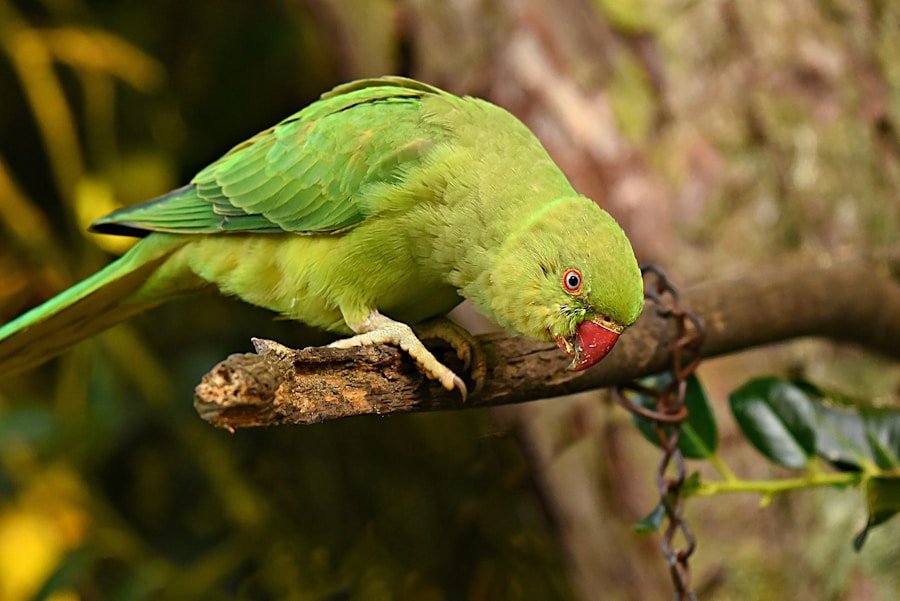
One of the most striking features of this parakeet is its vibrant green plumage, which serves as a beautiful backdrop for its distinctive markings. Adult males are particularly notable for their red beak and the black crescent that adorns their neck, giving them a regal appearance.
Physical Characteristics
Females, while still stunning, lack the black neck ring and tend to have slightly smaller beaks. In addition to their vivid coloration, Alexandrine Parakeets possess a long, pointed tail that aids in their agility during flight. Their eyes are bright and expressive, often reflecting their curious nature.
Adaptability and Dexterity
The combination of their physical traits not only makes them visually appealing but also contributes to their ability to thrive in various habitats. Their strong legs and zygodactyl feet allow them to grasp branches and manipulate objects with ease, showcasing their dexterity.
Habitat and distribution of the Alexandrine Parakeet
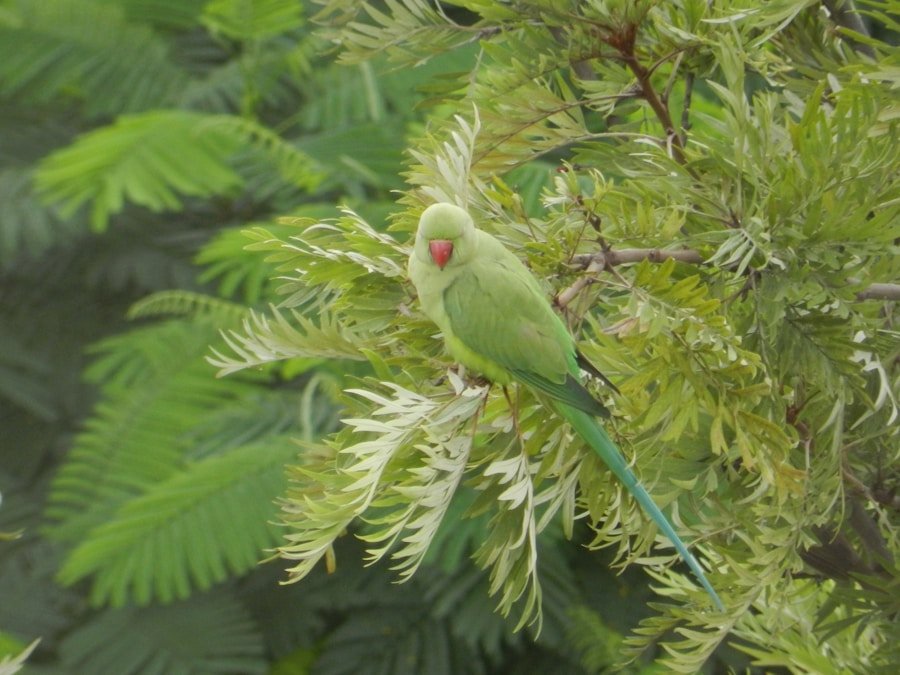
Alexandrine Parakeets are native to a range of habitats across South Asia, favoring forests, woodlands, and even urban areas where they can find food and shelter. They are often found in pairs or small flocks, which allows them to socialize and communicate effectively. Their adaptability is one of the reasons they have been able to establish populations in diverse environments, from dense jungles to city parks. In the wild, these parakeets prefer areas with abundant fruit-bearing trees, as their diet primarily consists of seeds, fruits, and nuts. They are known to inhabit regions with a warm climate, which supports their need for food sources and nesting sites.
As they thrive in both rural and urban settings, Alexandrine Parakeets have become a common sight in many parts of their native range, often seen flying gracefully through the skies or perched on tree branches.
Behavior and social structure of the Alexandrine Parakeet
| Behavior and Social Structure of the Alexandrine Parakeet | |
|---|---|
| Life Span | 25-30 years |
| Grouping | They are social birds and often found in flocks |
| Communication | They are known for their loud calls and can mimic human speech |
| Feeding Habits | They primarily feed on fruits, nuts, seeds, and grains |
| Reproduction | They nest in tree hollows and lay 2-4 eggs |
Alexandrine Parakeets are highly social birds that thrive on interaction with their flock members. In the wild, they live in small groups or larger flocks, where they engage in various social behaviors such as preening, vocalizing, and playing. Their social structure is complex; they communicate through a variety of calls and body language, which helps maintain harmony within the group.
This social nature makes them excellent companions for those who can provide them with ample interaction. In captivity, Alexandrine Parakeets require regular socialization to prevent boredom and loneliness. They are known for their playful antics and intelligence, often engaging in activities that challenge their minds.
Providing toys and opportunities for exploration can help keep them mentally stimulated. Their curious nature means they enjoy learning new tricks and can even mimic human speech when given the right encouragement. This combination of intelligence and sociability makes them a joy to have as pets.
Diet and feeding habits of the Alexandrine Parakeet
The diet of an Alexandrine Parakeet is diverse and should reflect their natural feeding habits in the wild. In captivity, it is essential to provide a balanced diet that includes high-quality pellets, fresh fruits, vegetables, and occasional seeds or nuts as treats. Fresh produce such as apples, carrots, and leafy greens should be offered daily to ensure they receive essential vitamins and minerals.
Hydration is equally important; fresh water should always be available to keep them healthy. It’s crucial to avoid feeding them avocado, chocolate, or caffeine-containing foods, as these can be toxic to birds. Monitoring their diet not only supports their physical health but also contributes to their overall well-being and longevity.
Breeding and reproduction of the Alexandrine Parakeet
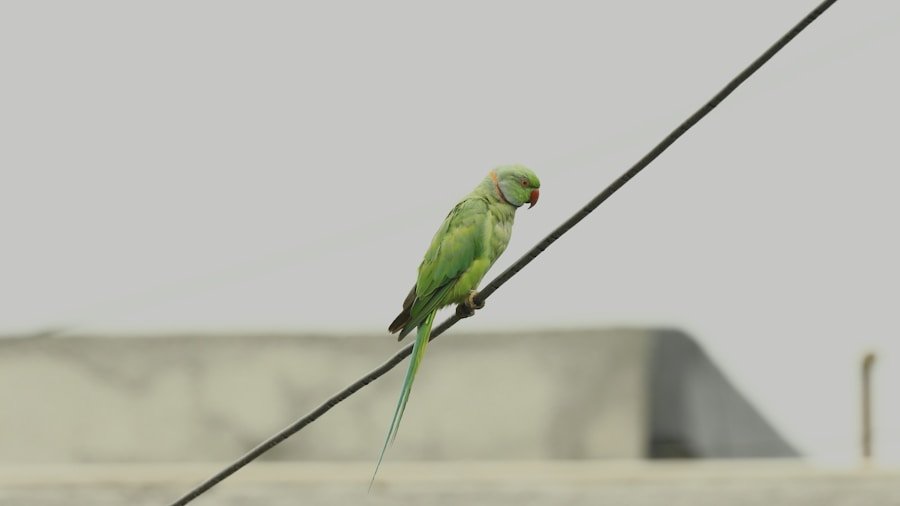
Breeding Alexandrine Parakeets can be a rewarding experience for avian enthusiasts. These birds typically reach sexual maturity around 2-3 years of age. In the wild, they nest in tree cavities or hollows where they lay clutches of 3-5 eggs.
In captivity, providing a suitable nesting box is essential for breeding pairs. The box should be spacious enough for the female to lay her eggs comfortably.
After hatching, both parents will continue to care for the chicks until they fledge at around 6-8 weeks old.
Conservation status and threats to the Alexandrine Parakeet
The conservation status of the Alexandrine Parakeet is currently classified as Least Concern by the International Union for Conservation of Nature (IUCN). However, this does not mean that they are free from threats. Habitat loss due to deforestation and urbanization poses significant risks to their populations in the wild.
Additionally, illegal trapping for the pet trade has led to declines in certain areas. Conservation efforts are essential to ensure that these beautiful birds continue to thrive in their natural habitats. Protecting their environments and raising awareness about responsible pet ownership can help mitigate some of these threats.
By supporting conservation initiatives and promoting sustainable practices, we can contribute to the preservation of the Alexandrine Parakeet for future generations.
Keeping Alexandrine Parakeets as pets
Keeping an Alexandrine Parakeet as a pet can be a fulfilling experience for individuals or families who are prepared for the commitment involved. These birds thrive on social interaction and mental stimulation; therefore, potential owners should be ready to dedicate time each day to engage with them. Their playful nature makes them entertaining companions, but they also require consistent training and socialization to develop good behavior.
Ideal owners for Alexandrine Parakeets include those who have experience with birds or are willing to learn about their care needs. Families with older children can benefit from having an Alexandrine Parakeet as part of their household since these birds can form strong bonds with family members. However, it’s important to ensure that children understand how to interact gently with pets.
In conclusion, the Alexandrine Parakeet is a remarkable bird with a rich history and captivating personality. Their vibrant appearance, social nature, and intelligence make them an appealing choice for pet owners who are ready to invest time and effort into their care. By understanding their needs and providing a nurturing environment, you can enjoy a rewarding relationship with these beautiful parakeets while contributing to their conservation in the wild.
If you are considering bringing an Alexandrine Parakeet into your home, it is important to consider how they will interact with other pets. According to The Paw Wise, it is possible for cats and birds to live together in harmony, but it requires careful supervision and training. Introducing a new bird to a household with cats should be done gradually to ensure the safety and well-being of all pets involved. By following some simple tips and guidelines, you can create a peaceful coexistence between your Alexandrine Parakeet and any other pets in your home.
FAQs
What is an Alexandrine Parakeet?
An Alexandrine Parakeet is a species of parrot native to the Indian subcontinent and Southeast Asia. It is known for its vibrant green plumage and distinctive red patch on its shoulders.
What do Alexandrine Parakeets eat?
In the wild, Alexandrine Parakeets primarily feed on a diet of fruits, nuts, seeds, and berries. In captivity, they can also be fed a diet of commercial parrot pellets, fresh fruits, and vegetables.
How long do Alexandrine Parakeets live?
Alexandrine Parakeets have a lifespan of approximately 25-30 years in captivity, and slightly shorter in the wild.
Are Alexandrine Parakeets good pets?
Alexandrine Parakeets can make good pets for experienced bird owners. They are known for their intelligence, playful nature, and ability to mimic human speech.
Do Alexandrine Parakeets require special care?
Like all parrots, Alexandrine Parakeets require a spacious cage, regular social interaction, mental stimulation, and a balanced diet to thrive in captivity. They also need regular veterinary check-ups to ensure their health and well-being.