Table of Contents
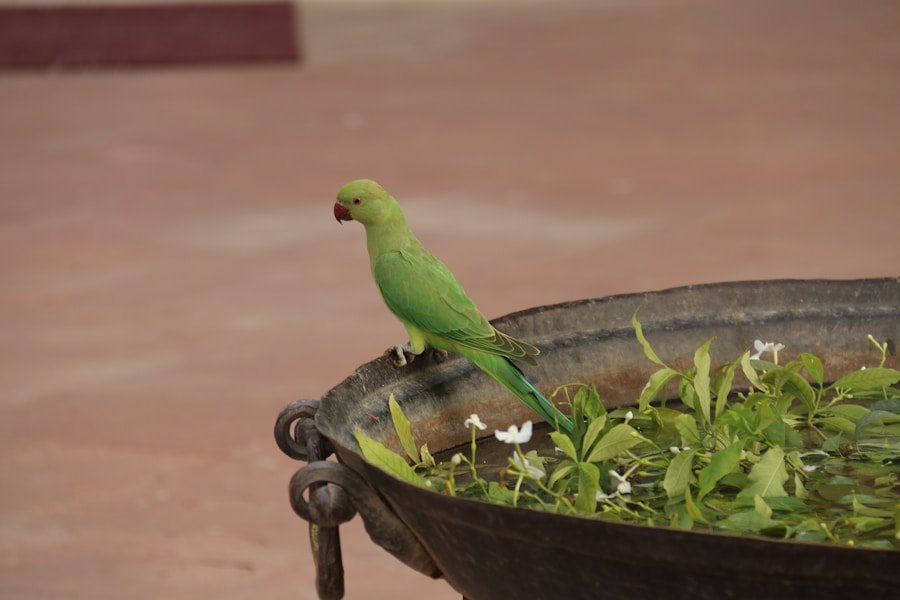
The Indian Ringneck parakeet, scientifically known as Psittacula krameri, is a captivating bird that has gained immense popularity among avian enthusiasts and pet owners alike. Originating from the Indian subcontinent, these birds are known for their striking appearance, intelligence, and charming personalities. With their vibrant plumage and distinctive ring around their necks, Indian Ringnecks are not just visually appealing; they also possess a range of traits that make them fascinating companions.
Historically, these birds have been cherished in various cultures, often associated with love and companionship. They have been kept as pets for centuries, with their origins tracing back to the forests of India, Sri Lanka, and parts of Africa. Over time, they have adapted to various environments and have become a beloved choice for bird lovers around the world.
Their ability to mimic human speech and sounds adds to their allure, making them a popular choice for those seeking an interactive pet.
Key Takeaways
- The Indian Ringneck is a popular pet bird known for its intelligence and talking ability.
- Indian Ringnecks are medium-sized parrots with a long tail and a distinctive ring around their neck.
- These birds are known for their playful and curious nature, but they can also be independent and stubborn at times.
- A balanced diet for Indian Ringnecks includes a variety of fruits, vegetables, seeds, and pellets.
- Indian Ringnecks require a spacious cage with plenty of toys and perches for mental and physical stimulation.
Physical Characteristics of the Indian Ringneck
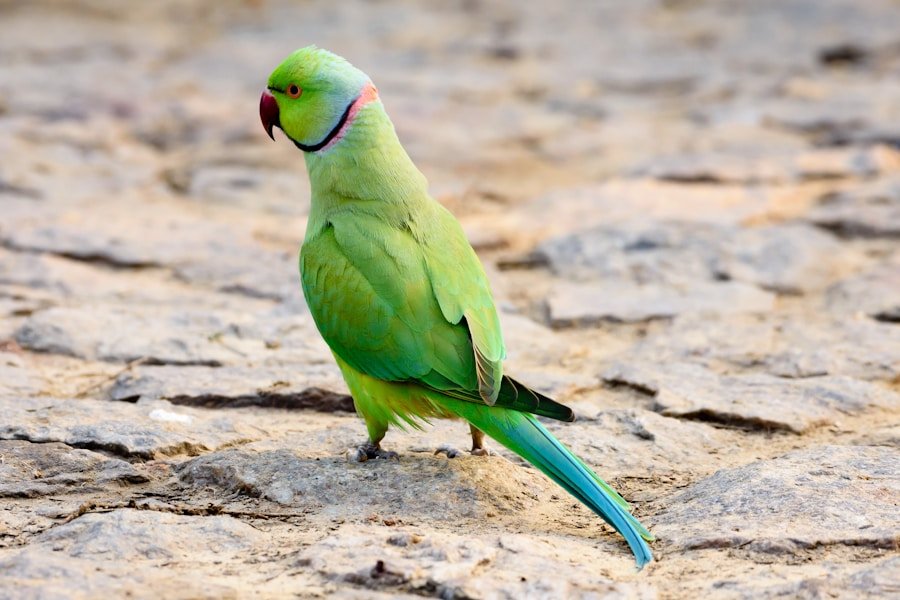
The Indian Ringneck is easily recognizable due to its vibrant colors and unique physical features. Adult males typically exhibit a bright green plumage with a distinctive black and rose-colored ring around their necks, which becomes more pronounced as they mature. Females, on the other hand, lack this prominent ring and tend to have a more subdued coloration, often appearing in shades of green or yellow.
The differences in coloration between genders can be subtle, making it challenging for novice bird owners to distinguish between male and female Ringnecks. In addition to their striking colors, Indian Ringnecks have long, pointed tails that contribute to their graceful appearance. Their beaks are strong and curved, designed for cracking seeds and nuts, while their eyes are bright and expressive, often reflecting their curious nature.
These birds typically measure around 16 inches in length, including their tails, making them a medium-sized parakeet. Their size and beauty make them a stunning addition to any home or aviary.
Behavior and Temperament
Indian Ringnecks are known for their playful and intelligent nature. They are highly social birds that thrive on interaction with their human companions and other birds. Their curious disposition often leads them to explore their surroundings, making them entertaining pets that can keep you engaged for hours.
These birds are also known for their vocal abilities; they can mimic words and phrases, which adds an extra layer of charm to their personalities. Despite their playful demeanor, Indian Ringnecks can also exhibit strong-willed behavior. They require consistent training and socialization from an early age to ensure they develop into well-adjusted pets.
While they can be affectionate and loving, they may also display territorial tendencies if not properly socialized. Understanding their behavior is crucial for potential owners, as it allows for a harmonious relationship between the bird and its human family. For more information on Indian Ringnecks, you can visit the Association of Avian Veterinarians website.
Diet and Nutrition
| Category | Metrics |
|---|---|
| Obesity | Percentage of population with obesity |
| Caloric Intake | Average daily caloric intake per person |
| Nutrient Deficiency | Percentage of population with nutrient deficiencies |
| Healthy Eating Index | Score on the Healthy Eating Index for the population |
| Food Consumption | Consumption of fruits, vegetables, whole grains, and processed foods |
Providing a balanced diet is essential for the health and well-being of Indian Ringnecks. In the wild, these birds primarily feed on seeds, fruits, nuts, and vegetables. As pets, they thrive on a varied diet that includes high-quality pellets specifically formulated for parrots, along with fresh fruits and vegetables.
Some popular choices include apples, carrots, leafy greens, and berries. It’s important to avoid feeding them avocado, chocolate, or caffeine, as these can be toxic to birds. In addition to fresh produce, offering occasional treats such as nuts or seeds can help keep your Indian Ringneck engaged during mealtime.
However, moderation is key; too many fatty treats can lead to obesity and other health issues. Fresh water should always be available to keep your bird hydrated. Regularly monitoring your bird’s diet will help ensure they receive the necessary nutrients for optimal health.
Housing and Environment
Creating a suitable living environment for your Indian Ringneck is crucial for its overall well-being. A spacious cage is essential; it should be at least 24 inches wide by 24 inches deep and 36 inches tall to allow for adequate movement and exercise. The cage should be equipped with perches of varying sizes and materials to promote foot health and prevent boredom.
Additionally, providing toys that encourage mental stimulation is vital; these can include chew toys, puzzles, and swings. The location of the cage is also important. It should be placed in a well-lit area but away from direct sunlight or drafts.
Indian Ringnecks enjoy being part of the family dynamic; therefore, placing their cage in a common area where they can interact with family members is beneficial. Regular out-of-cage time is essential for exercise and socialization; allowing your bird to explore a safe space outside its cage will help keep it happy and healthy.
Training and Socialization
Training an Indian Ringneck can be a rewarding experience for both the bird and its owner. These birds are intelligent and eager to learn, making them suitable candidates for various training techniques. Positive reinforcement methods work best; rewarding your bird with treats or praise when it performs desired behaviors encourages them to repeat those actions.
Basic commands such as “step up” or “come here” can be taught through consistent practice. Socialization is equally important in developing a well-rounded Indian Ringneck. Early exposure to different people, environments, and experiences will help your bird become more adaptable and less fearful of new situations.
Regular interaction with family members will foster a strong bond between the bird and its owners. However, it’s essential to approach training with patience; some birds may take longer than others to learn new skills or become comfortable with handling.
Common Health Issues
Like all pets, Indian Ringnecks are susceptible to certain health issues that potential owners should be aware of. One common concern is obesity, which can result from an improper diet or lack of exercise. Regular monitoring of your bird’s weight and ensuring it has ample opportunities for physical activity can help prevent this issue.
Additionally, providing a balanced diet rich in nutrients is crucial for maintaining overall health. Another health concern is feather plucking or self-mutilation, which can stem from stress or boredom. Providing mental stimulation through toys and social interaction can help alleviate this behavior.
Regular veterinary check-ups are essential for early detection of any potential health issues; avian veterinarians can provide guidance on proper care and address any concerns you may have about your bird’s health.
Conclusion and Considerations for Potential Owners
In conclusion, the Indian Ringneck parakeet is a delightful companion that offers both beauty and intelligence to its owners. Their vibrant colors, playful personalities, and ability to mimic speech make them an attractive choice for many bird enthusiasts. However, potential owners should consider the commitment required in terms of time, care, and socialization before bringing one into their home.
With proper care, training, and socialization, these birds can become loving members of the family that bring joy and companionship for many years to come. If you’re considering adding an Indian Ringneck to your household, be prepared for an engaging journey filled with laughter and love!
If you are interested in learning more about caring for pets, you may want to check out this article on The Kitty Kare Essentials 101: Simple Guide for You. Just like Indian Ringnecks, cats require specific care and attention to ensure they are happy and healthy. This article provides valuable information on how to properly care for your feline friend.
FAQs
What is an Indian Ringneck?
Indian Ringneck is a medium-sized parrot species native to the Indian subcontinent and surrounding regions.
What does an Indian Ringneck look like?
Indian Ringnecks are known for their vibrant plumage, with males typically displaying bright green feathers and a distinctive ring around their neck, while females have a less prominent ring and may have a duller coloration.
What is the average lifespan of an Indian Ringneck?
Indian Ringnecks have an average lifespan of 20-30 years, although some individuals may live even longer with proper care and attention.
What do Indian Ringnecks eat?
In the wild, Indian Ringnecks primarily feed on a diet of fruits, vegetables, seeds, and nuts. In captivity, they can be fed a similar diet supplemented with commercial parrot pellets.
Are Indian Ringnecks good pets?
Indian Ringnecks can make wonderful pets for experienced bird owners. They are known for their intelligence, playful nature, and ability to mimic human speech.
Do Indian Ringnecks require special care?
Indian Ringnecks require a spacious cage, regular social interaction, and mental stimulation to thrive in captivity. They also need a balanced diet and access to clean water at all times.
Are Indian Ringnecks endangered?
Indian Ringnecks are not considered endangered, but they are protected under wildlife conservation laws in their native range to prevent illegal trapping and trade.