Table of Contents
The Ringneck Parakeet, scientifically known as Psittacula krameri, is a captivating bird that has captured the hearts of avian enthusiasts and pet owners alike. Known for their vibrant colors and charming personalities, these birds are native to parts of Africa and Asia but have also established populations in various regions around the world. Their striking appearance, coupled with their ability to mimic human speech, makes them a popular choice among bird lovers.
As we delve deeper into the world of the Ringneck Parakeet, we will explore their history, physical characteristics, behavior, diet, and much more. Originating from the Indian subcontinent, the Ringneck Parakeet has a rich history that dates back thousands of years. These birds have been admired in various cultures, often symbolizing love and companionship.
Their presence in ancient texts and art highlights their significance in human society. Over time, they have been domesticated and bred for various traits, leading to a wide array of color mutations that are now available in the pet trade. This fascinating journey from wild birds to beloved companions showcases the enduring bond between humans and these remarkable creatures.
Key Takeaways
- The Ringneck Parakeet is a small to medium-sized parrot species native to Asia and Africa, known for its colorful plumage and distinctive ring around its neck.
- Physical characteristics of the Ringneck Parakeet include a long tail, slender body, and a hooked beak, with males typically having a more prominent ring around their neck compared to females.
- Ringneck Parakeets are adaptable birds that can be found in a variety of habitats, including woodlands, grasslands, and urban areas, and are known to thrive in both rural and urban environments.
- These parakeets are highly social birds that form strong pair bonds and often gather in large flocks, displaying complex social behaviors such as grooming, feeding, and vocal communication.
- The diet of the Ringneck Parakeet consists of a variety of seeds, fruits, nuts, and vegetation, and they are known to forage on the ground as well as in trees and shrubs.
Physical Characteristics of the Ringneck Parakeet
Distinctive Plumage
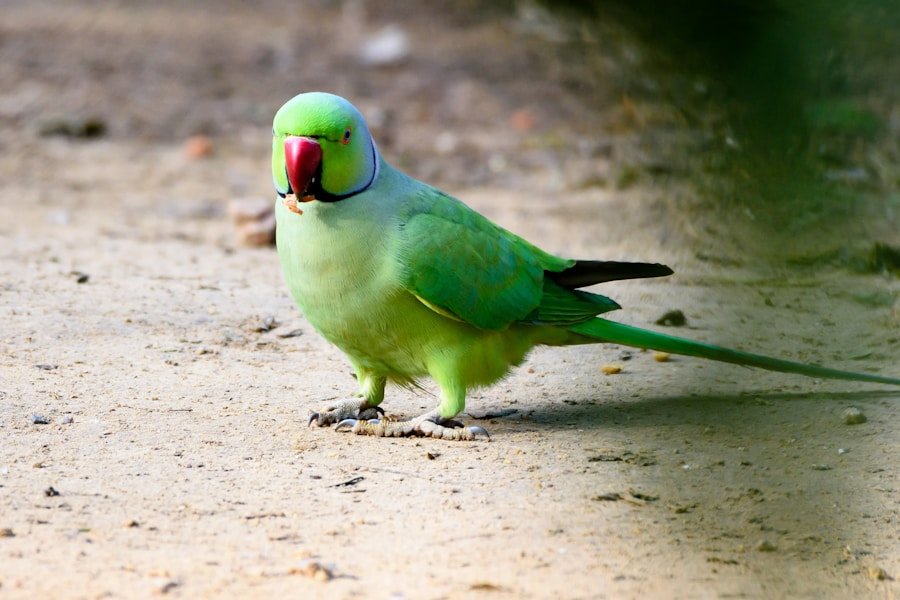
Adult males boast vibrant green feathers with a striking black and rose-colored neck ring, which becomes more pronounced as they mature. In contrast, females lack this neck ring and have a more subdued coloration, making them slightly less conspicuous.
Size and Beak
These birds are notable for their size, typically measuring around 16 inches, including their long tail feathers. Additionally, they possess a strong, curved beak that is well-suited for cracking seeds and nuts. Their bright and expressive eyes often reflect their curious nature.
Functional Traits
The combination of their physical traits not only makes them visually appealing but also functional for their survival in the wild. Their long tails aid in balance during flight, while their strong feet allow them to grasp branches and navigate through their environment with ease.
Habitat and Distribution of the Ringneck Parakeet
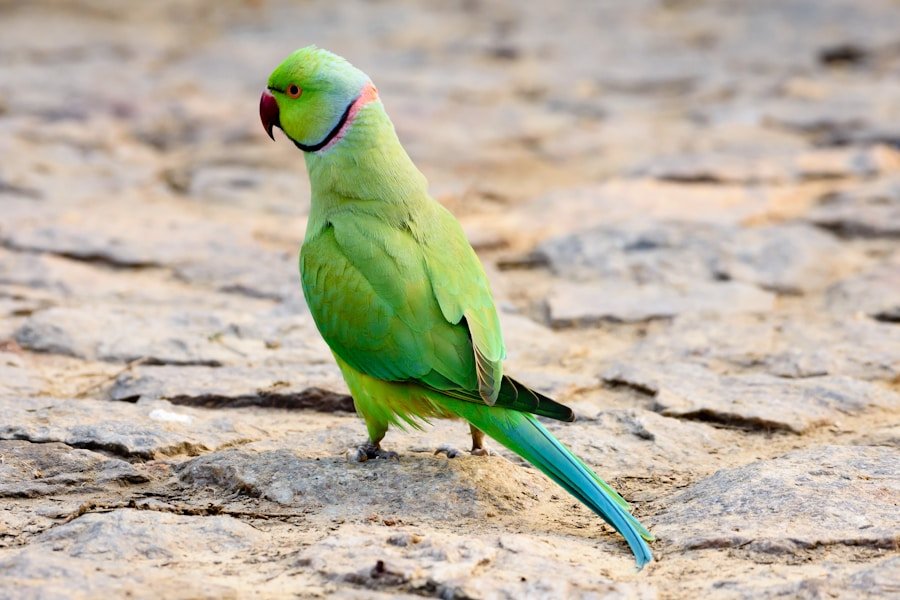
Ringneck Parakeets are primarily found in tropical and subtropical regions of Africa and Asia. Their natural habitat includes forests, woodlands, and grasslands where they can find ample food sources and nesting sites. These birds are highly adaptable and can thrive in various environments, including urban areas where they often forage for food scraps.
Their ability to adjust to different habitats has contributed to their successful establishment in non-native regions. In recent years, populations of Ringneck Parakeets have been reported in countries outside their native range, including parts of Europe and North America. This expansion is largely attributed to escaped pets that have formed feral populations.
In cities like London and Los Angeles, these birds can be seen flying freely, showcasing their resilience and adaptability. However, this spread has raised concerns about their impact on local ecosystems and the potential competition with native bird species.
Behavior and Social Structure of the Ringneck Parakeet
| Aspect | Data/Metric |
|---|---|
| Group Size | Ringneck parakeets typically form flocks of 10 to 20 individuals in the wild. |
| Communication | They use various vocalizations and body language to communicate with each other, including squawking, chirping, and head bobbing. |
| Feeding Behavior | Ringneck parakeets are primarily herbivorous, feeding on seeds, fruits, nuts, and blossoms. |
| Reproduction | They typically nest in tree hollows and lay 3 to 6 eggs per clutch, with an incubation period of about 23 days. |
| Social Hierarchy | They establish a pecking order within the flock, with dominant individuals having priority access to food and mates. |
Ringneck Parakeets are known for their social nature and strong flocking instincts. In the wild, they typically live in large groups that can consist of dozens or even hundreds of individuals. This social structure provides them with safety in numbers, as they can easily alert each other to potential predators.
Their vocalizations play a crucial role in maintaining group cohesion; they communicate through a variety of chirps, squawks, and whistles that convey different messages. Within these flocks, Ringneck Parakeets exhibit complex social behaviors. They engage in playful interactions, grooming each other to strengthen social bonds.
This behavior is not only essential for maintaining relationships but also serves as a way to keep their feathers clean and healthy.
Providing them with opportunities for play and companionship is vital for their overall well-being.
Diet and Feeding Habits of the Ringneck Parakeet
In their natural habitat, Ringneck Parakeets primarily feed on seeds, fruits, nuts, and berries. Their strong beaks are perfectly adapted for cracking open hard seeds and accessing the nutritious contents inside. They are also known to enjoy a variety of fruits such as apples, bananas, and berries, which provide essential vitamins and hydration.
In captivity, it is crucial to replicate this diverse diet to ensure their health and longevity. When caring for a Ringneck Parakeet as a pet, it is important to provide a balanced diet that includes high-quality pellets specifically formulated for parrots, along with fresh fruits and vegetables daily. Avoid feeding them avocado or chocolate, as these foods can be toxic to birds.
Additionally, providing occasional treats like nuts can be a great way to bond with your feathered friend while ensuring they receive the necessary nutrients for optimal health.
Breeding and Reproduction of the Ringneck Parakeet
Breeding Ringneck Parakeets can be a rewarding experience for avian enthusiasts. These birds typically reach sexual maturity around 1-2 years of age. In the wild, they usually breed during the rainy season when food is abundant.
The female will lay a clutch of 4-6 eggs in a tree cavity or other sheltered location, which she incubates for about 21 days. During this time, the male plays an active role in providing food for the female. Once the chicks hatch, both parents are involved in caring for them until they fledge at around 6-8 weeks old.
After fledging, young parakeets may remain with their parents for several months as they learn essential survival skills. In captivity, providing a suitable nesting box and ensuring a stress-free environment can encourage successful breeding. However, it is essential to research proper breeding practices to ensure the health and well-being of both the parents and their offspring.
Interaction with Humans and Domestication of the Ringneck Parakeet
The domestication of Ringneck Parakeets has led to their popularity as companion birds around the world. Their friendly demeanor and ability to mimic human speech make them particularly appealing to pet owners. Many owners report that these birds form strong bonds with their human companions, often displaying affectionate behaviors such as preening or cuddling.
Training a Ringneck Parakeet can be an enjoyable experience due to their intelligence and eagerness to learn. With patience and positive reinforcement techniques, owners can teach them various tricks or even simple phrases. However, it is important to remember that each bird has its own personality; some may be more vocal or outgoing than others.
Conservation Status and Threats to the Ringneck Parakeet
While the Ringneck Parakeet is currently classified as a species of “Least Concern” by the International Union for Conservation of Nature (IUCN), there are still threats that could impact their populations in the future. Habitat loss due to deforestation and urbanization poses significant challenges for these birds in their native range. Additionally, illegal trapping for the pet trade can further threaten local populations.
In areas where feral populations have established themselves outside their native range, concerns arise regarding competition with native species for resources. As these birds adapt to new environments, it is crucial for conservationists to monitor their impact on local ecosystems while also ensuring that wild populations remain protected from exploitation and habitat destruction. In conclusion, the Ringneck Parakeet is a remarkable bird with a rich history and captivating personality.
Their vibrant colors, social nature, and ability to bond with humans make them cherished companions for many bird lovers around the world. By understanding their needs and behaviors, we can ensure that these beautiful creatures continue to thrive both in captivity and in the wild.
If you notice any concerning changes in your Ringneck Parakeet’s behavior or health, it’s important to seek veterinary care promptly. Check out this article on African Grey Parrot: The Genius of the Avian World.
FAQs
What is a Ringneck Parakeet?
A Ringneck Parakeet, also known as the Indian Ringneck Parakeet, is a medium-sized parrot species native to Asia and parts of Africa. They are popular as pets due to their striking colors and ability to mimic human speech.
What do Ringneck Parakeets look like?
Ringneck Parakeets are known for their vibrant plumage, with males typically displaying bright green feathers and a distinctive ring of color around their neck. Females and juveniles have more subdued coloring, often with hints of blue and yellow.
What do Ringneck Parakeets eat?
In the wild, Ringneck Parakeets primarily feed on a diet of fruits, vegetables, seeds, and nuts. As pets, they can be fed a similar diet, along with specially formulated parrot pellets to ensure they receive all the necessary nutrients.
Are Ringneck Parakeets good pets?
Ringneck Parakeets can make wonderful pets for the right owner. They are intelligent, social birds that can be trained to perform tricks and mimic speech. However, they require a lot of attention and mental stimulation to thrive in a domestic environment.
How long do Ringneck Parakeets live?
With proper care, Ringneck Parakeets can live for 20-30 years in captivity. This makes them a long-term commitment for anyone considering them as a pet.
Do Ringneck Parakeets require a lot of space?
Ringneck Parakeets are active birds and require a spacious cage to move around and exercise. They also benefit from regular out-of-cage time to stretch their wings and interact with their human companions.