Table of Contents
In the fast-paced world we live in, pet owners often find themselves juggling multiple responsibilities, from work commitments to social engagements. Amidst this whirlwind of daily tasks, ensuring that our furry companions receive their meals on time can sometimes fall by the wayside. This is where automatic dog food feeders come into play.
These innovative devices are designed to dispense food at scheduled intervals, allowing pet owners to maintain a consistent feeding routine without the need for constant supervision. By automating the feeding process, these feeders not only simplify the lives of pet owners but also contribute to the overall well-being of dogs. Automatic dog food feeders come in various designs and functionalities, catering to different needs and preferences.
Some models are equipped with advanced technology, such as smartphone connectivity, allowing owners to monitor and control feeding schedules remotely. Others focus on simplicity and ease of use, providing straightforward mechanisms for portion control and timing. Regardless of the type, the primary goal remains the same: to ensure that dogs receive their meals in a timely manner while alleviating some of the burdens from their owners.
Key Takeaways
- Automatic dog food feeders are convenient devices that can help pet owners manage their dog’s feeding schedule and portion sizes.
- Using an automatic dog food feeder can help regulate your dog’s eating habits, prevent overeating, and ensure they are fed on time, especially when you are away from home.
- When choosing an automatic dog food feeder, look for features such as portion control, programmable feeding times, durable construction, and easy cleaning.
- Setting up and using an automatic dog food feeder involves programming the feeding schedule, portion sizes, and ensuring the device is properly maintained and cleaned.
- When choosing the right portion size for your dog, consider their age, size, activity level, and any dietary restrictions they may have. It’s important to consult with a veterinarian for personalized recommendations.
Benefits of Using an Automatic Dog Food Feeder
The advantages of using an automatic dog food feeder extend beyond mere convenience. One of the most significant benefits is the promotion of a consistent feeding schedule. Dogs thrive on routine, and having their meals dispensed at the same time each day can help regulate their digestive systems and reduce anxiety.
This predictability can lead to improved behavior, as dogs are less likely to beg for food or exhibit signs of hunger when they know their meals are reliably provided. Moreover, automatic feeders can assist in portion control, which is crucial for maintaining a healthy weight in dogs. Obesity is a growing concern among pets, leading to various health issues such as diabetes and joint problems.
With an automatic feeder, owners can set precise portion sizes tailored to their dog’s dietary needs, ensuring that they receive the right amount of food without overindulgence. This feature is particularly beneficial for multi-pet households, where managing individual feeding requirements can be challenging.
Features to Look for in an Automatic Dog Food Feeder
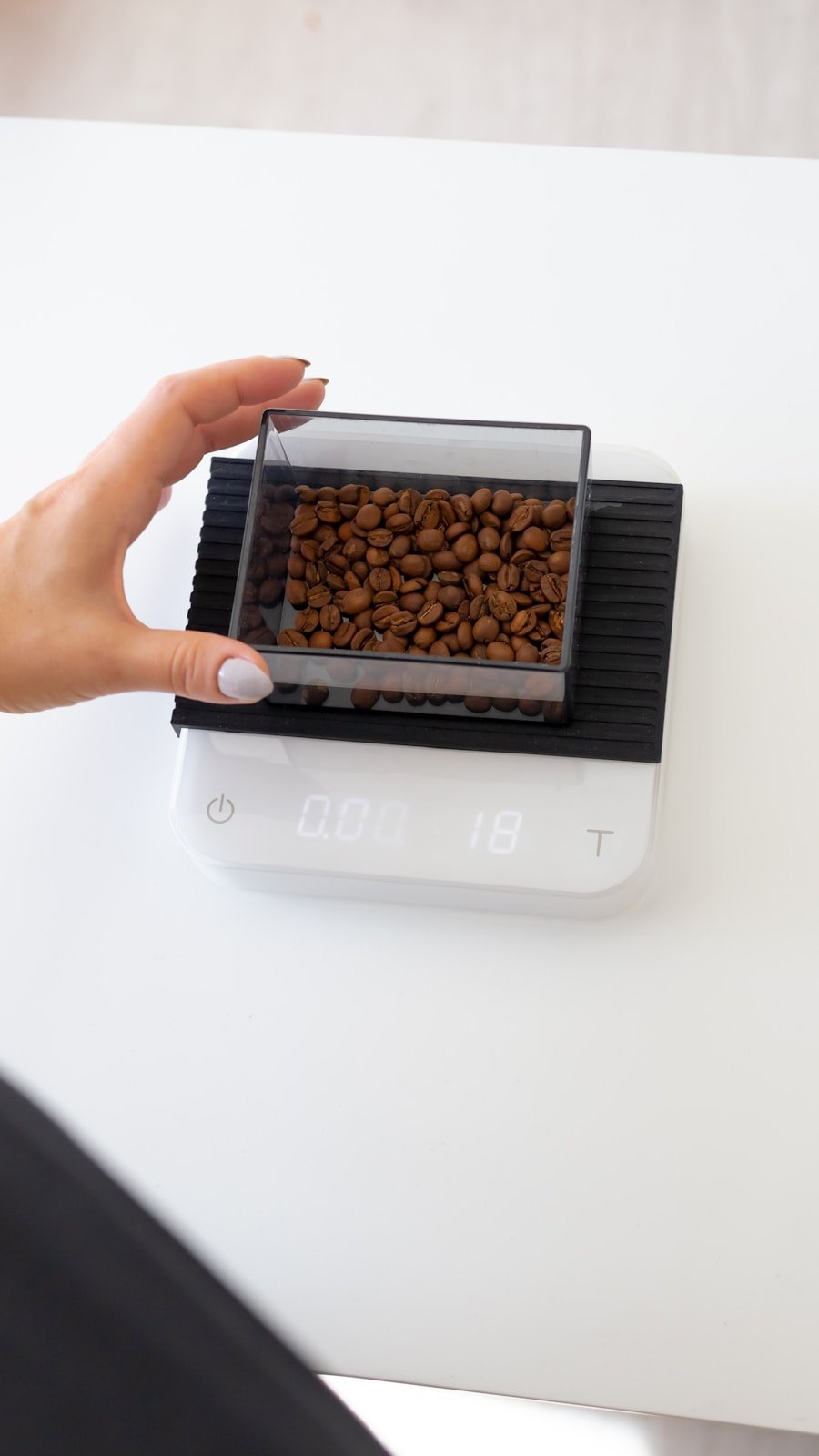
When selecting an automatic dog food feeder, several key features should be considered to ensure it meets both the owner’s and the dog’s needs. One important aspect is the capacity of the feeder. Depending on the size and appetite of your dog, you may require a feeder that can hold a substantial amount of food, reducing the frequency of refills.
Additionally, some feeders come with adjustable portion sizes, allowing you to customize the amount dispensed at each feeding. Another feature to look for is programmability. A good automatic dog food feeder should allow you to set multiple feeding times throughout the day, accommodating different schedules and dietary requirements.
Some advanced models even offer smartphone connectivity, enabling you to control feeding times and portions remotely through an app. This can be particularly useful for busy pet owners who may not always be home during mealtimes.
How to Set Up and Use an Automatic Dog Food Feeder
| Feeder Model | Capacity | Meal Size | Meal Frequency | Power Source |
|---|---|---|---|---|
| PetSafe Healthy Pet Simply Feed | 24 cups | 1/8 – 4 cups | Up to 12 meals per day | AC power adapter or 4 D-cell batteries |
| Arf Pets Automatic Pet Feeder | 16 cups | 1-10 portions per meal | Up to 4 meals per day | DC power adapter or 3 D-cell batteries |
| PetSafe Smart Feed Automatic Dog and Cat Feeder | 24 cups | 1/8 – 4 cups | Up to 12 meals per day | AC power adapter |
Setting up an automatic dog food feeder is typically a straightforward process, but it does require some attention to detail to ensure optimal functionality. First, choose a suitable location for the feeder—ideally a quiet area where your dog feels comfortable eating. Once you have selected a spot, follow the manufacturer’s instructions for assembling the feeder, which usually involves attaching the food container to the base and ensuring all components are securely in place.
After assembly, fill the food container with your dog’s preferred kibble or dry food. It’s essential to select a type of food that is compatible with the feeder’s design; some feeders may not work well with larger kibble sizes. Once filled, program the feeding schedule according to your dog’s needs.
Most feeders will have a digital display or buttons that allow you to set specific times and portion sizes easily. Finally, monitor your dog’s initial interactions with the feeder to ensure they understand how it works and feel comfortable using it.
Tips for Choosing the Right Portion Size for Your Dog
Determining the appropriate portion size for your dog is crucial for maintaining their health and preventing obesity. The first step is to consult your veterinarian or refer to the feeding guidelines provided by your dog’s food manufacturer.
Keep in mind that these are general suggestions; individual dogs may have unique dietary needs that require adjustments. Once you have established a baseline portion size, consider your dog’s activity level and any changes in their weight over time. If your dog is particularly active or has recently lost weight, you may need to increase their portion size slightly.
Conversely, if your dog is gaining weight or leading a more sedentary lifestyle, it may be necessary to reduce their portions. Regularly monitoring your dog’s weight and adjusting their feeding accordingly will help ensure they remain healthy and happy.
Common Concerns and FAQs About Automatic Dog Food Feeders
Accommodating Wet or Canned Food
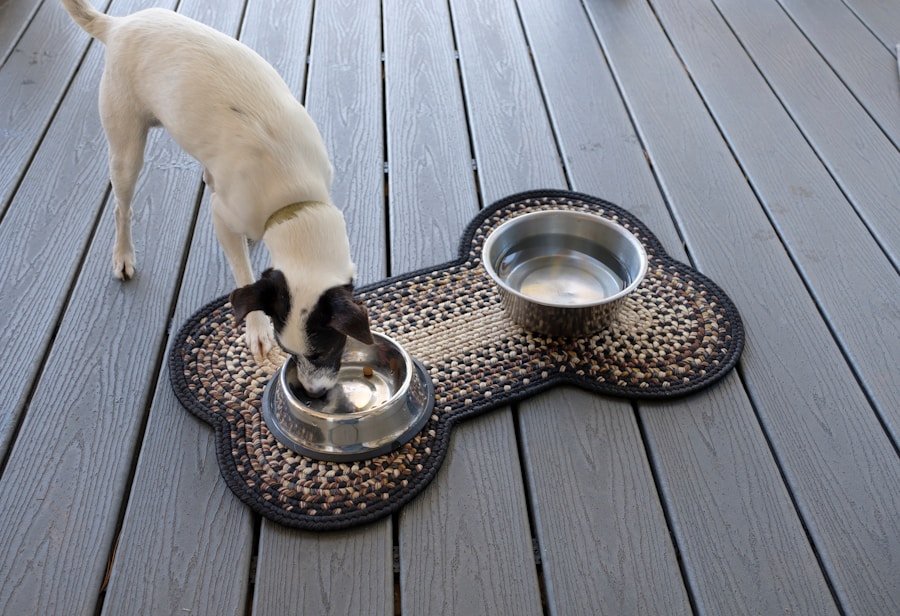
One common concern about automatic dog food feeders is whether they can accommodate wet or canned food. While most automatic feeders are designed for dry kibble, some models do offer compatibility with wet food; however, these typically require more frequent cleaning due to spoilage concerns.
Understanding Product Specifications
It’s essential to read product specifications carefully before making a purchase. This will help you understand the feeder’s capabilities and limitations, ensuring you make an informed decision.
Helping Your Dog Adapt to the Feeder
Another frequent concern is whether dogs will adapt to using an automatic feeder. In most cases, dogs are quick learners and will soon understand how the feeder operates. However, some pets may initially be hesitant or confused by the device’s mechanics.
Maintenance and Cleaning of Automatic Dog Food Feeders
Proper maintenance and cleaning of an automatic dog food feeder are vital for ensuring its longevity and functionality. Regular cleaning helps prevent the buildup of bacteria and ensures that your dog’s food remains fresh and safe to eat. Most manufacturers recommend cleaning the feeder at least once a week or more frequently if you notice any residue or spills.
To clean the feeder, start by unplugging it and disassembling any removable parts according to the manufacturer’s instructions. Wash these components with warm soapy water or place them in the dishwasher if they are dishwasher-safe. Wipe down the base of the feeder with a damp cloth to remove any dust or debris that may have accumulated.
After cleaning, allow all parts to dry thoroughly before reassembling and refilling with food.
Making Life Easier with an Automatic Dog Food Feeder
In conclusion, automatic dog food feeders offer a practical solution for busy pet owners seeking to streamline their daily routines while ensuring their dogs receive proper nutrition. With benefits such as consistent feeding schedules and portion control, these devices contribute significantly to both pet health and owner convenience. By understanding the features available and how to set up and maintain these feeders effectively, pet owners can make informed decisions that enhance their pets’ quality of life.
As technology continues to evolve, so too do the options available in automatic dog food feeders. From basic models to those equipped with advanced features like smartphone connectivity, there is a solution for every pet owner’s needs. By investing in an automatic dog food feeder, you not only simplify your life but also provide your furry friend with a reliable source of nourishment that supports their health and happiness.
If you are considering getting an automatic dog food feeder for your furry friend, you may also be interested in learning about the essentials of caring for a sugar glider as a pet. Check out this article to discover if a sugar glider is the right pet for you. Just like with dogs, it is important to provide proper nutrition and care for all types of pets.
FAQs
What is an automatic dog food feeder?
An automatic dog food feeder is a device designed to dispense a predetermined amount of food for your dog at scheduled times, without the need for manual intervention.
How does an automatic dog food feeder work?
Automatic dog food feeders typically have a programmable timer that allows you to set specific feeding times and portion sizes. When the scheduled time arrives, the feeder dispenses the pre-measured amount of food into a bowl for your dog to eat.
What are the benefits of using an automatic dog food feeder?
Using an automatic dog food feeder can help ensure that your dog receives regular, portion-controlled meals, even when you are not at home. It can also be helpful for dogs with specific dietary needs or for managing weight.
Are there different types of automatic dog food feeders?
Yes, there are different types of automatic dog food feeders, including gravity feeders, electronic feeders, and programmable feeders. Each type has its own features and benefits.
Can automatic dog food feeders be used for wet food as well as dry food?
Some automatic dog food feeders are designed to dispense both wet and dry food, while others are specifically for dry food only. It’s important to check the specifications of the feeder to ensure it meets your needs.
Are there any downsides to using an automatic dog food feeder?
One potential downside is that some dogs may become overly reliant on the feeder and lose their natural feeding instincts. Additionally, if the feeder malfunctions, it could disrupt your dog’s feeding schedule. Regular maintenance and monitoring are important to prevent these issues.