Table of Contents
The Northern Cricket Frog (Acris crepitans) is a small yet fascinating amphibian that has captured the attention of both researchers and nature enthusiasts alike. Known for its distinctive call, which resembles the sound of a cricket, this species is a member of the Hylidae family and is primarily found in the eastern United States. The Northern Cricket Frog is not only notable for its unique vocalizations but also for its remarkable adaptability to various habitats.
As a species that thrives in both aquatic and terrestrial environments, it plays a crucial role in the ecosystem, serving as both predator and prey. Despite its resilience, the Northern Cricket Frog faces numerous challenges that threaten its survival. Understanding its biology, habitat preferences, and the threats it encounters is essential for effective conservation efforts.
This article will delve into the various aspects of the Northern Cricket Frog, from its habitat and range to the conservation initiatives aimed at protecting this remarkable species. Sure, here is the sentence with the link:
I love learning about different types of animals, especially the unique characteristics of the Frog.
Key Takeaways
- The Northern Cricket Frog is a small, semi-aquatic frog species found in the eastern United States.
- They prefer shallow, freshwater habitats such as marshes, ponds, and streams with plenty of vegetation.
- Threats to the Northern Cricket Frog population include habitat loss, pollution, and disease.
- Conservation efforts for the Northern Cricket Frog include habitat restoration, pollution control, and captive breeding programs.
- The Northern Cricket Frog plays a crucial role in the ecosystem as both predator and prey, and their presence indicates a healthy environment.
Habitat and Range of the Northern Cricket Frog
The Northern Cricket Frog is predominantly found in the eastern regions of North America, with its range extending from southern New York to northern Florida and westward to eastern Texas. This species prefers habitats that include shallow ponds, marshes, and wetlands, where it can easily access both water and land. The presence of vegetation is crucial, as it provides cover from predators and a place to hunt for insects, which make up a significant portion of their diet.
In terms of specific habitat preferences, Northern Cricket Frogs are often found in areas with abundant emergent vegetation, such as cattails and sedges.
During the breeding season, males can be heard calling from the water’s edge, attracting females to lay their eggs in shallow pools.
The adaptability of this species allows it to occupy a range of habitats, but it is particularly sensitive to changes in water quality and availability.
Threats to the Northern Cricket Frog Population
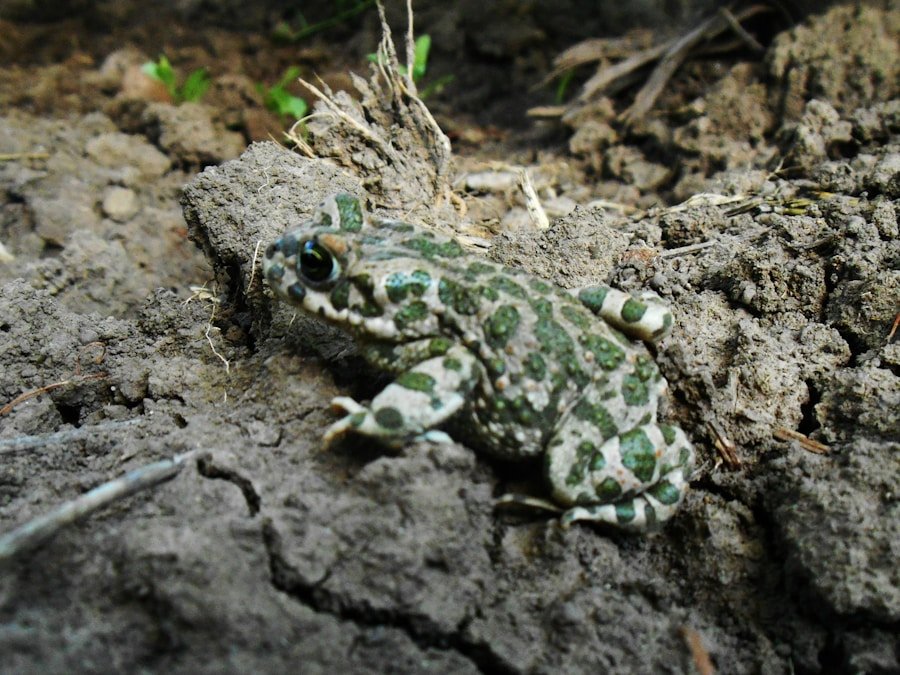
Despite their adaptability, Northern Cricket Frogs face several threats that have contributed to their declining populations. One of the most significant challenges is habitat loss due to urbanization and agricultural expansion. As wetlands are drained for development or converted into farmland, the natural habitats that these frogs rely on are diminished.
This loss not only reduces their breeding sites but also limits their access to food sources and shelter. Additionally, pollution poses a serious threat to the Northern Cricket Frog’s survival. Pesticides and fertilizers used in agricultural practices can contaminate water sources, leading to declines in frog populations.
These chemicals can disrupt hormonal systems and lead to developmental abnormalities in amphibians. Climate change also plays a role in threatening this species, as rising temperatures and altered precipitation patterns can affect breeding cycles and habitat availability. The combination of these factors has led to a concerning decline in Northern Cricket Frog populations across their range.
Conservation Efforts for the Northern Cricket Frog
| Conservation Efforts for the Northern Cricket Frog | |
|---|---|
| Population Size | Estimated at 100,000 individuals |
| Habitat Restoration | Over 500 acres of wetlands restored |
| Monitoring Programs | Regular monitoring of 20 known populations |
| Education and Outreach | Reached 10,000 students through educational programs |
| Legislative Protection | Protected under state and federal laws |
Recognizing the threats faced by the Northern Cricket Frog, various conservation efforts have been initiated to protect this species and its habitat. Organizations dedicated to amphibian conservation are working tirelessly to raise awareness about the importance of preserving wetlands and other critical habitats. These efforts often involve habitat restoration projects aimed at rehabilitating degraded wetlands and creating new breeding sites for frogs.
In addition to habitat restoration, research initiatives are underway to monitor Northern Cricket Frog populations and assess their health. By conducting surveys and collecting data on their distribution and abundance, scientists can better understand the factors contributing to their decline. This information is vital for developing targeted conservation strategies that address specific threats faced by the species.
Furthermore, public education campaigns aim to inform communities about the significance of amphibians in ecosystems and encourage responsible land-use practices that support wildlife conservation.
Importance of the Northern Cricket Frog in the Ecosystem
The Northern Cricket Frog plays a vital role in maintaining ecological balance within its habitat. As both predator and prey, this species contributes to the food web by controlling insect populations while providing sustenance for larger predators such as birds and snakes. Their diet primarily consists of small insects like flies, beetles, and ants, which helps regulate these populations and prevent overpopulation.
Moreover, amphibians like the Northern Cricket Frog serve as bioindicators of environmental health. Their permeable skin makes them particularly sensitive to changes in water quality and habitat conditions.
Protecting the Northern Cricket Frog not only benefits this particular species but also supports overall biodiversity and ecosystem health.
How to Identify and Monitor Northern Cricket Frog Populations
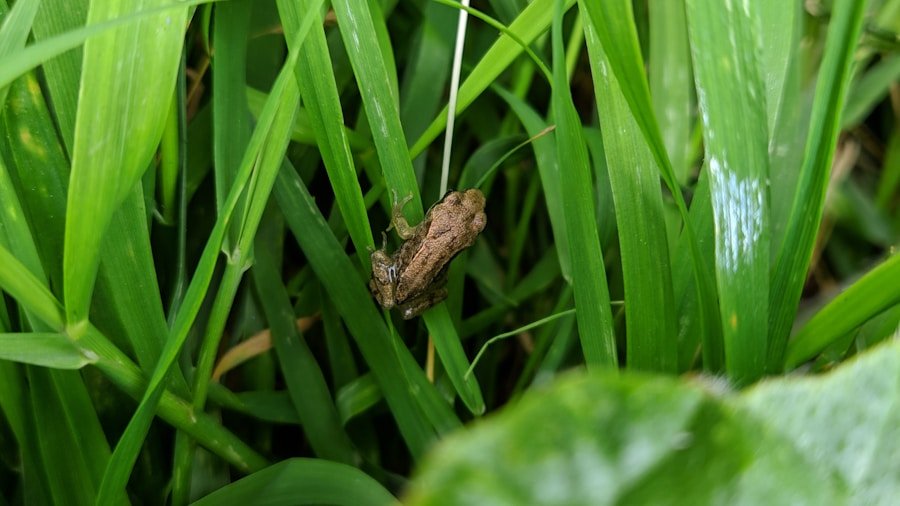
Identifying Northern Cricket Frogs can be an enjoyable activity for nature enthusiasts and researchers alike. These frogs are relatively small, typically measuring around 1 to 2 inches in length. They have a distinctive coloration that ranges from greenish-brown to grayish-brown, often featuring dark spots or stripes along their bodies.
One of their most recognizable traits is their long hind legs, which enable them to make impressive leaps when threatened. Monitoring Northern Cricket Frog populations involves several methods, including visual surveys and auditory monitoring. During the breeding season, males call out to attract females, making it easier for researchers to locate them by listening for their characteristic cricket-like calls.
By conducting regular surveys during peak calling times, conservationists can gather valuable data on population size and distribution. This information is crucial for assessing the health of local populations and implementing effective conservation strategies.
Ways Individuals Can Help Conserve the Northern Cricket Frog
Individuals can play a significant role in conserving the Northern Cricket Frog and its habitat through various actions. One of the most impactful ways is by supporting local conservation organizations that focus on amphibian protection and wetland restoration efforts. Donations or volunteer work can help fund projects aimed at preserving critical habitats for these frogs.
Additionally, individuals can promote responsible land-use practices within their communities. This includes advocating for sustainable agricultural practices that minimize pesticide use and protect water quality. Creating backyard habitats that include native plants can also provide essential resources for local wildlife, including Northern Cricket Frogs.
By raising awareness about the importance of amphibians in ecosystems and encouraging others to take action, individuals can contribute to the conservation of this remarkable species.
Future Outlook for the Conservation of the Northern Cricket Frog
The future outlook for the conservation of the Northern Cricket Frog hinges on continued efforts to address the threats it faces while promoting habitat protection and restoration initiatives. As awareness grows about the importance of amphibians in ecosystems, more resources are being allocated toward research and conservation programs aimed at safeguarding these species. Collaboration between government agencies, non-profit organizations, and local communities will be essential in ensuring the long-term survival of the Northern Cricket Frog.
By fostering partnerships that prioritize habitat preservation and sustainable land-use practices, we can create a more favorable environment for this species to thrive. With ongoing commitment and action from individuals and organizations alike, there is hope for a brighter future for the Northern Cricket Frog and its vital role within our ecosystems.
If you’re interested in learning more about charming feline companions, check out this article on the British Shorthair breed. These cats are known for their sweet and gentle nature, making them wonderful pets for families. Just like the Northern Cricket Frog, the British Shorthair brings joy and companionship to those who welcome them into their homes.
FAQs
What is a Northern Cricket Frog?
The Northern Cricket Frog (Acris crepitans) is a small species of frog native to the eastern United States. It is known for its distinctive call, which sounds like the chirping of a cricket.
What does a Northern Cricket Frog look like?
Northern Cricket Frogs are typically green or brown in color with a dark mask-like stripe running from the snout through the eye to the shoulder. They have a white or cream-colored belly and can grow to be around 0.75 to 1.5 inches in length.
Where do Northern Cricket Frogs live?
Northern Cricket Frogs are found in a variety of habitats including wetlands, marshes, ponds, and slow-moving streams. They prefer areas with plenty of vegetation and shallow water.
What do Northern Cricket Frogs eat?
Northern Cricket Frogs are insectivores, feeding on a variety of small insects such as crickets, flies, and ants. They are also known to consume spiders and other small invertebrates.
Are Northern Cricket Frogs endangered?
The Northern Cricket Frog is currently listed as a species of least concern on the IUCN Red List. However, their populations are declining in some areas due to habitat loss and degradation. Conservation efforts are being made to protect their habitats and ensure their survival.