Table of Contents
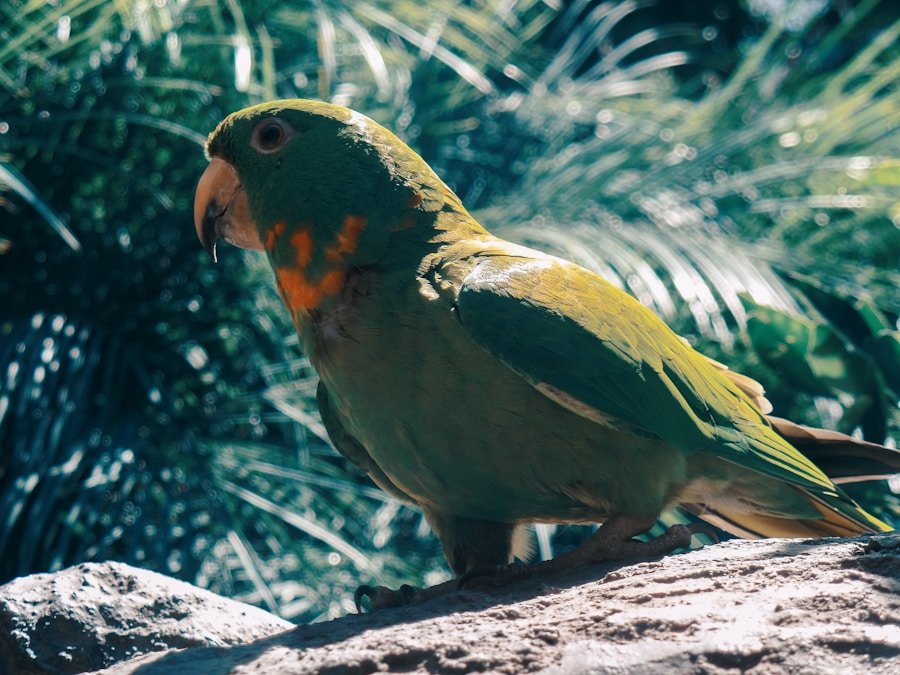
The Caique parrot, a vibrant and playful bird, has captured the hearts of avian enthusiasts around the world. Known for their lively personalities and striking colors, these parrots belong to the family Psittacidae and are native to the tropical forests of South America, particularly in regions like Brazil and parts of the Amazon Basin. The two main species of Caique parrots are the Black-headed Caique and the White-bellied Caique, both of which exhibit unique characteristics that make them stand out in the avian community.
Caiques are often referred to as “clowns of the parrot world” due to their playful antics and energetic behavior. Their charming nature and ability to form strong bonds with their human companions make them a popular choice for pet owners. However, owning a Caique parrot is not just about enjoying their delightful presence; it also involves understanding their specific needs and behaviors to ensure a happy and healthy life for these remarkable birds.
Key Takeaways
- Caique parrots are known for their playful and energetic nature, making them popular pets for bird enthusiasts.
- These parrots have a compact and stocky build, with bright and colorful plumage that sets them apart from other parrot species.
- Caique parrots are highly social and thrive on interaction with their human companions, often displaying affectionate and clownish behavior.
- Proper care for a caique parrot includes a balanced diet, spacious living environment, and regular veterinary check-ups to ensure their well-being.
- Training and enrichment activities are essential for caique parrots to prevent boredom and encourage mental stimulation, leading to a happy and well-adjusted pet.
Physical Characteristics of the Caique Parrot
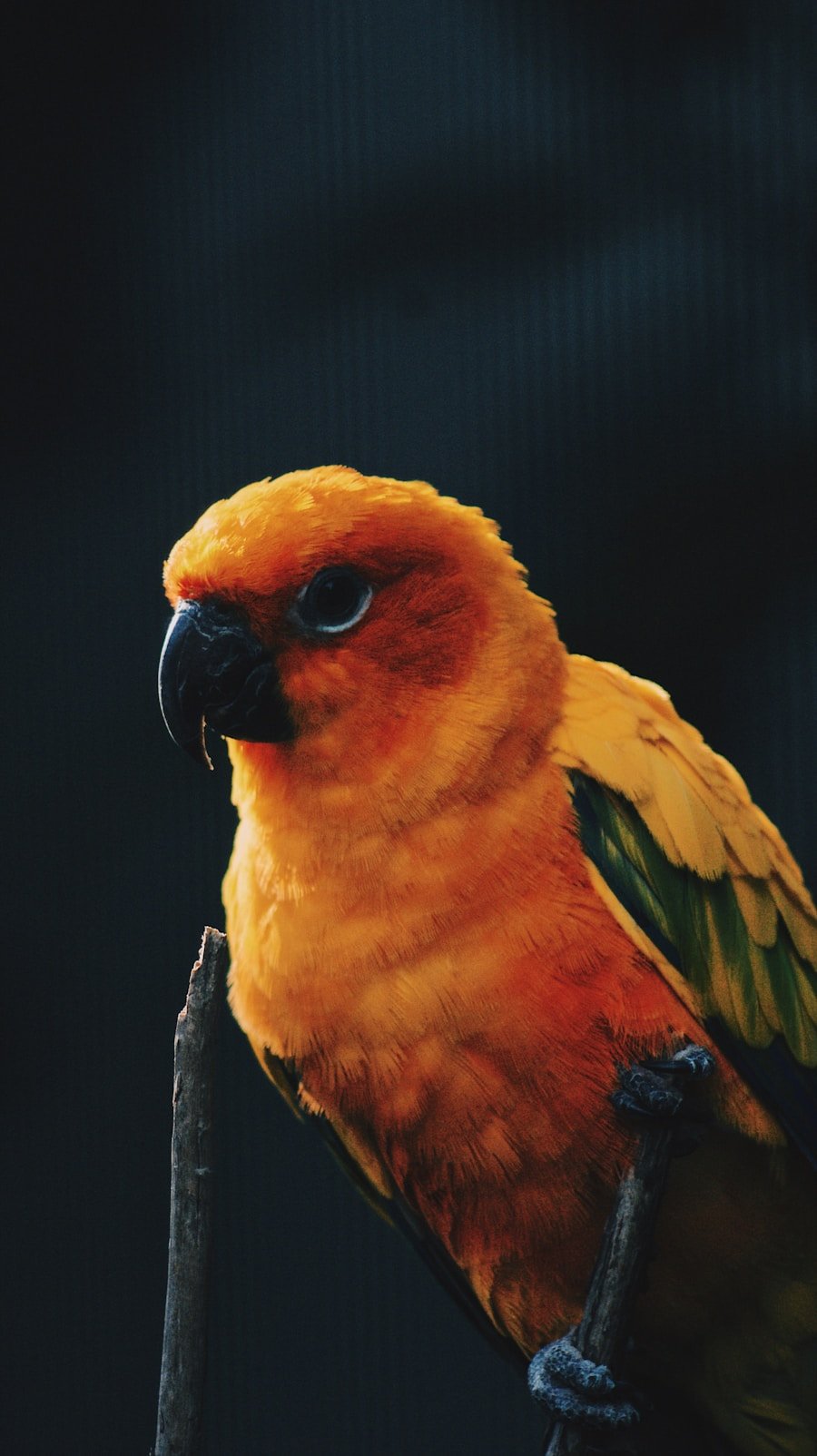
Caique parrots are small to medium-sized birds, typically measuring around 9 to 10 inches in length. Their most distinguishing feature is their vibrant plumage, which varies between species. The Black-headed Caique boasts a striking black crown and nape, with bright green wings and a yellow-orange belly that adds a splash of color to its appearance.
In contrast, the White-bellied Caique has a predominantly green body with a white belly and a yellow-orange patch on its chest, making it equally eye-catching. In addition to their colorful feathers, Caiques have strong, curved beaks that are well-suited for cracking seeds and nuts. Their feet are zygodactyl, meaning they have two toes facing forward and two facing backward, which allows them to grasp branches and perch securely.
Their large, expressive eyes are often described as “soulful,” reflecting their intelligence and curiosity. Overall, the physical characteristics of Caique parrots contribute to their appeal as pets, making them not only beautiful companions but also fascinating creatures to observe.
Behavior and Personality of the Caique Parrot
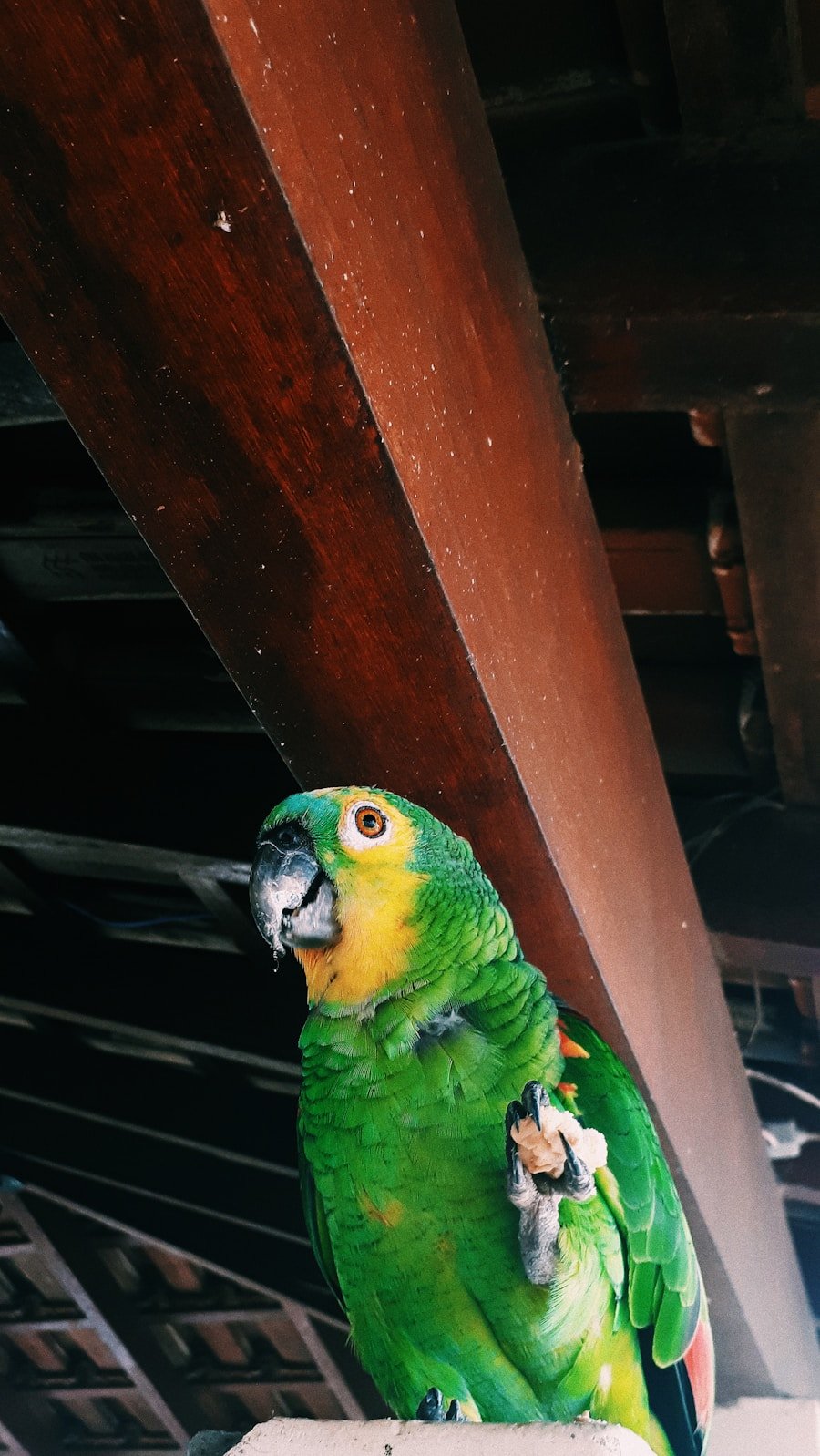
Caique parrots are known for their exuberant personalities and playful behavior. They are highly social birds that thrive on interaction with their human companions and other birds. Their playful nature often manifests in acrobatics, such as hanging upside down or swinging from toys, which can be both entertaining and endearing to watch.
This playful demeanor is complemented by their vocalizations; while they are not the most talkative parrots, they do enjoy chirping and making various sounds to communicate their feelings. One of the most notable traits of Caiques is their affectionate nature. They tend to form strong bonds with their owners and can be quite cuddly, often seeking out physical contact and attention.
However, this affectionate behavior can also lead to jealousy if they feel neglected or if another pet is receiving attention. It’s essential for potential owners to understand that Caiques require social interaction and mental stimulation to prevent boredom and behavioral issues.
Caring for a Caique Parrot
| Aspect | Information |
|---|---|
| Life Span | 25-40 years |
| Size | 9-13 inches |
| Diet | Fruits, vegetables, seeds, and pellets |
| Exercise | 2-3 hours of supervised playtime outside the cage |
| Temperament | Intelligent, social, and playful |
| Grooming | Regular baths and nail trims |
| Training | Responsive to positive reinforcement training |
Caring for a Caique parrot involves meeting their dietary, housing, and health needs to ensure they thrive in a home environment. A balanced diet is crucial for their well-being; Caiques should be fed a high-quality pellet diet supplemented with fresh fruits, vegetables, and occasional nuts or seeds as treats. Foods like apples, carrots, leafy greens, and berries can provide essential nutrients while keeping mealtime interesting.
It’s important to avoid feeding them avocado, chocolate, or caffeine, as these can be toxic to birds. Housing is another critical aspect of Caique care. They require a spacious cage that allows for movement and play, ideally with horizontal bars for climbing.
The cage should be equipped with various perches, toys, and enrichment items to keep them engaged. Regular cleaning of the cage is essential to maintain hygiene and prevent health issues. Additionally, providing opportunities for out-of-cage time is vital; Caiques thrive on social interaction and should be allowed to explore safe areas of the home under supervision.
Training and Enrichment for Caique Parrots
Training a Caique parrot can be a rewarding experience for both the bird and its owner. These intelligent birds are quick learners and can pick up tricks and commands with positive reinforcement techniques such as treats or praise. Basic commands like “step up” or “come here” can help establish a strong bond between the bird and its owner while ensuring safety during handling.
Consistency is key in training; short sessions that are fun and engaging will yield better results than long, tedious training periods. Enrichment is equally important for Caiques as it helps prevent boredom and encourages natural behaviors. Providing a variety of toys that stimulate their minds—such as puzzles, foraging toys, or items they can chew—can keep them entertained for hours.
Rotating toys regularly can also maintain their interest. Additionally, incorporating social playtime with their owners or other birds can provide mental stimulation and strengthen social bonds.
Common Health Issues in Caique Parrots
Like all pets, Caique parrots can be susceptible to certain health issues that owners should be aware of. One common concern is obesity, which can arise from an improper diet or lack of exercise. To prevent obesity, it’s essential to monitor their food intake and ensure they have ample opportunities for physical activity through playtime outside the cage.
Another health issue that may affect Caiques is feather plucking or self-mutilation, often caused by stress or boredom. This behavior can lead to severe skin problems if not addressed promptly. Owners should pay attention to any changes in behavior or appearance and consult an avian veterinarian if they notice signs of distress or illness.
Regular check-ups with an avian vet can help catch potential health issues early on.
Interacting with Caique Parrots
Interacting with a Caique parrot can be one of the most enjoyable aspects of ownership. These birds thrive on social interaction and love engaging with their human companions through play and conversation. Establishing a routine that includes daily interaction will help strengthen your bond with your Caique.
They enjoy games like hide-and-seek or fetch, where they can showcase their playful nature while also receiving mental stimulation. When interacting with your Caique, it’s important to respect their boundaries.
Observing their body language will help you understand when they are in the mood for play versus when they need space. Building trust takes time; patience is key in developing a strong relationship with your feathered friend.
The Joy of Owning a Caique Parrot
Owning a Caique parrot can bring immense joy and companionship into your life. Their playful antics, vibrant personalities, and affectionate nature make them delightful pets that can brighten any home. However, potential owners must be prepared for the commitment involved in caring for these intelligent birds.
Understanding their dietary needs, providing proper housing, engaging in training and enrichment activities, and being aware of potential health issues are all essential components of responsible ownership. For those who are willing to invest time and effort into building a relationship with a Caique parrot, the rewards are plentiful. These charming birds have an uncanny ability to bring laughter and love into our lives through their playful behavior and affectionate interactions.
Whether you’re a family looking for a lively companion or an individual seeking a feathered friend to share your life with, a Caique parrot may just be the perfect addition to your home.
If you are interested in learning more about caring for exotic pets, you may want to check out this article on The Paw Wise. It provides valuable information on what constitutes an exotic pet and how to properly care for them. This could be particularly helpful if you are considering adding a unique animal like a Caique to your family.
FAQs
What is a Caique?
A Caique is a type of parrot that is known for its playful and affectionate nature. They are native to South America and are popular pets due to their colorful plumage and lively personality.
What do Caiques eat?
In the wild, Caiques primarily eat fruits, seeds, nuts, and vegetation. As pets, they should be fed a balanced diet of high-quality pellets, fresh fruits, and vegetables, as well as the occasional treat of nuts or seeds.
What is the average lifespan of a Caique?
Caiques have an average lifespan of 20-30 years in captivity when properly cared for. Providing a nutritious diet, regular veterinary check-ups, and plenty of mental and physical stimulation can help ensure a long and healthy life for a pet Caique.
Are Caiques good pets?
Caiques are known for their playful and affectionate nature, making them popular pets for bird enthusiasts. They are highly social and require a lot of interaction and mental stimulation, so they are best suited for owners who can dedicate time to their care and companionship.
Do Caiques require special care?
Caiques require a spacious cage, plenty of toys for mental stimulation, and regular out-of-cage time for exercise and socialization. They also need a varied diet and regular veterinary check-ups to ensure their health and well-being.