Table of Contents
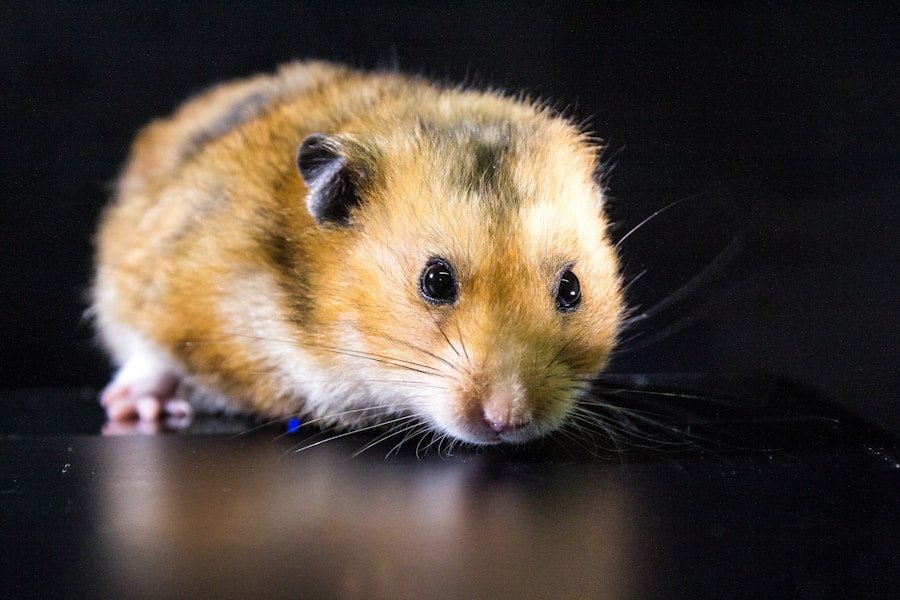
Blue Dwarf Hamsters, often referred to as Campbell’s Dwarf Hamsters, are a delightful and charming breed that has captured the hearts of pet enthusiasts around the world. These small, furry creatures are known for their vibrant blue-gray fur, which sets them apart from other hamster breeds. Originating from the steppes of Central Asia, these hamsters have adapted well to life in captivity, making them popular pets for families and individuals alike.
Their small size and playful nature make them an ideal choice for those looking for a low-maintenance yet engaging companion.
Each hamster has its own quirks and traits, making them fascinating pets to observe and interact with.
As you delve deeper into the world of Blue Dwarf Hamsters, you will discover their rich history, distinct characteristics, and the joys of caring for these adorable little creatures. Whether you are a seasoned hamster owner or considering your first pet, understanding the nuances of Blue Dwarf Hamsters will help you appreciate why they are such beloved companions. Key Takeaways One of the most significant benefits of owning a Blue Dwarf Hamster is their manageable size. Weighing in at just a few ounces and measuring around 3 to 4 inches in length, they require minimal space compared to larger pets. This makes them an excellent choice for individuals living in apartments or homes with limited room. Their small cages can easily fit on a desk or shelf, allowing you to enjoy their company without sacrificing valuable living space. In addition to their size, Blue Dwarf Hamsters are relatively low-maintenance pets. They do not require daily walks like dogs or extensive grooming like some cat breeds. Instead, they thrive in a clean environment with fresh bedding and food. Their independent nature means they can entertain themselves for hours, making them perfect for busy individuals or families with children. Furthermore, their playful antics and curious behavior provide endless entertainment, making them a joy to watch and interact with. Additionally, providing multiple levels or platforms can enhance their living space and encourage climbing behavior. Bedding is another important consideration. Opt for safe, absorbent materials such as aspen shavings or paper-based bedding. Avoid cedar or pine shavings, as they can be harmful to your hamster’s respiratory system. It’s also essential to include hiding spots and tunnels within the cage to mimic their natural habitat. These elements not only provide security but also stimulate their natural instincts to burrow and explore. Regular cleaning of the cage is necessary to maintain a healthy environment; aim to spot clean daily and perform a thorough cleaning weekly. Feeding your Blue Dwarf Hamster a balanced diet is vital for their health and longevity. A high-quality commercial hamster food should form the basis of their diet, providing essential nutrients and vitamins. Look for pellets specifically formulated for dwarf hamsters, as these will meet their unique dietary needs. In addition to pellets, you can supplement their diet with fresh fruits and vegetables in moderation. Safe options include carrots, broccoli, apples, and leafy greens. However, be cautious with sugary fruits and avoid citrus fruits altogether. Water is equally important; ensure your hamster has access to fresh water at all times. A water bottle with a sipper tube is preferable to a bowl, as it helps keep the cage clean and prevents spills. Regularly check the water supply to ensure it is clean and functioning properly. Alongside diet and hydration, it’s essential to monitor your hamster’s weight and overall health. If you notice any significant changes in appetite or behavior, consult a veterinarian experienced with small animals. Blue Dwarf Hamsters are naturally active creatures that require regular exercise to stay healthy and happy. Providing them with opportunities for physical activity is crucial in preventing obesity and promoting mental stimulation. A solid exercise wheel is an excellent addition to their cage; choose one that is appropriately sized (around 6-8 inches in diameter) to accommodate their small stature while ensuring it has a solid surface to prevent injuries. In addition to an exercise wheel, consider incorporating various toys and enrichment activities into their environment. Chew toys made from untreated wood or cardboard can help keep their teeth healthy while providing entertainment. Tunnels, climbing structures, and even small cardboard boxes can encourage exploration and playfulness. Rotating toys regularly can keep your hamster engaged and prevent boredom, ensuring they remain active and stimulated. One common health concern among hamsters is diabetes, particularly if they are overfed sugary treats or high-carb foods. To mitigate this risk, stick to a balanced diet and limit sugary snacks. Keep an eye out for signs of illness such as lethargy, changes in appetite, or unusual behavior; early detection can make a significant difference in treatment outcomes. Benefits of Owning a Blue Dwarf Hamster
Ideal Living Conditions for Blue Dwarf Hamsters

Creating the perfect living environment for your Blue Dwarf Hamster is essential for their well-being. A spacious cage is crucial; ideally, it should be at least 24 inches long and 12 inches wide to allow ample room for exploration and exercise. The cage should have solid flooring rather than wire mesh to prevent injuries to their tiny feet. Feeding and Care for Blue Dwarf Hamsters
Feeding and Care for Blue Dwarf Hamsters Food High-quality hamster food mix, fresh vegetables, and occasional treats like fruits and nuts Water Always have fresh, clean water available in a water bottle Cage Size Minimum of 360 square inches of floor space Bedding Aspen shavings, paper-based bedding, or hay Exercise Provide a hamster wheel and toys for mental stimulation Grooming Regularly check and trim their nails, provide a sand bath for grooming Healthcare Regular veterinary check-ups, monitor for signs of illness or injury Exercise and Enrichment for Blue Dwarf Hamsters
Health and Wellness for Blue Dwarf Hamsters
Preventing Diabetes
Early Detection of Illness
Common Ailments in Hamsters
A veterinarian who specializes in small animals can provide valuable insights into your pet’s well-being and help address any concerns that may arise. It’s also wise to familiarize yourself with common ailments that affect hamsters, such as wet tail (a serious gastrointestinal condition) or respiratory issues caused by poor bedding materials or cage conditions.
Bonding and Interaction with Blue Dwarf Hamsters
Building a bond with your Blue Dwarf Hamster can be a rewarding experience that enhances both your lives. While these hamsters may initially be shy or skittish, patience is key when it comes to socializing them. Start by spending time near their cage, speaking softly to them so they become accustomed to your presence.
Gradually introduce your hand into the cage, allowing them to sniff you before attempting to pick them up. Once your hamster feels comfortable with you, you can begin handling them more frequently. Always support their body gently but securely when lifting them out of the cage; this will help them feel safe during interactions.
Allowing them time outside of their cage in a secure play area can also foster trust and strengthen your bond. Remember that every hamster has its own personality; some may enjoy being held while others prefer to explore independently.
Why Blue Dwarf Hamsters are the Perfect Pet for Small Spaces
In conclusion, Blue Dwarf Hamsters make exceptional pets for individuals living in small spaces due to their compact size, low-maintenance care requirements, and engaging personalities. Their playful nature provides endless entertainment while requiring minimal space compared to larger pets. With proper care, attention, and love, these little creatures can thrive in any environment.
Whether you are a busy professional seeking companionship or a family looking for a pet that children can help care for, Blue Dwarf Hamsters offer a unique blend of charm and adaptability that makes them perfect companions for small living spaces. By understanding their needs and providing a nurturing environment, you can enjoy the delightful experience of sharing your life with these adorable little hamsters for years to come.
If you are interested in learning more about caring for dwarf hamsters, you may want to check out this informative article on Dwarf Winter White Russian Hamster Care Guide. This article provides valuable tips and advice on how to properly care for these adorable little pets, including information on their diet, habitat, and overall well-being. It’s a must-read for anyone considering bringing a dwarf hamster into their home.
FAQs
What is a Blue Dwarf Hamster?
A Blue Dwarf Hamster is a small rodent that belongs to the species Phodopus sungorus. They are also known as Siberian Hamsters or Djungarian Hamsters.
What does a Blue Dwarf Hamster look like?
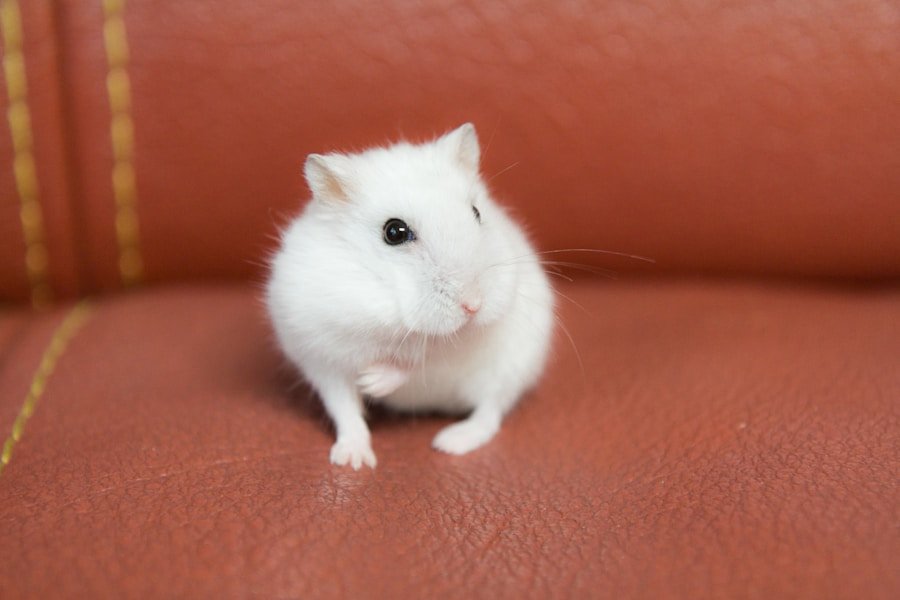
Blue Dwarf Hamsters have a stocky body with a short tail and a thick, dense coat of fur. They come in a variety of colors, including blue, gray, and white.
What are the characteristics of a Blue Dwarf Hamster?
Blue Dwarf Hamsters are known for their friendly and social nature. They are active and curious animals that enjoy exploring their environment. They are also nocturnal, meaning they are most active during the night.
What do Blue Dwarf Hamsters eat?
Blue Dwarf Hamsters are omnivores and eat a diet that consists of seeds, grains, fruits, and vegetables. They also enjoy small insects and protein-rich treats.
How big do Blue Dwarf Hamsters get?
Blue Dwarf Hamsters are small in size, typically growing to be around 3 to 4 inches in length.
What kind of habitat do Blue Dwarf Hamsters need?
Blue Dwarf Hamsters require a spacious cage with plenty of bedding for burrowing and nesting. They also need a wheel for exercise, as well as toys and tunnels for mental stimulation.
Are Blue Dwarf Hamsters good pets?
Blue Dwarf Hamsters can make great pets for individuals or families who are willing to provide them with the proper care and attention. They are relatively low-maintenance and can be quite entertaining to watch.