
Table of Contents
Fleas and ticks are not merely nuisances; they pose significant health risks to dogs and can lead to serious medical conditions. Fleas can cause allergic reactions, skin infections, and anemia, particularly in young or small dogs. Ticks, on the other hand, are notorious carriers of diseases such as Lyme disease, Rocky Mountain spotted fever, and ehrlichiosis.
These parasites can transmit pathogens that may lead to severe health complications, making it imperative for dog owners to prioritize preventative measures. The importance of flea and tick preventatives cannot be overstated, as they serve as the first line of defense against these harmful pests. Moreover, the impact of fleas and ticks extends beyond the individual dog.
Infestations can quickly spread throughout a household, affecting not only pets but also humans.
This exponential growth can lead to a full-blown infestation in a matter of weeks.
Therefore, implementing effective flea and tick preventatives is essential not only for the health of your dog but also for maintaining a pest-free environment in your home.
Key Takeaways
- Flea and tick preventatives are important for dogs to prevent infestations and potential health issues.
- Topical flea and tick preventatives are easy to apply and provide long-lasting protection for dogs.
- Oral flea and tick preventatives offer a convenient and effective way to protect dogs from parasites.
- Natural flea and tick preventatives can be a safer option for dogs with sensitive skin or allergies.
- Dogs with sensitive skin may benefit from flea and tick preventatives specifically designed for their needs.
Topical flea and tick preventatives for dogs
Convenience and Ease of Use
One of the primary advantages of topical treatments is their ease of application; they usually require only a monthly application, making them ideal for busy pet owners.
Established Brands and Protection
Brands like Frontline Plus and Advantage II have established themselves as reliable choices in this category, offering broad-spectrum protection against both fleas and ticks. The mechanism of action for topical preventatives varies by product but generally involves either killing adult fleas and ticks on contact or disrupting their life cycle.
Important Considerations
For instance, some topical treatments contain insect growth regulators (IGRs) that prevent flea eggs from hatching or larvae from maturing into adults. This dual-action approach not only eliminates existing pests but also helps to prevent future infestations. However, it is crucial for pet owners to follow the manufacturer’s instructions carefully to ensure safety and efficacy. Some topical treatments may not be suitable for certain breeds or ages of dogs, so consulting with a veterinarian is advisable before starting any new preventative regimen.
Oral flea and tick preventatives for dogs

Oral flea and tick preventatives have gained popularity due to their convenience and effectiveness. These medications come in various forms, including tablets and chewables, which are ingested by the dog. Once absorbed into the bloodstream, they work systemically to kill fleas and ticks upon contact.
Products like NexGard and Bravecto are well-known examples that provide long-lasting protection against these parasites. One of the significant benefits of oral treatments is that they eliminate the need for messy topical applications, making them an appealing option for many dog owners. The effectiveness of oral flea and tick preventatives is often attributed to their rapid action.
For instance, NexGard begins killing fleas within hours of administration, providing quick relief for dogs suffering from infestations. Additionally, some oral medications offer extended protection; Bravecto provides up to 12 weeks of coverage with a single dose. This long-lasting effect can be particularly advantageous for pet owners who may forget monthly applications or who travel frequently with their dogs.
However, it is essential to note that oral preventatives may not be suitable for all dogs, especially those with certain medical conditions or those taking specific medications. Therefore, a thorough discussion with a veterinarian is crucial before selecting an oral option.
Natural flea and tick preventatives for dogs
For pet owners seeking alternatives to chemical treatments, natural flea and tick preventatives offer a viable option. These products often utilize plant-based ingredients known for their insect-repelling properties. Essential oils such as lavender, cedarwood, and peppermint are commonly found in natural formulations due to their ability to deter fleas and ticks without harsh chemicals.
Additionally, some natural products come in the form of sprays or powders that can be applied directly to the dog’s coat or bedding. While natural remedies can be effective for some dogs, their efficacy may vary based on factors such as the severity of the infestation and environmental conditions. For example, while essential oils can repel pests, they may not eliminate existing infestations as effectively as synthetic treatments.
Furthermore, it is crucial for pet owners to exercise caution when using essential oils, as some can be toxic to dogs if used improperly or in excessive amounts. Dilution is key; always follow guidelines provided by manufacturers or consult with a veterinarian before introducing any new natural product into your dog’s care routine.
Flea and tick preventatives for dogs with sensitive skin
Dogs with sensitive skin require special consideration when it comes to flea and tick preventatives. Many conventional treatments contain harsh chemicals that can exacerbate skin irritations or cause allergic reactions in susceptible pets. Therefore, selecting products specifically formulated for sensitive skin is essential.
These options often feature gentler ingredients that provide effective pest control without compromising the dog’s skin health. One example of a suitable product for dogs with sensitive skin is Vet’s Best Flea and Tick Home Spray, which combines natural ingredients like peppermint oil and clove extract to repel pests while being gentle on the skin. Additionally, some topical treatments designed for sensitive skin may include soothing agents such as aloe vera or oatmeal to help alleviate irritation caused by bites or chemical exposure.
It is advisable for pet owners to conduct patch tests when trying new products on sensitive-skinned dogs and to monitor their pets closely for any adverse reactions after application.
Long-lasting flea and tick preventatives for dogs
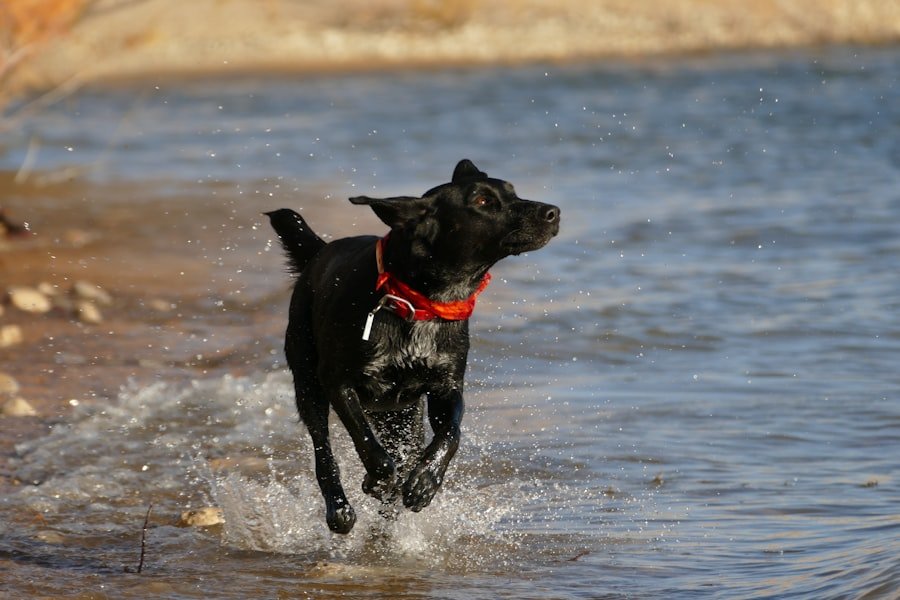
Long-lasting flea and tick preventatives are particularly beneficial for pet owners who prefer fewer applications throughout the year while still ensuring robust protection against these parasites. Products like Bravecto and Seresto collars offer extended coverage that can last several months with just one application or fitting. This convenience is especially appealing for busy pet owners who may struggle to remember monthly treatments.
Bravecto’s oral chewable tablet provides up to 12 weeks of protection against fleas and ticks with a single dose, making it an excellent choice for those who travel frequently or have multiple pets requiring treatment. Similarly, Seresto collars release active ingredients over time, providing continuous protection without the need for frequent reapplication. However, while long-lasting options are convenient, it is essential to adhere strictly to dosage recommendations and consult with a veterinarian regarding any potential interactions with other medications or health conditions.
Choosing the right flea and tick preventative for your dog’s lifestyle
Selecting the appropriate flea and tick preventative requires careful consideration of your dog’s lifestyle and environment. Factors such as age, breed, activity level, and exposure to other animals play a significant role in determining which product will be most effective. For instance, active dogs that spend considerable time outdoors may benefit from more robust options like oral medications or long-lasting collars that provide continuous protection against pests.
Conversely, indoor dogs or those with limited outdoor exposure might do well with topical treatments or natural remedies that offer adequate protection without overwhelming their systems with chemicals. Additionally, pet owners should consider their own preferences regarding application methods; some may prefer easy-to-administer oral tablets over messy topical solutions. Ultimately, understanding your dog’s unique needs will guide you in selecting the most suitable flea and tick preventative.
Flea and tick preventatives for dogs in high-risk areas
In regions where fleas and ticks are prevalent year-round or during specific seasons, choosing an effective preventative becomes even more critical. High-risk areas often include regions with warm climates or environments conducive to pest proliferation, such as wooded areas or places with high humidity levels. In these situations, opting for potent flea and tick preventatives that offer comprehensive coverage is essential.
For example, in areas known for high tick populations, products like NexGard or Bravecto may be recommended due to their rapid action against ticks and long-lasting effects. Additionally, pet owners living in high-risk areas should consider implementing a multi-faceted approach that includes regular grooming practices to check for ticks after outdoor activities and maintaining a clean living environment free from potential breeding grounds for fleas.
Flea and tick preventatives for dogs with multiple pet households
In households with multiple pets, managing flea and tick prevention can be particularly challenging due to the potential for cross-contamination between animals. It is crucial to ensure that all pets receive appropriate treatment simultaneously to break the life cycle of fleas and ticks effectively. Using different types of preventatives—such as combining topical treatments with oral medications—can help maximize protection across all pets in the household.
Moreover, when selecting products for multi-pet households, it is vital to consider compatibility among different species as well as individual sensitivities. For instance, some topical treatments designed for dogs may be harmful if applied to cats; therefore, pet owners should always read labels carefully and consult with veterinarians regarding safe options for each animal in the home.
Flea and tick preventatives for dogs with medical conditions
Dogs with pre-existing medical conditions require special attention when it comes to flea and tick prevention strategies. Certain health issues may limit the types of products that can be safely used without exacerbating existing conditions or interacting negatively with prescribed medications. For example, dogs with compromised immune systems may not tolerate certain chemical treatments well; thus, natural alternatives might be more suitable.
Consulting with a veterinarian is crucial in these cases to determine which products are safe based on the dog’s medical history. Some veterinarians may recommend specific brands known for their gentler formulations or suggest alternative methods such as regular grooming combined with environmental control measures like vacuuming and washing bedding frequently.
Combining flea and tick preventatives with other parasite control for dogs
Integrating flea and tick prevention into a broader parasite control strategy is essential for comprehensive pet care. Many dog owners overlook other parasites such as heartworms or intestinal worms when focusing solely on external pests like fleas and ticks. Combining different preventative measures can provide holistic protection against various threats.
For instance, using a monthly heartworm preventative alongside a flea and tick treatment ensures that your dog is safeguarded against multiple parasites simultaneously. Some products even combine these protections into one convenient treatment option; however, it is vital to consult with a veterinarian before combining different medications to avoid potential interactions or overdosing on active ingredients. By understanding the various options available—ranging from topical treatments to natural remedies—dog owners can make informed decisions tailored specifically to their pets’ needs while ensuring optimal health and well-being.
If you’re looking for the best flea and tick preventatives for dogs, you may also be interested in learning about how to care for a Himalayan guinea pig. This adorable and unique pet requires specific care to ensure its health and happiness. Check out this article for valuable tips on providing the best care for your furry friend.
FAQs
What are the best flea and tick preventatives for dogs?
There are several effective flea and tick preventatives for dogs, including oral medications, topical treatments, and collars. Some popular options include Bravecto, Frontline Plus, Seresto collar, and NexGard.
How do flea and tick preventatives for dogs work?
Flea and tick preventatives for dogs work by either killing adult fleas and ticks, preventing the development of flea eggs, or repelling and killing ticks. They may contain ingredients such as fipronil, permethrin, imidacloprid, or fluralaner.
Are there any natural flea and tick preventatives for dogs?
Yes, there are natural flea and tick preventatives for dogs, such as essential oils (e.g., cedarwood, lavender, and peppermint), diatomaceous earth, and herbal flea collars. It’s important to consult with a veterinarian before using natural preventatives to ensure their safety and effectiveness.
How often should I apply flea and tick preventatives to my dog?
The frequency of application for flea and tick preventatives depends on the specific product. Some products are applied monthly, while others may provide protection for up to 12 weeks. It’s important to follow the manufacturer’s instructions and consult with a veterinarian for personalized recommendations.
Are there any potential side effects of flea and tick preventatives for dogs?
Some dogs may experience mild side effects from flea and tick preventatives, such as skin irritation, hair loss at the application site, or gastrointestinal upset. In rare cases, more serious side effects such as seizures or neurological issues may occur. It’s important to monitor your dog after applying preventatives and seek veterinary care if any concerning symptoms arise.